
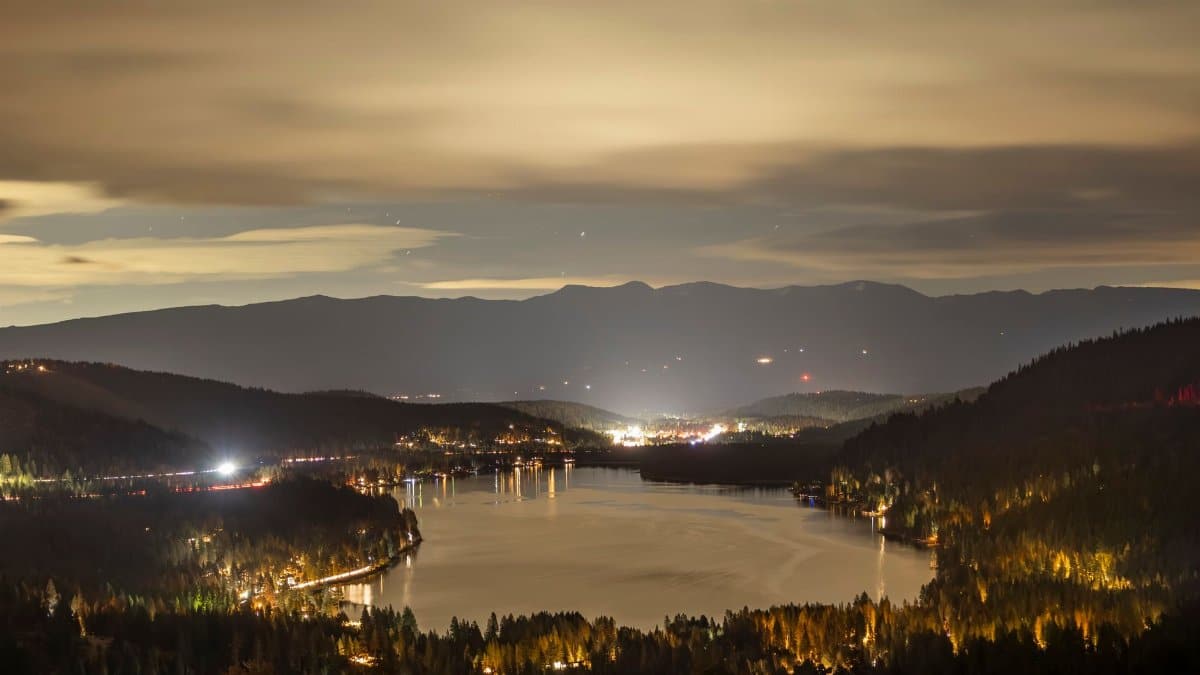
A low rumble moved through Stanislaus County on Wednesday night, the sort of brief disturbance that wakes a few light sleepers, rattles a window, and leaves most of the region asking whether the ground really shifted. Reports described a Stanislaus earthquake of magnitude 3.1, with the epicenter near Patterson and no injuries reported. For a county of orchards, commuter roads, and quiet subdivisions, the number was modest. It was also enough to pull attention back to a simple fact of California life. The crust under ordinary towns does not stay entirely still, even on an otherwise uneventful weeknight.
What the night felt like

People who notice a quake of this size rarely describe a cinematic collapse. They describe a jolt, a short roll, a dog that stands up for no clear reason, or a picture frame that ticks against the wall and then goes quiet. In a farming county, the sound can be easy to misread. A truck on a rural road, a pump switching on, wind against metal siding: all of those can mimic the first second of a small shake. The difference is the way the motion seems to arrive from below rather than from the street.
By the time phones light up, the event is often already over. That speed is part of why modest quakes feel uncanny. There is no weather front to watch on the horizon. There is no siren that reliably arrives first. The ground speaks, and then the talking begins.
A small number with a local address
Magnitude is a measure of energy at the source, not a guarantee of what every kitchen will experience. A 3.1 event can be obvious near the epicenter and faint a few miles away, depending on depth, soil, and whether a person is awake. Patterson sits near the western edge of the Central Valley, where flat farmland meets the rising country of the Diablo Range. That geography gives the report a precise civic address even when the scientific details remain sparse in the first public accounts.
The San Francisco Chronicle carried the initial account of the shaking. Early reports placed the epicenter near Patterson and said no injuries had been reported. For local readers, those two facts do most of the immediate work. They answer where, and they answer whether anyone was hurt.
Reading magnitude without drama

A number just above 3 sits in a familiar middle band of California seismicity. It is large enough to be felt. It is usually too small to damage well built structures or to dominate a regional news cycle for more than a day. Scientists still log it, because the catalogue of small events is how the state keeps a running portrait of restless crust. Each point on that map is minor on its own. Together they show where strain is being released in little bursts rather than in silence.
It is tempting to treat every felt quake as a prelude. Sometimes a small event is followed by others. Often it is not. Responsible coverage resists both panic and shrugs. The honest sentence is plainer. This was a real earthquake, it was limited, and it deserves a clear account without invented drama.
The ground under Stanislaus County

Stanislaus County is better known for almonds, dairies, river water, and the long commute toward the Bay Area than for famous epicenters. That reputation can create a false sense that seismic risk belongs only to San Francisco, Los Angeles, or the North Coast. The valley floor is not a separate planet. It sits within the same broad tectonic setting that has shaped California for millions of years, between the Pacific plate system and the North American plate.
West of Patterson, the hills mark a transition out of deep valley sediments and into older, more deformed rock. Eastward, the county stretches toward the Sierra foothills. Residents live with that gradient every day, usually without thinking about it. A night of light shaking makes the gradient briefly visible again.
Why Patterson sits in a wider story

Patterson is a small city with a large horizon. Highway 5 runs nearby. Agricultural land still frames much of the town. New rooftops and older farm roads share the same evenings. When a quake is reported near a place like this, the story is not only geologic. It is also about how information travels through a community that is spread out, bilingual in practice if not always in official notices, and accustomed to solving problems without waiting for a distant headline.
A tremor near Patterson is felt, or not felt, house by house. One household may sleep through it. Another may step outside and listen for dogs, transformers, or the odd silence that follows a jolt. That uneven experience is normal. It does not mean the reports conflict. It means magnitude is not the same thing as perception.
What officials tend to confirm
In the first hour, public agencies usually look for a short list of facts. Was anyone injured. Did any road, bridge, canal, or utility report damage. Did emergency calls spike. For an event of this size, the answers are often reassuring, and the absence of those calls is itself news. No injuries reported is not a poetic phrase. It is the result of dispatchers, neighbors, and infrastructure operators finding nothing that requires a larger response.
That does not make the quake imaginary. It places it in proportion. California has learned, sometimes harshly, to separate felt motion from structural harm. The distinction protects attention for the days when the distinction disappears.
Neighbors, phones, and the first minutes

The modern aftertaste of a small quake is social. Group texts fill with one word questions. Did you feel it. Where are you. Is the power on. Social media turns a private startle into a shared map. There is comfort in that, and also a risk of exaggeration, as secondhand descriptions grow sharper than the original motion. The wiser habit is simple. Check on the people closest to you, then wait for instruments and official notices to settle the size and place.
For older residents, the phone ritual can feel new even when the ground motion feels familiar. Many people in this part of the state have lived through larger shocks elsewhere, or have parents who did. Memory arrives faster than any alert.
Lessons from larger California shocks

The state carries a public memory of destructive earthquakes that no modest Wednesday night can match. Those larger disasters taught practical lessons that still apply when the shaking is slight. Unsecured water heaters, heavy shelves, and glassware stored at face height cause injuries that magnitude alone does not predict. Older masonry and poorly attached foundations deserve attention long before a famous fault makes the evening news. Preparedness is less romantic than folklore about the Big One, and more useful.
Small events are useful drills only if people treat them that way. A household that uses the moment to find a flashlight, confirm an out of area contact, and talk through where to meet has gained something. A household that only refreshes a feed has mostly consumed a scare.
Practical habits that outlast a headline

Emergency managers repeat a short list because it works. Keep shoes near the bed. Know how to shut off gas if you smell it, and do not shut it off merely because the ground moved. Store water. Secure tall furniture. Keep a paper list of medications, because a dead phone is a poor medical record. These steps are not specific to one county, and they do not require a catastrophic forecast. They are the ordinary maintenance of living in earthquake country.
Schools and workplaces already practice drills. Homes are less consistent. The gap matters, because most people are at home when a nighttime quake arrives. A conversation at the dinner table can close more of that gap than another generic warning on a screen.
Faith, fear, and a brief shaking

In a county of churches, temples, parish halls, and kitchen table prayers, a sudden movement of the earth can stir questions that geology does not answer. Some people read a jolt as a prompt to call a parent. Some treat it as a reminder that control is thinner than the weekly schedule suggests. Others refuse any larger meaning and go back to sleep, which is also a kind of wisdom when no damage has been found.
Spiritual communities often do their best work in the unspectacular hours. They check on elders. They notice who is alone. They resist the urge to turn a natural event into a verdict on anyone. A limited quake does not need a sermon. It can still reveal who looks outward when the floor moves.
How scientists keep the record

Seismic networks across California register events that no person feels, then archive the ones that people do. Location, depth, and magnitude are refined as more stations report. Early public figures can shift slightly. That revision is not a correction of a mistake so much as the normal tightening of a measurement. Readers should expect the headline number to remain in the same range unless officials say otherwise.
The United States Geological Survey maintains the public catalogue that journalists and local agencies consult. A single modest entry will not rewrite the hazard maps. It will join a long list that researchers use to understand patterns over years rather than hours. Patience is part of reading that record well.
The morning after a minor quake
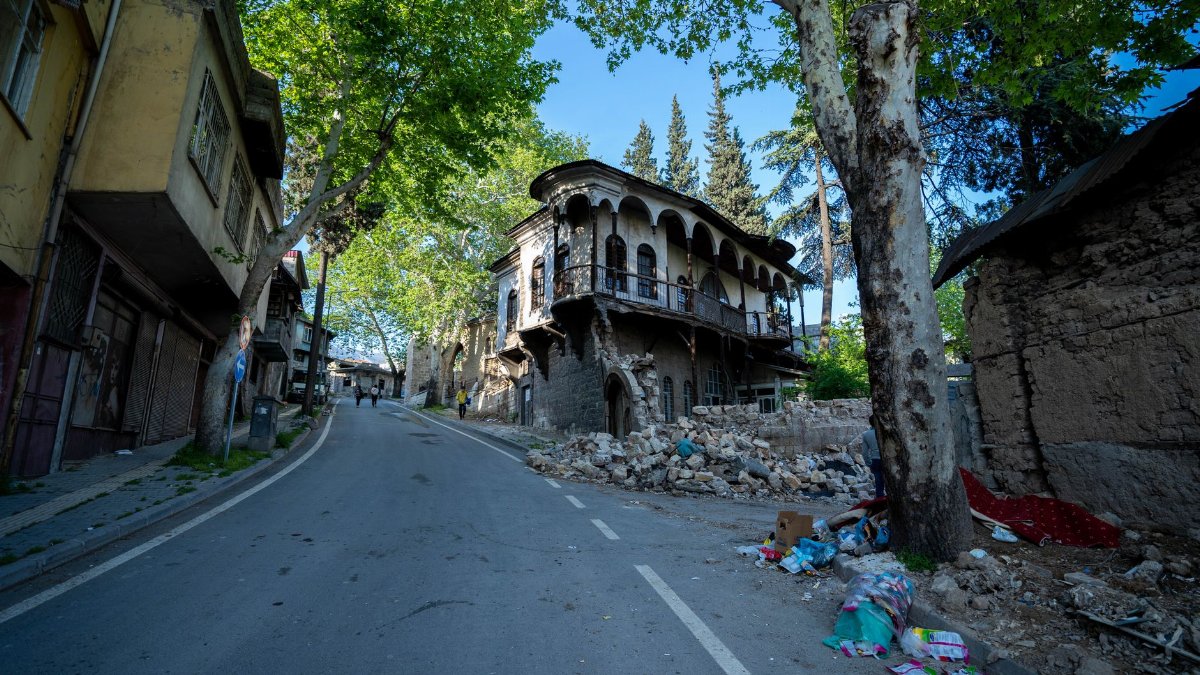
By daylight, a Stanislaus earthquake of this size usually leaves no visible signature. Orchards look the same. School bells ring. The highway fills. The story survives mainly as a sentence people trade at work. Did you feel it near Patterson. That sentence is worth keeping accurate. Magnitude 3.1. Wednesday night. No injuries reported. Epicenter near Patterson. Anything beyond that, including claims of damage or predictions of a larger shock, should wait for evidence.
California will have more earthquakes. Most will resemble this one more than they resemble the disasters in the history books. Living here means learning the difference without growing careless. The ground gave Stanislaus County a brief notice. The useful response is not fear, and not forgetfulness. It is attention, proportion, and the small preparations that make the next notice easier to meet.