
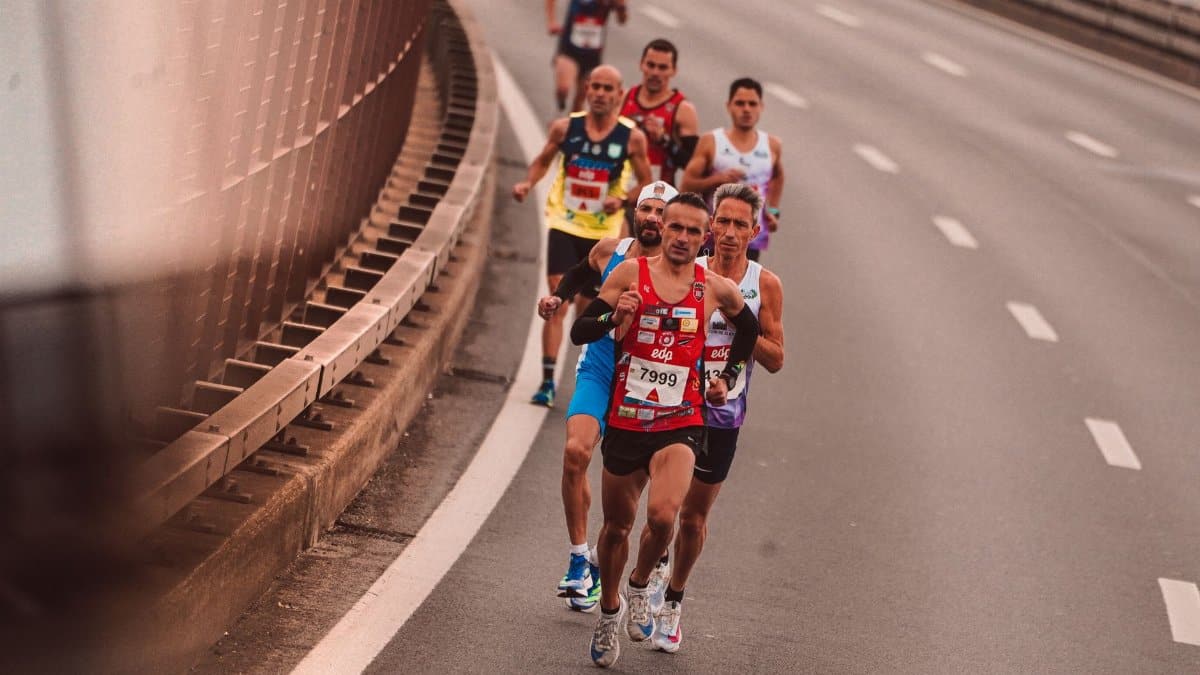
The annual running event known as SF Marathon is set to transform the streets of San Francisco this coming weekend with participants from around the world converging on the city. Extensive preparations have been underway for months to manage the influx of athletes and spectators while minimizing disruptions to residents and businesses. City officials have coordinated closely with transit agencies to adjust schedules and routes in advance. This gathering highlights the vibrant spirit of community participation that defines such large scale athletic occasions in urban centers across the nation.
Extensive Street Restrictions Planned for Event Day
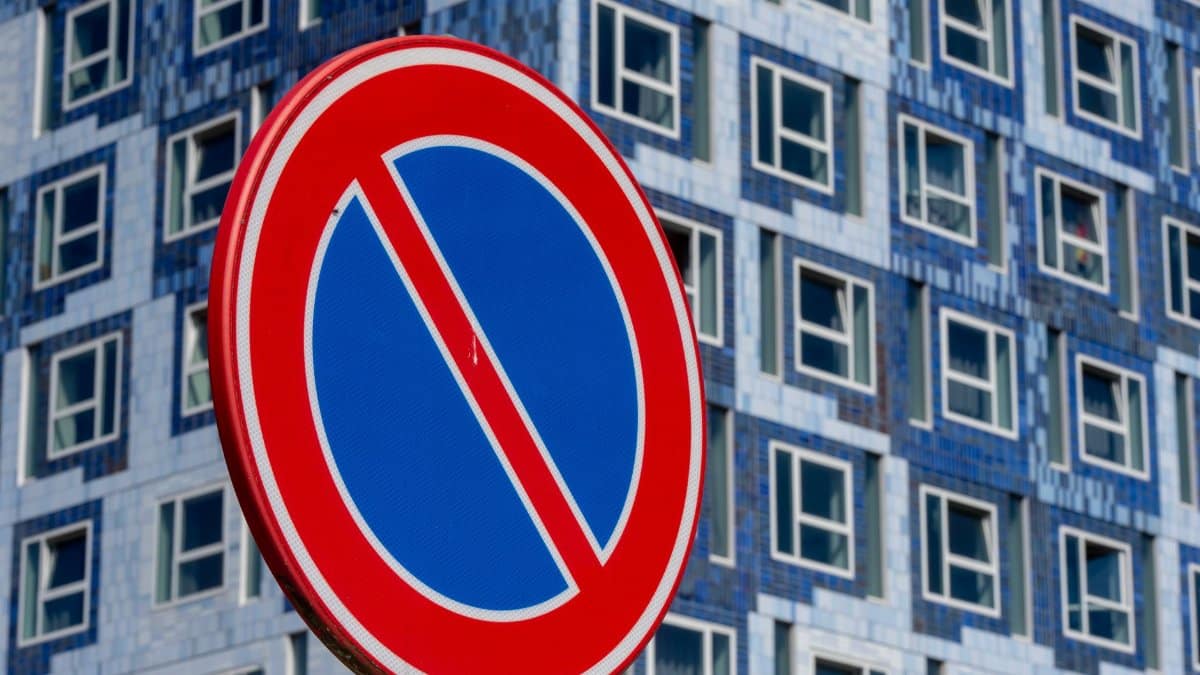
City leaders announced a series of road adjustments that will affect multiple neighborhoods from early morning until late afternoon. Drivers are advised to plan alternative paths well ahead of time to avoid unexpected delays. Public safety teams will be stationed at key intersections to direct traffic and assist those needing guidance. These measures aim to ensure smooth passage for all involved while protecting the safety of runners on the course.
Transit Agencies Adjust Schedules to Accommodate Crowds
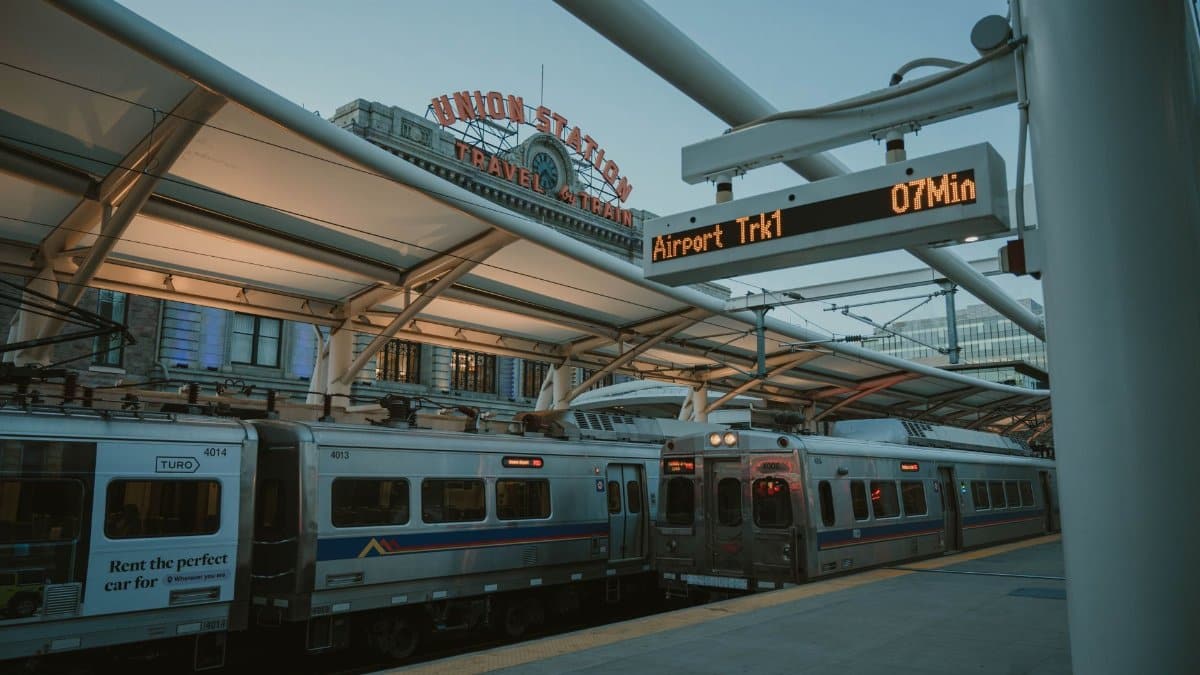
Bus and rail services will operate on modified timetables throughout the day to align with the volume of people moving through the area. Some lines may experience temporary rerouting near popular viewing spots along the waterfront. Officials recommend checking real time updates via official apps before heading out. This coordination reflects ongoing efforts to integrate major public events with reliable transportation options for daily commuters.
Local Businesses Prepare for Influx of Visitors
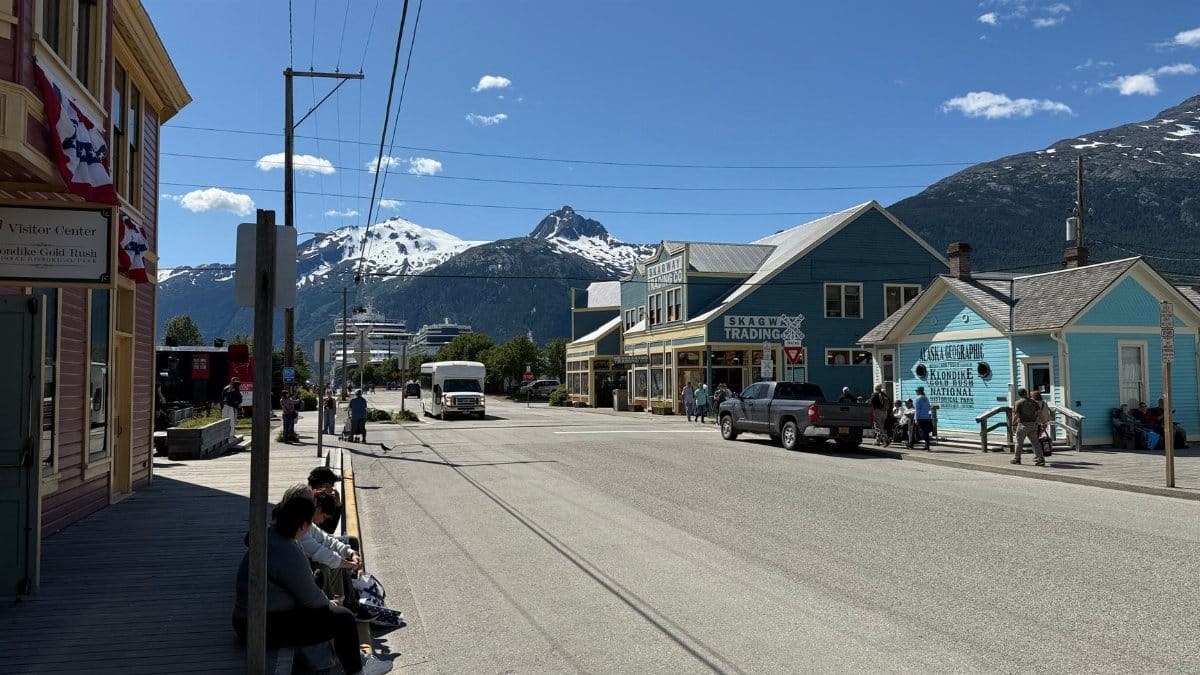
Restaurants and shops near the route have stocked extra supplies in anticipation of increased foot traffic from supporters and participants alike. Many establishments plan extended hours to capture the energy of the occasion. Owners express optimism about the potential boost to sales despite the temporary access changes. Such events often bring economic activity that benefits small enterprises in the vicinity.
Community Volunteers Play Key Role in Support Efforts
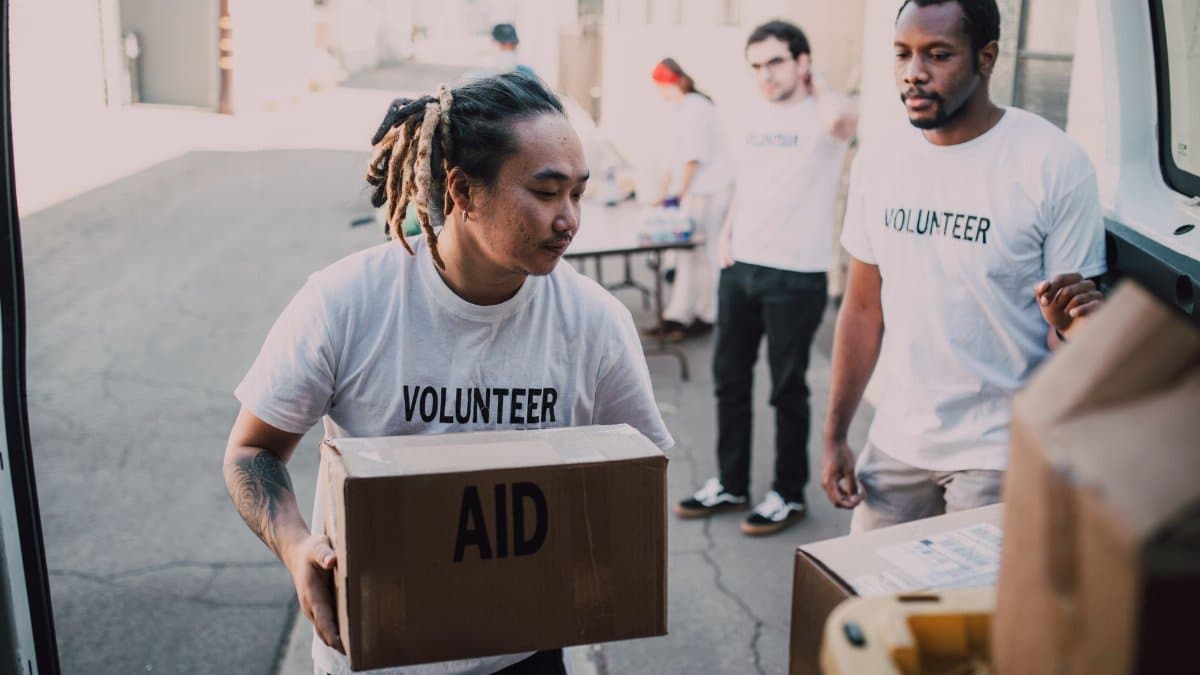
Hundreds of local residents have signed up to assist with water stations and crowd management along various segments of the path. Their contributions help create a welcoming atmosphere for everyone taking part. Training sessions were held in the preceding weeks to prepare these helpers for their responsibilities. This volunteer network underscores the collaborative nature that makes citywide activities successful.
Environmental Considerations Integrated into Planning
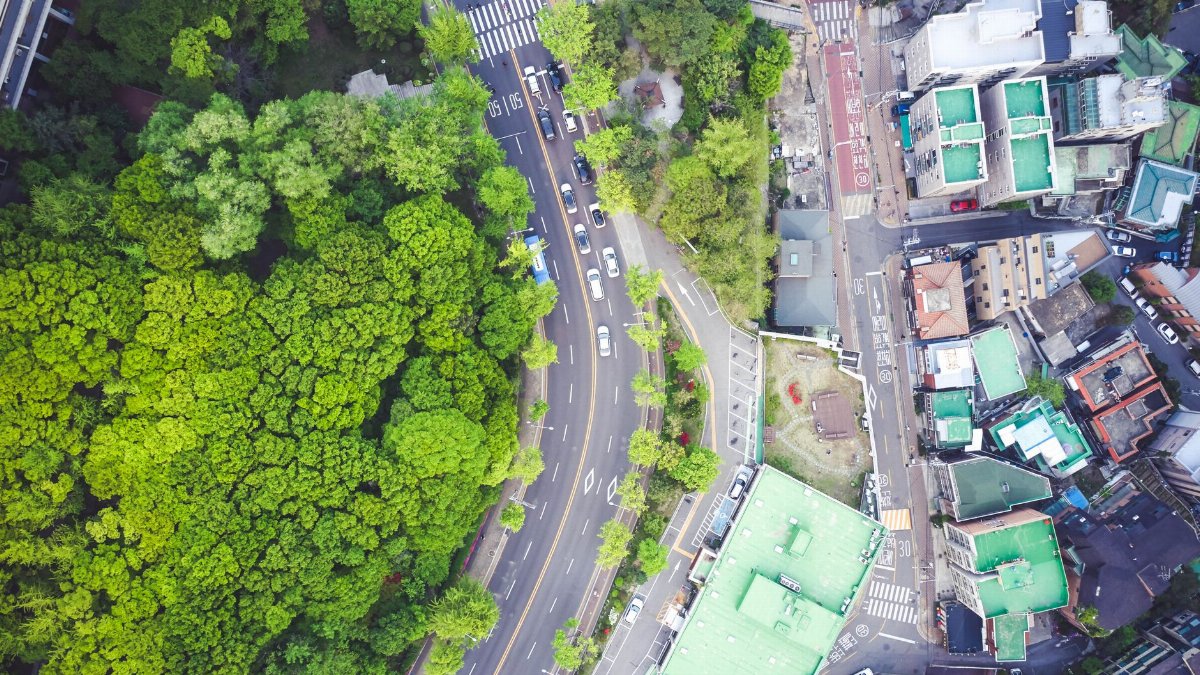
Organizers have implemented measures to reduce waste generated during the event including reusable cups at aid points and recycling stations at finish areas. Partnerships with green groups ensure minimal impact on surrounding parks and streets. Participants are encouraged to use public transit or carpool where feasible. These steps align with broader goals of sustainability in hosting large gatherings.
Historical Context of the Race in San Francisco
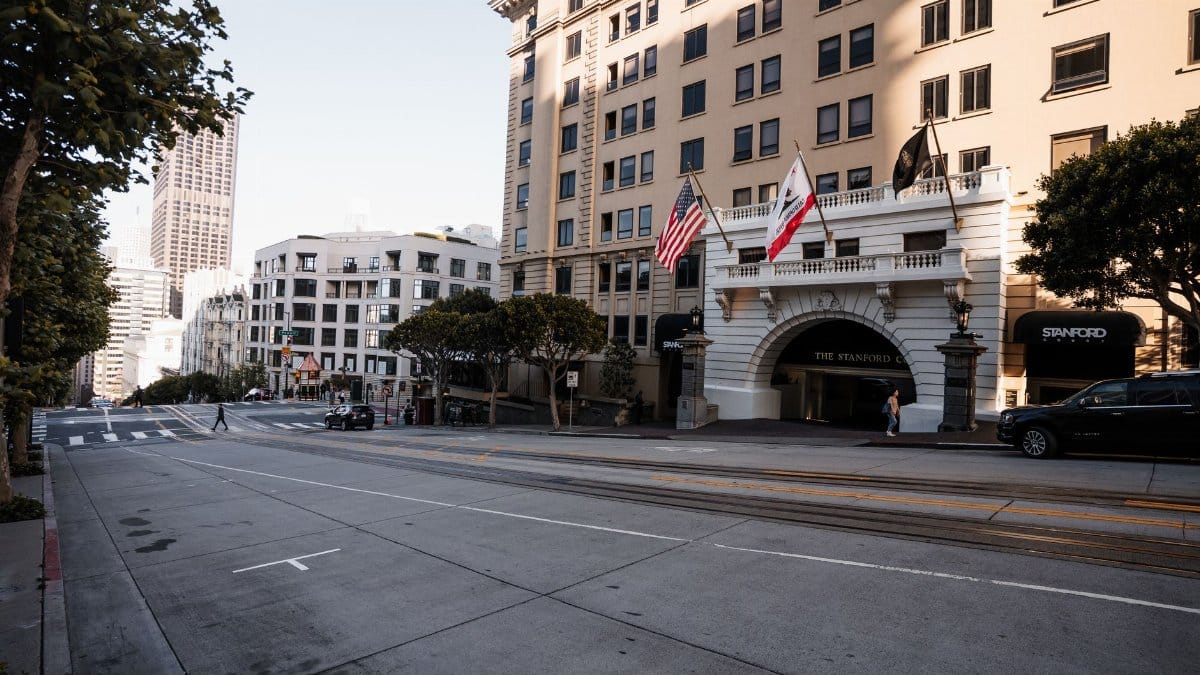
The tradition of this marathon dates back several decades and has grown to attract international attention over time. Past editions featured notable athletes who set records on the challenging terrain. The route showcases iconic landmarks that define the character of the region. Each year brings new stories of personal achievement that resonate with audiences far beyond the city limits.
Preparation Tips for Residents and Commuters
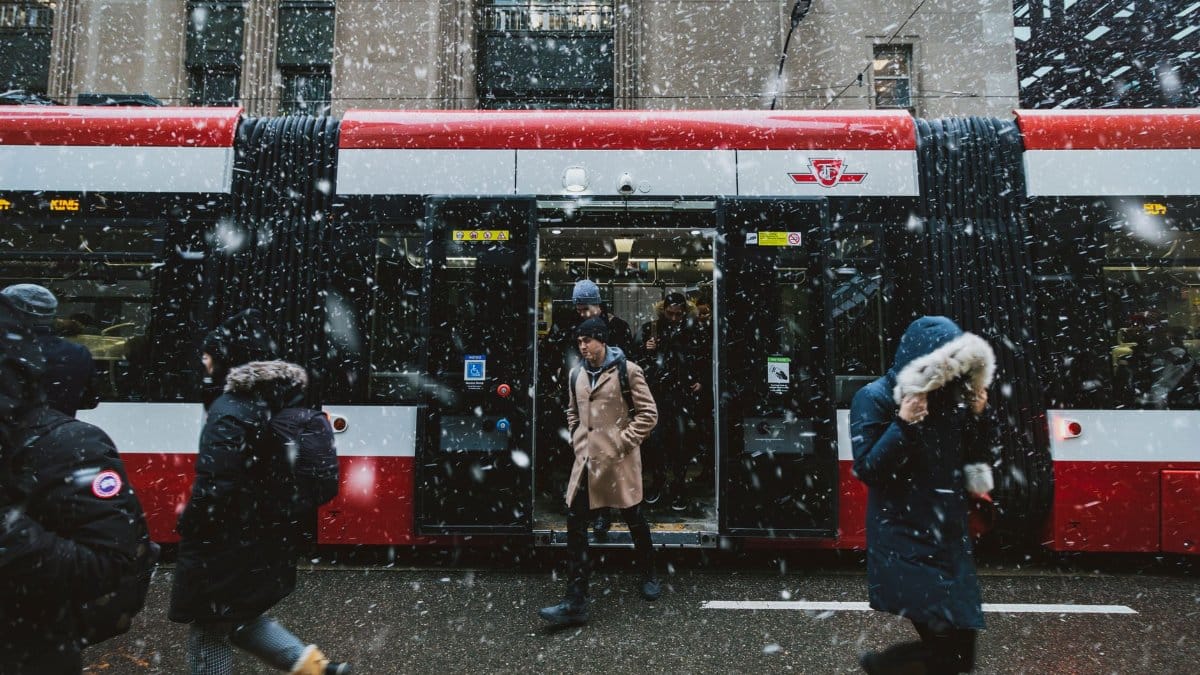
Those living or working in affected zones should review maps of closed areas and identify backup routes in advance. Allowing extra time for travel can help ease potential frustrations. Information hotlines are available for specific questions about access on event day. Proactive planning supports a more positive experience for all.
Future Outlook for Similar Athletic Gatherings
As participation in distance running continues to rise nationwide authorities explore ways to refine logistics for future iterations. Feedback from previous years informs improvements in communication and support services. The goal remains balancing the excitement of the competition with the needs of everyday city life. This ongoing evolution keeps such occasions relevant and accessible.