

In a city hall session marked by careful negotiation and last minute adjustments, supervisors came together to shape a spending plan of historic proportions. This process centered on SF budget approval that balanced ambitious goals with fiscal restraint amid economic pressures.
Examining the Record Spending Levels

The approved plan reaches 16.9 billion dollars in total outlays, marking the biggest allocation in city history. Officials highlighted how this scale allows expanded support for housing, transit and public safety without raising taxes sharply. Discussions revealed a focus on sustaining services that residents rely upon daily while addressing long standing needs in vulnerable communities.
Closing the Large Shortfall

A deficit of 642 million dollars loomed large over talks yet the final document resolved it through targeted cuts and new revenue measures. Leaders described the solution as pragmatic, drawing on reserves and efficiencies rather than broad reductions that could harm essential programs. This approach preserved funding for mental health initiatives and youth services that had faced earlier threats.
Political Dynamics Behind the Vote

Unanimous support from the board signaled rare consensus in a body often divided along ideological lines. Observers noted that compromise played a key role as different factions traded priorities to reach agreement. The outcome reflected a shared desire to project stability to residents and businesses alike during uncertain times.
Restoring Key Social Programs

Several services cut in prior rounds regained funding under the new framework, including shelter beds and job training efforts. Advocates praised the reversal as a win for equity though some expressed concern over whether the gains would prove lasting. The plan also boosts allocations for parks and libraries to improve quality of life across neighborhoods.
Impacts on Local Economy and Jobs

City economists project that the spending will support thousands of positions in construction, education and health care sectors. Contracts for infrastructure upgrades form a major component with an eye toward long term growth. Business groups offered cautious approval while urging ongoing monitoring of costs to avoid future shortfalls.
Public Reactions and Community Input
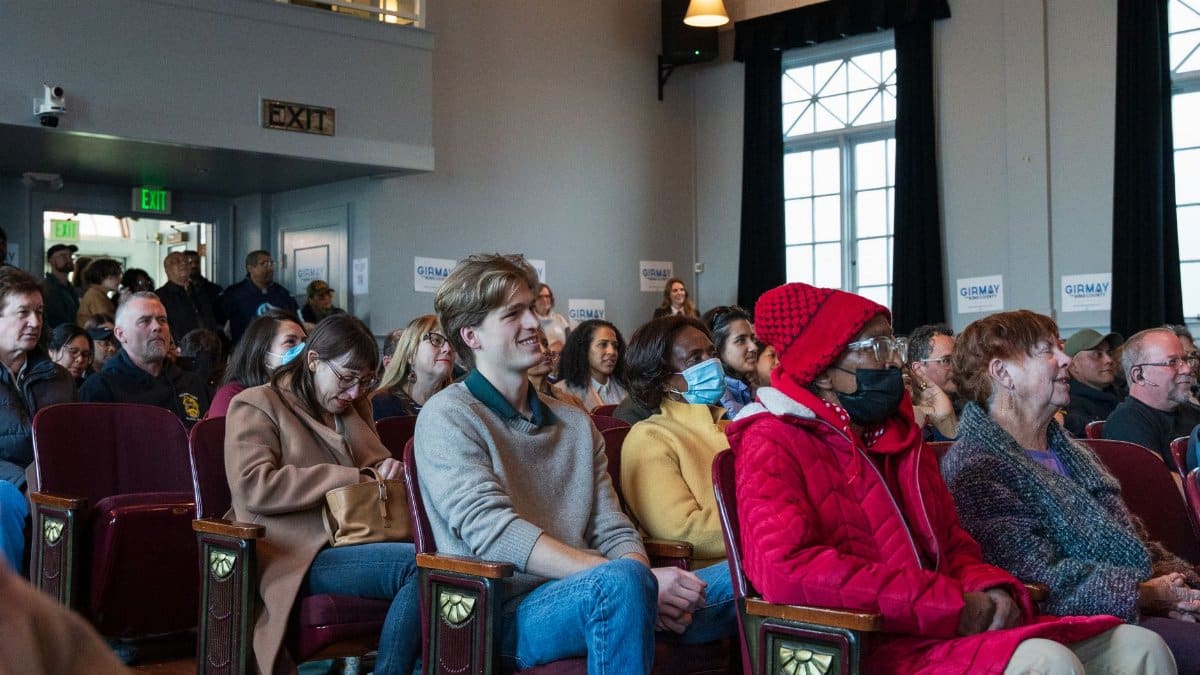
Residents who followed the proceedings voiced relief at avoided deep cuts yet called for greater transparency in future cycles. Town halls earlier in the year shaped several line items, demonstrating how citizen voices can influence outcomes. Media coverage emphasized the collaborative spirit that defined the final stages.
Comparisons to Previous Budget Cycles

Unlike earlier years when deficits led to painful trims, this cycle featured proactive planning that built in flexibility. Past approvals often required midyear revisions but current projections aim to minimize such needs. The evolution shows a maturing approach to fiscal management in a city with complex demands.
Looking Ahead to Implementation Challenges

With approval secured attention now turns to execution and oversight to ensure funds reach intended areas. Regular reports will track progress on deficit reduction and service delivery. Leaders remain aware that external factors like state aid or national economic shifts could require adjustments down the road.