
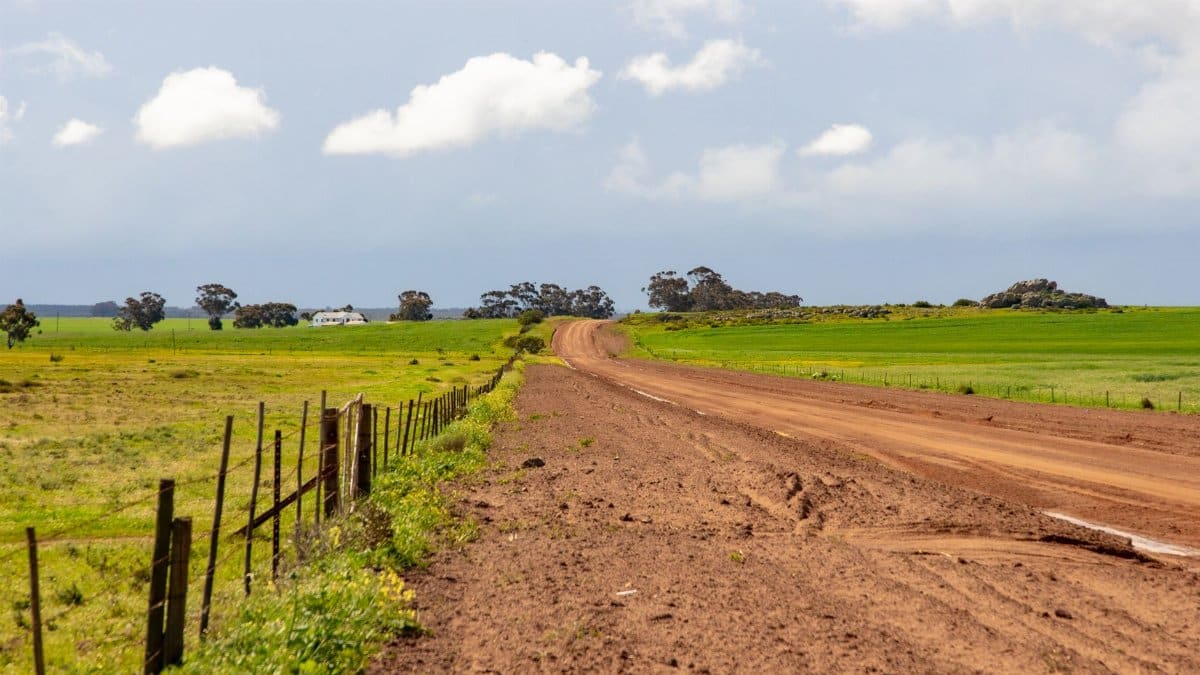
On a wet Tuesday in Clark County, a campaign flyer landed in a mailbox between a feed store receipt and a school calendar. The paper was glossy, the claims were sharp, and the return address was not local. That small scene captures why the Southwest WA legislative race has become a test of how much national money can reshape a place that still thinks of itself as close to home.
A corner of the state that refuses a simple label

The 17th Legislative District sits in Southwest Washington, where subdivisions press against pasture and commute times have rewritten old assumptions about who lives where. Vancouver is close enough to shape wages and culture. Battle Ground, Ridgefield, and smaller communities still set the tone of many conversations. Voters here do not fit a coastal stereotype, and they do not fit a purely rural one either.
That mix is why party strategists watch the district with unusual care. A legislative seat is not a presidential battleground, yet it can reveal whether suburban growth is pulling the region in a new direction or whether longstanding Republican strength still holds. The Southwest WA legislative race is local in its names and national in its attention.
Why the checks started arriving early

Campaign money follows uncertainty. When a district looks competitive, committees do not wait for October. They reserve mail, digital ads, and staff time while filing deadlines are still fresh. In Washington, those dollars are supposed to be visible through the Public Disclosure Commission, which posts contributions and expenditures for candidates and political committees. Voters who want numbers should read those filings rather than trust a slogan on a postcard.
The pattern in this cycle is familiar across the country. Incumbents raise from established donor networks. Challengers try to prove viability quickly so that party committees will treat them as worth the investment. Independent groups, which cannot coordinate with campaigns under state and federal rules, often spend the largest sums on the most aggressive messages. The result is a race that feels bigger than the legislature itself.
Incumbents with records and challengers with a theory

Republican incumbents enter with the advantage of name recognition and a voting record that supporters can defend and opponents can attack. A record is both shield and target. It lets a lawmaker point to specific bills on taxes, public safety, schools, or land use. It also lets a challenger argue that those votes missed the cost of housing, the strain on rural roads, or the distance between Olympia and a kitchen table in Clark County.
Democratic challengers are betting that population change has created a new electorate, one more open to arguments about health care access, school funding, and climate costs that show up as insurance bills and wildfire smoke. Their theory is not abstract. It is a claim about who has moved in, who is staying, and which issues now decide a legislative mail ballot. The Southwest WA legislative race turns on whether that theory matches the people who actually return their ballots.
What the mailbox is really arguing about

Strip away the logos and most of the mail is arguing about three things: the price of living here, the feeling of safety, and the sense that Olympia does not listen. Those themes travel well because they do not require a voter to memorize a committee hearing. They require only a mortgage, a commute, or a memory of a school levy fight.
Public safety messages tend to be blunt, sometimes more blunt than the crime data in a given precinct. Tax messages tend to flatten a complicated state system into a single villain. Education messages often skip the hard tradeoff between what parents want and what a district can staff. None of that makes the concerns fake. It does mean a careful reader should ask which claim is a fact, which is a forecast, and which is a mood.
Housing pressure on the edge of the metro

Growth is not a slogan in this part of Washington. It is a building permit, a longer line at a grocery store, and a rent figure that no longer matches local wages for teachers, nurses, and warehouse workers. Candidates on both sides talk about housing because ignoring it would sound unserious. They diverge on tools: zoning changes, infrastructure funding, incentives for builders, and limits meant to protect farmland and neighborhood character.
Rural residents hear housing talk as a threat to open land. Newer suburban residents hear it as the difference between staying and leaving. A legislator cannot satisfy both impulses with a single bill. The campaign, however, can pretend that the conflict is simpler than it is. That pretense is one reason outside spending feels so loud. Complexity does not fit on a mail piece.
Schools, ballots, and the quiet majority

Washington votes by mail, which changes the rhythm of a legislative contest. There is no single election day crowd. Persuasion happens over weeks, in kitchens and in the pause before a ballot is sealed. Parents talk about class sizes and special education wait lists. Older voters talk about property taxes tied, fairly or not, to school measures they did not design. Teachers talk about pay and about whether the job is still possible.
These conversations rarely make the most expensive ads, which prefer conflict. They matter more than the ads because they describe daily life. A candidate who can speak to them without contempt for either rural tradition or suburban expectation has a better chance than a candidate who imports a national script and hopes the zip codes cooperate.
Outside groups and the local accent
Independent expenditure committees are legal players in Washington politics, and their spending can dwarf what a candidate raises from neighbors. Some of that money comes from labor, business, or partisan organizations with a clear stake in the statehouse. Some comes from donors who will never drive the roads they are trying to influence. The law requires disclosure. It does not require the message to sound like it was written by someone who has stood in a Battle Ground parking lot in January.
Voters notice the accent. A polished attack that misnames a local landmark or treats the whole district as a Seattle suburb can backfire. So can a message that flatters rural identity while ignoring the people who work in the city and sleep in the county. The Southwest WA legislative race is partly a contest over who gets to define the place, and money is the megaphone in that contest.
The split that maps do not fully show

Precinct maps suggest a clean line between Republican countryside and Democratic city edges. Lived politics is messier. A household can hold a small business owner who wants lower taxes and a nurse who wants stronger hospital staffing. A church congregation can include both gun owners and parents worried about school shootings. A new cul de sac can vote differently from the farm road it replaced, and it can also vote the same way once property tax bills arrive.
Journalists and consultants like tidy coalitions. Residents do not owe them that tidiness. The useful question is not which national party a neighbor resembles. It is which specific power a legislator will have over the next two years, and whether that power will be used on issues this district actually feels.
How to read a flood of spending

Big spending is not proof that a race is bought, and it is not proof that democracy is healthy. It is evidence that organized interests think the outcome is close enough to matter. Readers can do three practical things. First, check the Public Disclosure Commission site for who paid for what, and separate candidate spending from independent spending. Second, compare a claim in an ad with a primary source, such as a bill text, a budget document, or a local government report. Third, notice what the expensive ads refuse to discuss, because silence is also a strategy.
None of those steps requires a political science degree. They require time, which is exactly what a short campaign season tries to deny. The cost of ignorance is not abstract. It is a representative who will vote on taxes, schools, land use, and criminal law for people who never heard the quieter half of the argument.
What Olympia hears from this district
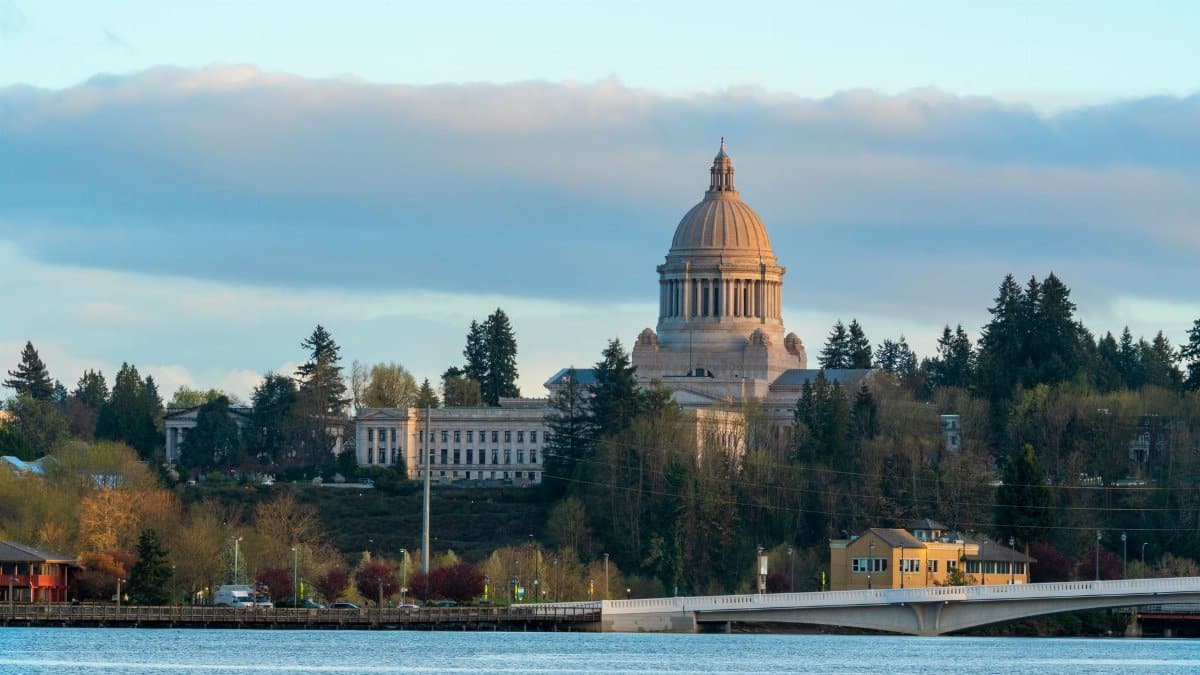
Legislative races rarely set the national agenda, but they stock the committees that write it into statute. A narrow win can produce a cautious lawmaker. A blowout can produce a confident one. Party leaders in Olympia read margins the way businesses read quarterly results: not as moral verdicts, but as signals about where to spend next time.
If Republican incumbents hold, the message to Democrats will be that growth alone does not flip Southwest Washington. If challengers break through, the message to Republicans will be that a rural brand needs a suburban translation. Either result will be argued over for years. The people who live with it will mostly want plows on time, classrooms that function, and a tax bill they can explain to a spouse.
A midterm shadow without a presidential roar

Midterm years amplify legislative fights because there is no presidential race to absorb every dollar and every headline. National moods still leak in. Inflation, border politics, abortion law, and trust in institutions arrive through cable news and group texts even when the ballot lists only statehouse names. Campaigns that pretend those moods do not exist look naive. Campaigns that talk about nothing else look imported.
The healthier version of this contest treats national mood as weather and local record as climate. Weather changes the week. Climate describes the place. Voters are capable of holding both ideas, even when mailers insist they choose one.
The stakes that remain after the ads stop

When the spending ends, the district will still be a borderland between field and subdivision. Schools will still need teachers. Roads will still need maintenance. Housing will still cost more than many paychecks can quietly absorb. The winner will not receive a mandate to ignore half the map, no matter what a victory speech claims.
That is the adult reading of the Southwest WA legislative race. Money can enlarge a message. It cannot invent a community that agrees with itself. The flyers will yellow in recycling bins. The votes will become a tally. The work of representing a complicated corner of Washington will begin the morning after, in hearing rooms that never appear on a campaign postcard, and in the ordinary decisions that decide whether people here feel governed or merely managed.