
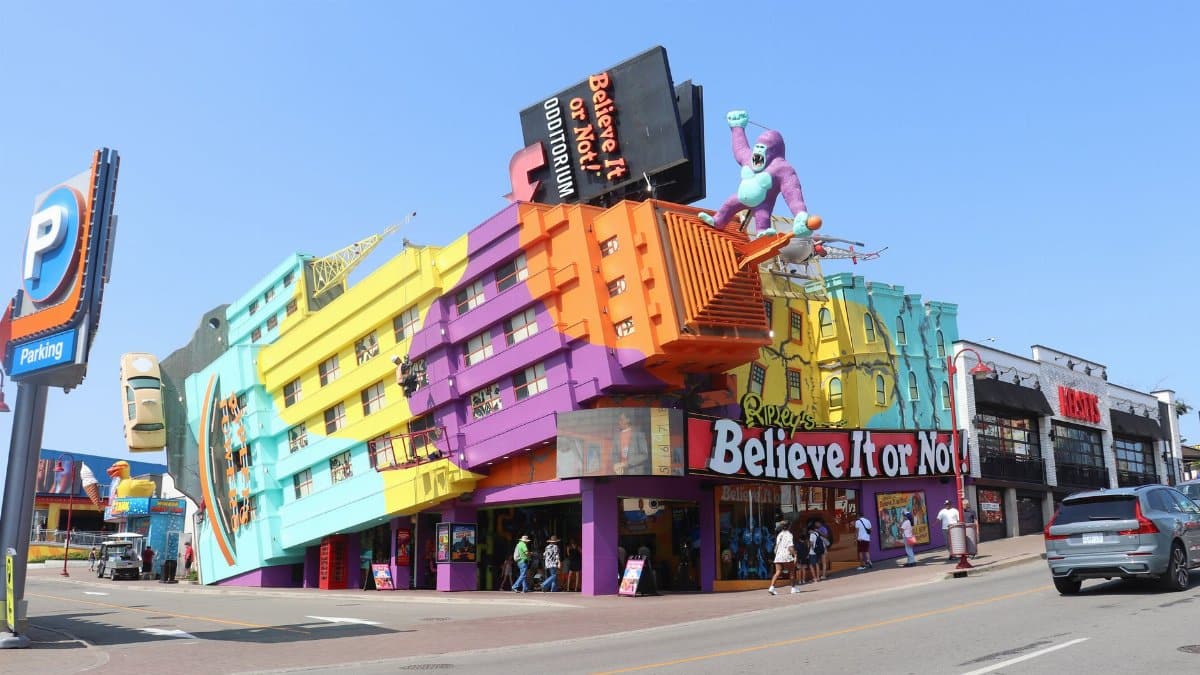
On a bright afternoon along Jefferson Street, the mirrored facade still promises the strange and the improbable, even as a quieter fact settles over the sidewalk. Ripley’s Wharf closing will end a run that has lasted six decades at Fisherman’s Wharf, with the doors expected to shut before the end of 2026 as the city reshapes the waterfront around it. For many visitors the Odditorium was never the sole reason for a trip. It was a dare set between the crab stands and the bay wind. People went in ready to scoff. They came out arguing about shrunken curios, optical tricks, and whether wonder still had a price of admission.
A fixture that outlasted the joke
Ripley’s Believe It or Not began as a newspaper panel and a traveling appetite for the barely credible. The San Francisco room on Jefferson Street turned that appetite into a permanent address, one that school groups, cruise passengers, and skeptical locals could find without a map. Sixty years is a long tenancy for any tourist hall. Fashions in entertainment moved from wax and mirrors toward screens that fit in a pocket. The Odditorium kept selling a slower kind of astonishment: objects you could circle, captions you could dispute, rooms that asked you to linger.
That longevity mattered on a wharf where businesses often arrived with a slogan and left with a lease dispute. The attraction became part of the visual grammar of the neighborhood, as familiar as the signage for chowder and the smell of salt on a cold July day. Visitors did not need to love it to use it as a landmark. Meet me by the mirrors. Meet me after the oddities. The phrase worked because the building had stayed put.
What the rooms actually offered
Inside, the promise was never subtle. Believe it or not. The collection mixed genuine historical oddments with showmanship, and the line between the two was part of the pleasure. A guest could spend an hour testing captions against common sense, then leave with a story that was less about a single artifact than about the argument it provoked. Parents used the place as a bargain with restless children. Couples used it as a rainy day compromise. Out of town relatives used it as proof that they had done the wharf properly.
Critics have long dismissed such halls as kitsch, and some of that judgment is fair. The lighting can be theatrical. The tone can lean hard on exclamation. Yet kitsch, held in one building for generations, becomes a record of what a city once thought visitors wanted. The Odditorium documented a midcentury confidence that curiosity could be packaged, ticketed, and set beside a working waterfront without apology. That confidence has thinned. The building still stands as evidence of it.
A waterfront under pressure to change
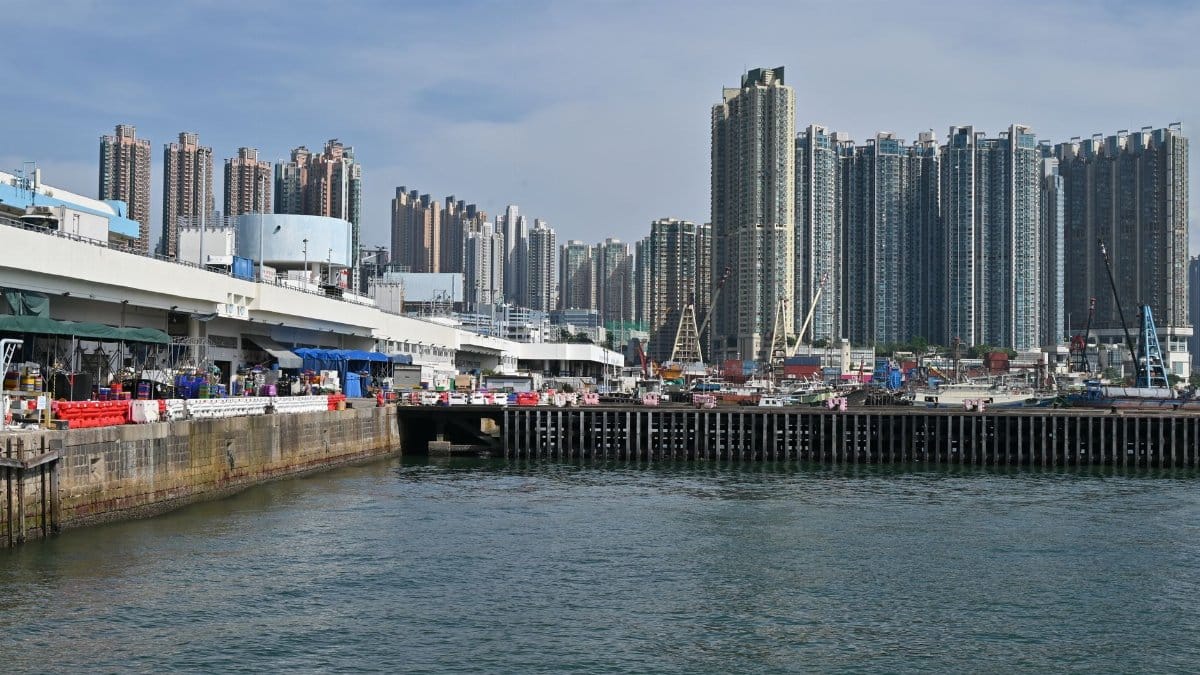
The closing is tied to a larger remaking of the wharf, not to a single bad season. Port land along this edge of the city has been argued over for years: how much parking should remain, how much public space should open to the bay, what kind of hotel or retail might replace aging attractions, and who gets to decide. Redevelopment language tends to favor words like activation and resilience. On the ground those words mean demolition schedules, new frontages, and businesses that cannot simply renew a familiar lease and carry on.
Fisherman’s Wharf has always been a working place wearing a tourist costume. Fishing boats still matter. So do the restaurants that built reputations on Dungeness and sourdough. The tension is old. Residents want a waterfront that feels like a neighborhood. Visitors want a waterfront that feels like a destination. Developers want a waterfront that pays for itself. An Odditorium does not fit neatly into any one of those briefs, which is precisely why its departure feels larger than a single storefront going dark.
Tourism after a long bruising

The pandemic emptied the sidewalks and exposed how dependent many wharf businesses were on a steady flow of strangers. Recovery has been uneven. Some days the crowds return in force, especially when the weather cooperates and cruise traffic is heavy. Other days the street can feel paused, with staff waiting by doors that once needed stanchions. Attractions that rely on impulse ticket sales feel that pause first. A museum of oddities is, by design, an impulse. It asks you to spend money on surprise rather than on a meal you already planned to eat.
Citywide, tourism promoters have tried to shift the story from a checklist of icons toward neighborhoods, food, and events that locals might also attend. That shift has virtues. It can spread spending beyond a few saturated blocks. It can also strand the businesses that were built for the old checklist. Ripley’s Wharf closing sits inside that adjustment. The wharf is not vanishing. Its mix of reasons to stop, pay, and stay is being edited, and editing has casualties.
Workers and the last season

A closing date that stretches toward the end of 2026 creates a strange kind of runway. There is time to tell guests, time to plan a final summer, and time for uncertainty to wear on people whose jobs depend on ticket counts. Seasonal work at the wharf has always been precarious. A known endpoint can be kinder than a sudden lock on the door, but it is not gentle. Staff still have rent. Guides still have to perform enthusiasm in rooms they know are temporary.
Public details on severance, transfers, or new roles are thin, and it would be careless to invent them. What can be said is structural. Attractions of this type employ people who are good at pacing a crowd, calming a frightened child in a dark corridor, and answering the same question about a shrunken display without sounding bored. Those skills do not disappear when a building does. They do lose a specific stage. Anyone who has worked a front desk through a final season knows the particular fatigue of smiling through a countdown.
Belief, wonder, and a secular habit

There is a reason this story brushes against matters of belief, even though no congregation is losing a sanctuary. The name on the door is a dare about truth. For decades, guests practiced a small ritual: suspend doubt, inspect the evidence, restore doubt, laugh, and keep walking. That ritual is not religion. It is adjacent to the human habit of seeking a story larger than the errand that brought you outside. In a city crowded with spiritual offerings, from old missions to new meditation rooms, the Odditorium occupied a comic corner of the same hunger.
When such a place closes, the loss is not doctrine. It is a shared room where strangers agreed, briefly, to be amazed or to refuse amazement together. Ripley’s Wharf closing removes one of the last overt invitations on that stretch of sidewalk to treat wonder as a ticketed public act. Private screens will keep supplying oddities. They will not reproduce the mild social contract of a dim hallway where you and a stranger both stop, read a caption, and decide whether to grant it mercy.
What neighbors may notice first

The immediate change will be visual. A mirrored frontage that caught the marine light will go quiet, then likely come down as plans for the block advance. Foot traffic patterns may shift by a few dozen yards, toward whatever food or view replaces the impulse stop. Merchants nearby will watch whether the loss of one draw reduces casual wandering or simply frees a storefront for something with longer hours and a different clientele. Those effects are local and measurable only after several seasons, not in the week the announcement lands.
Neighbors who never bought a ticket may still feel the absence. A landmark is a form of orientation. It tells you where you are in a district that can blur into a single strip of souvenir light. Without it, the wharf does not become unrecognizable overnight. It becomes slightly harder to narrate. People who gave directions for years will update their sentences. The update is small. Accumulated, such updates are how a city forgets a version of itself.
Memory that does not fit in a photo
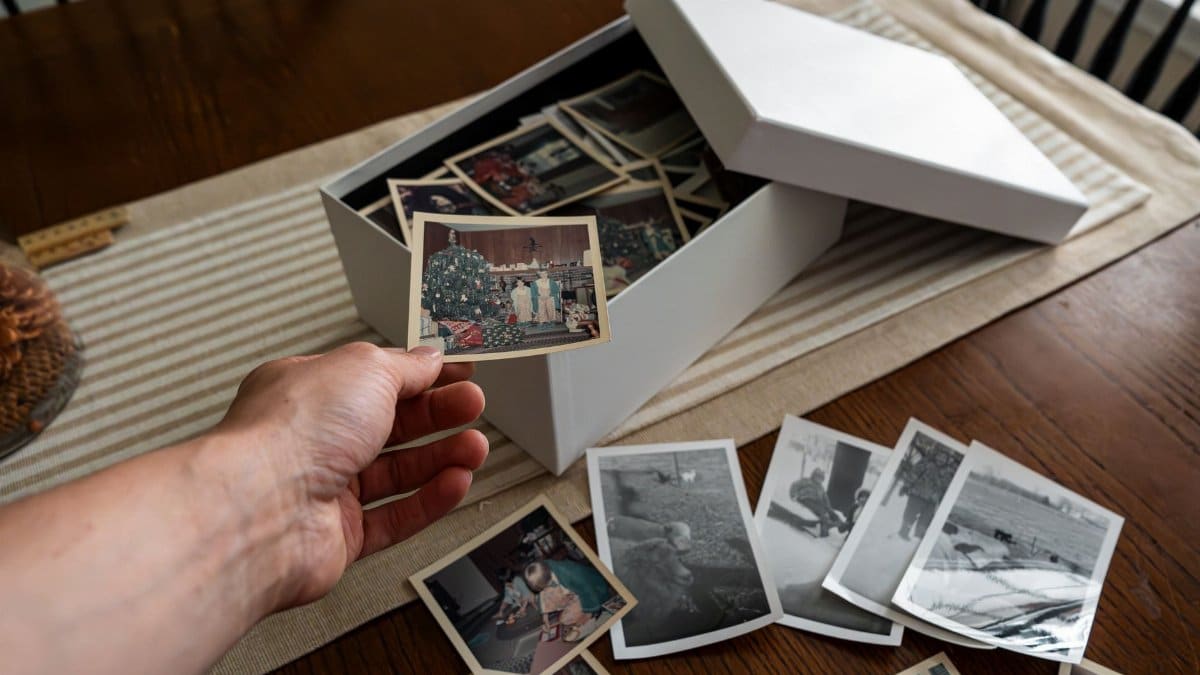
Social feeds will fill, for a while, with last visits. People will photograph the facade, the ticket window, a favorite improbable display. Those images are real, and they are incomplete. The memory that matters more is sensory and ordinary: the temperature drop just inside the entrance, the murmur of a recorded voice, the way a child tests a parent by asking if the story could possibly be true. None of that archives cleanly. It lives in families as a reference point. We did that. We were there. The building made the afternoon strange on purpose.
San Francisco is ruthless about replacing the strange with the optimized. Sometimes the replacement is better: safer piers, clearer public paths, rooms that serve people who live here rather than people who are passing through. Sometimes the replacement is merely smoother, a waterfront that photographs well and asks less of the imagination. Ripley’s Wharf closing forces that distinction into the open. The question is not whether change is allowed. On port land, change is the constant. The question is what kinds of surprise the new edge of the city is willing to host.
An edge the city keeps rewriting
Look back across the last century of this shoreline and the pattern is plain. Industrial uses gave way to recreation. Recreation hardened into a brand. The brand is now being loosened so that housing, hotels, open space, and climate defenses can share the same narrow strip of land. Each rewrite displaces something that had come to feel permanent. The Odditorium’s sixty years felt permanent because a human life can be measured against them. In planning documents, sixty years is a lease cycle.
Before the end of 2026, guests will still be able to walk in and test their willingness to believe. After that, the test moves elsewhere, or it does not. Cities rarely build a replacement for a joke that also functioned as a landmark. They build the next practical thing and trust memory to do the rest. If you have a reason to stand on Jefferson Street while the mirrors are still up, the reason is simple. The wharf is about to tell a different story, and this chapter still has a door.