
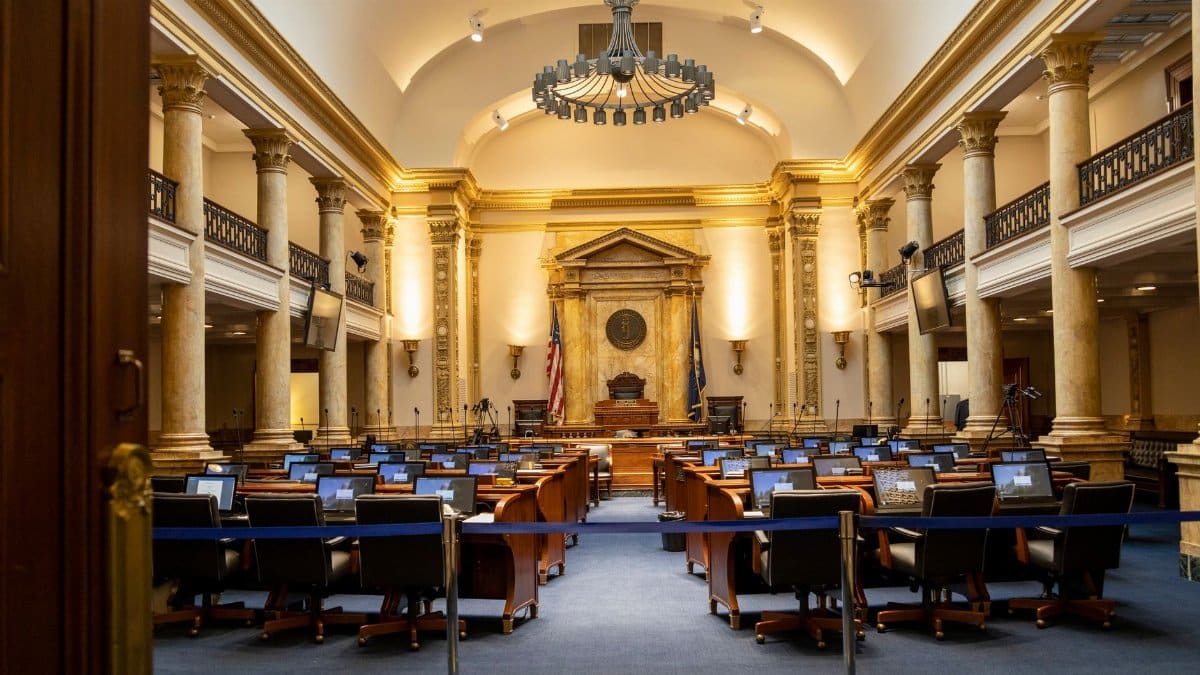
In a quiet auditorium in Dedham, two veteran Democrats traded sharp words over the future of the commonwealth and the country at large. Viewers tuning in saw more than policy contrasts. The Markey Moulton debate revealed personal tensions that have simmered for months and now threaten to shape the Senate primary in unexpected ways. Observers noted the candidates avoided easy consensus on everything from climate policy to economic relief, instead choosing direct confrontation that left little room for ambiguity.
Early exchanges set a combative tone

The opening minutes featured pointed questions about voting records and legislative priorities. Each man pressed the other on consistency, with references to past statements that appeared at odds with current positions. Audience members shifted in their seats as the back and forth grew more intense, signaling that this encounter would differ from earlier forums.
Policy divides surface on economic relief

Discussions turned quickly to wages, housing costs, and support for small businesses still recovering from recent disruptions. One candidate emphasized broad federal programs while the other stressed targeted state level solutions. The contrast underscored differing philosophies on the proper role of government in daily life for middle income families.
Climate ambitions draw contrasting visions

Both participants claimed strong environmental credentials yet diverged on timelines and methods. References to landmark legislation sparked debate over implementation speed and impact on local industries. Listeners heard arguments about balancing urgent emissions cuts against concerns for workers in traditional energy sectors.
Personal remarks draw sharp rebukes

Midway through the event, language turned personal when one candidate described an opponents approach as out of step with modern expectations. The remark prompted an immediate response labeling the comment as inappropriate and dismissive of long service in public office. Observers later described the moment as a turning point that shifted focus from issues to conduct.
Audience reaction reflects wider party tensions

Reactions from those watching in person and online showed a split along generational lines. Older viewers tended to defend institutional experience while younger participants expressed frustration with familiar faces retaining power. This pattern mirrors national conversations about renewal within the Democratic coalition.
Moderators struggle to maintain focus

Efforts by the panel to steer the conversation back to prepared questions met mixed success. Interruptions and follow up challenges kept the format fluid yet sometimes chaotic. The result was a more revealing exchange that exposed raw differences but also risked leaving key topics underexplored.
Implications for the September primary

With ballots approaching, the intensity of this second meeting suggests the race may remain competitive longer than some analysts predicted. Fundraising reports and volunteer recruitment could shift in coming weeks based on how each camp frames the evenings highlights. Local party leaders now weigh how to unify supporters after such visible friction.
Media coverage amplifies key moments

National outlets picked up clips within hours, framing the event as evidence of deeper strains in Massachusetts Democratic politics. Local stations aired extended analysis the following morning, inviting voters to weigh the substance against the style of the confrontation. The coverage has extended the reach of the Markey Moulton debate far beyond the studio audience.
Voter sentiment begins to crystallize

Early polling after the event shows modest movement in preferences, though many respondents said they still need more information. Focus groups conducted in suburban communities revealed concern that personal attacks could overshadow substantive discussion on healthcare access and education funding. Campaigns have already adjusted messaging to address these impressions.
Looking ahead to remaining forums

Two additional debates are scheduled before the primary, offering further opportunities for clarification and rebuttal. Staff members on both sides are reviewing transcripts to prepare sharper responses and avoid repeat missteps. The coming weeks will test whether the candidates can return to policy substance while still distinguishing their records.