

In the heart of northern Minnesota forests near Ely, recent blazes have reminded many of the delicate balance between human activity and wild landscapes. As flames continue to test the limits of local response teams in the Superior National Forest, attention has turned to administrative choices that appear to have slowed vital preparations. One such case involves the Echo Trail fire plan, which a recent report suggests faced unexpected postponements tied to federal efficiency reviews.
Background on Wildfire Challenges in the Region

Wildfires in this part of the country often grow quickly due to dry conditions and dense tree cover. Local officials have worked for years to reduce risks through controlled burns and clearing projects. Yet these steps require coordination across agencies, and any interruption can shift the timeline for safer conditions on the ground.
The Reported Role of DOGE in Project Timing

A review from state sources points to delays linked with a federal push for streamlined operations under the current administration. The process for approving the Echo Trail fire plan encountered extra layers of evaluation, according to the account. This came at a moment when field crews sought faster action to protect trails and nearby settlements.
Community Reactions Near Ely
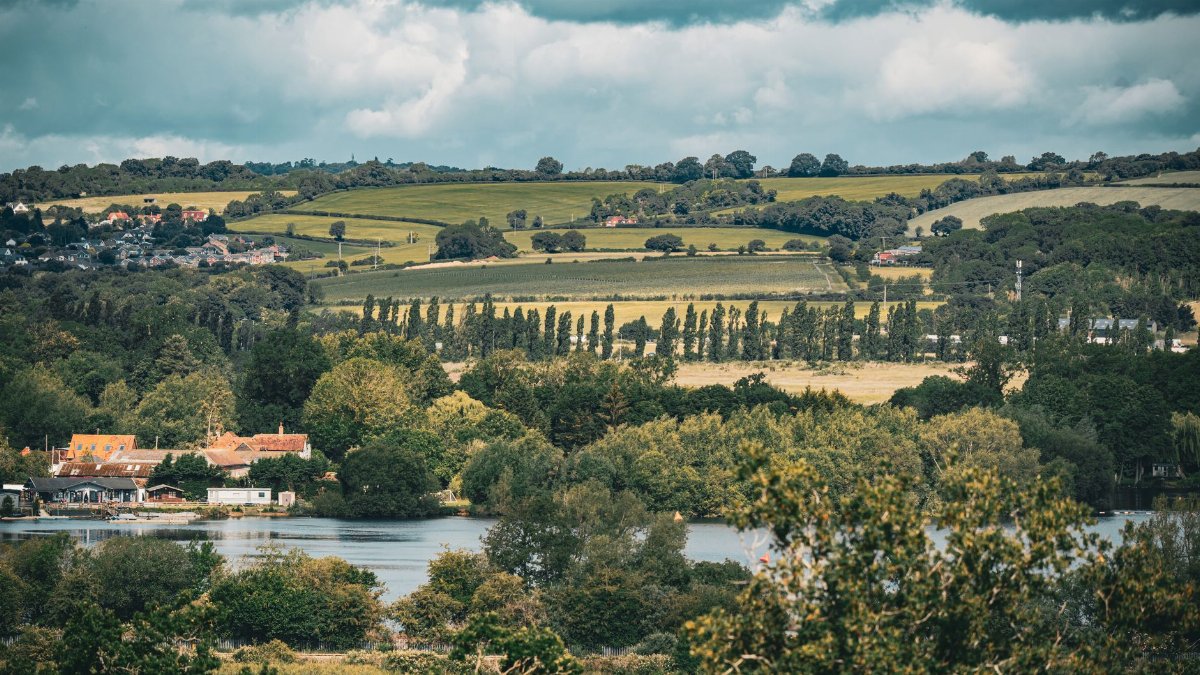
Residents in the area have expressed concern over the pace of prevention work. Many rely on the forest for recreation, work, and a sense of peace that comes from time spent among the trees. Some describe a growing unease as summer approaches and dry spells persist.
Environmental Factors at Play

The Superior National Forest holds a mix of pine, birch, and other species that create both beauty and fuel for fires. Climate patterns have brought longer dry periods in recent seasons, raising the stakes for any lag in management efforts. Observers note that timely intervention can limit the scale of future burns.
Broader Questions on Federal Oversight

Decisions at the national level often shape what happens in remote districts. The report on the Echo Trail fire plan illustrates how efficiency drives can intersect with practical needs on the ground. Critics argue that such reviews should account for seasonal realities in fire prone zones.
Local Forest Management Practices
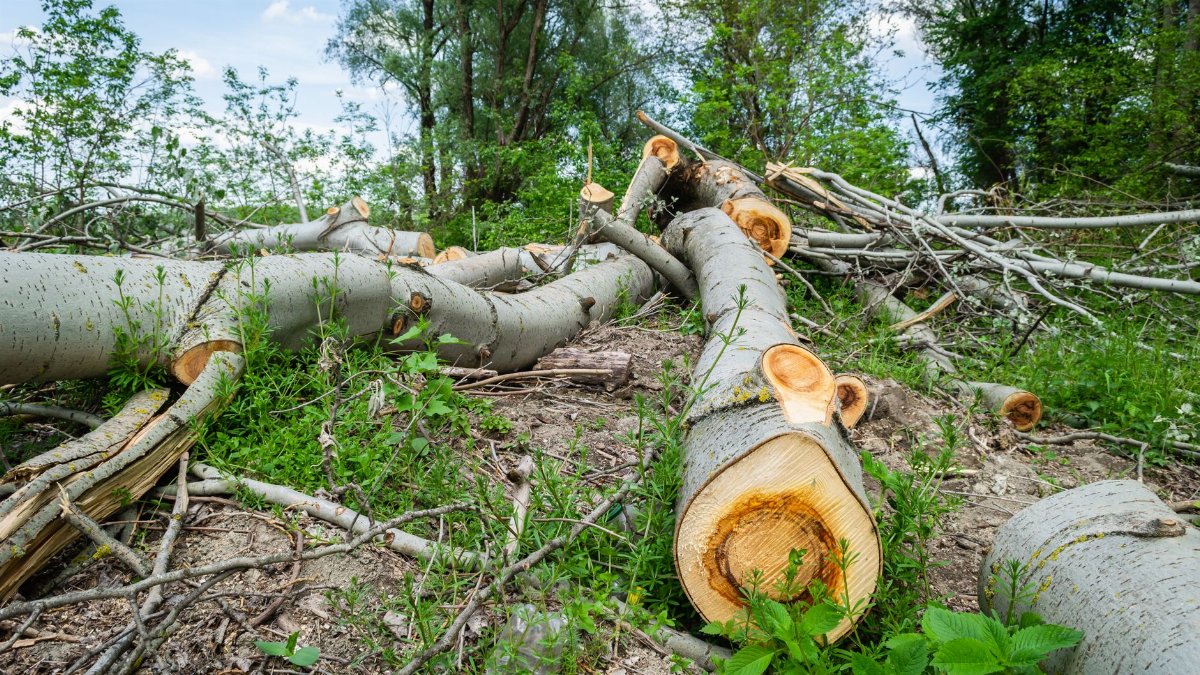
Teams in Minnesota have long used a range of tools to maintain healthy woodlands. These include selective thinning and monitoring of undergrowth. When plans like the one for Echo Trail face holds, it affects the rhythm of these ongoing tasks.
Potential Spiritual Dimensions of Forest Care

Many who visit these woods speak of a quiet renewal found in their depths, a feeling that connects to older traditions of reverence for nature. Delays in protection measures can disrupt that bond, leaving people to wonder how policy choices touch deeper values around stewardship and respect for the land.
Looking Ahead for Similar Projects

Other trails and areas may face comparable reviews in the months to come. Lessons from the Echo Trail fire plan could inform how future proposals balance speed with accountability. Officials continue to weigh options for better coordination between state and federal partners.
Calls for Adjusted Timelines

Advocates in the region push for clearer paths that allow essential work to move forward without unnecessary pauses. They point to the human and ecological costs when prevention lags. Open discussions may help align efficiency goals with the urgent rhythms of the natural world.