
The summer of 1991 brought an unexpected burst of energy to the banks of the Mississippi when the first Lollapalooza tour reached Harriet Island in St. Paul. Crowds gathered under open skies for a day that mixed music with the spirit of an emerging cultural shift. Acts from the alternative scene shared the stage with performers who challenged conventions in ways few expected at the time. The event stood out for its blend of sound and statement leaving an impression that still echoes decades later.
The Tour That Changed Festival Culture
Perry Farrell created the Lollapalooza concept after the success of Jane’s Addiction. He wanted a traveling show that combined different sounds and ideas rather than a standard concert lineup. When the tour arrived in St. Paul it carried that vision forward with a focus on experience over simple performance. Audiences encountered more than music as vendors and displays added layers to the day.
Key Performers Who Shaped the Bill

Jane’s Addiction anchored the main stage while Siouxsie and the Banshees brought a gothic edge. Ice T and Body Count introduced rap and metal fusion that stirred conversation among listeners. Each act represented a corner of the alternative world coming together in one place. The variety kept the crowd engaged from afternoon into evening.
Harriet Island as an Unlikely Backdrop
The riverside park offered a scenic setting away from typical arena venues. Open grass areas allowed space for movement and casual gathering. Local residents joined visitors from across the region making the event feel both intimate and expansive. The location helped frame the day as a community moment rather than a commercial spectacle.
Reactions From Attendees and Observers

Many who attended recall the sense of discovery that came with each set. Some came for one band yet found new favorites through the shared program. Local press noted the peaceful atmosphere despite the volume and energy. The mix of ages and backgrounds reflected a broader curiosity about the music of the period.
The Role of Alternative Sounds in 1991
That year marked a turning point as college radio and independent labels gained wider attention. Lollapalooza St. Paul captured this shift by placing lesser known acts alongside established names. The result introduced many listeners to voices they might otherwise have missed. It served as a snapshot of changing tastes in popular music.
Local Impact on St. Paul Music Venues
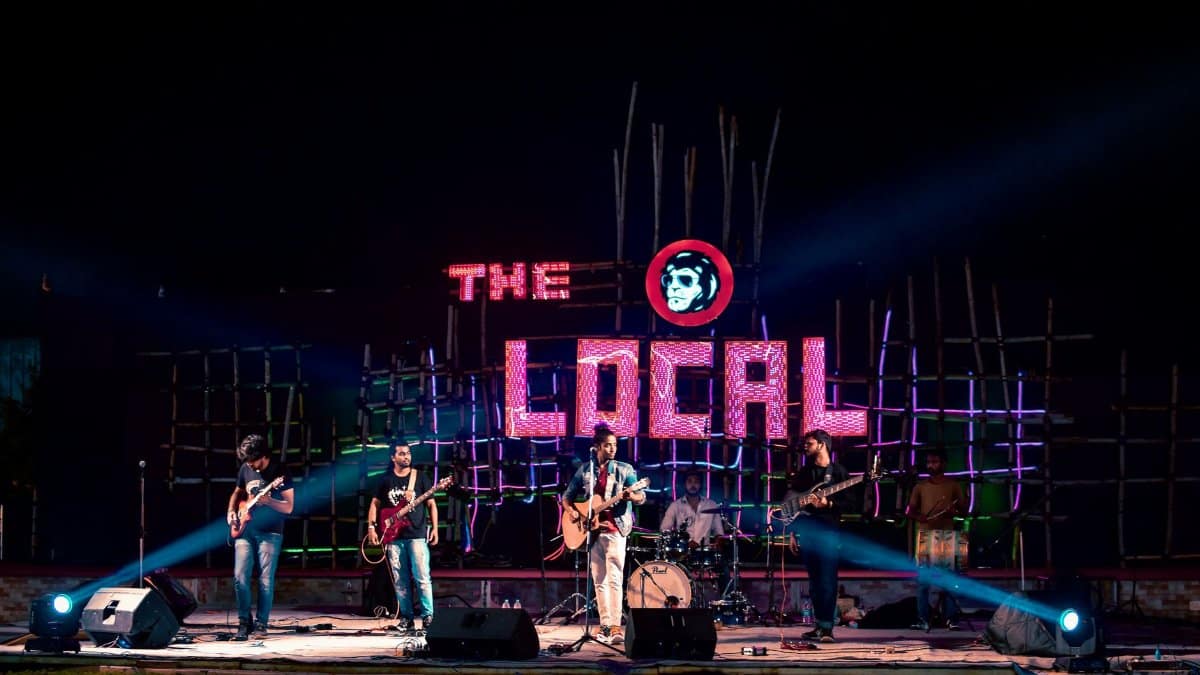
After the event smaller clubs in the area reported increased interest in similar styles. Bookers began to seek out touring acts that blended genres in comparable ways. The one day visit left a lasting trace on how promoters approached live shows in the city. Community spaces adapted to meet the new demand.
Cultural Conversations Sparked by the Lineup
Performances by Body Count prompted discussions about expression and boundaries in art. Listeners weighed the value of provocative lyrics against traditional expectations. These exchanges extended beyond the island into homes and workplaces. The tour used music as a starting point for wider reflection.
Weather and Logistics of the Outdoor Day

Clear skies helped the schedule run smoothly from early afternoon. Organizers managed crowds through simple fencing and clear pathways. Food options stayed basic yet sufficient for the long hours outdoors. The practical details contributed to an overall feeling of accessibility.
Legacy Thirty Five Years Later
Today the 1991 stop remains a reference point for those who trace the history of festival tours. Lollapalooza St. Paul highlighted a moment when alternative music moved closer to the mainstream. Later editions of the festival carried forward elements first tested on that tour. The memory endures among fans who value that original spirit.
Connections to Broader Trends in Live Events
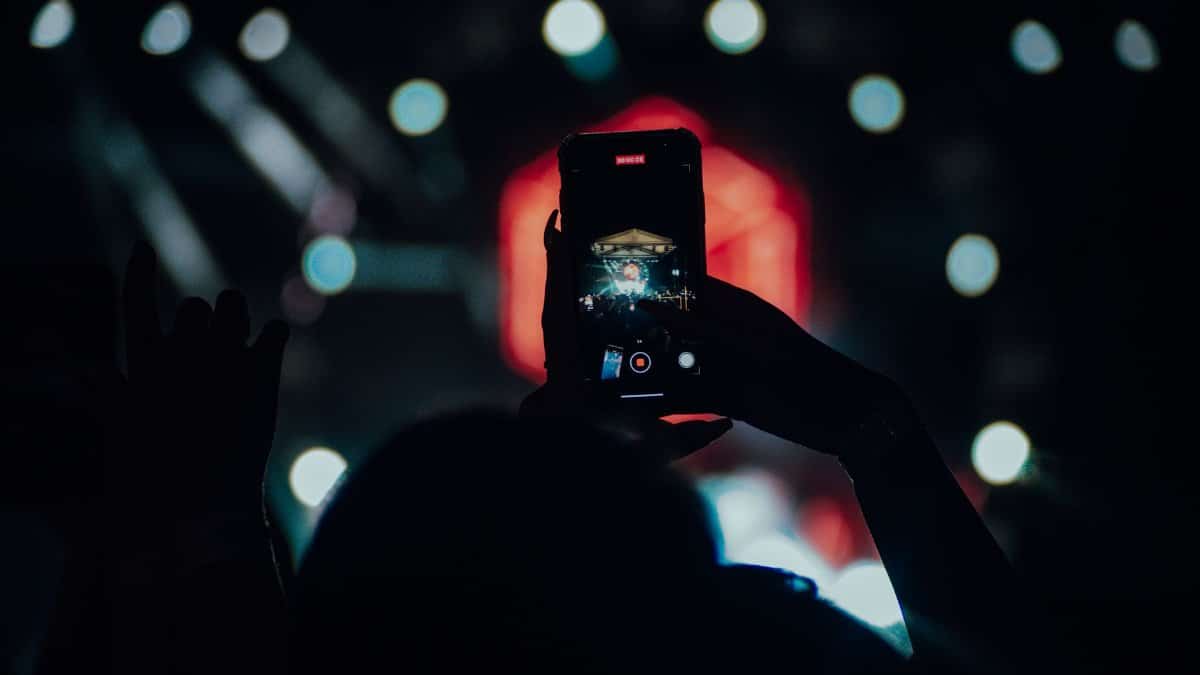
Festivals since then have adopted the multi act format with added attractions. The St. Paul example showed how a single location could host a full day of discovery. Promoters learned to balance commercial needs with artistic risks. This balance continues to influence event planning across the country.