

In the heated contest for Los Angeles leadership a peculiar survey surfaced claiming fresh insights into voter preferences. It suggested one candidate held a surprising edge yet this turned out to be the Fake LA mayor poll Rahil Prakash which a young man had fabricated from his apartment. The episode has stirred conversations about polling reliability in city races and how readily misleading numbers can shape public views on candidates like Karen Bass and her rivals.
Origins of the Misleading Survey
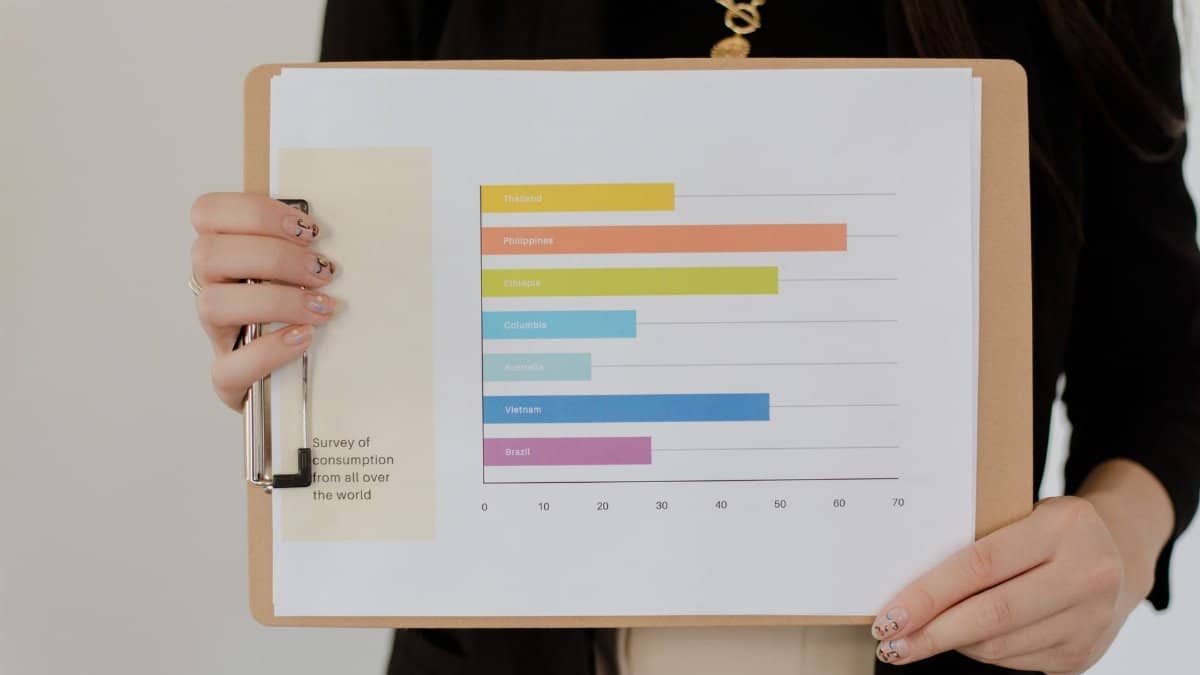
The survey appeared online in recent weeks and carried the branding of a firm called Median Strategies. It circulated among political observers and media outlets before questions arose about its legitimacy. Investigators traced the document to a recent college graduate living in the region who had no connection to any established polling organization.
Profile of the Individual Behind It
Rahil Prakash the twenty one year old responsible graduated from a local university last year with a degree in data analysis. Friends described him as someone fascinated by election mechanics and digital tools. He reportedly created the document as an experiment that soon escaped his control and spread widely.
How the Document Was Constructed

Prakash assembled the poll using free online templates and publicly available voter data from past city elections. He selected sample sizes and margins that mimicked professional work but lacked any actual fieldwork or respondent interviews. The result looked convincing at first glance to those scanning it quickly.
Spread Through Digital Channels
Once posted the survey traveled rapidly across social platforms and into group chats among political staffers. Some users shared it without verification while others questioned its source immediately. This pattern shows how unvetted material can gain traction before fact checks catch up.
Responses From the Candidates Involved
Representatives for the mayoral contenders expressed frustration over the episode. One campaign noted that false data complicates efforts to understand genuine voter sentiment. Another called for greater scrutiny of any poll lacking clear methodology and sponsorship details.
Effects on Broader Public Confidence

Incidents like this one erode trust in surveys that aim to inform citizens about local races. Middle aged readers who follow city politics may now approach similar releases with added caution. The episode underscores the need for transparent sourcing in all election related research.
Legal and Ethical Considerations

Authorities have not announced formal charges yet experts say the creation of such material could fall under consumer protection rules if it misleads the public. Ethical questions also arise about the responsibilities of individuals who possess technical skills to generate realistic looking documents.
Steps Toward Stronger Verification Practices
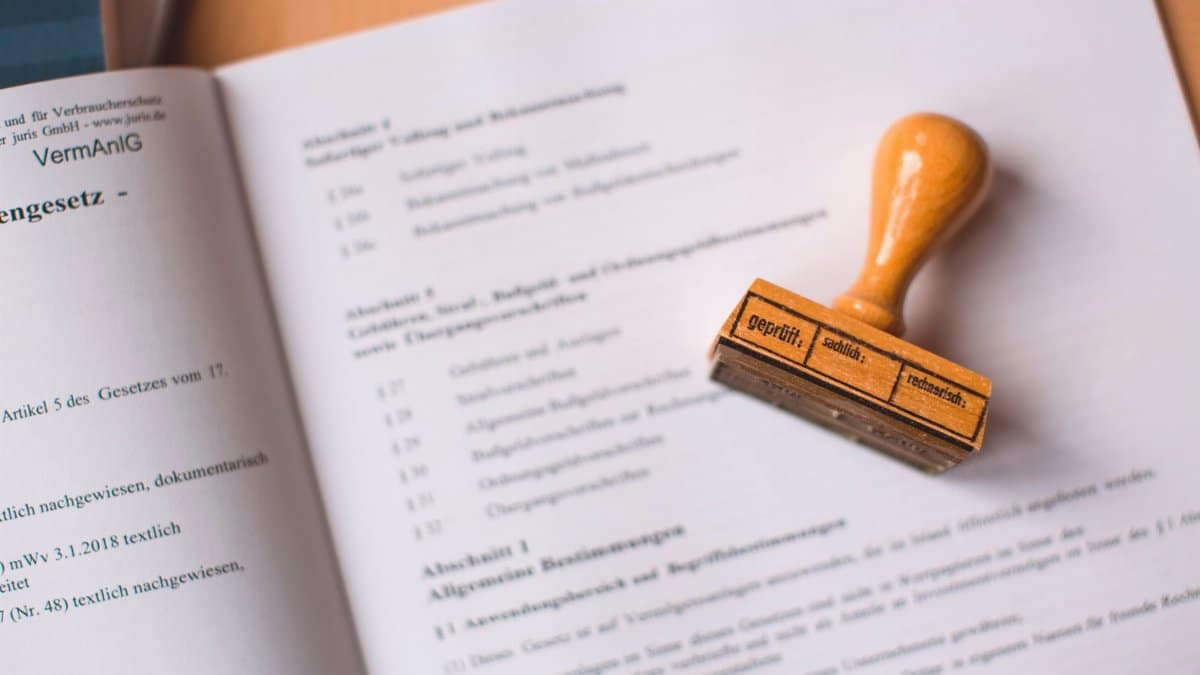
Newsrooms and civic groups are discussing new protocols for reviewing polling releases before amplification. These include demands for raw data samples and sponsor identification. Such measures could reduce the influence of future fabrications in municipal contests across the country.
Reflections on Technology and Civic Life
Digital tools now allow almost anyone to produce material that resembles expert analysis. This reality places greater responsibility on consumers of information to pause and examine origins. The case of the Fake LA mayor poll Rahil Prakash serves as a reminder that appearances can deceive in the fast moving world of local elections.