
In Michigan politics the sudden withdrawal of a leading figure has opened new pathways for those seeking the state’s highest office. The Michigan Governor Race Candidates After Duggan 2026 now features eight individuals who must navigate a compressed timeline toward the August primary. Observers note that this development has altered fundraising patterns and forced campaigns to recalibrate their outreach across urban and rural counties alike. The remaining contenders bring varied records in local government, state legislature service and private enterprise. Their platforms touch on economic growth, infrastructure repair and education funding, each shaped by the unique pressures facing the Great Lakes region.
Background Leading to the Withdrawal
The exit of Mike Duggan shifted attention to a smaller group of aspirants who had already begun building organizations in key population centers. Campaign teams that once prepared for a crowded primary now focus on consolidating support among donors who had held back commitments. Local party officials describe the change as both an opportunity and a challenge, since voters must quickly become familiar with lesser known names.
Profiles of the Eight Remaining Contenders
Among the Democrats, two former state legislators emphasize their experience passing bipartisan measures on public safety. On the Republican side, a pair of county executives highlight balanced budgets and business recruitment successes in their jurisdictions. The remaining candidates include an independent voice with roots in labor unions and a former federal prosecutor who stresses ethics reform. Each has released initial policy papers that differentiate their approaches to taxation and workforce development.
Democratic Party Organizational Response
State Democratic leaders have scheduled a series of forums to introduce the field to activists in Oakland, Wayne and Kent counties. These gatherings aim to identify which candidates can expand turnout among younger voters and suburban moderates. Internal polling shared with party committees suggests that name recognition remains fluid this early in the cycle.
Republican Party Positioning and Strategy
Republican committees have focused resources on the three candidates viewed as strongest in western and northern Michigan. Training sessions for volunteers stress door to door canvassing techniques tailored to areas where turnout lagged in recent cycles. Party strategists also monitor independent expenditure groups that may enter the race once fundraising totals become public.
Core Policy Issues Emerging in the Contest
Transportation funding occupies a central place in candidate remarks, given the condition of roads connecting manufacturing hubs to ports. Housing affordability draws equal attention, particularly in college towns where demand has outpaced supply. Discussions of energy policy reflect the states longstanding mix of automotive heritage and growing interest in renewable projects.
Voter Sentiment in Urban and Rural Areas
Residents in metropolitan Detroit express concern over property tax burdens and public transit expansion. In contrast, respondents in the Upper Peninsula prioritize broadband access and health care facility retention. These regional differences require candidates to craft messages that resonate without alienating either base.
Timeline and Rules for the August Primary

Election officials have confirmed that filing deadlines remain unchanged despite the altered field. Signature requirements for ballot access stand at the levels set by statute, prompting several campaigns to accelerate petition drives. Early voting sites will operate under the same guidelines used in prior statewide contests.
Fundraising Trends After the Field Narrows
Reports filed with the state show a redistribution of contributions previously directed toward the withdrawn candidate. Several of the remaining contenders have reported increased small dollar donations from online platforms. Larger checks from traditional business and union sources continue to arrive, though at a measured pace until platforms clarify.
Media Coverage Patterns and Public Awareness
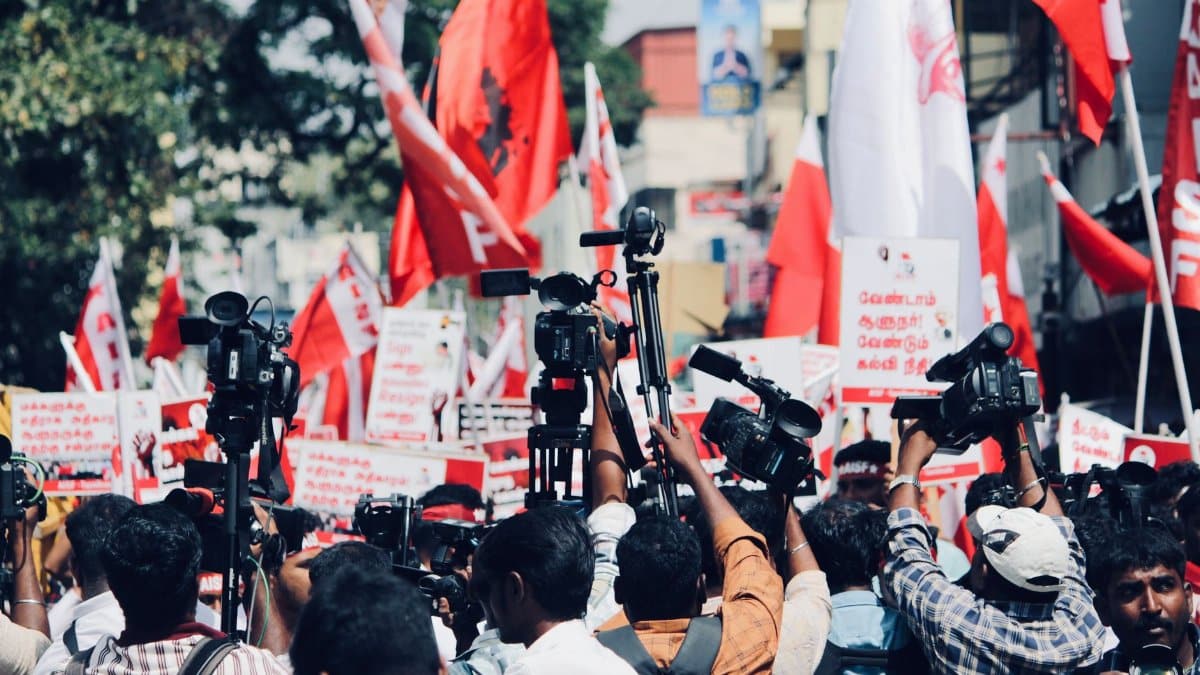
Local news outlets have increased airtime for candidate interviews, focusing on biographical details rather than attack lines. Statewide publications have begun side by side comparisons of experience and endorsements. Social media engagement metrics indicate steady but not yet intense interest among users under age thirty five.
Outlook for the General Election Cycle
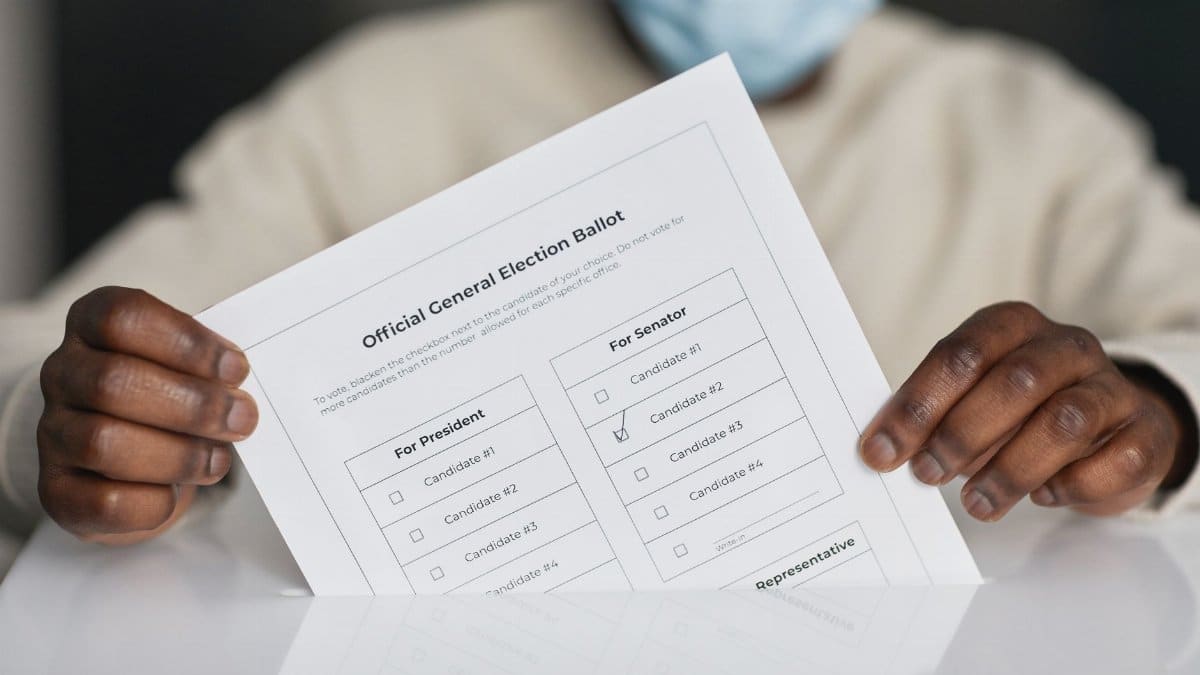
Political analysts anticipate that the eventual nominees will face a general election shaped by national economic indicators and state level budget debates. The compressed primary window leaves limited time for recovery from early missteps. Observers expect the eventual winner to demonstrate strength both in traditional battlegrounds and in newly competitive suburbs.