
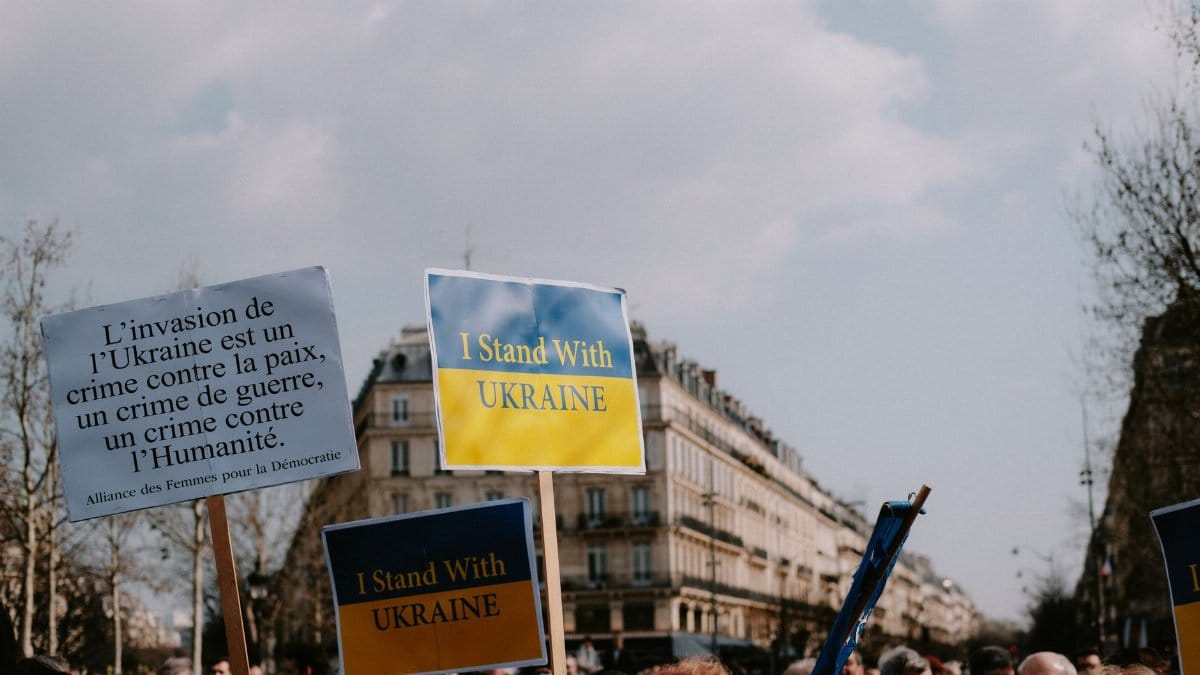
On a cool October afternoon, columns of marchers moved through French cities with handwritten signs about rent, groceries, and transit fares. The France cost protests drew students who had already blocked lecture halls into the same avenues as nurses, rail workers, and parents pushing strollers. Organizers and police offered different counts, yet news reports described a nationwide turnout approaching 200,000 people on October 17, 2026. The mood was angry without being theatrical. People spoke less about ideology than about the arithmetic of a month that no longer closes.
How a student blockade became a national day

The day did not begin as a single planned spectacle. For weeks, students had occupied entrances at several universities, arguing that tuition, housing deposits, and cafeteria prices had climbed faster than grants and part time wages. Those campus actions were local and uneven. What changed on October 17 was the decision by unions and neighborhood groups to treat student complaints as one piece of a wider bill. Marches formed in Paris, Lyon, Marseille, Toulouse, Lille, and smaller towns where a closed prefecture still counts as a public stage.
In several cities the student contingents walked near the front, not because they controlled the route but because their grievances were easy to read from the sidewalk. A lecture hall that will not open is a visible failure. A grocery receipt is private until someone holds it up. Together they made a simple claim: the cost of staying in school and the cost of staying housed now collide in the same household.
What people said they could no longer stretch

Interviews along the routes returned to the same short list. Rent in university cities. Electricity bills that jump after a mild autumn. Bread, oil, and produce that no longer match last year’s weekly budget. Train tickets for students who live with parents an hour away because a room near campus is out of reach. Child care that consumes a morning shift before the first wage is earned.
None of this is new as a complaint. What felt new to many marchers was the loss of a margin. Families who once absorbed a price rise by skipping a restaurant or delaying a coat said the slack is gone. Retirees on fixed incomes walked beside apprentices. A nurse in Marseille described choosing between a dental visit and a winter coat for a teenager. A student in Lille said a studio lease now requires a guarantor with savings that her parents, both in retail, do not have. These are not abstractions. They are line items.
Two generations, one avenue

French protest culture often sorts people by banner and union jacket. On this day the sorting was weaker. Parents who had marched over pensions in earlier years stood with children who had never joined a national strike. The shared language was not a party platform. It was the monthly spreadsheet.
That overlap matters. Student movements can look narrow to workers who already left campus decades ago. Cost movements can look diffuse to students who want a culprit and a deadline. The France cost protests gained force where those instincts met. A blocked exam and a delayed bus are different inconveniences. Both signal that public life is being priced in ways people did not vote on line by line.
There were tensions. Some union stewards wanted a disciplined route and a short list of demands. Some student groups wanted occupations to continue past the march. In at least a few cities, those arguments happened in public, with megaphones and tired patience. The crowd did not split. It absorbed the argument and kept walking.
The government’s narrow room
Officials in Paris framed the day as a legitimate expression of worry and, in the same breath, warned against blockades that stop other people from working or studying. That double message is familiar. It rarely satisfies either side. Ministers pointed to wage talks, energy supports, and targeted aid for students. Marchers answered that targeted aid arrives late, excludes people just above the cutoff, and does not touch rent.
The budget debate sitting behind the marches is technical and political at once. France carries high public expectations for health care, transit, and universities, and it carries a debt conversation that every government now treats as a constraint. Cutting support fuels the street. Expanding support fuels critics who say the state cannot keep writing checks. The France cost protests do not resolve that bind. They make it harder to pretend the bind is only a matter for economists.
Police presence was heavy in the capital and lighter in provincial cities, according to local accounts. Most marches ended without major clashes. A few scuffles and some property damage were reported, as they often are when a large crowd meets a closed street. Those incidents will dominate some headlines. They were not the center of the day.
Unions, parties, and a crowd that would not sit still

Labor federations supplied sound systems, legal observers, and the habit of counting heads. Left parties tried to attach the marches to coming votes. Neither fully owned the turnout. A noticeable share of participants carried no union card and no party flag. They came from parent associations, tenant groups, and campus collectives that formed on messaging apps over the previous month.
That looseness is a strength and a limit. A crowd without a single negotiator can still change the weather of a news cycle. It struggles to convert a Saturday of anger into a clause in a finance bill. Organizers said follow up assemblies would meet within days. Whether those rooms can agree on three demands, rather than thirty, will decide if October 17 becomes a pivot or a photograph.
Prices, pay, and a wider European unease

France is not alone in this season of complaint. Households across Europe have spent several years recalculating after energy shocks, food inflation, and rents that did not fall when headline inflation cooled. What distinguishes the French case is the speed with which private strain becomes a public procession. The republic still treats the street as a legitimate chamber, sometimes more legitimate, in the public mind, than a committee hearing.
Economists will argue over how much of the pain is inflation that has already peaked, how much is wages that never caught up, and how much is housing supply that politics has failed to expand. Marchers were not waiting for that argument to settle. They experience costs as a stack, not as separate charts. A small drop in one index does not help if rent and transit rise in the same week. That stacked feeling is what the France cost protests put on camera.
Echoes, without copying the last crisis
Commentators reached quickly for earlier French upheavals: pension battles, fuel tax anger, campus occupations from another generation. The comparisons are tempting and incomplete. Those movements had sharper triggers. A tax on diesel. A retirement age written into law. A university reform with a date. The current anger is more diffuse. It is the sum of ordinary prices, and ordinary prices are harder to repeal with a single decree.
Diffuse does not mean mild. A grievance that touches breakfast, rent, and the train to class can outlast a grievance tied to one bill. It can also exhaust itself, because no single concession feels like enough. Veterans of earlier marches said as much while they walked. They remembered victories that looked larger on the night of the protest than in the months after.
Daily life on the edges of the march
Away from the avenues, the day had a practical texture. Cafes near march routes did brisk trade and then closed early. Some commuters lost an hour. Some small shops pulled down shutters, less from fear than from the simple fact that customers could not reach the door. University staff postponed exams and then spent the evening rewriting schedules. These frictions are part of the story, not a footnote. A protest about costs imposes costs of its own, mostly in time.
Supporters argue that a disrupted afternoon is modest beside a year of squeezed budgets. Critics argue that blocking a campus punishes students who wanted to attend class and could not afford to lose a semester’s momentum. Both claims can be true. The political question is which inconvenience the country is willing to treat as normal.
What winter will test

Heating season will decide whether the France cost protests fade or thicken. If energy bills stay manageable and wage agreements land before the holidays, the street may quiet. If another round of increases hits rents and groceries together, the same coalitions can reassemble quickly. Students have already shown they can close a gate. Unions have shown they can fill a boulevard. The open question is whether they can keep a shared list when cameras leave.
For now, the image from October 17 is plain. Nearly 200,000 people, by the estimates circulating in the press, decided that private arithmetic belonged in public. They did not speak with one voice. They spoke with one subject. In France, that has often been enough to force a government to listen, and not always enough to force it to change the numbers on the bill.