

On a humid weekday morning in South Florida, the most consequential retail news is not a new aisle of produce. It is a deed. Publix, the supermarket chain that already anchors countless corners of the region, has stepped from the sales floor into the role of property owner. According to reporting by the Miami Herald, the company purchased two shopping plazas in Miami Dade for $107 million. The phrase Publix Miami plazas now describes more than leased storefronts beside a familiar green logo. It describes a bet that controlling the land around the grocery store may matter as much as what sits on the shelves.
A grocer steps into the landlord role
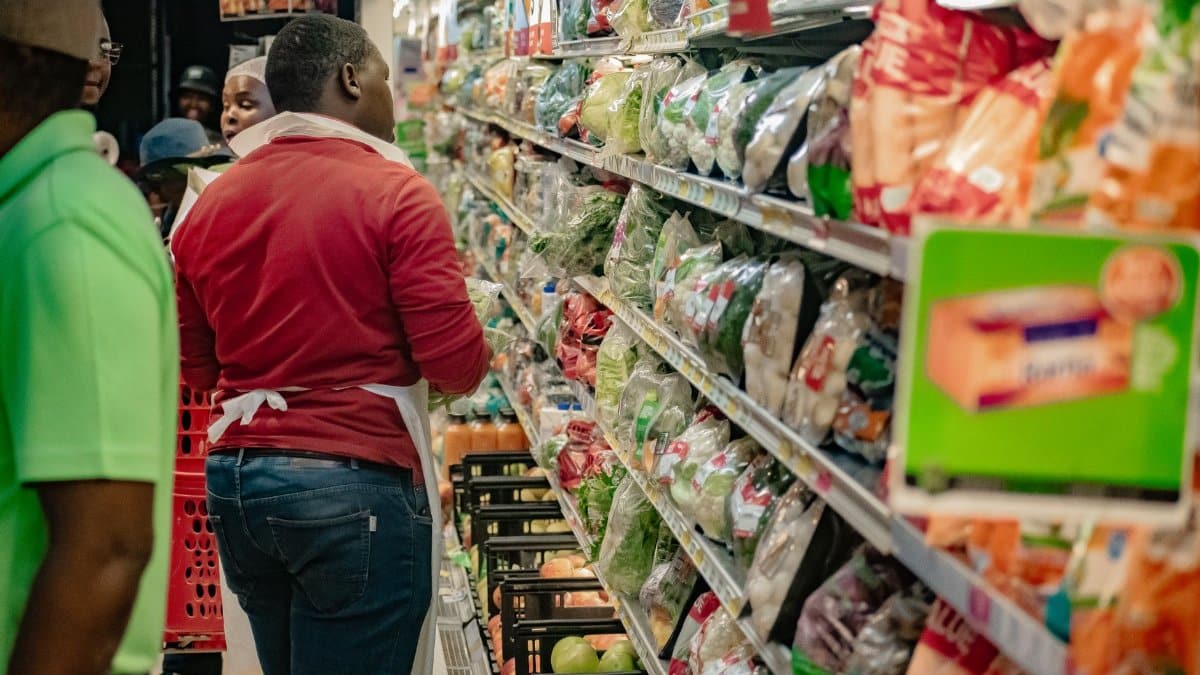
For decades Publix has been the tenant everyone else planned around. Developers placed a supermarket at the end of a plaza, signed a long lease, and filled the remaining bays with pharmacies, nail salons, restaurants, and small offices. The grocer drew the cars. The smaller shops lived on the traffic that followed.
Buying the plazas reverses that arrangement. Publix is no longer only paying rent for its own box. It becomes the party that collects rent, negotiates renewals, and decides, within the limits of existing leases, what kind of neighbor sits next door. That is a different business from slicing deli meat, even if the customers never see the difference on a Tuesday afternoon.
The $107 million price, as reported by the Herald, is large enough to matter on a corporate balance sheet and ordinary enough, in Miami Dade, to remind anyone watching how expensive ordinary retail land has become. A plaza that once looked like a convenient place to buy milk is also a financial asset with tenants, parking, and a future that can be rewritten.
Why control matters more than another aisle

Supermarkets run on thin margins and fierce habit. Shoppers return because the store is close, clean, and predictable. Those habits are fragile when the surroundings change. A dark storefront, a noisy tenant, or a landlord who lets the property slide can make a strong grocery location feel tired. Owning the center is one way to stop that drift.
Control also means optionality. A company that owns the land can renovate facades, restripe parking, adjust access, or hold space for a service it wants later, such as a pharmacy expansion or a smaller format beside the main store. None of that requires a press conference. It shows up, slowly, in how the property is kept.
There is a defensive logic too. In a region where developers and rival grocers hunt for the same corners, a leased store can become a negotiation. A store on land the company owns is harder to dislodge. The purchase reads as a decision to lock in places Publix already knows how to run.
What Publix Miami plazas reveal about the company
Publix has long been more than a checkout line. It is an employee owned company with a culture built on service, and it has spent years extending into pharmacies, delivery, and prepared foods. Real estate is a less visible extension of that same instinct: keep the customer relationship, and own more of the setting in which that relationship happens.
The Publix Miami plazas deal fits a pattern seen across American retail, though few chains talk about it in the language of community. Grocers, pharmacies, and big box operators have learned that the most valuable thing they possess is often not inventory. It is a site people already trust enough to visit every week. Turning tenancy into ownership converts that trust into an asset that does not expire with a lease.
Readers should not assume the company plans to clear out every small tenant. A plaza works because it offers more than groceries. The rational landlord keeps the mix that makes the trip worthwhile, and replaces only what weakens it. The shift is about leverage, not necessarily about emptying the center.
The South Florida market behind the price
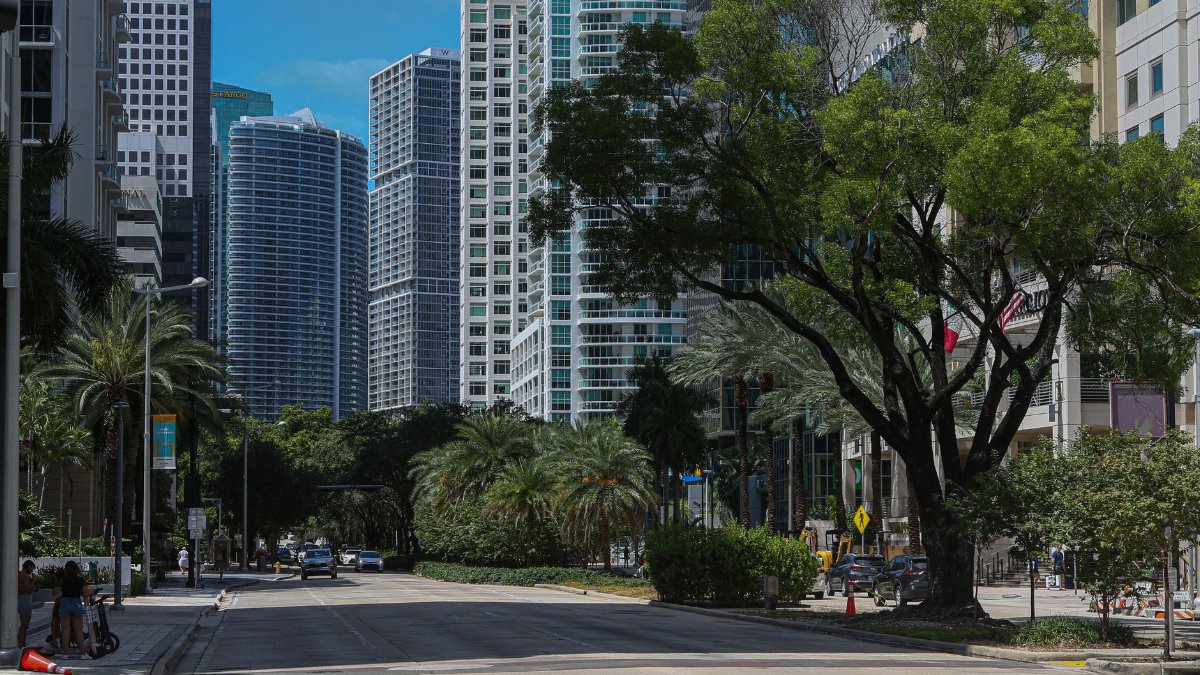
Miami Dade is not a gentle market for anyone buying land. Population growth, limited sites, insurance costs, and a steady appetite for convenience retail have pushed values up even for properties that do not look glamorous from the road. A suburban plaza can command a nine figure check because the alternative, finding a new site and building from scratch, is slower and less certain.
That context helps explain the purchase without romanticizing it. Publix is not buying scenery. It is buying proven traffic in a county where new entitlements can take years and where shoppers already know the brand. For a private company that can think past the next quarter, paying up for control can look cheaper than gambling on an unfamiliar corner.
The Herald account frames the transaction as a move from tenant to landlord and as an expansion of a real estate portfolio. Those are the facts that matter. The rest is inference: a company with cash, a dense store network, and a region that rewards owners who can wait.
Shoppers may notice very little at first
Ownership changes rarely announce themselves in the dairy case. The same cashiers, the same subs, the same parking lot sun will greet people the week after a closing. What changes is the stack of decisions above the store manager.
Over time, neighbors might see fresher paint, a stricter standard for vacant bays, or a tenant that feels more aligned with a family shopping trip. They might also see rents that smaller businesses struggle to meet, if the new owner prices space to match what the land cost. Both outcomes are possible. A careful company will try to avoid the second, because an empty plaza is a poor advertisement for the supermarket at its center.
I have walked enough of these centers to know that the feeling of a place is cumulative. One neglected nail salon does not sink a grocery store. A row of neglected bays can. Landlords who live with the consequence of that neglect, because they also operate the anchor, have a reason to care that absentee owners sometimes lack.
Small businesses and the new balance of power
For the shops already in these plazas, the identity of the landlord is not an abstract headline. It is the signature on the renewal letter. A supermarket landlord may be more stable than a fund that plans to flip the property. It may also be more particular about uses, hours, and appearance.
Stability cuts both ways. A long horizon can mean a tenant is not surprised by a sudden sale. It can also mean the owner has less urgency to discount rent just to fill a bay before a refinancing. Small operators in Miami Dade already face labor costs, insurance, and customers who compare every price on a phone. Rent is one more pressure, and it is the one a new owner controls directly.
None of this is unique to Publix. It is what happens whenever an anchor buys the center. The fair question for local readers is whether the company uses that power to keep a living mix of businesses, or whether the plaza slowly becomes an extension of a single brand. The purchase alone does not answer it. The next few lease cycles will.
A portfolio built beside the shopping cart

Grocery companies have always been in real estate, even when they preferred not to say so. Site selection is half the trade. The other half is operations. What is newer is the willingness to hold the surrounding property rather than treat it as someone else’s problem.
A portfolio of plazas throws off rent, which can cushion the ups and downs of food retail. It also creates a map of South Florida that is more than a list of store numbers. Each center is a small campus: parking, signage, drainage, tenants, and a supermarket that has to stay excellent or the whole investment looks foolish. That feedback loop is healthy. It ties financial return to the everyday experience of getting in and out of the lot.
Publix does not need to become a full scale developer to benefit. It needs to be a competent owner. Competence, in this setting, looks boring. Roofs that do not leak. Lights that stay on. Tenants who open on time. A grocery store that still feels like the reason to come.
Risks that do not show up in the circular
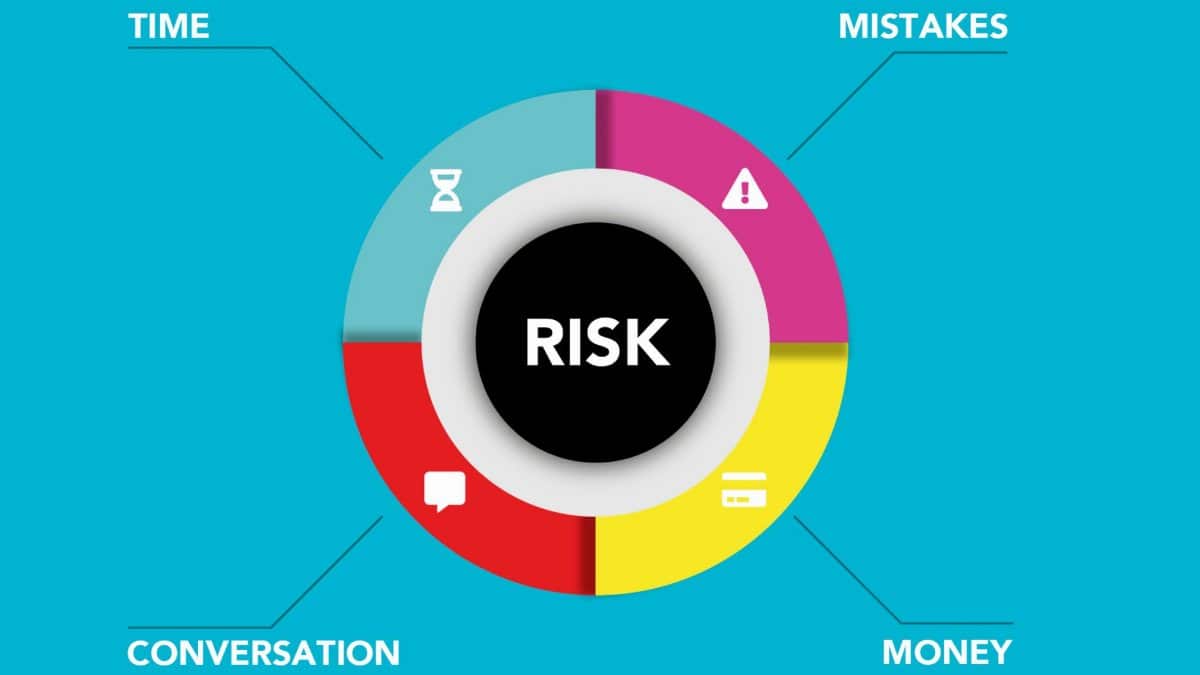
Owning property is not a free upgrade. It brings capital projects, insurance, legal disputes, and the chance that a tenant fails. It ties up money that could have gone to new stores, wages, or technology. If retail habits shift faster than expected, toward delivery or toward a rival with a sharper price, a company can find itself landlord of a center whose anchor is no longer the magnet it was.
Climate and insurance hang over every Miami Dade asset. A plaza is pavement, rooftops, and mechanical systems in a place that floods and bakes. The purchase price is only the start of the cost of keeping such property functional. Anyone treating the deal as a simple win should remember that ownership is a maintenance obligation with a deed attached.
There is reputational risk as well. Shoppers forgive a tenant for conditions the tenant does not control. They are less forgiving when the name on the store and the name on the landlord’s check are the same. If the parking lot declines, there is no one else to blame.
How this fits a wider retail turn

Across the country, chains that survived the rise of online shopping did so by becoming places people still bother to visit. Grocers were insulated because food is heavy, perishable, and habitual. That insulation is thinning as delivery apps and warehouse clubs press on the same households. The response from strong operators has been to make the trip more reliable and to own more of the trip’s setting.
The Publix Miami plazas purchase belongs in that story, not in a story about spiritual branding or lifestyle marketing. A shopping center is a secular commons whether or not anyone intends it that way. People meet there after school, compare prices, argue in parking lanes, and mark the week by what is on sale. Who owns that commons now has a say in whether it stays ordinary and useful.
Journalists sometimes overread a single transaction. Two plazas do not remake a county. They do show where a cautious company is willing to put serious money. In this case, the money went not into a slogan but into land it already occupies.
What to watch after the closing

The useful test is practical. Do vacancies linger or turn over quickly? Do independent shops remain, or does the mix tilt toward national chains that can pay more? Does the supermarket itself get capital, or does the company treat the real estate as a separate trophy? Are nearby residents pulled into plans for access, lighting, and traffic, or informed after the fact?
Public records will eventually show the deeds, the price allocation, and later permits. Until then, the Herald report remains the clearest account of the $107 million move and of the strategic shift it represents. Readers who care about their own corner of the county can do something simpler than parse a portfolio. They can notice whether the plaza feels better kept six months from now, and whether the small businesses they rely on are still there.
Publix built its name on a promise that the store would be ready when you arrived. Owning the plazas extends that promise to the sidewalk, the sign band, and the tenant next door. If the company keeps the promise, the purchase will look like quiet competence. If it does not, $107 million will have bought a problem with the company’s own name on the door.