
In the heart of American independence celebrations a remarkable figure stands poised to accept one of the nations highest honors. Pope Leo XIV born in the United States will be presented with the Liberty Medal amid the historic surroundings of Philadelphia. This event ties together themes of faith freedom and national heritage in a unique way. The occasion draws attention from across the globe as preparations unfold for the special day at the National Constitution Center.
Roots of the Liberty Medal Tradition

The Liberty Medal emerged decades ago as a way to recognize individuals whose work advances the cause of freedom around the world. Philadelphia leaders created the award to mark key anniversaries of the nations founding documents. Over time recipients have included statesmen activists and thinkers whose efforts echo the principles set forth in the Constitution. Pope Leo XIV joins this group at a moment when global conversations about liberty continue to evolve.
Profile of a United States Born Pontiff
Pope Leo XIV brings a distinctive background to the papacy. Raised in the Midwest he pursued studies in theology and social ethics before rising through the ranks of the church. His writings often explore the intersection of moral teaching and democratic values. Observers note that his early experiences in American civic life shape his approach to international dialogue on human rights.
Philadelphia Role in National Anniversaries
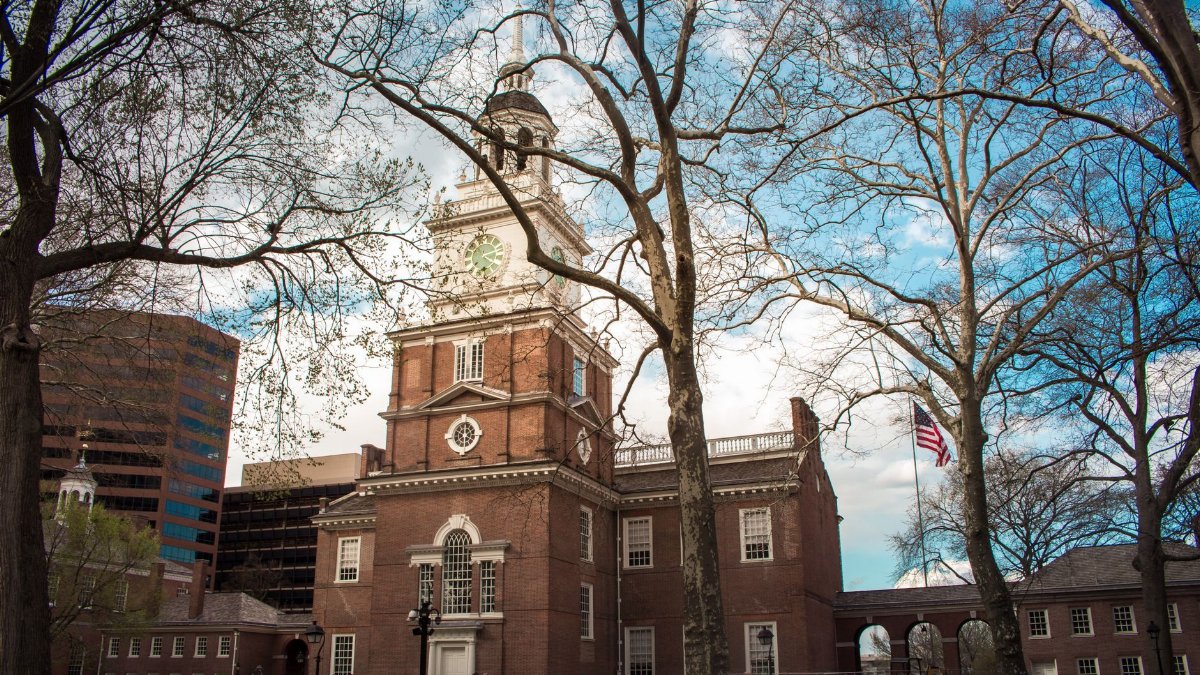
The city has long served as a focal point for marking milestones of American history. From parades along Broad Street to gatherings at Independence Hall residents and visitors alike participate in rituals that recall the birth of the republic. This years events coincide with the 250th anniversary of key founding moments making the Liberty Medal presentation especially resonant for those who cherish the regions revolutionary past.
Setting at the National Constitution Center
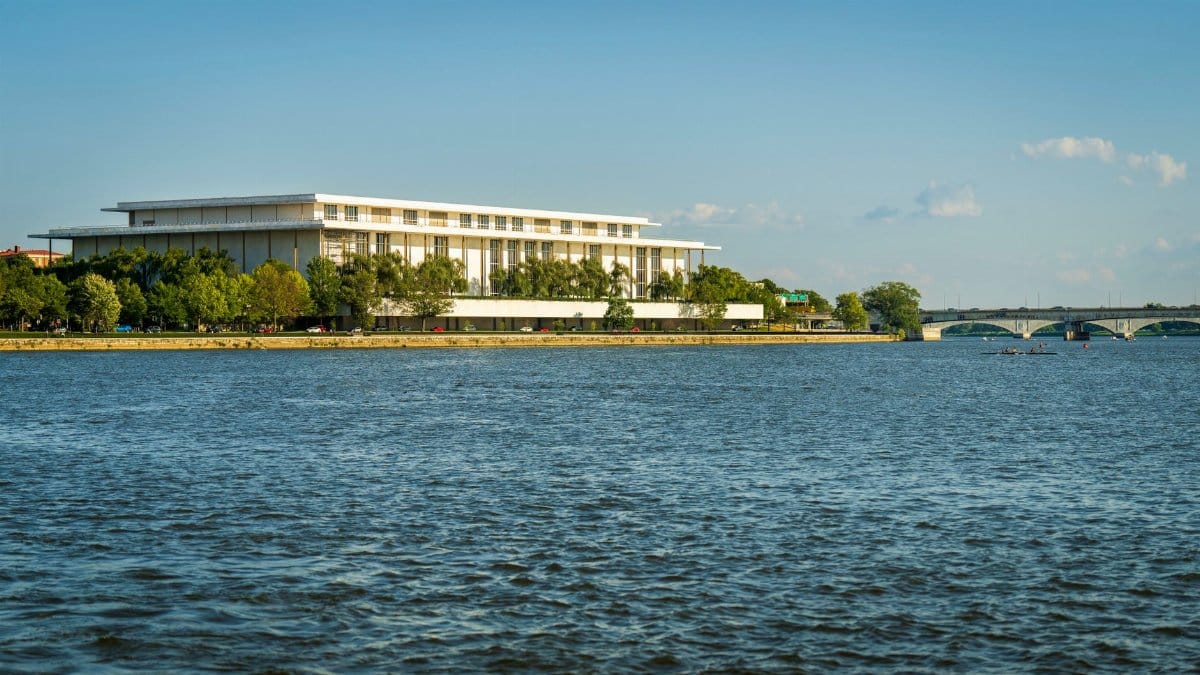
The National Constitution Center offers a fitting stage for the ceremony. Its exhibits trace the development of constitutional principles while interactive displays invite reflection on enduring questions of governance. Organizers chose the venue to underscore connections between religious leadership and the protection of individual liberties enshrined in founding texts.
Remarks Expected During the Ceremony
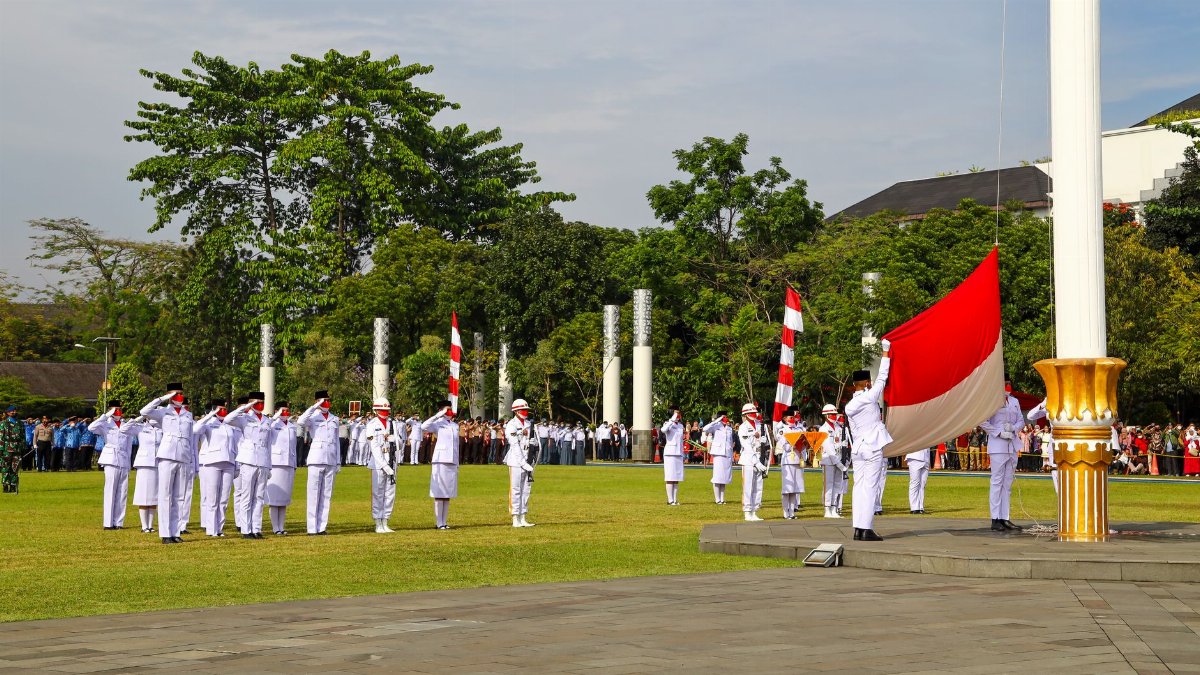
Those close to the planning process anticipate that Pope Leo XIV will address themes of unity and moral responsibility. His address is likely to touch on challenges facing democratic societies including inequality and the erosion of trust in institutions. Audience members will hear calls for renewed commitment to the common good drawn from both scriptural sources and civic traditions.
Security and Logistics for Large Crowds
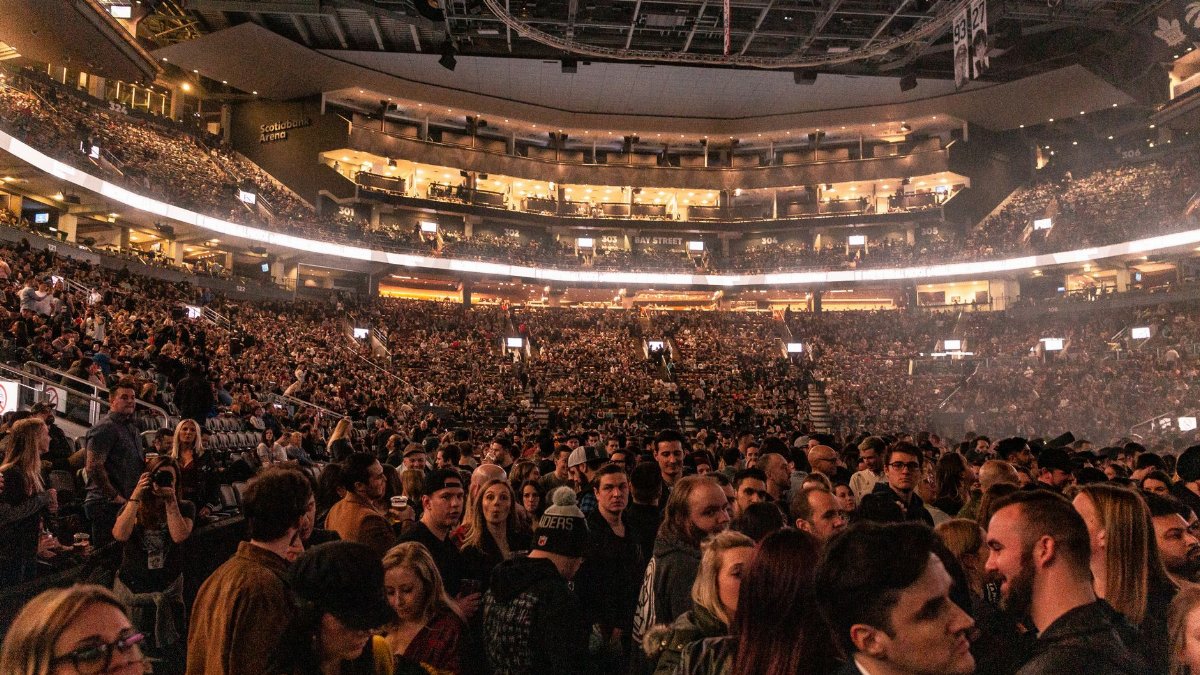
City officials have coordinated extensively with federal agencies to manage the influx of attendees. Road closures around the historic district will direct traffic away from key sites while shuttle services help visitors reach the center. Emergency preparedness plans account for the scale of the gathering and the symbolic weight of hosting a pontiff in the cradle of American liberty.
Public Response Across Generations

Reactions from Philadelphians span a wide spectrum. Older residents recall past visits by religious leaders that stirred civic pride while younger participants express curiosity about how faith leaders engage with contemporary political questions. Community forums have sprung up to discuss the significance of the award and its implications for local interfaith efforts.
Previous Recipients and Shared Ideals

Earlier honorees range from civil rights pioneers to international diplomats. Each brought attention to struggles against oppression and efforts to expand the reach of democratic norms. Pope Leo XIV acceptance continues this pattern by highlighting the role of spiritual voices in advocating for justice across borders.
Media Coverage and Global Interest
News outlets from Europe to Latin America have dispatched reporters to capture the event. Broadcasts will emphasize the unusual circumstance of an American pope returning to receive a civic honor in his native country. Analysts suggest the coverage could shape perceptions of the United States role in worldwide conversations about religious freedom.
Looking Ahead After the July Fourth Events
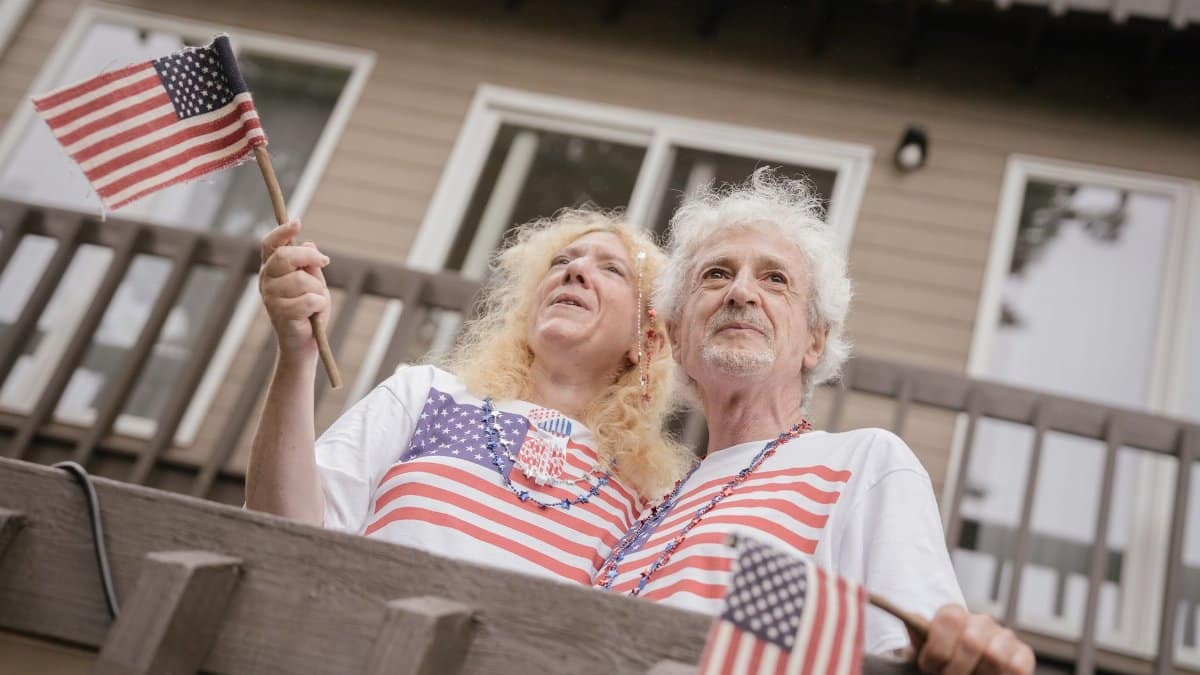
Following the medal presentation attention will shift to ongoing commemorations throughout the summer. Local cultural institutions plan exhibits and lectures that explore how constitutional ideals have adapted over time. The Pope Leo Liberty Medal Philly moment serves as a centerpiece that draws these strands together into a coherent narrative of continuity and renewal.