

On a mild evening in early fall, the lots south of the city fill before the house lights drop. Parents compare wristbands. Teenagers debate which gate moves faster. Older fans, some of them in jackets that have already survived decades of amplifiers, walk with less hurry and more certainty. Philly concerts mid-September have a habit of stacking unlike appetites into one civic week, and this calendar does exactly that. Charli XCX, Lil Wayne, Rod Wave, and Iron Maiden sit inside a wider map that includes rooms in South Philadelphia and dates that pull listeners toward Camden, Hershey, and King of Prussia. What looks like a scatter of posters is really a portrait of how a region still chooses to spend a night in public.
A calendar that refuses to stay in one neighborhood
The Philadelphia Inquirer has framed the week as a regional circuit rather than a single downtown bill, and that framing matters. South Philadelphia still anchors the largest rooms, but the audience does not stop at the city line. Camden sits a short ride across the river. Hershey asks for a longer commitment and a later return. King of Prussia catches people who would rather meet the music after work than fight a center city garage. Read together, the dates describe a listening public that is willing to travel, but only for the artist who feels necessary.
That spread also explains why one week can hold pop spectacle, rap craft, confessional ballads, and British metal without pretending those crowds are the same crowd. They share highways, hotels, and the occasional late train. They do not share a uniform. The useful question is not which show is the most important. It is what each room is asking of the people who bought the ticket.
Charli XCX and the bright noise of pop
Charli XCX arrives with a reputation built on velocity. Her songs favor sharp hooks, club lighting, and a kind of glamour that treats the dance floor as a serious instrument rather than a backdrop. For listeners who came of age with guitar bands, the appeal can look thin until the room proves otherwise. A pop show of this scale is an exercise in timing. The drop lands, the chorus returns, and thousands of people discover they already know the words.
There is a generational lesson in that recognition. Middle aged listeners sometimes treat pop fame as a weather system that passes overhead. Standing inside it is different. The production is precise, the costumes are part of the argument, and the audience is not passive. People dress for the night as if the night were a publication. In a city that still argues about authenticity, that kind of preparation is its own form of sincerity.
Lil Wayne and the long memory of a verse
Lil Wayne belongs to a different education. For more than two decades he has been the rapper other rappers quote, imitate, and measure themselves against. His gift is compression. A line can turn from joke to threat to melody before the beat has finished its cycle. In a large room, that gift depends on whether the mix lets the words survive the bass. Fans who have followed him since the mixtape years are listening for phrasing, not just for hits.
A Wayne date also carries the history of hip hop as a live form that had to teach arenas how to hear it. Early skepticism said the music was a studio product. The touring record said otherwise. Call and response, a guest appearance, a sudden quiet before a familiar opening: these are theater techniques as much as recording techniques. People who never bought a rap album still understand the contract. You show up, you answer, you let the performer prove the night was worth leaving the house.
Iron Maiden and a devotion older than the feed
Iron Maiden asks for a different kind of faith. The band has spent generations building a world of galloping riffs, historical obsession, and stage images that fans can spot from the parking lot. Metal crowds are often described as loud and leave it at that. The more interesting fact is their literacy. They know the catalog. They know when a deep cut is a gift. They treat the set list as a text, not a playlist assembled by a stranger.
That loyalty has a spiritual shape even when nobody in the room would use the word. People return to the same songs because the songs mark time. A parent brings a child. A friend who moved away flies back. The mascot, the lights, the long instrumental passages: all of it functions as ritual furniture. You do not need to share the belief to see that belief is what fills the floor. In a week crowded with newer brands, Maiden is a reminder that repetition can be a form of care.
Rod Wave and the ballad that fills an arena
Rod Wave occupies the emotional center of the week. His songs lean into hurt, loyalty, money, and the fear of losing people, delivered in a voice that can sound like it is confessing rather than performing. Arena ballads used to belong to rock singers with scarves and long notes. The current version often comes from rap and R&B artists who let the track breathe while the crowd sings the pain back at them.
That exchange is easy to mock and hard to dismiss once you hear it. Thousands of strangers agreeing, for three minutes, to feel something specific is not a small event. It is also not therapy, and it should not be sold as therapy. It is public feeling, organized by melody. For readers who worry that popular music has become only irony or only flexing, a Rod Wave night is evidence of a third path. People still want a song that tells the truth about being tired.
Camden just across the water
Camden complicates any neat story about Philadelphia ownership. Cross the bridge and the skyline remains visible, but the room, the police detail, the parking rules, and the late night food options all change. Fans treat that crossing as routine. Promoters treat it as capacity. A show booked on the Jersey side can still be, in the minds of attendees, a Philadelphia night, especially when friends are splitting cars from both banks of the river.
The practical difference is worth naming. A Camden plan fails if everyone assumes the last train behaves like a city bus. It succeeds when someone in the group has already decided who is driving and where the car will sit. Philly concerts mid-September spill into this habit of regional improvisation. The music is the reason. The bridge is the fine print.
The Hershey drive and the price of devotion
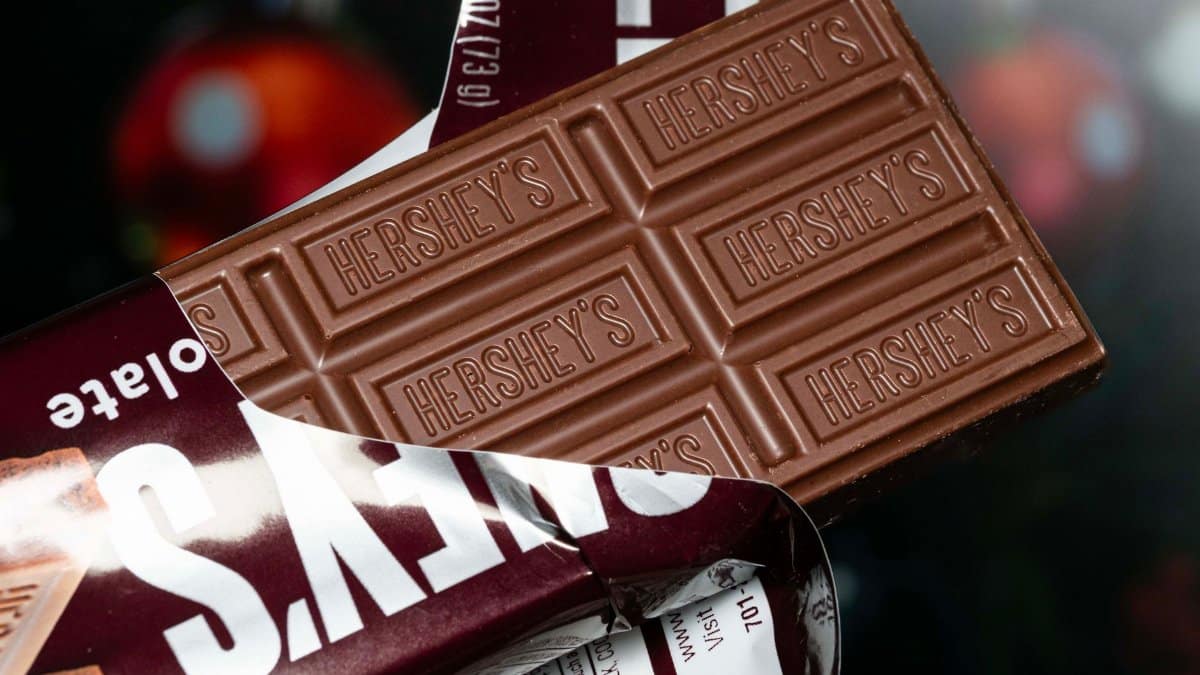
Hershey is the date that sorts casual interest from commitment. The town is famous for chocolate and for a venue that has hosted nearly every touring act large enough to need a shed or a stadium plot. Getting there from Philadelphia means giving the evening to the highway. Coming back means accepting that the best song may be followed by an hour of brake lights.
People make that trade when the artist feels like an event rather than an option. Iron Maiden fans have made similar drives for years. Pop fans will do it for a production they cannot stream. The spiritual language is tempting here and mostly accurate: the trip is a pilgrimage with bad coffee and a designated driver. What distinguishes it from mere consumption is the cost in time. A stream is free and forgettable. A Hershey night asks you to plan your morning around last night.
King of Prussia after the office lights go down
King of Prussia is the least romantic name on the list and perhaps the most revealing. It is a landscape of offices, retail, and parking, which is exactly why a concert there can feel like a small rebellion. People leave cubicles, eat something fast, and walk into a room where nobody is asking for a status update. Suburban venues catch audiences that Philadelphia boosters sometimes forget: nurses getting off shift, parents with a sitter booked until eleven, couples who will not do center city on a weeknight.
There is no shame in that geography. A culture that only counts nightlife inside a few zip codes will misread its own public. If the week’s posters include King of Prussia, the story is not decline. The story is reach. Philly concerts mid-September are regional because the listeners are regional. The city remains the name on the headline. The parking lot may be twenty minutes west.
What a mixed bill reveals about taste
Put these artists in one sentence and the sentence sounds like a stunt. Put them in one week and the sentence sounds like America. Taste is less tribal than marketing departments hope, and more tribal than playlist editors admit. The same household can hold a Maiden shirt, a Charli playlist, and a parent who mainly wants to hear Rod Wave without being talked over. Live music makes those overlaps visible because bodies have to choose a door.
Choice is the revealing part. Streaming flattens cost. A ticket does not. When someone pays for Lil Wayne instead of a quieter night at home, they are publishing a preference. When someone drives to Hershey, they are publishing a stronger one. Critics who only read charts miss that publication. The concourse is a better archive. Watch who arrives early, who buys the shirt, who leaves before the encore, and you learn more than a ranking can say.
Getting there without losing the night
None of this romance survives a bad plan. Large shows punish vagueness. Check the bag rules before you leave the house. Decide on a meeting point that is not “by the stage,” because the stage is not a place where you will find anyone. If the date is in South Philadelphia, assume the exits will clog and give the last song its full length rather than sprinting for a fantasy parking advantage. If the date is in Camden or Hershey, treat the ride as part of the ticket price.
Ear protection is not a punch line. Arena volumes damage hearing, and metal shows are not the only offenders. Pop production can be just as punishing. A small pair of filters lets you stay for the encore without spending the next day inside a dull ring. Hydrate. Eat before you are angry. These are unglamorous instructions, and they are how a good bill becomes a good memory rather than a story about a headache.
The stranger beside you
I keep coming back to the person in the next seat, because that is the part a listing cannot capture. You may share nothing with them except the song that is playing. For a few minutes that is enough. Concerts are one of the last ordinary places where adults agree to stand close to strangers and look in the same direction. Houses of worship do this. Stadiums do this. A Tuesday or a Thursday in mid September can do it too, without requiring a creed.
That does not make every show profound. Some nights are thin. Some mixes fail. Some stars phone it in, and the crowd knows. The possibility is still the point. A city that can host Charli XCX, Lil Wayne, Rod Wave, and Iron Maiden in the same stretch of days is a city with more than one way to gather. Philly concerts mid-September are not a single scene. They are proof that the scene was never single to begin with.
After the lights, the argument continues
By the weekend the posters will already feel slightly historical. Clips will circulate. Someone will say the new songs were better live. Someone else will say the old songs were the only reason to go. That argument is healthy. It means the night did not end at the curb. It means people are still using music to locate themselves, their children, their friends, and the version of the region they are willing to drive across.
South Philadelphia will keep the biggest headlights. Camden will keep the bridge. Hershey will keep the long haul. King of Prussia will keep the after work crowd. None of those facts cancel the others. If you are choosing among them, choose the artist you would still want to hear if the production failed and only the song remained. Everything else, from the parking space to the shirt, is decoration. The week is crowded enough that decoration is easy. Attention is the rarer ticket, and Philly concerts mid-September are a useful test of where yours still goes.