
The bustling atmosphere of an airport terminal often carries an undercurrent of tension these days. Travelers clutching boarding passes eye the snaking queues ahead with a mix of resignation and frustration. What should be a straightforward step in the journey has morphed into a significant source of stress. Families juggle luggage and children while keeping an eye on the clock. Business professionals review notes knowing their carefully planned schedules could crumble in an instant. This is the unfortunate reality for air travelers nationwide. The moment has come for Congress to fix tsa mess and bring much needed efficiency back to the system that millions depend on each year.
Created in the aftermath of the 2001 terrorist attacks the Transportation Security Administration was tasked with safeguarding the skies. In the years since it has ballooned into a massive federal agency with a budget exceeding nine billion dollars annually. Yet despite this investment the core mission seems increasingly at odds with the experience provided to the public. Inconsistent procedures varying wait times and a general sense of disarray have become the norm rather than the exception. As travel demand surges these flaws grow more evident and more costly.
Advocates for reform point to systemic issues that cannot be solved through minor adjustments or internal memos. The problems require legislative muscle and sustained attention from Capitol Hill. Without such intervention passengers will continue to pay the price in lost time diminished comfort and heightened anxiety. The conversation around airport security must evolve from one of complaints to one of constructive solutions.
The Endless Security Lines Testing Traveler Resolve
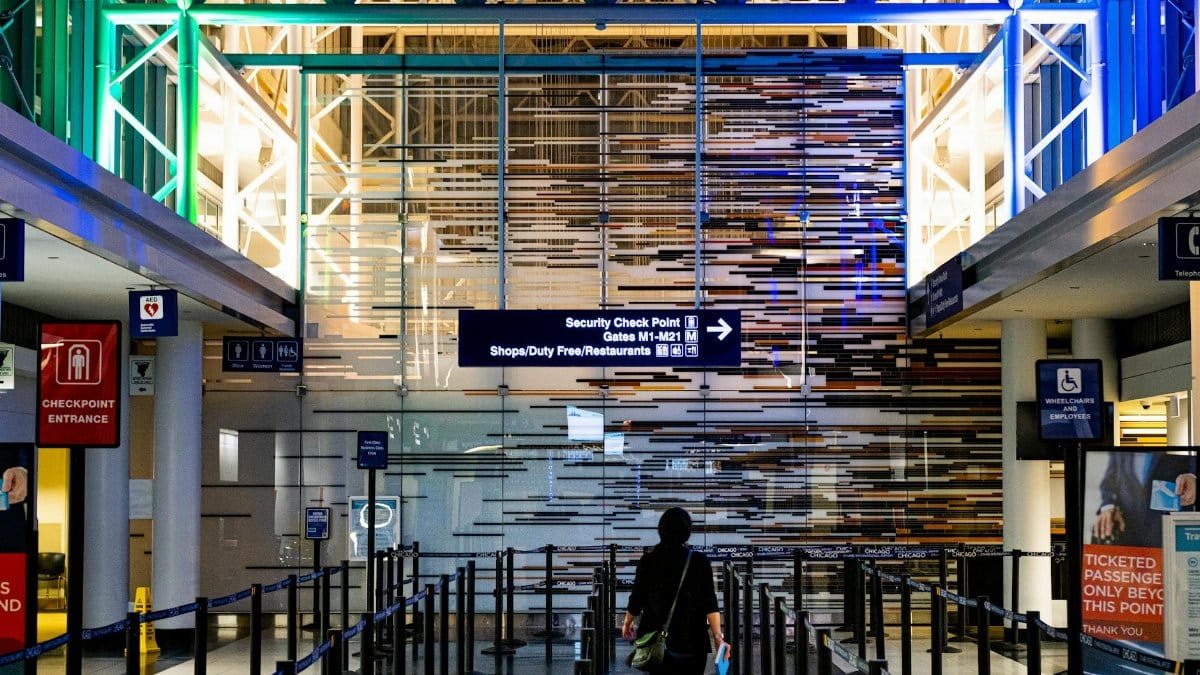
Wait times at security checkpoints have become the stuff of legend among those who fly regularly. At busy hubs like Atlanta or Chicago it is not uncommon for lines to exceed ninety minutes during peak hours. This situation forces passengers to arrive earlier and earlier eroding the convenience that air travel once offered. The impact is particularly acute for those with tight connections or medical conditions that make standing for long periods difficult.
Data collected by airport authorities reveals that these delays are not isolated incidents but a predictable feature of the current setup. During holiday periods the strain on the system becomes almost unbearable. Families report elevated stress levels that can overshadow the purpose of their trips whether it is a joyful reunion or a long planned vacation. The human stories behind these statistics paint a vivid picture of a system in need of urgent attention.
One frequent flyer from the Midwest described spending an entire afternoon in line only to miss a flight to an important family event. Such accounts are multiplying as word spreads through social circles and online forums. The collective frustration is building toward a demand for accountability and change.
Persistent Shortages In Screening Personnel
A critical factor contributing to the chaos is the difficulty in maintaining adequate staffing levels. The agency has faced challenges in hiring enough qualified individuals to fill all necessary positions. Attrition rates remain high due to the physically demanding nature of the work combined with compensation packages that lag behind similar roles elsewhere. This creates a vicious cycle where remaining employees shoulder heavier loads leading to fatigue and further departures.
Congress could play a pivotal role by approving funding for competitive wages and enhanced benefits. Improved recruitment efforts focused on veterans and other groups with relevant experience could also help bolster the ranks. Until these measures are taken the lines will likely continue to grow during periods of high demand.
Equipment That No Longer Meets Modern Needs

Many of the tools used in the screening process have not evolved at the pace of technological advancement. While some airports now feature state of the art scanners others rely on machinery that is showing its age. This disparity leads to uneven experiences depending on where one flies from. Updating the entire fleet of equipment represents a significant investment but one that promises substantial returns in efficiency and effectiveness.
Incorporating artificial intelligence to better identify potential threats without manual intervention could revolutionize the process. Such systems have been successfully tested in limited capacities yet widespread adoption has been slow. A dedicated push from lawmakers could accelerate this transition and help alleviate some of the pressure on human agents. Part of a larger strategy to fix tsa mess would necessarily involve these technological upgrades.
The Deeper Impact On Peace Of Mind

Travel is often seen as an opportunity for renewal and exploration yet the current security regime can leave individuals depleted before they even reach their destination. The anticipatory anxiety associated with navigating checkpoints weighs heavily on the mind. For many this disrupts the sense of calm and presence that spiritual practices encourage. In an era where mental and spiritual health receive greater attention the travel industry should align with these values by reducing unnecessary stressors.
Observers within spiritual communities have begun to highlight how systemic inefficiencies at airports affect the collective well being of society. Finding ways to fix tsa mess could therefore restore a sense of serenity to the travel process that supports both practical needs and deeper human flourishing.
Perspectives From The Corporate World
Executives and travel coordinators in the business community have grown increasingly impatient with the status quo. Each unnecessary delay at security represents lost opportunities and squandered resources. Companies that once encouraged travel to build relationships now think twice knowing the uncertainties involved. This shift toward virtual alternatives while useful in some contexts cannot fully replace the value of in person engagement.
Organizations representing the travel industry have compiled detailed recommendations for policymakers. These documents emphasize the need for a risk based approach to screening that would expedite passage for frequent and vetted travelers. Implementing such tiered systems could dramatically reduce congestion while preserving robust security measures.
Insights Gained From Global Practices

Around the world airport security operations vary widely in their execution and outcomes. Nations such as Israel and several in Europe have developed models that emphasize intelligence sharing and behavioral detection over a single approach that fits all physical screening. These approaches have resulted in shorter lines and maintained or even improved safety records. The United States stands to learn valuable lessons from examining these alternatives closely.
Of course direct transplantation of foreign methods may not suit the American context given the scale and diversity of our air travel network. Nevertheless selective adaptation could provide a blueprint for reform. Congressional committees have the platform to study these international examples and craft policies tailored to domestic needs.
Constructing An Effective Plan For Change

Meaningful progress toward resolving the current dysfunction will demand a multifaceted strategy. Legislators should consider establishing clear performance metrics for the agency with consequences for failing to meet them. Regular audits by independent bodies would help maintain focus on continuous improvement. Funding increases should be linked to the adoption of proven best practices from both domestic and international sources.
Additionally fostering a culture of innovation within the TSA could encourage employees to contribute ideas for streamlining operations. Empowering frontline workers often yields practical solutions that top down directives miss. A bill designed to fix tsa mess must incorporate these elements to have any lasting effect.
The Financial Consequences Of Inaction

The economic repercussions of an unreliable security system reach far and wide. Airlines lose revenue when passengers choose other modes of transportation to avoid the hassle. Tourism dependent regions suffer when visitors opt for closer destinations that involve less air travel. The broader economy feels the pinch as business deals fall through due to missed meetings and conferences.
Analysts have quantified these losses in reports that make for sobering reading. One estimate places the annual cost in the billions when factoring in all indirect effects. By contrast the investment required to modernize and staff the TSA adequately pales in comparison to the potential gains. This fiscal reality provides yet another compelling reason for swift congressional intervention.
Accounts From Those Affected Most

Perhaps the most powerful arguments for reform come from the travelers themselves. Their lived experiences reveal the true cost of the existing system. From the single parent navigating lines with toddlers to the senior citizen subjected to repeated additional screening the stories share a common thread of unnecessary hardship.
Even those employed by the agency offer candid assessments of what works and what does not. Their perspective is essential in developing solutions that are both practical and effective. By listening to these voices Congress can craft legislation that addresses real world conditions rather than theoretical ideals.
The Imperative For Immediate Legislative Action
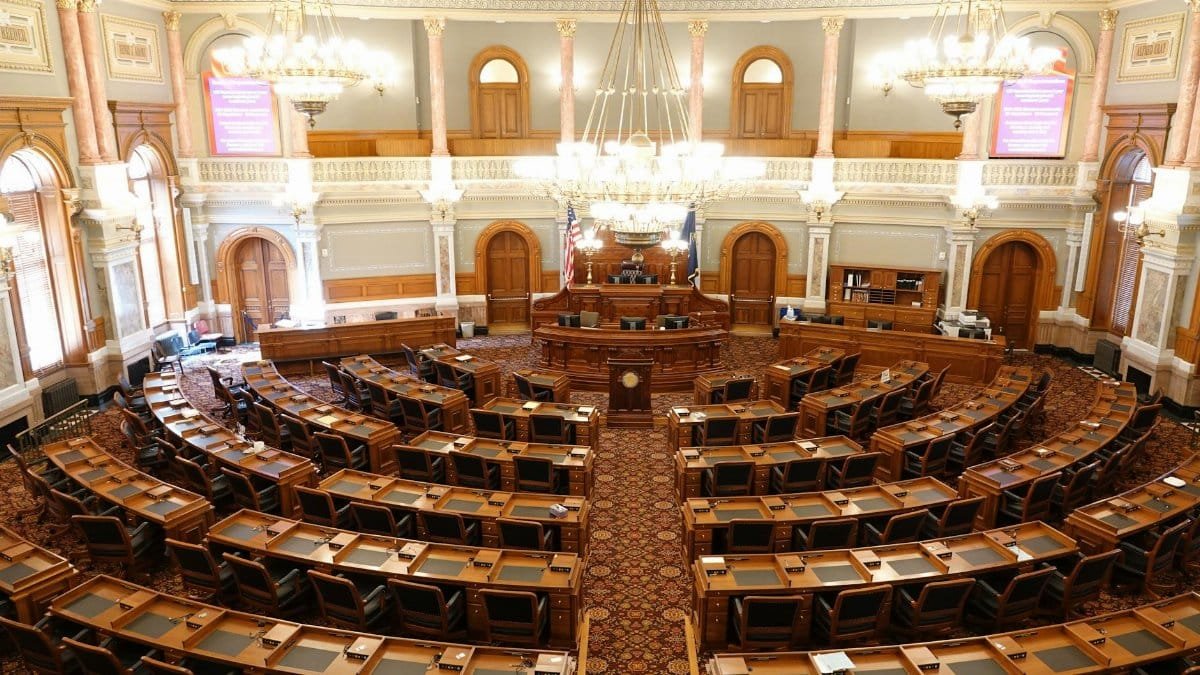
Delaying reform only allows the problems to fester and expand. Each busy travel season brings new headlines about record wait times and passenger outrage. Public trust in the system continues to erode as promises of improvement go unfulfilled. The window for effective intervention is narrowing as challenges like cybersecurity threats and evolving terrorist tactics add further complexity.
Lawmakers must rise above partisan divides to tackle this issue that affects constituents regardless of political affiliation. A coordinated effort now could yield a security apparatus worthy of the twenty first century. The benefits would be felt immediately by travelers and would compound over time as efficiency gains become embedded in the culture of air travel.
Envisioning A Better Future For Air Travel
Picture an airport experience where security enhances the journey rather than detracting from it. Technology works invisibly in the background to ensure safety. Personnel are professional knowledgeable and courteous. Lines move briskly allowing passengers to spend their time in productive or relaxing ways before departure. This is not an impossible dream but a realistic goal if the right steps are taken.
To achieve this vision all parties must collaborate passengers the agency airlines and most importantly our representatives in Congress. The momentum is building for change. By seizing this moment to fix tsa mess lawmakers have the chance to leave a positive legacy that improves the lives of countless Americans who take to the skies each day. According to an editorial from Newsday greater oversight and resources represent the clearest path forward.