

In the heart of a city known for its resilience and independent spirit, a fierce debate has erupted over who truly holds the power to shape Houston’s future. When reports surfaced that local officials had allowed state leaders to step in and direct the use of more than one hundred fourteen million dollars in federal grants, many residents felt a deep sense of disappointment. This controversy gained new intensity with the publication of a blistering editorial that accuses Houston Mayor Whitmire Abbott of effectively handing city control to Governor Greg Abbott. The piece stands as a passionate defense of local self determination and a warning about the long term consequences of yielding authority at a moment when Houston needs strong independent leadership the most.
A Scathing Indictment From Community Leaders

The editorial pulls together voices from across Houston’s civic and faith communities to deliver a pointed critique. Rather than simply disagreeing with policy choices, it frames the mayor’s actions as a fundamental failure of stewardship. Those who contributed to the piece argue that by stepping aside and permitting state oversight of critical funding streams, the mayor has diminished the ability of local elected officials to respond directly to the needs of their constituents. This perspective resonates strongly in a city where generations have prided themselves on solving problems without waiting for direction from Austin.
The High Stakes Grant Battle Explained

At the center of the dispute lies one hundred fourteen million dollars intended to support housing initiatives, infrastructure repairs after recent flooding events, and vital social services. The editorial explains how these funds were originally secured through aggressive advocacy by Houston’s congressional delegation and local agencies. Yet instead of maintaining firm local control over how the money would be allocated, the mayor’s office appeared to accept conditions that give state officials final approval on major decisions. Critics describe this as an unnecessary surrender that could delay projects, redirect resources away from the city’s most pressing priorities, and set a troubling precedent for future negotiations.
Questions About Political Courage

Many who have followed the mayor’s career express genuine surprise at what they see as a lack of assertiveness. Houston has long maintained a delicate balance with state government, cooperating when necessary but fiercely protecting its autonomy on issues that affect daily life. The editorial suggests that the current approach represents a departure from that tradition. It questions whether political calculations about future elections or personal relationships with state leaders have overshadowed the duty to fight for Houston’s interests. Such concerns gain added weight in neighborhoods still recovering from storms where every dollar and every decision carries immediate human consequences.
Faith Communities Speak Out
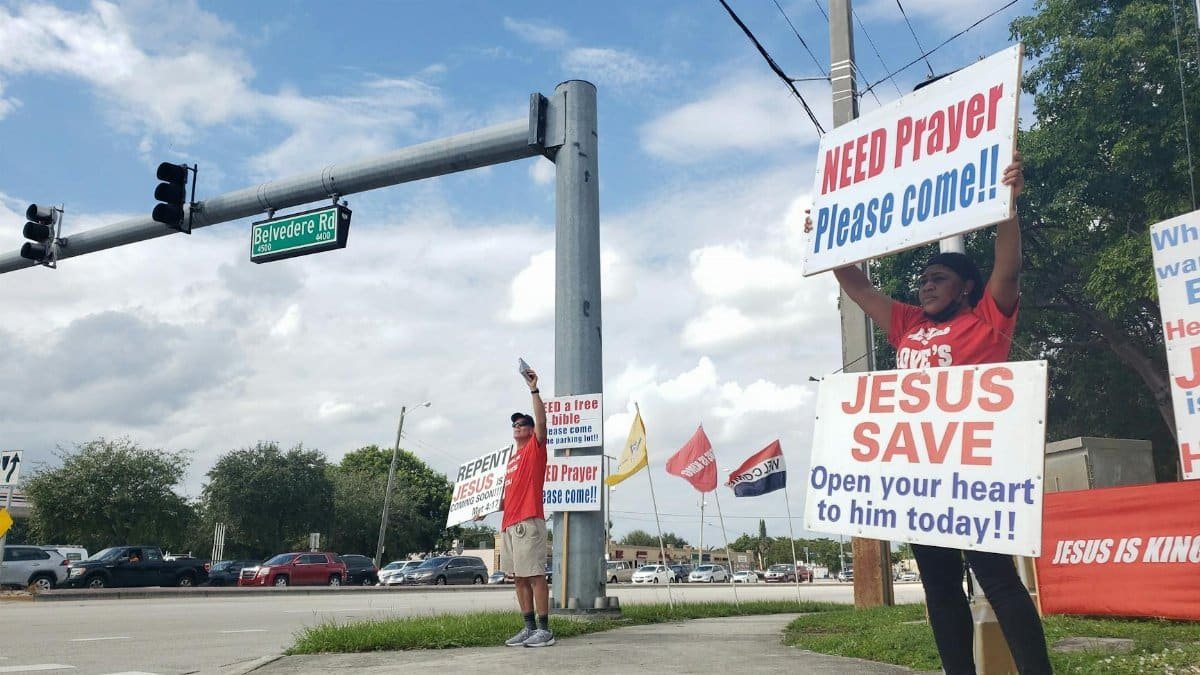
Religious leaders across denominations have added their moral authority to the growing chorus of criticism. Pastors and congregants who serve some of the city’s most vulnerable populations view the grant issue through the lens of biblical calls to care for the least among us. They argue that local leaders have a sacred responsibility to ensure resources reach those who need them most rather than allowing distant bureaucrats to set the priorities. Prayer gatherings have focused on seeking wisdom for elected officials while also asking for courage to resist convenient compromises. This spiritual dimension has helped transform what might have remained a technical budget dispute into a broader conversation about values and accountability.
The Erosion of Local Authority

Throughout Texas history, tensions between cities and the state capital have flared periodically. Yet the current situation feels different to many observers because it involves a Democratic mayor appearing to accommodate a Republican governor on terms that weaken municipal power. The editorial traces how this particular grant battle fits into a larger pattern of state officials expanding their reach into traditionally local matters. From education policy to disaster response, the trend has been toward greater centralization. Houston’s experience, the writers suggest, serves as a cautionary example for other major cities facing similar pressures.
Impact on Everyday Houstonians

Beyond the political maneuvering, real people stand to lose if these grants fail to address urgent local challenges. Families waiting for affordable housing, small businesses trying to recover from flood damage, and nonprofits serving immigrant communities all depend on decisions made about this funding. The editorial paints a vivid picture of how bureaucratic delays and shifted priorities could leave these groups waiting longer for help. It challenges readers to consider whether the mayor’s approach truly serves the common good or merely avoids conflict with more powerful state actors at the expense of those who elected him.
Examining the Mayor’s Defense

Supporters of the mayor point to the complicated nature of federal grant programs that often come with numerous strings attached. They suggest that some level of state coordination was inevitable and that the administration managed to preserve important local input. Yet the editorial dismantles these arguments methodically, citing specific examples where other Texas cities have successfully asserted greater control over similar funding. The contrast makes the mayor’s decisions appear less like pragmatic governance and more like unnecessary capitulation. This back and forth reveals how differently various stakeholders interpret the same set of political realities.
A Spiritual Crisis of Leadership

From a faith perspective, the controversy touches on deeper questions about the nature of leadership itself. Religious thinkers contributing to the editorial draw parallels to scriptural accounts of leaders who chose popularity over principle or who failed to guard the resources entrusted to their care. They suggest that true leadership requires both humility and courage, qualities that seem lacking when a mayor hands significant decision making power to another level of government. This spiritual analysis has resonated with many middle aged Houstonians who remember a time when local politics carried a stronger sense of moral conviction and communal responsibility.
Voices From Neighborhood Pulpits

In churches throughout the city, sermons have begun addressing the controversy not as partisan politics but as a test of community values. Ministers speak of the need for leaders who embody integrity and who prioritize the welfare of all residents especially those without political influence. Some congregations have organized letter writing campaigns and community forums designed to remind the mayor of his obligations. These grassroots efforts demonstrate how the editorial has moved beyond elite opinion pages to spark genuine conversation in the places where Houston’s spiritual life pulses strongest.
What History Teaches About Power

Looking back across decades of Texas politics reveals a consistent truth: power surrendered is rarely returned without significant struggle. The editorial references past moments when Houston leaders successfully defended local prerogatives against state overreach, often through persistent advocacy and creative legal strategies. By contrast, the current approach seems to accept a diminished role for the city almost before negotiations have truly begun. This historical context lends weight to the argument that the mayor’s actions represent not continuity but rupture with proven methods of protecting Houston’s interests.
Paths Toward Restoring Local Control

Rather than simply criticizing, the editorial offers concrete suggestions for reclaiming authority over the disputed grants and preventing similar situations in the future. These include greater transparency in negotiations with state officials, stronger involvement from the city council, and closer partnerships with community organizations that understand neighborhood needs. The writers emphasize that restoring local control is not about confrontation for its own sake but about ensuring that decisions reflect the unique character and challenges of Houston itself. This constructive tone strengthens the overall argument by showing that criticism stems from care for the city rather than mere partisanship.
The intensity of reaction to this controversy reveals something important about the current mood in Houston. Residents who have built lives here through hurricanes, economic shifts, and social changes expect their leaders to demonstrate the same tenacity that defines the city. When those leaders appear to step back from that responsibility, the response is understandably passionate. The editorial captures this sentiment while channeling it toward productive ends.
Renewing the Spirit of Independence

At its core, this dispute challenges Houston to reaffirm its fundamental character as a place that charts its own course. The faith communities that have become so vocal in recent weeks remind us that this independence has always been tied to values of responsibility, compassion, and moral courage. As discussions continue about the one hundred fourteen million dollars in grants and the broader question of local authority, the city faces a moment of decision. Will it accept a reduced role in determining its future, or will it insist on the kind of leadership that honors both its practical needs and its spiritual heritage?
The coming weeks will test whether the concerns raised in this powerful editorial translate into meaningful change. For now, it stands as a significant contribution to Houston’s ongoing conversation about governance, values, and the proper balance between cooperation and independence. In a time when many feel disconnected from political processes, such passionate civic engagement offers hope that the city’s best traditions can still guide its path forward.