
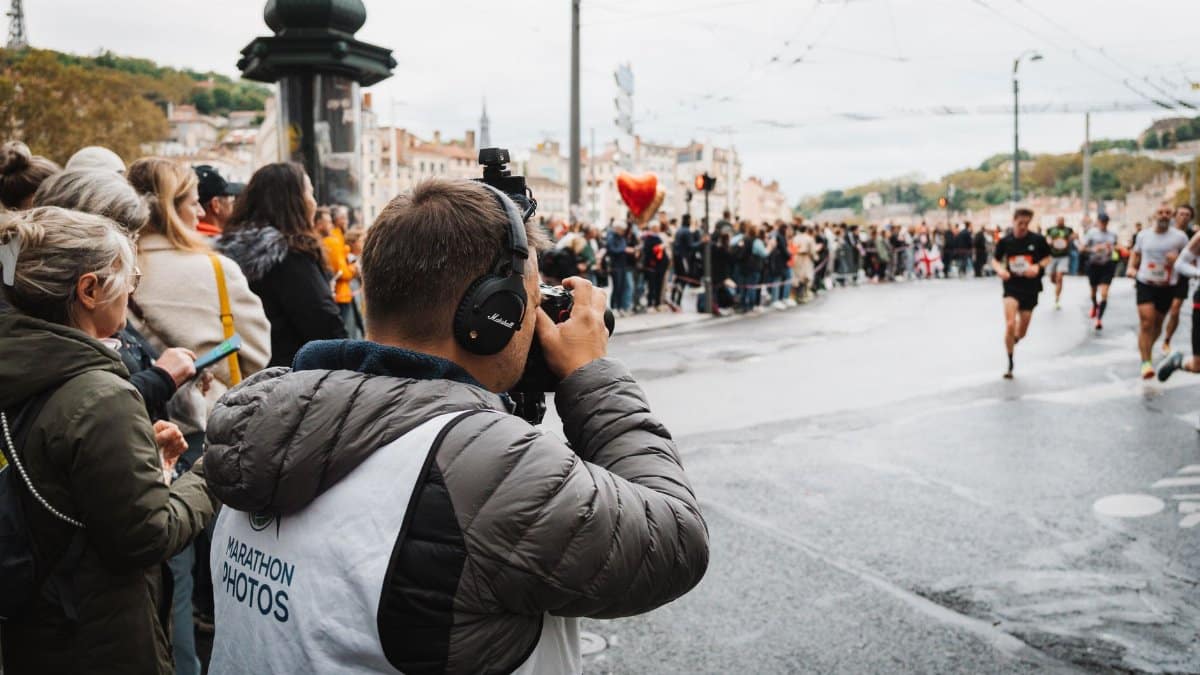
On a cold morning in Philadelphia, the people who never pinned on a bib did as much to shape the day as the people who did. Philadelphia Marathon spectators lined the curbs with cowbells, handmade signs, and paper cups, turning Center City into a corridor of noise and care. Some had trained beside a runner for months. Others had wandered over from a coffee shop because the street was closed and the energy was too loud to ignore. A few held trays of gelatin shots, an offering that sat somewhere between joke and mercy. The race belonged to the athletes. The atmosphere belonged to everyone else.
A record crowd with nowhere to hide
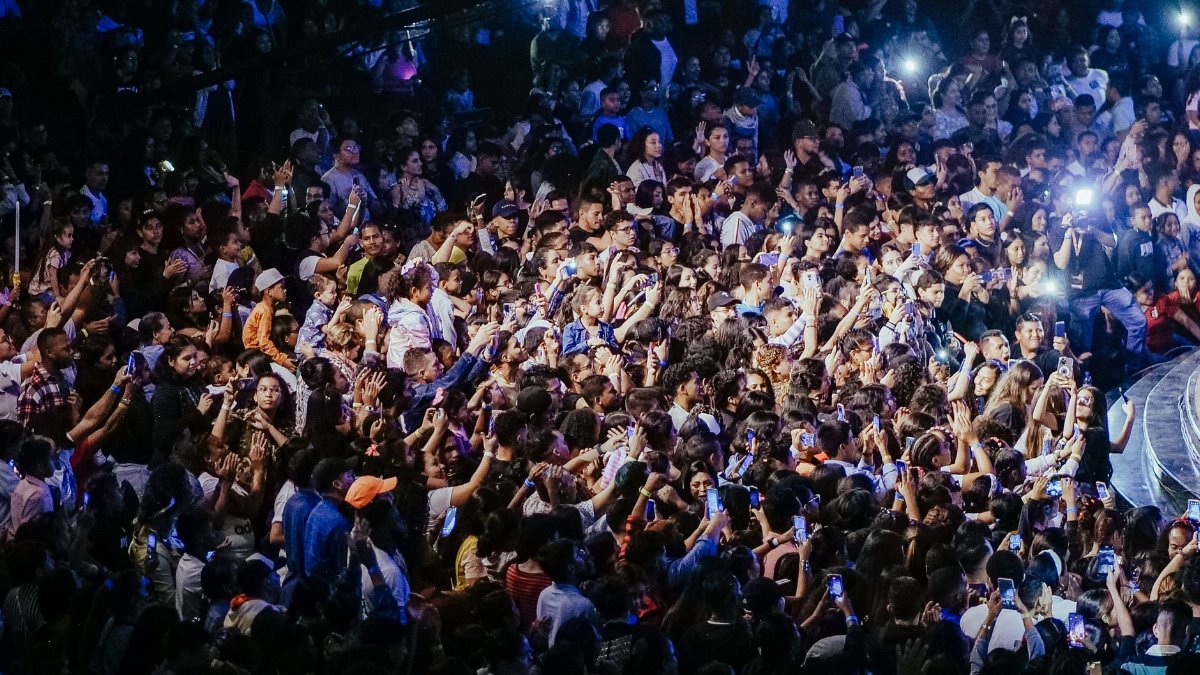
The Philadelphia Inquirer reported that a record 40,000 bibs sold for race weekend and that about 20,000 people covered the full 26.2 miles. Those figures explain why the sidewalks felt packed rather than politely occupied. A field that large does not pass in a blur and vanish. It arrives in waves, first the swift, then the steady, then the people whose only strategy is to keep moving until the city lets them stop. Each wave needs a different kind of witness. Early applause is easy. The harder work is still standing there when the elites are already wrapped in foil and the last runners are bargaining with their own legs.
Scale changes the moral weather of a street. When tens of thousands of athletes move through one downtown, cheering stops being a private favor to a friend and becomes a civic habit. Shopkeepers prop doors open. Neighbors lean from windows they rarely open in November. Children are lifted onto shoulders so they can see a stranger do something difficult in public. The city, for a few hours, agrees to be an audience.
Signs that say what the voice cannot
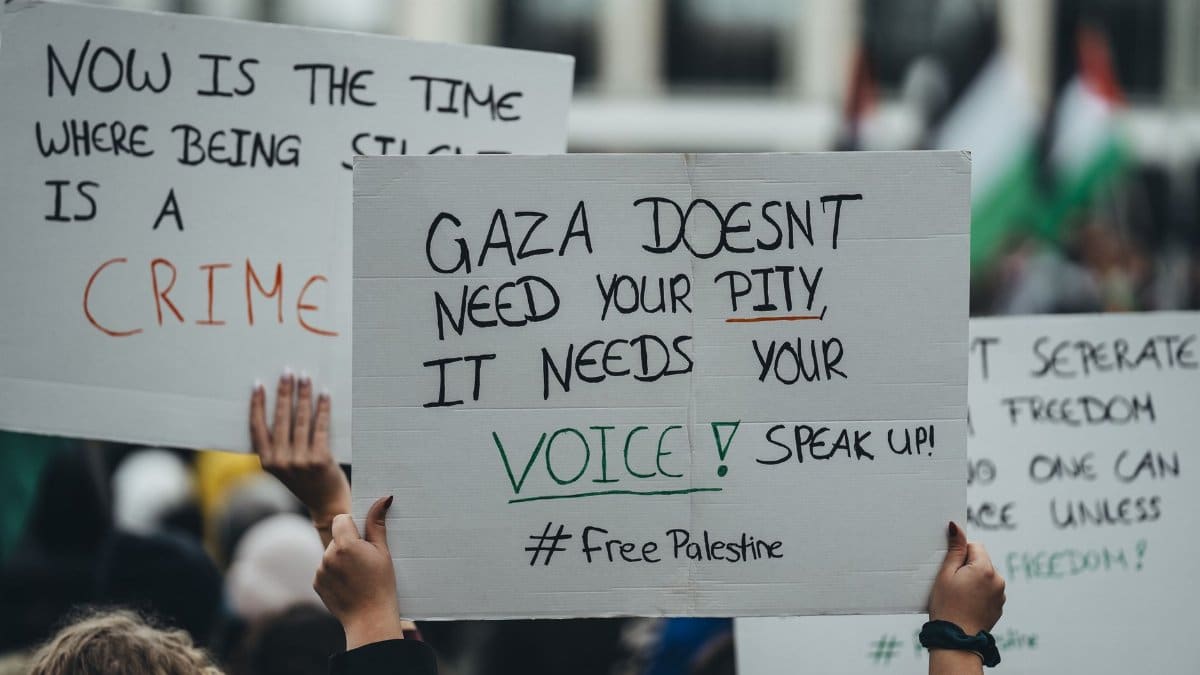
The signs were the most legible theology on the course, if theology is not too grand a word for cardboard and marker. Some named a runner and a mile. Some offered puns that had clearly been workshopped at a kitchen table the night before. A few simply said keep going, which is not poetry and does not need to be. A sign works because it is still there when the voice cracks. It lets a tired person borrow a sentence for the next block.
There is a small art to this. Too clever and the runner is gone before the joke lands. Too vague and it dissolves into the general roar. The best signs are short enough to read at a shuffle and specific enough to feel addressed. They turn a mass event back into a series of individual errands: this person, this mile, this reason not to walk yet.
Cowbells, cups, and the grammar of noise

Cowbells are a blunt instrument, and that is their virtue. They cut through headphone playlists and the private arithmetic of pace. A cup of water, held at the right height, is a more delicate sentence. Miss the handoff and both people wear it. Land it and a stranger has just performed a tiny act of competence on behalf of someone whose name they will never learn. Philadelphia Marathon spectators seemed to understand that the job was not only to be loud. It was to be useful at the exact second usefulness was required.
Noise has a rhythm on a marathon course. It swells near the landmarks, thins on the long park roads, and returns when the buildings close in again. Runners talk about this later as if the city itself had a pulse. What they are describing is people deciding, block by block, not to look at their phones. Attention is the scarce resource. The cowbell is only the receipt.
Gelatin shots and other unofficial mercies

Then there were the gelatin shots, offered with the straight face of a sacrament and the grin of a dare. For some runners they were fuel of a dubious sort. For others they were a joke accepted in the spirit in which it was given, a splash of sweetness and alcohol that said the suffering had an audience willing to be ridiculous with you. Not every runner wanted one. The point was the offer. Someone had stood in the cold with a tray, which is a form of commitment that does not show up in a training log.
Unofficial aid is always a little chaotic. It is not the measured station with the branded cups and the volunteers in assigned vests. It is a porch, a folding table, a friend who drove in from another neighborhood with a cooler. That informality is part of why it lands. It tells the runner that the course is not only an organized production. It is also a street where people still improvise care.
Who waits, and for whom
Not every person on the curb was there for the sport. Some were there for one face in a river of faces, scanning bibs with the focus of someone meeting a train. Others had come because a coworker talked about the race for months and it felt wrong to let that talk end in an empty sidewalk. A smaller group treated the morning as a public festival that happened to include sweat. All of those motives can share a corner without agreeing on what the day means.
Waiting is the spectator sport inside the spectator sport. You guess the pace, you refresh a tracking app, you move two blocks because the first spot had a bad angle. You rehearse the shout so it will be loud enough and not so loud that you startle the person you love. When the face finally appears, the rehearsal collapses into a name. That collapse is the whole morning for a lot of people. The other 20,000 runners are scenery until, suddenly, they are not, because someone nearby starts crying and you understand the exchange rate.
The long miles where cheer thins out
Every big city marathon has its glamorous bends and its neglected ones. Near the start and the finish, encouragement is cheap and plentiful. Out along the river, or on the stretches where the buildings fall away, the crowd can dwindle to a dog walker and a person who happened to be there. Those thin miles are where spectators matter most, and where they are hardest to recruit. There is no skyline to photograph. There is only a runner whose face has gone private.
People who know the course learn to spend themselves there. They skip the postcard and stand where the joke signs have stopped. A single clap in a quiet stretch can sound extravagant. It also sounds like proof that the city did not forget the middle of the effort, which is where most efforts actually live. Races, like ordinary lives, are decided less often at the banner than in the unphotographed part.
Strangers practicing a temporary loyalty
What distinguishes a marathon crowd from a concert crowd is the absence of a shared song and the presence of a shared task. You are not there to be entertained, though entertainment occurs. You are there to help someone finish a promise they made to themselves months ago, often for reasons you will never hear. That is a strange loyalty, brief and intense, and it does not require liking running. It requires believing that effort witnessed is different from effort endured alone.
I have stood on enough sidelines, at enough unfamous miles, to know the feeling is not sentimental fluff. It is practical. A runner who hears a name will often lift the chin. A runner who sees a familiar coat will often find another quarter mile. The body is persuadable. The persuaders, on this weekend, were largely unpaid. Philadelphia Marathon spectators supplied a kind of lay ministry: show up, stay longer than is comfortable, say the simple thing, mean it.
After the banner, the ordinary reunion
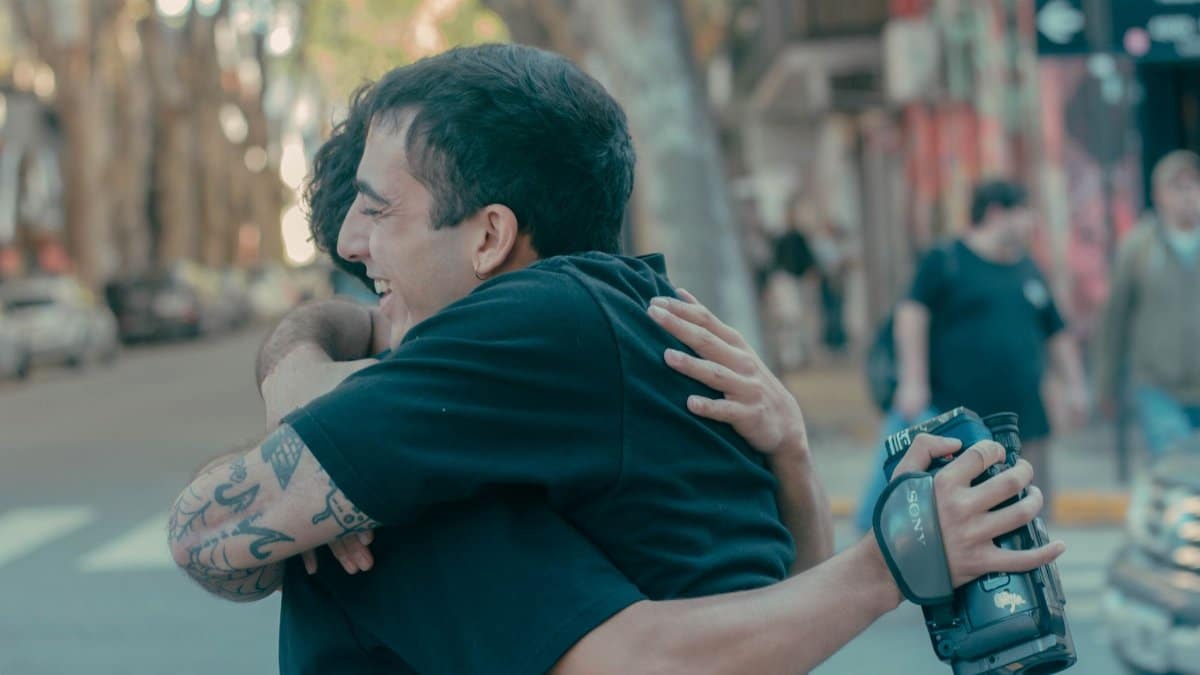
The finish looks like triumph from a distance and like logistics up close. Foil blankets, cramped calves, phones that will not unlock with sweaty hands, families trying to find one another in a pen designed for flow rather than reunion. The cheering does not end at the line. It changes register. The shout becomes a question. Are you all right. Do you want the banana. Can you walk to the curb. Heroics give way to the small competencies that get a person home.
This is where the spiritual language, if it is going to be used at all, should stay modest. No one was saved by a cowbell. A lot of people were accompanied. In a city that spends most days asking residents to move faster and look after their own errands, a morning organized around someone else’s hard thing is a noticeable reversal. The reversal does not last. Streets reopen. Bibs go in drawers. What remains is the memory that the public can still be drafted into kindness without a program telling it exactly how.
What the sidewalk asked of the city
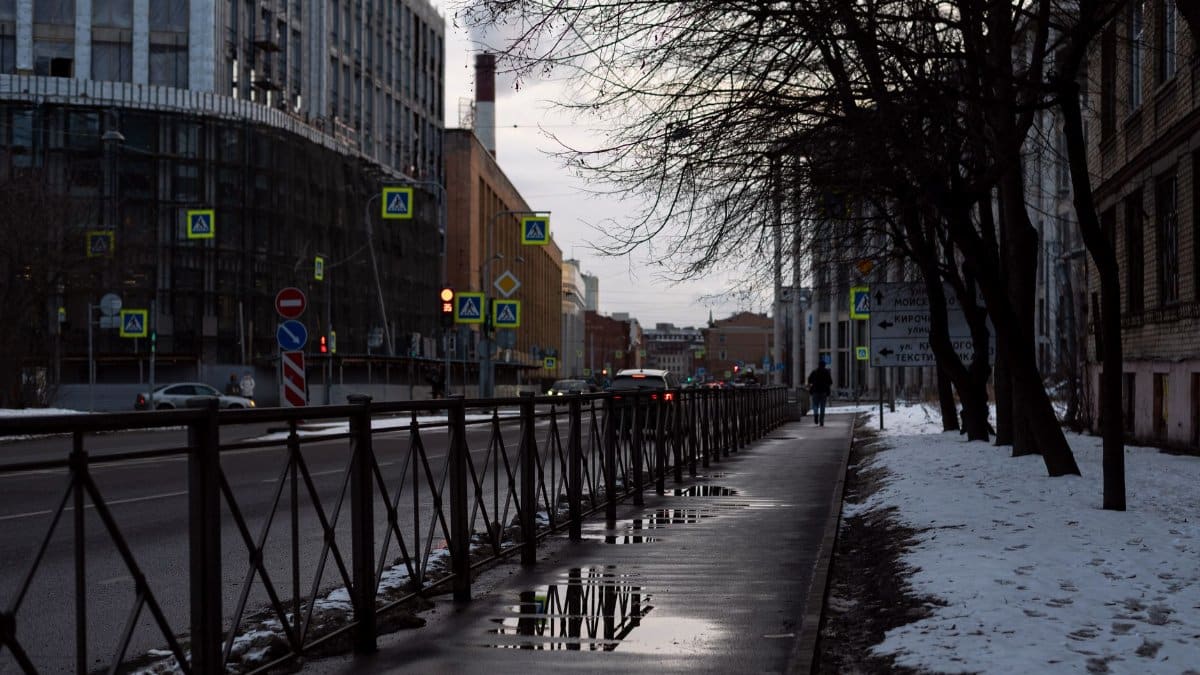
A race of this size is also a negotiation with traffic, policing, businesses, and neighbors who did not buy a ticket to the noise. Spectators are part of that negotiation whether they mean to be or not. They block crosswalks. They cheer past bedroom windows. They leave cups that someone else will have to collect. The generosity of the morning does not cancel the inconvenience. A grown up account of the day has to hold both. The same crowd that made a runner feel seen can make a resident feel displaced.
Cities that host big races learn, or fail to learn, how to widen the welcome without pretending the friction is imaginary. Clear crossings, honest timelines, enough trash cans, and a finish area that does not trap families in a maze are not glamorous requests. They are how encouragement stays hospitable. The athletes already did the hard physical work. The rest of the civic work is quieter: make room, then give the room back.
Cheering as a practice, not a mood
It is tempting to treat the roar as a feeling that descended on Philadelphia because the weather and the field cooperated. Feelings do not hold trays or letter signs or stand at mile 22 when the novelty has worn off. Practices do. The people on those sidewalks rehearsed something that is easy to praise and easier to skip: attention to a body that is not your own, loyalty that expires at sunset, humor offered without requiring thanks.
By late afternoon the cowbells were in tote bags and the gelatin was a story. About 20,000 finishers had a medal or a disappointment or both. The larger number, the 40,000 bibs and everyone who came to see them used, had already started to scatter into trains and kitchens. What they practiced will not trend for long. It does not need to. A city that can still assemble a congregation of strangers for the sole purpose of telling other strangers not to quit has not lost every old skill. It has only misplaced some of them, and on this weekend a great many people remembered where they were kept.