

On a November afternoon along the Benjamin Franklin Parkway, the louder part of race day has already thinned. Volunteers fold tables. Families drift toward the subway. Somewhere behind them, three people are still covering the last blocks of a distance that began before dawn. Those Philadelphia Marathon finishers arrive when the spectacle has quieted, and that quiet is part of the story. One of them, Douglas Hicks, crossed after 7 hours and 31 minutes. Five years earlier he had weighed about 500 pounds. The number on the clock is large. The change in his life is larger. I have stood near enough to late finish lines to know that the last steps rarely look like defeat. They look like a decision kept.
When the Spectacle Leaves and the Race Remains
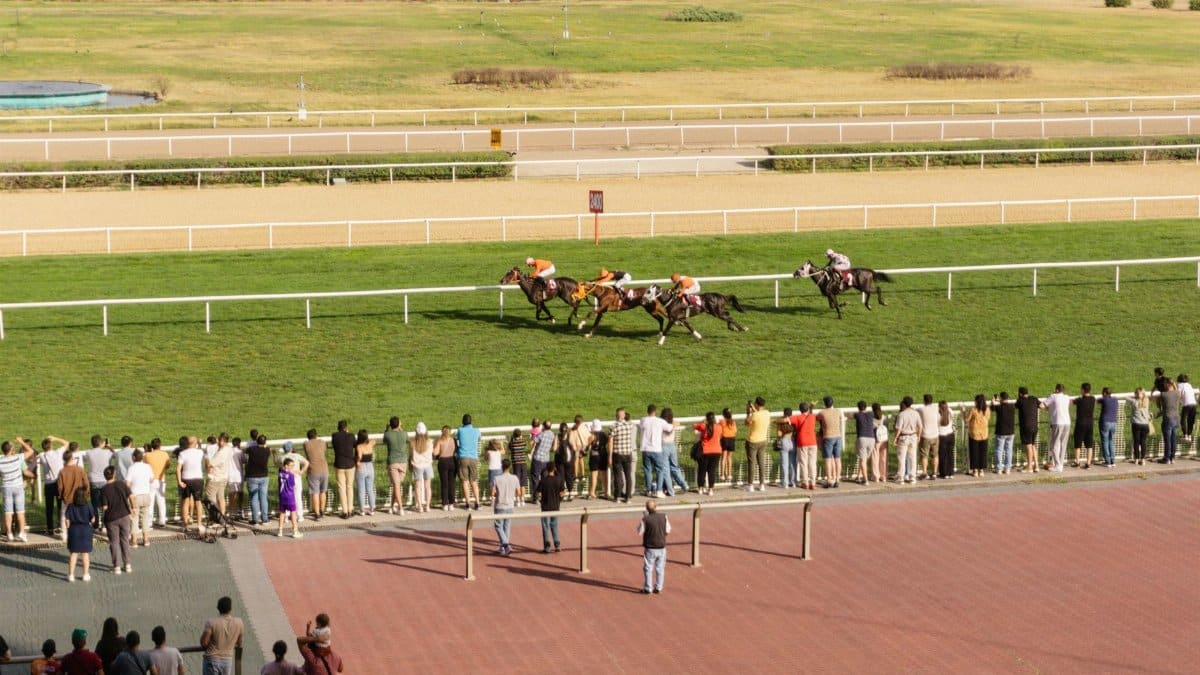
A big city marathon is built for the morning. Start corrals fill in the dark. Pace groups shout their plans. Bands play for people who still have spring in their legs. By early afternoon the public story usually feels finished. Winners have been interviewed. Friends have posted photographs. The course, though, is not a television segment. It is a street that stays open, in a limited way, for everyone who paid the entry fee and kept moving.
The final cluster matters because it reveals what the event actually promises. Not a fast time. Not a personal record. A chance to cover 26.2 miles under official eyes and to be counted. When the last Philadelphia Marathon finishers come in, the promise is tested in public. If the city only cheers the swift, the race is a show. If it still marks the slow, the race is a civic agreement.
Douglas Hicks and a Different Kind of Split
Hicks is the name attached, in the public account of this closing group, to a time of 7 hours and 31 minutes. That split will not appear on any elite start list. It will not threaten a course record. It does something else. It places a human body, changed over years, inside a distance that most people treat as an abstraction.
About 500 pounds, five years ago, is not a costume detail. It is a fact about joints, breath, sleep, and the ordinary doors of daily life. A person who has lived at that weight and later covers a marathon is not offering a slogan. He is offering evidence that time can be used. The marathon clock, cruel as it looks, is only one clock. The longer one started when he decided his body was not finished with him.
The Final Three as a Small Congregation
Last place is rarely a single lonely figure in a modern marathon. Course limits, medical tents, and the simple physics of fatigue tend to gather people. The final three become a small congregation whether they planned it or not. They share water stops that are being packed away. They share the odd quiet of a street that was roaring at 8 in the morning.
Calling them happy stragglers is not an insult if the happiness is theirs. Straggle once meant to wander from the line. On a certified course, wandering is not the point. The line is painted. The point is that they refused to leave it. Happiness, in that setting, is not confetti. It is the relief of a promise kept when the body has been arguing for miles.
What a Late Clock Actually Says

Seven hours and 31 minutes is a long time to be on your feet in November air, on asphalt, with a bib number that officials must still honor. Elite men in this race finish in a little more than two hours. The gap is not a moral ranking. It is a difference in training history, genetics, age, injury, and the life that had to be lived before the starting horn.
Spectators sometimes treat late times as failure with a medal attached. That reading is lazy. A cutoff exists so the city can reopen streets and so medical staff are not stretched past sense. Inside that limit, every recorded finish is complete. The clock tells you duration. It does not tell you cost. Cost lives in the years before the gun, in the walks that replaced drives, in the meals that changed, in the mornings when quitting would have been private and easy.
Streets After the Bands Go Quiet

Philadelphia builds this race into a familiar map. The start near the Art Museum. The run out toward Manayunk. The climbs that look gentle on a phone and feel personal on foot. By the time the last runners return toward the parkway, many of those neighborhoods have gone back to errands. That return to ordinary life is part of the late finisher’s landscape. You are still in an event. The city is already in Saturday.
There is a spiritual texture to that mismatch, if the word spiritual can mean attention rather than doctrine. You notice a hydrant, a cracked curb, a stranger who claps twice and means it. The course stops being a poster and becomes a sequence of choices: walk this block, run the next, do not sit down yet. Philadelphia Marathon finishers at the back experience the city as a series of permissions. A police officer still holding a cone. A volunteer still pointing the way. A clock that has not yet said no.
Weight, Dignity, and the Public Body

American culture likes transformation stories and often ruins them by rushing the ending. The interesting part is not a before and after photograph. It is the unphotographed middle, where weight comes off slowly and confidence comes back unevenly. Hicks’s public finish gives that middle a visible edge. People who have never run a mile can still understand what it means to cross a line you once could not imagine approaching.
Dignity is the right word, and it should be used carefully. It is not earned only by finishing. It was present when he weighed about 500 pounds. The marathon does not grant humanity. It offers a stage on which a private discipline becomes legible to strangers. That legibility can inspire. It can also tempt cruelty from people who think a slow time is a joke. A grown city should know the difference between humor and contempt.
Volunteers Who Stay for the Last Names
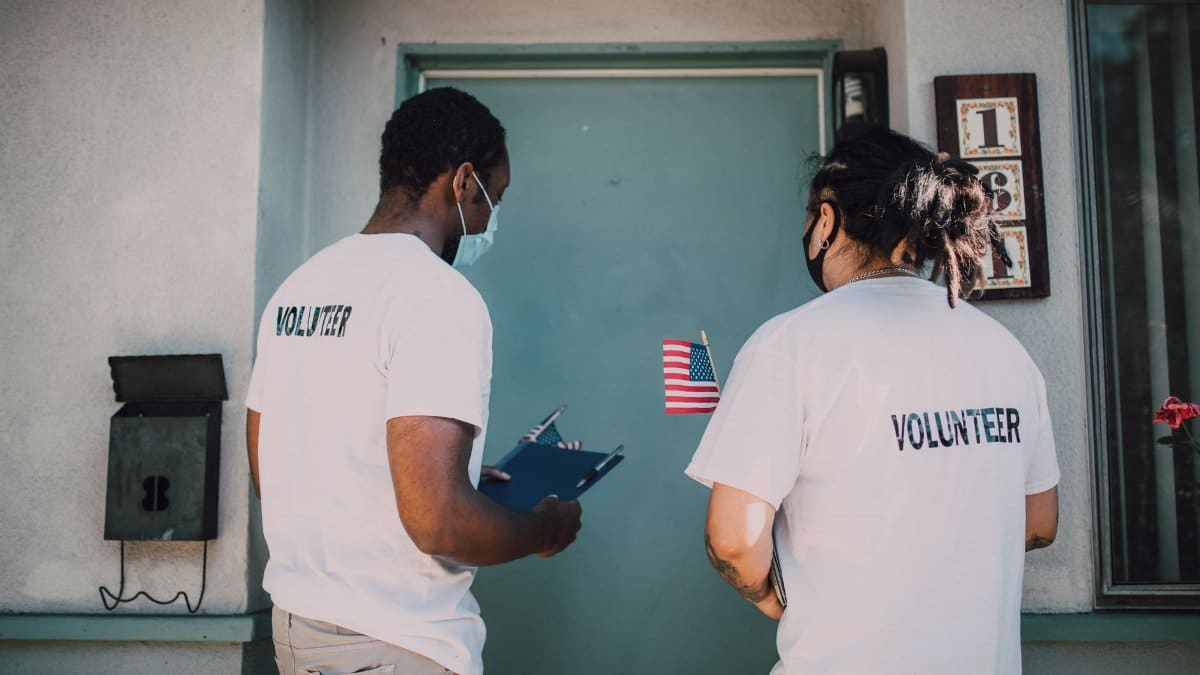
The uncelebrated half of a late finish is the staff that remains. Timing crews, medical volunteers, police details, and the person handing out the last medals are what make a slow official result possible. Their day is longer than the winners’ day. They watch pace deteriorate. They watch form break down. They also watch people refuse the easy exit.
If there is a trend worth naming in distance running now, it is not only super shoes and personal bests. It is the widening idea of who belongs on the course. Races that publish every finisher, including those near the limit, tell a truer story than races that crop the photograph at four hours. The final three are not a footnote to be embarrassed about. They are proof that the entry list was not a costume party for the already fit.
A Civic Ritual With a Theological Echo
Marathons are secular. No creed is required at packet pickup. Still, the shape of the day resembles older rituals of pilgrimage: a set distance, a shared hardship, witnesses along the way, a destination that is ordinary stone made briefly sacred by attention. Philadelphia has churches older than the race and a parkway designed for procession. On marathon Sunday the procession is sweaty and numbered.
The last to arrive disturb the usual hierarchy of procession. In many parades the important people come first. Here the important fact is completion, and completion arrives last. That reversal is worth sitting with. A culture addicted to rank can learn something from a result list that keeps going. The spiritual news, if we must use that phrase, is not that suffering is good. It is that continuance can be witnessed without shame.
How to Watch the Back of the Field
There is a practical etiquette for the rest of us. Do not ask a late finisher whether something went wrong, as if the only successful marathon is a fast one. Do not grab a photograph that turns a person’s body into a punch line. Do offer the same clap you offered at 9 in the morning, even if your coffee has gone cold. If you are a race director or a sponsor, leave the finish hardware in place until the limit. A banner taken down early is a small cruelty with a large message.
Readers who have never entered a marathon can still borrow the method. Pick a hard thing with a clear edge. Give it a honest timeline. Tell one person you intend to finish. Then finish inside the life you actually have, not the life in the advertisement. The miles will not match. The structure will.
Names on a List That Refuses to Hurry

Results pages are plain on purpose. A name, an age, a hometown, a net time. In that plainness the final names carry unusual weight. They close a public document. When Philadelphia Marathon finishers include someone whose recent history holds a weight of about 500 pounds and a finishing time of 7 hours and 31 minutes, the document becomes more than administration. It becomes a record of what a body agreed to do in front of a city.
The other members of that final trio deserve the same restraint we owe Hicks. They are not symbols to be invented, and they are not failures to be explained away. They finished. That verb is enough until they choose to say more. Journalism should not stuff their silence with motivational copy.
After the Medal, the Ordinary Monday

A finish line is a door, not a throne. On Monday the parkway belongs to traffic again. Hicks, and whoever crossed near him, will have stairs, jobs, families, and the strange emptiness that follows a goal held for months. The spiritual risk of a big race is that people treat the medal as the whole meaning. The saner reading is that the medal is a receipt. The purchase was all those unremarkable days of continuing.
Happy is a risky adjective for people whose legs are wrecked and whose stomachs may still be unsettled. If they are happy, it is likely a quiet kind. Not the happiness of winning. The happiness of being done, and of knowing the done was real. Philadelphia saw it, even if much of Philadelphia had already gone home. That is enough of a congregation for one November afternoon.