
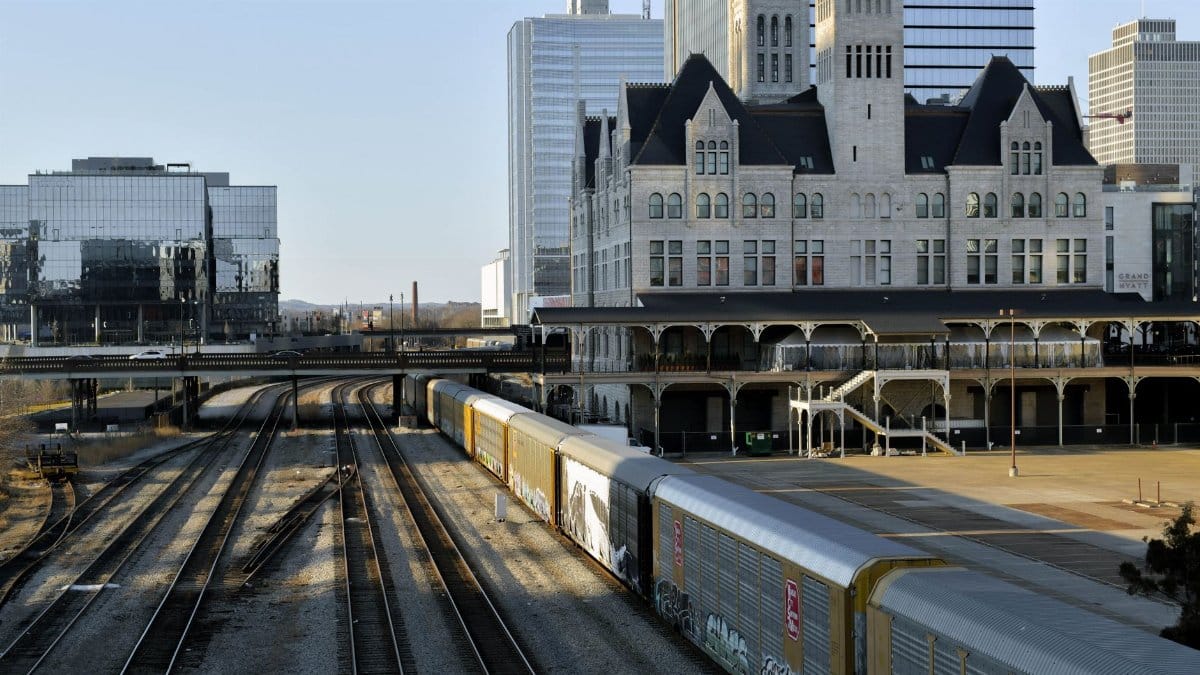
On a cool late October evening in Chester, the result that mattered most arrived before either side had finished its work. At halftime, with the score still level and the night still open, word moved through the stands that other outcomes had done what Philadelphia could not yet do alone. The Union playoff clinch was official while a full match remained unfinished. What followed was not a celebration that drowned the contest. It was a careful, almost stern exercise in not giving the evening back. Nashville SC left with the same blank scoreline it had carried into the break, and Philadelphia left with a place in the MLS Cup playoffs, secured on October 28 and then protected to the final whistle.
A berth that arrived before the second half

Playoff races often pretend to be dramas of the ninetieth minute. This one refused that script. By the interval, the arithmetic elsewhere had already closed. Philadelphia did not need a winner. It needed only to remain inside a result that other clubs had already made sufficient. That is a strange kind of news to absorb with forty five minutes still to play. Players who had spent months treating every point as urgent were asked, in the space of a break, to treat urgency as something that could be managed rather than chased.
The Union playoff clinch therefore had a double character. It was relief, and it was also a new assignment. Relief because the long season had produced a berth. Assignment because the berth was not yet a memory. It still had to be carried through a second half against a Nashville side with its own reasons to keep the match honest. A clinch announced at halftime can loosen a team or it can focus it. Philadelphia chose the narrower path.
The discipline of a scoreless night

A scoreless draw is easy to misread. From a distance it can look like absence, two attacks that never quite arrived, a match that failed to become a story. Up close it is often the opposite. It is a sequence of small refusals. A clearance that does not become a corner. A pass that dies before it becomes a chance. A goalkeeper who is asked to be exact rather than spectacular. Nashville did not come to Chester to decorate someone else’s party, and Philadelphia did not treat the second half as a lap taken after the work was done.
Holding a blank scoreline after the standings have already smiled on you is a particular test of attention. The crowd knows. The bench knows. The opponent knows that the home side has been given permission, in a technical sense, to be less than perfect. Permission is not the same as wisdom. Philadelphia spent the remaining minutes declining that permission. The draw finished as it had begun, level and scoreless, and the berth stayed where halftime had placed it.
Nashville and the right to spoil nothing

Visiting clubs are often written as scenery in nights like this. That is unfair, and it is also inaccurate. Nashville SC had a match to play, not a ceremony to attend. A team that travels and keeps a clean sheet on the road has done something real, even when the headline belongs to the other side. The tie did not hand Philadelphia a flourish. It handed both clubs a result that required nerve.
There is a dignity in not collapsing into someone else’s narrative. Nashville kept the game from becoming a procession. Philadelphia, newly certain of its postseason place, kept the game from becoming careless. The evening ended without a goal and without a sense that either side had treated the occasion as empty. For a league that sells intensity as its late season product, a quiet result can still be a serious one.
What certainty does to a stadium
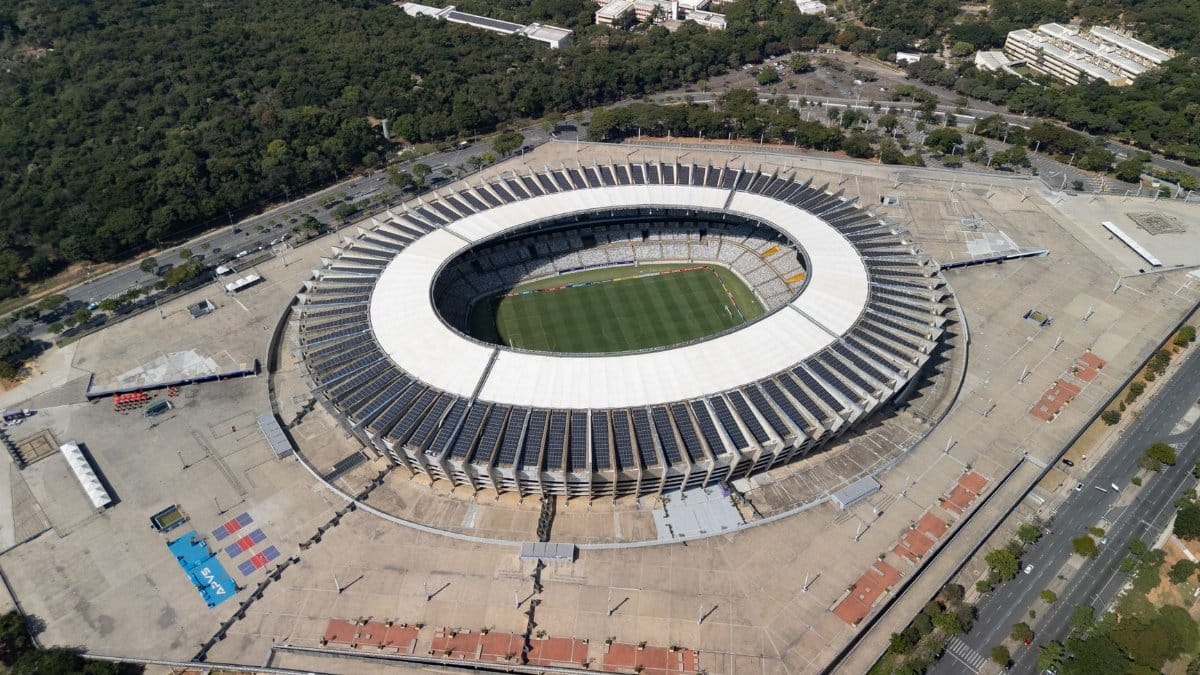
Supporters arrive hoping for a swing. They leave, on nights like this, with something less theatrical and more durable. Certainty. The Union playoff clinch did not require a roar at the death or a scramble in the box. It required people to sit with news that had arrived early and then watch their club behave as if the news were a responsibility. That is not the memory most fans rehearse when they buy a ticket in October. It may be a better measure of a team than the memory they wanted.
I have sat through enough late season soccer to know how quickly a confirmed berth can curdle into indifference. The second half becomes a social hour. Substitutions feel decorative. The opponent is granted chances that would have felt unthinkable in April. Chester did not offer that picture. The tie stayed taut because both teams declined to treat the remaining time as surplus. The stands, once they understood the math, had to decide whether to cheer a fact or to keep watching a match. Many did both, which is harder than it sounds.
October as an accounting month

Major League Soccer asks its clubs to live for months inside a table that never stops moving. Points are collected in weather that ranges from hostile to merely inconvenient. Injuries rearrange plans. Congested weeks punish any squad that confuses depth with a luxury. By late October the table stops being a conversation and becomes a verdict, at least for the clubs that have crossed the line and the clubs that have not.
A berth is not a trophy. It is admission. It says that the regular season has been competent enough, resilient enough, or fortunate enough to continue. Fortune is part of every race, and pretending otherwise flatters nobody. Philadelphia’s place was confirmed while its own match was still level, which means the wider weekend supplied part of the answer. That does not diminish the tie that followed. It explains why the tie mattered in a different register. The club was no longer playing to enter. It was playing not to embarrass the entrance.
The long season behind a single night

One scoreless draw cannot summarize a year, and it should not be asked to. The Union playoff clinch sits on top of months of results that this evening did not need to relitigate. Wins that felt routine at the time become, in retrospect, the bricks. Draws that felt disappointing become, in retrospect, the points that kept a margin alive. Losses that stung may have forced the adjustments that made a halftime announcement possible at all.
Journalism has a bad habit of collapsing that accumulation into the last visible night. The last visible night was controlled, spare, and decisive only because other games had already spoken. Readers who want a single hero will not find one in a blank scoreline. Readers who want evidence of a club that can hear good news and still keep its shape will find more. Philadelphia did not mark the moment by opening the match. It marked the moment by closing it.
Names, roles, and what we can honestly say

Match stories often rush to assign credit in precise doses. Saves, tackles, the substitute who changed the temperature. Some of that detail belongs to the people who were on the grass and to the reporters who watched every action with a notebook. From the facts that define this night, a narrower claim is the honest one. Malik Jakupovic was part of the frame in which this result will be remembered, a name attached to an evening when Philadelphia protected a berth rather than decorating it. Beyond that, the public record of the occasion is the score and the timing of the clinch, not a private tally of interventions.
Restraint here is not coyness. It is respect for the difference between a confirmed outcome and a reconstructed one. The confirmed outcome is enough to carry meaning. A club clinched at halftime. It then drew, scoreless, with Nashville SC. The postseason door opened while the match was still being played, and it remained open when the referee ended it.
How a clinch rearranges the weeks ahead

Once a berth is safe, the calendar changes character. Training can tilt, slightly, toward recovery and toward the specific problems a knockout opponent will present. Minutes can be managed with an eye on legs that must still be fresh when the first postseason whistle arrives. None of that is an excuse for indifference in the games that remain, and none of it is simple. A squad that eases too soon can lose the edge that earned the berth. A squad that refuses to ease at all can arrive at the playoffs already spent.
Philadelphia now lives inside that negotiation. The Union playoff clinch does not tell the club whom it will face, or where, or whether the next result will feel like justice. It tells the club that those questions are now allowed. That permission is the whole prize of a regular season. Everything before it is qualification. Everything after it is a shorter, harsher kind of soccer, in which a single poor night can erase months of accumulation. Players understand that shift even when they do not discuss it in public. So do coaches. So do supporters who have watched promising autumns end in a single cold evening.
The opponent as a measure, not a backdrop
Nashville’s share of the night deserves a second look, because scoreless draws are joint products. A visiting team that keeps its structure on the road forces the home side to solve problems rather than pose them. If Philadelphia had been loose after the interval, the blank scoreline might have broken in Nashville’s favor, and the clinch would have shared the headline with a late sting. It did not break. The visitors still compelled Philadelphia to treat every remaining minute as live.
That is a useful standard for both clubs. For Nashville, a road draw against a side celebrating admission to the playoffs is evidence of organization. For Philadelphia, surviving that organization without a lapse is evidence that the berth was not only a gift of other results. The home side still had to finish its own job. It finished it without a goal, which will frustrate anyone who equates quality with scoring. It will satisfy anyone who equates quality, on this particular night, with not surrendering what had already been earned.
Memory and the shape of a modest result
Years from now, few people will recite the texture of a scoreless tie. They will remember that Philadelphia was in the playoffs, and they may forget that the confirmation came at halftime on October 28 against Nashville. Forgetting is normal. It is also a loss. The manner of a clinch says something about the club that receives it. Some teams burst through the line with a late winner and a pile of bodies near the corner flag. This team heard the news early and then played as if hearing it were not the same as finishing.
There is no moral superiority in modesty. A wild winner would have been just as valid, and perhaps more joyful. The point is narrower. The Union playoff clinch, as it actually happened, was an exercise in sequence. First the table spoke. Then the match continued. Then the match ended level. Philadelphia accepted each part of that sequence without trying to replace it with a prettier one. In a sport addicted to the last kick, that acceptance is its own kind of clarity.
What the berth does not promise

A playoff place is an invitation, not a forecast. Clubs that clinch early can still exit early. Clubs that sneak in on the final day can still travel a long way. The regular season sorts the field. It does not rank destiny. Anyone writing about October 28 as if it settled November is writing fiction. The honest ending is smaller and more exact. Philadelphia secured an MLS Cup playoff spot at halftime, then held Nashville SC to a scoreless draw. The work of qualifying is complete. The work of the postseason has not started.
That distinction is worth keeping, because sports pages often slide from one to the other without noticing. Qualification answers a yes or no question. The tournament that follows answers a different question, repeatedly, under less forgiving rules. Philadelphia has earned the right to hear that second question. It earned it on a night when the decisive information arrived before the second half, and when the remaining minutes were used to protect a zero rather than to chase a headline. For a broad audience that does not live inside the table, that is the story. Not fireworks. A berth, confirmed early, and then kept.