

The Philadelphia School District has taken a bold step that could transform both educational outcomes and economic prospects across the city. By releasing an extensive collection of competitive opportunities, officials are inviting businesses to contribute to the vital work of supporting public schools. These philadelphia procurement bids encompass everything from classroom supplies to major facility upgrades. They promise to inject significant resources into the system while offering a platform for local enterprises to grow.
This development comes at a time when many middle aged Philadelphians are reflecting on the importance of strong public institutions in fostering community well being. With students returning to buildings that in some cases have seen better days, the timing seems particularly significant. The initiative reflects a deeper commitment to equity and opportunity in a city long defined by its resilience and sense of shared purpose.
The Vast Scope Of Current Contracting Opportunities

The district has outlined more than 40 separate solicitations with a projected total value exceeding 45 million dollars. These philadelphia procurement bids cover a remarkable range of needs including instructional materials, transportation services, technology infrastructure, and maintenance projects for aging buildings. Rather than consolidate everything under a few massive agreements, the district has chosen to break down the work into targeted contracts. This strategy encourages broader participation and allows smaller firms to compete effectively alongside larger organizations.
Analysts following public spending patterns note that such granularity often leads to more innovative solutions tailored to specific school environments. One bid focuses on updating science laboratories across 25 buildings while another seeks partners to modernize food service operations in high need neighborhoods. The deliberate breadth signals serious intent to address longstanding deficiencies while distributing economic benefits more widely.
Who Stands To Benefit From These Initiatives

Small and minority owned firms represent a primary focus of the current outreach. District leaders have emphasized their desire to see companies rooted in the very communities served by the schools submit competitive proposals. This emphasis aligns with a growing recognition that public dollars should circulate within the local economy rather than flow exclusively to distant corporations.
For many family run businesses in neighborhoods like Olney, Kensington, and West Philadelphia, these philadelphia procurement bids could provide a path to stability and expansion. A manufacturer of durable classroom furniture based in North Philadelphia, for instance, might finally secure a reliable institutional client. Similarly, technology service providers owned by women and people of color now have structured opportunities to demonstrate their capabilities on a larger stage.
Navigating The Complex World Of Public Bidding

Submitting a successful proposal requires careful attention to detail and thorough preparation. The district has published extensive guidelines outlining technical requirements, insurance mandates, and compliance standards. Potential participants must register on the official procurement portal and attend virtual information sessions scheduled throughout the coming weeks.
Those new to government contracting often find the process daunting at first. Yet district officials have pledged to offer technical assistance and mentoring resources to help smaller firms overcome common obstacles. This supportive approach distinguishes the current effort from past initiatives that sometimes left newcomers feeling overwhelmed by bureaucratic hurdles.
Stories Of Local Success In Previous Rounds

Recent years have produced several notable examples of local companies that transformed their fortunes through district contracts. A printing company in Germantown expanded its workforce by 30 percent after winning a multiyear agreement to produce educational materials. Another firm specializing in green cleaning solutions successfully bid on sanitation services and subsequently won similar contracts with other public agencies throughout the region.
These outcomes demonstrate the potential multiplier effect when public institutions deliberately open doors to local talent. The businesses not only gain revenue but often become anchors of stability in their neighborhoods, hiring residents and supporting other nearby enterprises. Such virtuous cycles strengthen the social fabric in ways that extend far beyond immediate financial transactions.
Improving Educational Spaces Through Strategic Investments

At its core, this procurement effort aims to create learning environments where students can thrive. Many Philadelphia schools still contend with outdated heating systems, inadequate lighting, and technology that lags behind contemporary standards. The selected vendors will play a direct role in addressing these issues and helping teachers deliver instruction more effectively.
Parents and educators alike express cautious optimism. They have seen previous waves of reform come and go, yet the current emphasis on competition and accountability offers reason for hope. When classrooms become more functional and inspiring, students often respond with greater engagement and improved academic performance. The connection between physical surroundings and educational outcomes has been documented across numerous studies including research from the University of Pennsylvania available at https://www.gse.upenn.edu/faculty-research.
Economic Ripple Effects Across The City

Beyond the schoolhouse walls, the impact of these contracts could reverberate throughout Philadelphia entire economic ecosystem. Construction firms will need laborers, suppliers will require drivers, and service providers will generate demand for everything from office equipment to professional development. Economists estimate that every dollar spent on local contracting generates approximately 1.8 dollars in additional regional activity.
This multiplier effect holds particular significance for a city still recovering from the economic disruptions of recent years. Middle aged residents who remember the industrial glory days understand how public investment can catalyze private sector growth. The current slate of philadelphia procurement bids therefore represents more than administrative housekeeping. It functions as deliberate economic policy delivered through the education system.
The Role Of Transparency In Building Trust

Public skepticism toward government contracting runs deep in many communities, often rooted in memories of past scandals or perceived favoritism. District officials appear determined to counter this cynicism by maintaining unusually high standards of openness. All bids will be evaluated according to publicly available scoring criteria, and award decisions will include detailed explanations posted on the district website.
This commitment to visibility serves both practical and symbolic purposes. It reassures taxpayers that funds are being deployed responsibly while simultaneously encouraging more companies to participate. When the process feels fair, the pool of applicants typically expands and the quality of proposals improves. The district has also pledged to create an independent oversight committee including community representatives to monitor implementation.
Aligning Procurement With Community Values
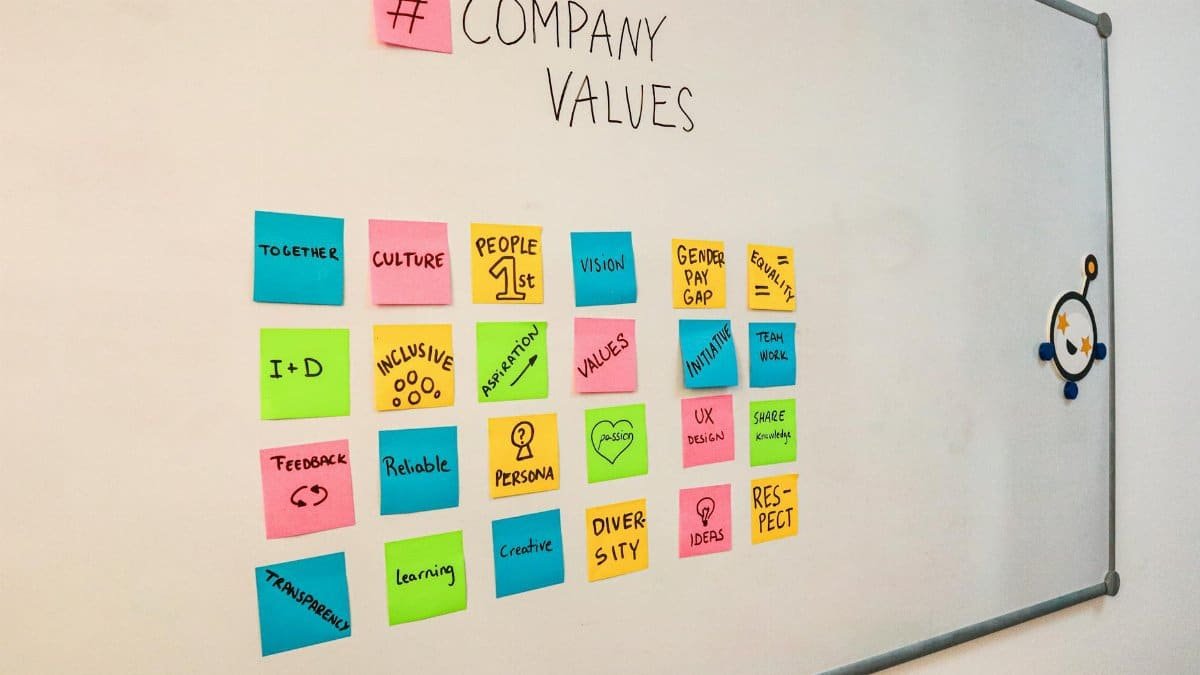
Beneath the technical language of requests for proposals lies a more profound conversation about values. Philadelphia has long prided itself as a city of brotherly love where care for the vulnerable and commitment to justice shape public life. These philadelphia procurement bids can be viewed through that lens as an expression of collective responsibility toward the youngest and often most disadvantaged residents.
When public institutions prioritize fairness, opportunity, and quality in their spending decisions, they affirm a moral vision of community. This approach resonates with spiritual and ethical traditions that emphasize stewardship, compassion, and the dignity of work. For many middle aged Philadelphians who attend churches, synagogues, and mosques across the city, the connection feels intuitive. Investing in schools through inclusive contracting becomes an act of hope, a tangible way to demonstrate belief in the potential of the rising generation.
The district announcement therefore carries significance that transcends balance sheets and organizational charts. It represents a statement about what kind of city Philadelphia chooses to be and what legacy its current leaders wish to leave for those who will inherit it.
Challenges That Lie Ahead For All Parties

Despite the promise, significant obstacles remain. Supply chain disruptions continue to affect pricing and availability of materials. Many small businesses still struggle to secure the bonding and insurance required for larger projects. Meanwhile, district staff must manage an unusually heavy procurement workload while simultaneously addressing daily operational demands.
Success will require sustained attention and willingness to adapt as issues emerge. The coming months will test whether the ambitious goals can be translated into concrete results. Observers will watch closely to see if the supportive measures for smaller firms prove sufficient or if additional adjustments become necessary. The transparency mechanisms must function as designed rather than becoming mere formalities.
What The Future Holds For School Related Contracting

Looking beyond the current cycle, district leaders hint at more fundamental changes in how they approach procurement. They envision a shift toward longer term partnerships that emphasize continuous improvement and innovation rather than one time transactions. Pilot programs exploring cooperative purchasing with other local government entities may emerge in coming years.
For the broader Philadelphia region, the current initiative could establish new benchmarks for inclusive public spending. Other school districts and municipal agencies have already expressed interest in studying the outcomes. If successful, this effort might influence procurement practices across Pennsylvania and serve as a model for cities facing similar challenges.
Ultimately the true measure of success will appear in classrooms throughout the city. When students learn in safer, better equipped environments supported by local businesses that reflect their communities, the investment will have fulfilled its highest purpose. In that sense these philadelphia procurement bids represent far more than administrative actions. They embody a quiet but meaningful act of faith in the future of public education and the enduring strength of the city itself.