
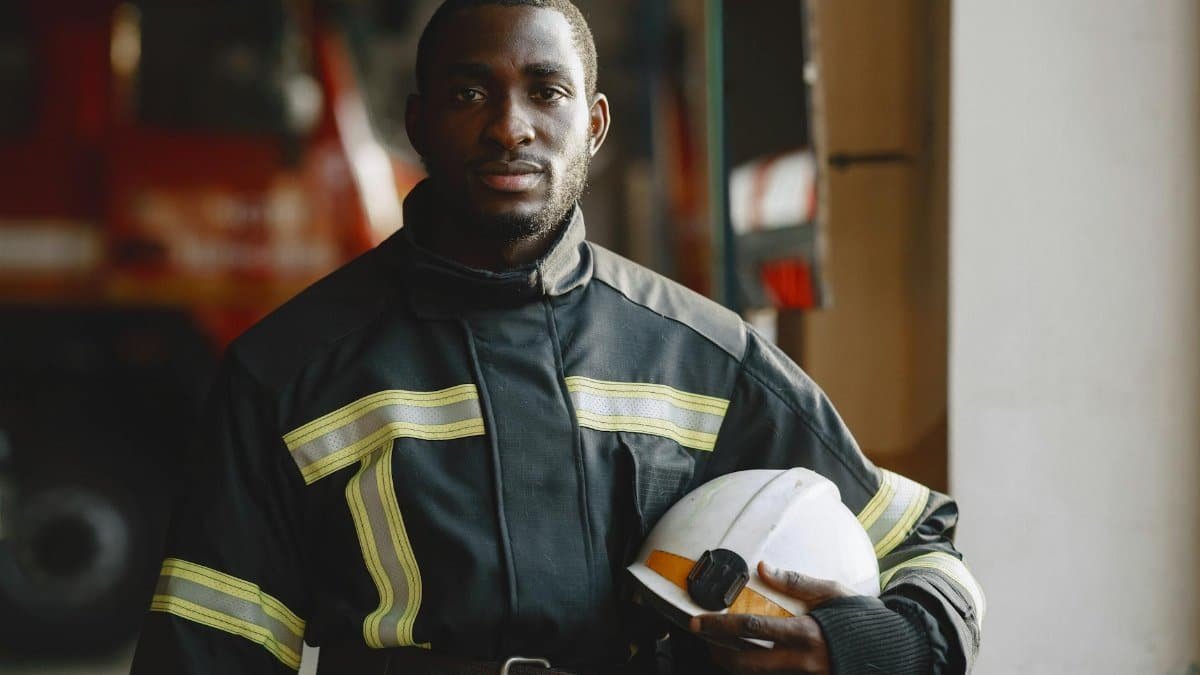
When Mayor Michelle Wu stepped to the podium last week to make her announcement few could have predicted the depth of emotion it would stir across Boston neighborhoods. After careful consideration she named Rodney Marshall as the city’s new fire commissioner. This appointment of rodney marshall fire commissioner marks a historic first for the city. It is the culmination of decades of effort to diversify the upper ranks of the department that has long served as a cornerstone of community protection. Residents from Roxbury to South Boston have expressed a mixture of pride and cautious optimism about what this change could mean for their daily lives and the future of local governance. The move comes amid national discussions on racial equity in emergency response agencies prompting many to view it as more than a personnel decision. It stands as a statement about the kind of city Boston aspires to be one that values every voice and ensures equal opportunity for leadership.
The Significance of This Appointment for Racial Equity

This decision reaches far beyond City Hall and into the daily reality of Boston’s neighborhoods. For years community advocates have called for leadership that mirrors the full spectrum of the city’s population. Marshall’s selection arrives as a tangible response to those calls. It acknowledges the quiet frustrations of generations who watched fire stations remain disconnected from the very people they swore to protect. Middle aged residents who recall the busing era and subsequent struggles for fairness see this moment as another step in a longer journey toward genuine inclusion. The presence of a Black leader at the top of one of the city’s most visible departments carries symbolic power that can shift perceptions about who belongs in positions of authority. Yet the real test will come in the policies and culture shifts that follow. Wu has made clear her administration views diversity not as window dressing but as essential to effective governance. Early indications suggest Marshall understands the weight of this expectation and intends to honor it through concrete action rather than rhetoric alone.
Rodney Marshalls Journey Through the Ranks
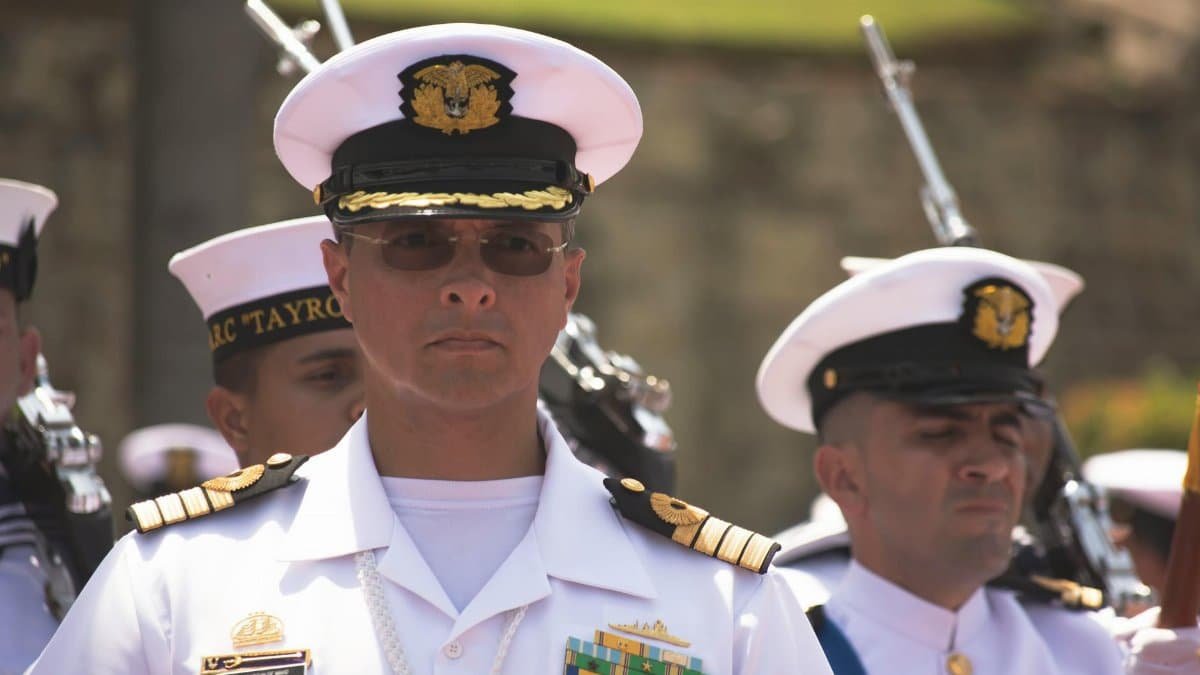
Marshall began his career in the early 1990s as a young firefighter assigned to busy engines in Dorchester. Colleagues from those days remember a quiet professional who showed up early stayed late and earned respect through competence rather than charisma. Over three decades he advanced methodically through lieutenant captain and district chief roles while earning advanced degrees in public administration. His steady climb occurred during periods when promotion ceremonies rarely featured faces that looked like his. Marshall has spoken sparingly about those obstacles choosing instead to focus on the work itself. Those close to him say this restraint reflects a deep belief that results matter more than complaints. Before his latest appointment he served as deputy commissioner where he modernized training protocols and improved coordination between fire prevention and emergency medical services. This background gives him credibility with both union members and reform minded observers a balance few achieve.
Mayor Wu Charts a New Course for Boston

Wu’s choice fits a pattern established since she took office. She has consistently elevated leaders who bring fresh perspectives to longstanding institutions. In education public health and now public safety the mayor has signaled that competence and lived experience matter as much as traditional credentials. Her introduction of Marshall emphasized his character as much as his resume describing him as someone who leads with both humility and resolve. For observers of local politics this appointment reinforces Wu’s commitment to reshaping Boston’s power structure. She has faced criticism from those who prefer the old ways yet she continues to argue that a city as diverse as Boston cannot afford to leave talent on the sidelines. The selection process itself reportedly involved extensive consultation with community groups and department veterans suggesting an approach designed to build consensus rather than dictate terms. This methodical style has become a hallmark of her leadership.
Community Leaders Weigh In on the Decision
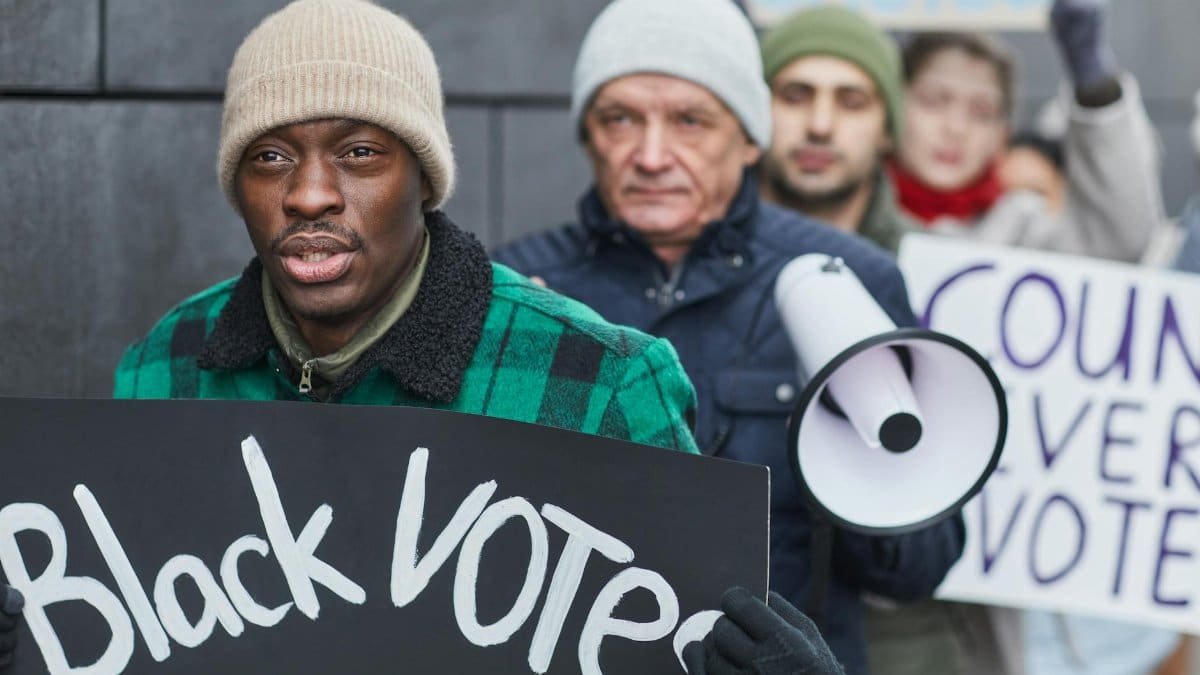
Reaction across Boston has been largely positive though not without nuance. Reverend Kevin Peterson of the Black Ministerial Alliance called the appointment a answer to many prayers for justice in city institutions. Other civic leaders echoed that sentiment noting that young people in communities of color now see new possibilities for public service. The Boston NAACP issued a statement praising Wu for fulfilling a promise made during her campaign while urging Marshall to address disparities in response times across neighborhoods. Not all feedback has been celebratory. Some retired firefighters expressed concern that the focus on race might overshadow qualifications though they were careful to note Marshall’s record appears strong. In Roxbury and parts of Dorchester where fire departments have sometimes felt like outposts of another era residents hope the new commissioner will bring greater understanding of local challenges. These varied perspectives illustrate the complexity of institutional change in a city with deep roots and strong opinions.
Confronting a Legacy of Division in the Department
The Boston Fire Department has not escaped the tensions that have affected similar agencies nationwide. Past investigations revealed patterns of exclusion in hiring and promotion that lingered for years after formal barriers fell. Union dynamics sometimes exacerbated these divides creating an us versus them atmosphere that compromised morale. Marshall assumes leadership at a time when the department must heal old wounds while preparing for new realities such as climate driven emergencies and evolving urban risks. His challenge involves honoring the proud traditions of sacrifice and bravery that define firefighting while gently but firmly dismantling practices that no longer serve the entire city. Those familiar with his work believe he possesses the temperament for this delicate task. He has consistently advocated for unity based on shared mission rather than forced conformity. Success here could provide a model for other city departments still wrestling with similar legacies.
Leadership Qualities That Set Marshall Apart

Those who have observed Marshall in action highlight several distinctive traits. He listens more than he speaks a quality increasingly rare in high visibility roles. When he does speak his words carry the authority of someone who has carried hoses up narrow stairwells and made life and death decisions under pressure. Colleagues describe an ability to remain calm during chaotic scenes whether at a four alarm fire or a contentious community meeting. Marshall also demonstrates genuine curiosity about the experiences of others regardless of rank or background. This combination of operational expertise and emotional intelligence positions him well for the current moment. In an era when trust in institutions has eroded his authenticity offers a foundation for rebuilding confidence. He has made clear in early remarks that the job belongs equally to every Bostonian and that the department must reflect that truth in both appearance and practice.
The Moral and Spiritual Undertones of Progress

Beyond policy and personnel lies a deeper current that many in Boston recognize but few articulate in official settings. This appointment touches on fundamental questions of human dignity and collective healing. In houses of worship across the city from historic Black churches to progressive congregations people have framed Marshall’s selection as evidence that moral arcs do bend toward justice even if the pace sometimes frustrates. The spiritual dimension emerges not in supernatural claims but in the profound sense of possibility this moment creates for both the appointee and the community he serves. For middle aged Bostonians who have witnessed decades of incremental change this feels like one of those rare occasions when abstract values of fairness and human worth take visible form. It suggests that leadership itself can become a form of witness a public declaration that every person’s gifts deserve room to flourish. Such moments nourish the civic soul in ways that budgets and strategic plans never can.
Potential Changes in Fire Department Policies

Marshall has indicated several priority areas without revealing specifics that might alarm stakeholders. Enhanced recruitment from underrepresented communities tops the list along with improved mental health resources for firefighters facing trauma. Community engagement initiatives may expand to include greater transparency around response data and equipment distribution. Training programs could incorporate more content on implicit bias and cultural awareness while maintaining rigorous technical standards. Observers expect a thoughtful rather than revolutionary approach given Marshall’s history of working within systems to create change. His experience suggests he will seek buy in from veteran firefighters whose cooperation remains essential for any lasting progress. Early signals point toward pilot programs in select neighborhoods to test new models of service delivery that blend emergency response with preventive outreach. These efforts could reshape how Boston thinks about the role of its fire department in the 21st century.
Building Trust Between the Department and Residents
Trust forms the foundation of effective emergency services yet it cannot be mandated through policy alone. Marshall faces the task of convincing both his firefighters and the public that this appointment represents genuine evolution rather than political theater. In neighborhoods where skepticism runs deep he will need to demonstrate through consistent actions that every call for help receives equal urgency regardless of zip code. For firefighters wary of change he must prove that diversity strengthens rather than dilutes the proud culture of service. This dual responsibility requires both strategic vision and personal presence. Marshall’s supporters believe his decades of relationship building across divides give him unique tools for this work. Success will be measured not in press releases but in the quiet accumulation of positive interactions between firefighters and the communities they serve. Over time these small moments of recognition and respect can transform institutional culture in ways that endure beyond any single administration.
What the Future Holds for Boston Public Safety
As Marshall settles into his new responsibilities the city watches with attentive hope. His success could inspire similar moves in police leadership and other departments while failure would provide ammunition for critics of Wu’s broader agenda. The stakes extend beyond Boston as other municipalities study how this appointment unfolds. For residents the ultimate measure of progress will appear in faster response times fairer promotion practices and a department that feels truly accountable to all neighborhoods. Marshall has the opportunity to redefine what competent compassionate leadership looks like in urban firefighting. If he can navigate the inevitable political crosscurrents while delivering measurable improvements he will leave a legacy that transcends being first. The coming months will reveal whether this historic appointment becomes merely a noteworthy footnote or the beginning of a more profound transformation in how Boston protects its citizens. For now the city holds its breath with cautious optimism that leadership rooted in both competence and conscience might point the way forward.
The road ahead contains obstacles both obvious and hidden. Yet something meaningful has shifted in Boston’s civic landscape. Marshall’s appointment invites everyone who cares about this city to imagine public institutions that truly belong to all of us. In that invitation lies the real promise of this moment.