
On a gray morning in downtown San Francisco, the argument over who should own the poles and wires sounds less like a utility hearing and more like a custody fight over a city. PG&E chief executive Patti Poppe has put a hard figure on that fight, saying a municipal takeover of the local electric system could cost more than $20 billion. The phrase SF power grid $20B now sits at the center of a debate that will shape bills, blackouts, and political careers for years. I have covered enough infrastructure fights to know that the first number is rarely the last one. It is, however, the number that forces everyone else to show their math.
A price tag meant to stop the room

Poppe did not invent the idea of a costly separation. She did something more pointed. She attached a sum large enough to make a political project feel like a mortgage on the whole city. More than $20 billion is not a line item. It is a warning that the wires, substations, easements, trucks, software, and unfinished obligations do not come free just because a city wants them.
San Francisco has argued for years that local control could mean cleaner power, tighter accountability, and a utility answerable to voters rather than shareholders. PG&E answers that the grid is not a vacant lot. It is a working machine with debts, contracts, and a replacement cost that shocks people who only see the poles.
Why the city wants the wires
The desire for public power in San Francisco is older than the current chief executive and older than the latest round of rate anger. Advocates say an investor owned company has mismatched incentives. It earns on capital. A city, they argue, can borrow more cheaply, skip a profit margin, and aim spending at neighborhoods rather than at a statewide balance sheet.
That case has emotional force after years of shutoffs, wildfire fear, and bills that feel detached from household reality. Residents do not experience a grid as a financial model. They experience it as a refrigerator, a clinic, a small shop, and a phone that needs a charge. When the lights fail, ownership becomes a moral question as well as a technical one.
What the company says is actually for sale

PG&E treats the SF power grid $20B estimate as a floor built from assets and obligations, not a scare number pulled from a slogan. A municipal takeover would require the city to acquire distribution equipment inside San Francisco and to compensate the company for value that does not sit neatly inside the county line. Power does not stop at a border. Crews, control rooms, wholesale contracts, and backup capacity are shared.
Separation costs money even before anyone argues about profit. Systems must be split. Records must move. Workers must be hired or transferred. Insurance must be rewritten. A city that has never run this particular network would need a standing organization on day one, not a task force that figures it out after the closing.
Valuation is where the fight lives

The gap between the two sides is not only political. It is a fight over method. One method looks at what it would cost to rebuild the system today. Another looks at depreciated book value, the accounting figure left after years of wear. A third looks at lost future earnings. Courts, regulators, and negotiators have spent decades arguing which lens is fair when a city tries to take utility property.
San Francisco officials have long suggested the real price is far below the company figure. PG&E says that view ignores replacement cost and the expense of unwinding a system that serves a dense, hilly, electrically hungry city. Until an independent appraisal survives cross examination, both numbers are opening bids. The SF power grid $20B claim is the bid designed to dominate the headline.
Ratepayers will pay either way

Whoever wins the argument, households should not expect a holiday. If the city buys the grid, it will finance the purchase with bonds. Those bonds need revenue. Revenue comes from rates, taxes, or some blend that local leaders will be reluctant to describe in plain speech. If PG&E keeps the grid, customers keep paying an investor owned utility whose spending plans face state review and whose past disasters still haunt the bill.
Public ownership can lower the cost of capital. It does not erase the cost of copper, transformers, skilled labor, or underground work in a city where a single street opening can tangle with transit, water, and old foundations. A cheaper owner is not the same thing as a cheap system.
Reliability after the handoff

The least examined question is operational. A takeover on paper is a transaction. A takeover in the field is a Saturday night outage in the Richmond or the Mission, with a crew that must know the circuit, the traffic, and the customer who depends on a medical device. Institutional memory is an asset that does not appear as a tidy line in a valuation, yet it decides whether the first year feels competent or chaotic.
Supporters of municipal power point to public utilities that run well and answer to local boards. Skeptics point to the years it takes to build a culture of maintenance. San Francisco would not be inventing public power. It would be inheriting a dense urban network while the climate delivers hotter peaks, wetter storms, and more stress on equipment that is already aging.
Wildfire liabilities do not vanish at the border
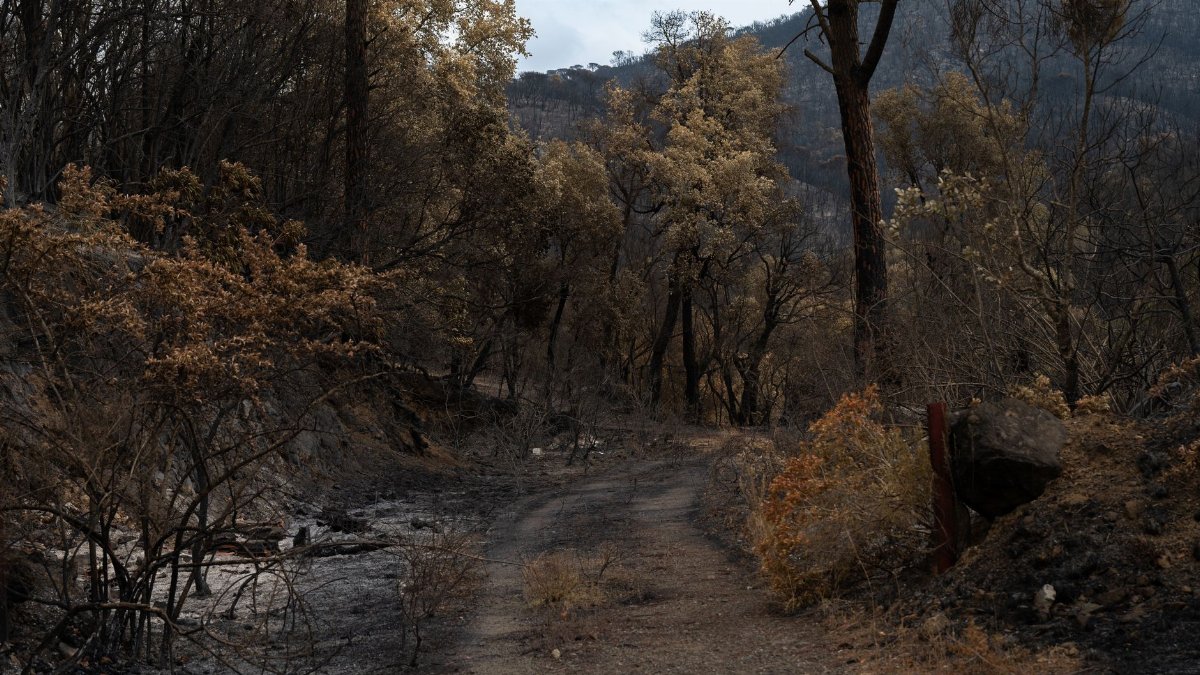
Much of PG&E trauma comes from wildfire country far from Market Street. That geography tempts a simple story: let the city take the safe urban grid and leave the rural risk behind. The law and the contracts are less tidy. Liabilities, insurance, and shared generation arrangements do not sort themselves by zip code. Any separation has to decide who remains on the hook for past harm and who pays to harden lines that still feed the city from outside it.
This is why the SF power grid $20B figure is larger than a casual inventory of poles inside the city limits. It is an attempt to price entanglement. Critics will say entanglement is being inflated. They still have to explain how a clean break works when electrons, crews, and debts cross the same county line every hour.
Politics moves slower than outages

A municipalization campaign is a marathon of studies, ballots, lawsuits, and regulatory briefs. Each stage creates a new chance to revise the number. Supporters need a figure low enough to win votes. The company needs a figure high enough to warn bond markets and neighborhood groups. Reporters need a figure that fits in a headline. None of those needs is the same as a final judgment.
City leaders face a narrower political problem. They must persuade residents that taking on a vast utility is an act of protection rather than an act of hubris. PG&E must persuade those same residents that the company which became a symbol of failure can still be the safer steward. Trust is the scarce resource. Money is only the unit used to measure its absence.
What a fair process would demand

A serious process would separate rhetoric from appraisal. It would publish the asset list, the assumed interest rate, the labor plan, the separation costs, and the treatment of existing debt. It would say which risks stay with PG&E and which risks move to the city. It would test the operating plan against a bad winter, not against a press conference.
It would also admit uncertainty. Engineers can estimate a substation. They cannot fully price a decade of politics. If San Francisco proceeds, voters deserve a range, not a charm. If the company wants its warning believed, it should welcome the same sunlight. The phrase SF power grid $20B is useful only if the worksheets behind it can survive people who do not work for either side.
The number is a beginning

Poppe has succeeded in one respect. She has made it harder to talk about a takeover as a slogan. More than $20 billion is a sum that asks for adult supervision. It does not, by itself, decide who should own the system. A high price can be a reason to pause. It can also be the cost of leaving a relationship that residents no longer trust.
San Francisco can still decide that local control is worth a fortune. PG&E can still argue that the fortune is larger than advocates admit and that the service risk is real. The honest work sits between those claims. Until appraisers, regulators, and voters see the same books, SF power grid $20B remains a provocation, not a verdict. The lights will not wait for the verdict. That is the part of this story no balance sheet can dim.