

The laughter of children fills the air at a modest day care facility in St. Paul. Parents drop off their little ones each morning trusting that these spaces will nurture and protect them. But in recent years that trust has been tested. With federal immigration policies intensifying many immigrant families live with the constant worry that authorities could appear at any moment. It is in this climate that a new bill seeks to shield these essential services. The effort reflects what many call Minnesota Nice a commitment to looking out for one another especially when it comes to the most vulnerable. The debate over day cares ICE has highlighted deep divisions yet also a shared desire to keep children safe regardless of their parents legal status.
The Tradition of Minnesota Nice

Minnesota Nice represents far more than polite nods and holding doors open. It captures a deeply held regional identity shaped by generations of farmers immigrants and community organizers who believed society improves when people look after the vulnerable. In modern times this ethos appears in policies that welcome refugees fund public education and create buffers between local institutions and aggressive federal actions. Protecting young children in their earliest learning environments fits squarely inside this tradition. Advocates argue that allowing fear to empty day care classrooms would betray the very idea of neighborliness that defines the state.
Immigration Enforcement Challenges in Child Care

Federal agents pursuing immigration violations have increasingly encountered practical dilemmas in places where young children gather. Reports from around the country describe parents avoiding routine medical visits or educational programs because they dread encounters that could lead to detention. In Minnesota this anxiety has begun to affect enrollment numbers at neighborhood day cares particularly those serving Latino Asian and East African communities. When parents stay home from work to avoid perceived risks entire families lose income and children miss critical social development. Local officials note that such patterns strain social service systems and weaken community cohesion over time.
Proposed Legislation to Safeguard Spaces
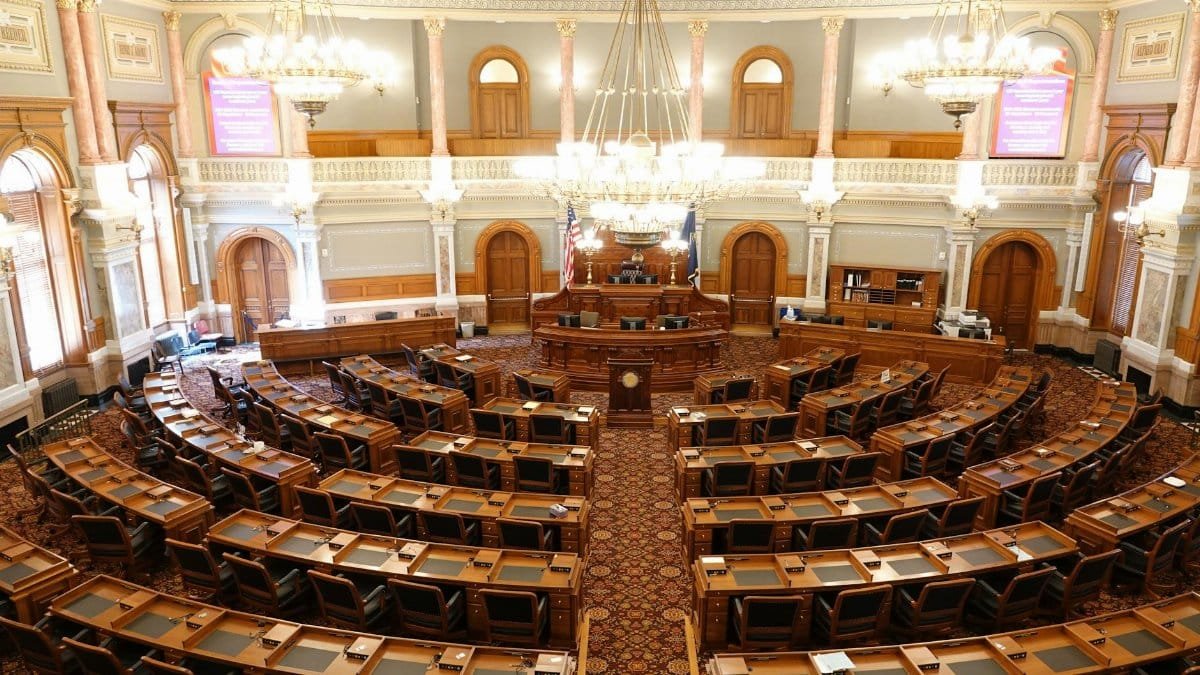
A bill now moving through the Minnesota Legislature would restrict immigration enforcement actions inside or near licensed day care facilities without clear judicial oversight. Sponsors insist the measure does not interfere with legitimate law enforcement but instead prevents disruptive raids that traumatize children and erode public trust. The legislation draws from similar school safety statutes already on the books. Supporters point to the original Star Tribune coverage of these tensions as evidence that calm predictable environments matter most for developing minds. If passed the law would clarify that day cares function as sensitive places where childhood must remain separate from adult immigration disputes.
Spiritual Values at the Heart of the Debate

Faith communities across Minnesota have entered the conversation with unusual vigor. Pastors imams and rabbis describe protecting day cares ICE as a moral imperative drawn from sacred texts that command care for the stranger and the smallest among us. Many congregations operate their own early childhood programs and have witnessed firsthand how fear ripples through families. These leaders frame the bill as an expression of spiritual hospitality rather than a political statement. In their view society reveals its true values in how it treats children who did not choose their birthplace or their parents paperwork. Several interfaith coalitions have organized letter writing campaigns and quiet lobbying days at the Capitol.
Stories from Families and Providers

Maria Gonzalez runs a small day care on the north side of Minneapolis that serves mostly recent immigrants. She recalls a morning when rumors of an enforcement operation nearby caused half her families to keep their children home. The toddlers who did arrive seemed unsettled by the empty chairs. Gonzalez says the children sense tension even when adults try to shield them. Another parent an Ethiopian mother named Amina described the relief she felt knowing her two year old spends days in a place that feels like an extension of their household rather than a potential trap. These personal accounts illustrate why many residents see the proposed protections as simple common sense rooted in human connection.
The Role of Faith Communities in Advocacy

Beyond issuing statements religious groups have offered practical support. Lutheran Catholic and Muslim organizations have pooled resources to train day care staff on emergency protocols that respect both child wellbeing and legal boundaries. Some congregations provide backup emergency childcare when families face sudden immigration hearings. This work reflects a broader spiritual trend visible in many American communities where houses of worship step into gaps left by policy disputes. Minnesota faith leaders emphasize that their motivation stems from centuries old teachings about justice and mercy not from any particular political ideology. Their sustained involvement has helped shift the tone of public discussion toward compassion.
Economic Considerations for Minnesota

Child care availability directly affects workforce participation. When immigrant parents cannot safely place their children in day cares many must leave jobs that support local businesses and tax revenues. Economists at the University of Minnesota estimate that disruptions in early childhood programs could cost the state millions in lost productivity each year. Small businesses in construction hospitality and health care rely heavily on immigrant labor. If those workers stay home the effects cascade through supply chains and consumer spending. Policymakers therefore view the bill as having implications that reach well beyond immigration itself touching the economic health of entire regions.
Legal Questions Surrounding the Bill

Opponents question whether states can limit federal authority in this manner. Legal scholars note that immigration enforcement remains a national power yet courts have long recognized certain sensitive locations where routine operations require extra care. Schools hospitals and places of worship have historically received deference. Extending similar consideration to day cares appears consistent with that precedent though litigation seems likely if the bill becomes law. Supporters cite federal guidelines that already discourage enforcement actions at schools and argue the proposal simply codifies best practices. The coming legal debate will test the balance between compassion and constitutional authority.
Diverse Voices in the Conversation

Public opinion in Minnesota reveals complexity. Rural residents sometimes express concern that the bill could encourage illegal immigration while urban communities with large immigrant populations overwhelmingly back the measure. Business owners find themselves split between labor needs and rule of law principles. Even within law enforcement some officers quietly support limits on day care actions arguing that frightening small children damages community policing relationships. This diversity of perspective suggests the legislation has touched a nerve that goes deeper than partisan lines. Lawmakers must navigate these cross currents if they hope to pass a version that can survive both votes and court challenges.
Pathways Toward a Compassionate Approach

Ultimately the Minnesota bill represents one attempt to live out the state distinctive brand of decency in an era of national tension. By focusing on the wellbeing of children in day cares rather than abstract political battles legislators hope to model an approach grounded in practicality and humanity. Success would signal that Minnesota Nice remains a living principle capable of shaping policy even on difficult subjects. Failure might indicate that broader national divisions have finally reached the North Star State. Either way the conversation has revealed how deeply many residents care about preserving safe spaces for the youngest members of their communities. The coming weeks in St. Paul will show whether that care can translate into concrete protection for the places where childhood unfolds.
The outcome matters not only for immigrant families but for everyone who believes society reveals its soul in how it treats its most dependent members. In that sense this debate transcends immigration policy and touches something closer to collective identity and spiritual responsibility. Minnesota has long prided itself on finding humane solutions to complex problems. The question now is whether that reputation will hold when the vulnerable children in question speak languages from around the globe and carry papers that remain in legal limbo.