
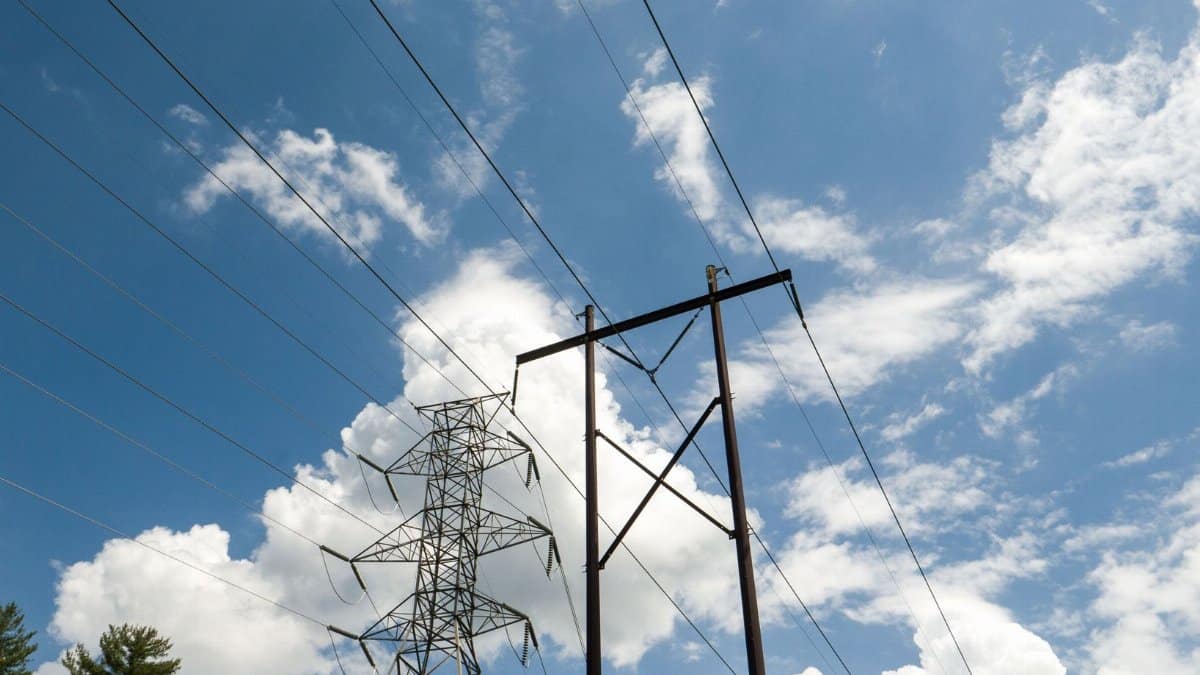
Residents across San Francisco have endured sudden blackouts that disrupted daily routines and left many questioning the reliability of local infrastructure. The situation escalated when thousands experienced repeated disruptions in quick succession leading to public outcry over SF PG&E outages and calls for accountability from utility providers and city officials alike. Families reported spoiled food and halted work while businesses lost revenue during peak hours. Community meetings filled with concerned voices seeking explanations and assurances that such events would not recur soon.
Impact on Daily Life for Local Families

Households found themselves navigating evenings without lights or refrigeration forcing creative solutions like shared meals with neighbors. Parents described challenges in helping children with homework by flashlight while older residents worried about medical devices that require steady electricity. These interruptions highlighted vulnerabilities in modern urban living where dependence on consistent power remains high.
Business Community Faces Mounting Losses

Restaurants and retail shops reported significant drops in sales as customers stayed away during outages. Some owners resorted to generators at added expense but many smaller operations lacked such backups. The cumulative effect raised concerns about economic strain in neighborhoods already adjusting to shifting market conditions.
Company Statements and Public Response

Officials from the utility issued apologies and cited external factors like equipment strain from recent weather patterns. Critics however pointed to prior warnings about aging systems and demanded more transparent maintenance schedules. Public forums grew heated as attendees pressed for concrete timelines on upgrades.
Historical Patterns of Service Interruptions

Records show that similar events have occurred in prior years prompting studies on grid resilience. Experts note that San Francisco unique geography adds layers of complexity to infrastructure management. Lessons from past incidents appear underutilized based on current experiences.
City Officials Seek Regulatory Involvement
Local leaders have contacted state agencies to review compliance with safety standards. Discussions include potential fines or mandated improvements to prevent future widespread failures. Advocates argue that stronger oversight could restore trust among ratepayers who fund the system through monthly bills.
Resident Led Protests and Advocacy Efforts
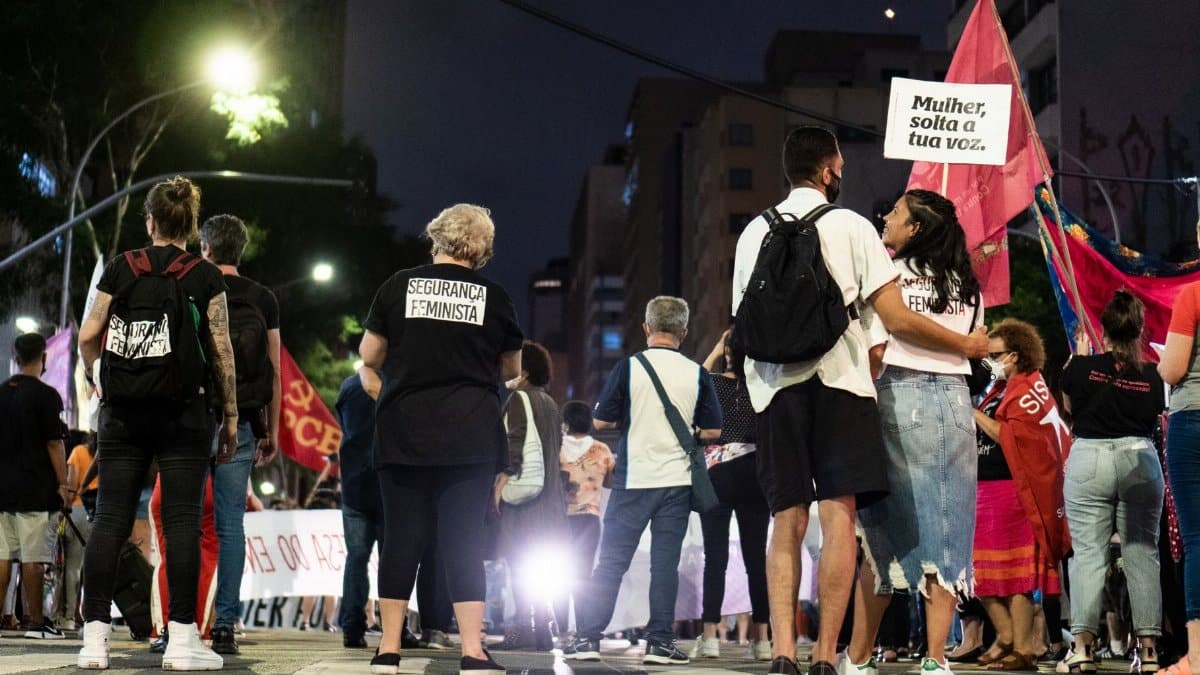
Groups organized gatherings outside utility offices to voice frustrations and share personal stories of disruption. Petitions circulated online gathered signatures rapidly calling for independent audits. These actions reflect broader dissatisfaction with how essential services are delivered in dense urban settings.
Exploring Alternative Energy Solutions

Some communities have begun considering solar installations and battery storage as ways to reduce reliance on central providers. Pilot programs in other regions offer models that could adapt to local needs though upfront costs remain a barrier for many. Policymakers weigh incentives to accelerate such shifts.
Long Term Implications for Urban Planning
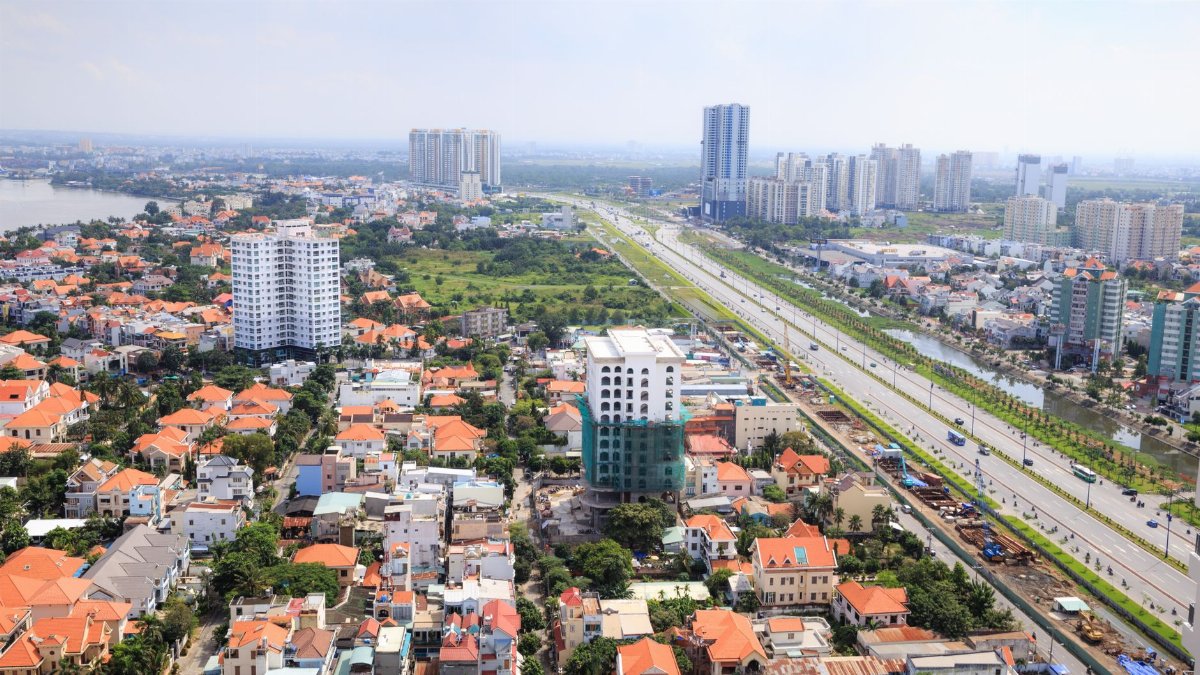
These events prompt reevaluation of how cities prepare for infrastructure demands amid population growth and climate variability. Integrated approaches combining technology upgrades with community input may prove essential. Observers emphasize proactive strategies over reactive fixes to build more robust networks.