

On a gray morning in western Massachusetts, a man in a canvas coat stood beside a stack of split oak and checked his phone again. The yard behind the shed was already half empty, and the season had barely begun. Neighbors who once bought a cord every other year were calling twice, then three times, asking what was left and whether delivery could come before the first hard freeze. Across the state, the same quiet scramble is underway. Rising bills have pushed households toward energy alternatives Massachusetts residents once treated as backup rather than plan, and the cord, that old unit of winter, is suddenly a hot commodity.
A familiar fuel finds a new urgency
Firewood has never left New England. In farmhouses, lake camps, and city triple deckers with a single stove in the parlor, it has long been the fuel people trust when the power flickers or the oil tank runs low. What feels different this fall is the volume of orders and the tone of the calls. Dealers describe customers who used to browse in October now reserving wood in July. Some want a full winter supply. Others want just enough to cut the hours their furnace runs. The motive is rarely romantic. It is arithmetic, done at the kitchen table after another utility statement arrives.
What a cord represents in a real budget

A cord is a stack four feet high, four feet wide, and eight feet long, about 128 cubic feet of wood. In practice, buyers talk in fractions: a half cord for a weekend stove, two cords for a house that leans on wood from November through March. Price depends on species, moisture, delivery distance, and whether the wood is split and stacked or dumped in a heap. Oak and maple hold heat. Pine lights fast and burns quick. A household that once spent a modest sum on a decorative fireplace may now be pricing wood the way it prices groceries, comparing the cost per useful hour of heat against oil, propane, and electricity.
The oil tank and the old New England habit
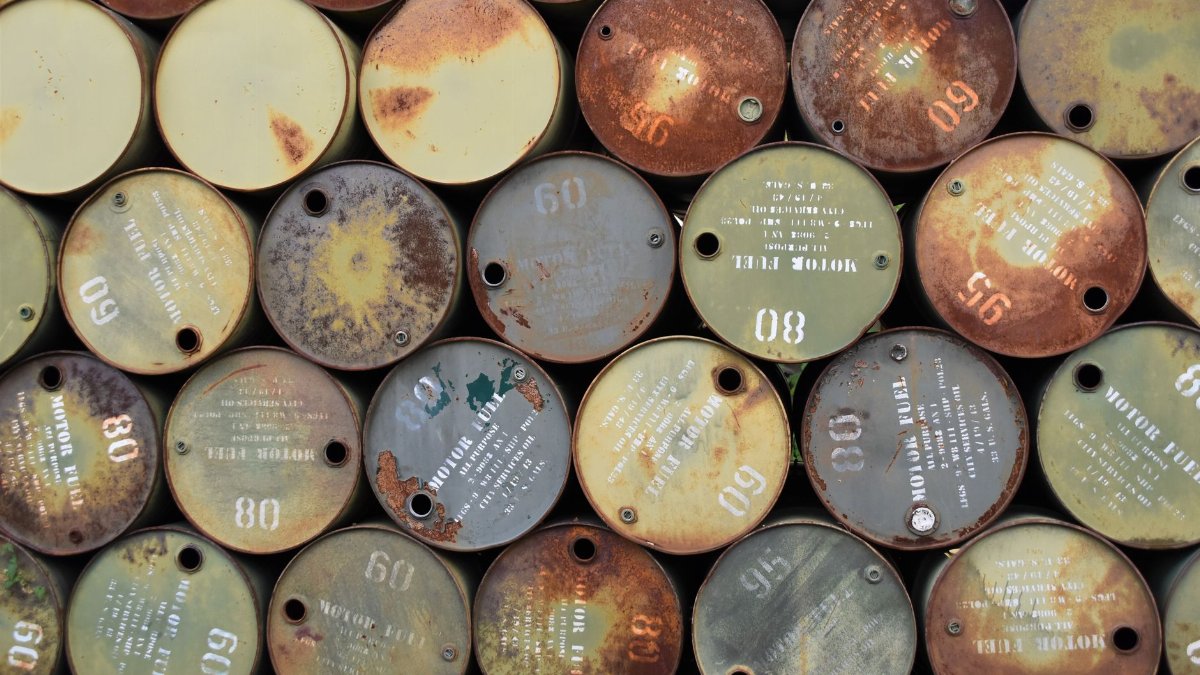
Much of the state still heats with oil. For decades that choice felt ordinary, a truck in the driveway and a gauge in the basement. Volatility changed the feeling. When crude prices jump, the bill does not arrive as a gentle adjustment. It arrives as a number that rearranges the month. Families who can absorb a spike do. Families who cannot start looking for a second heat source, even a partial one. Wood will not replace a furnace in a tight colonial with no chimney. It can shorten the hours that furnace runs, and for many people that is the entire strategy.
Electricity, heat pumps, and the middle path
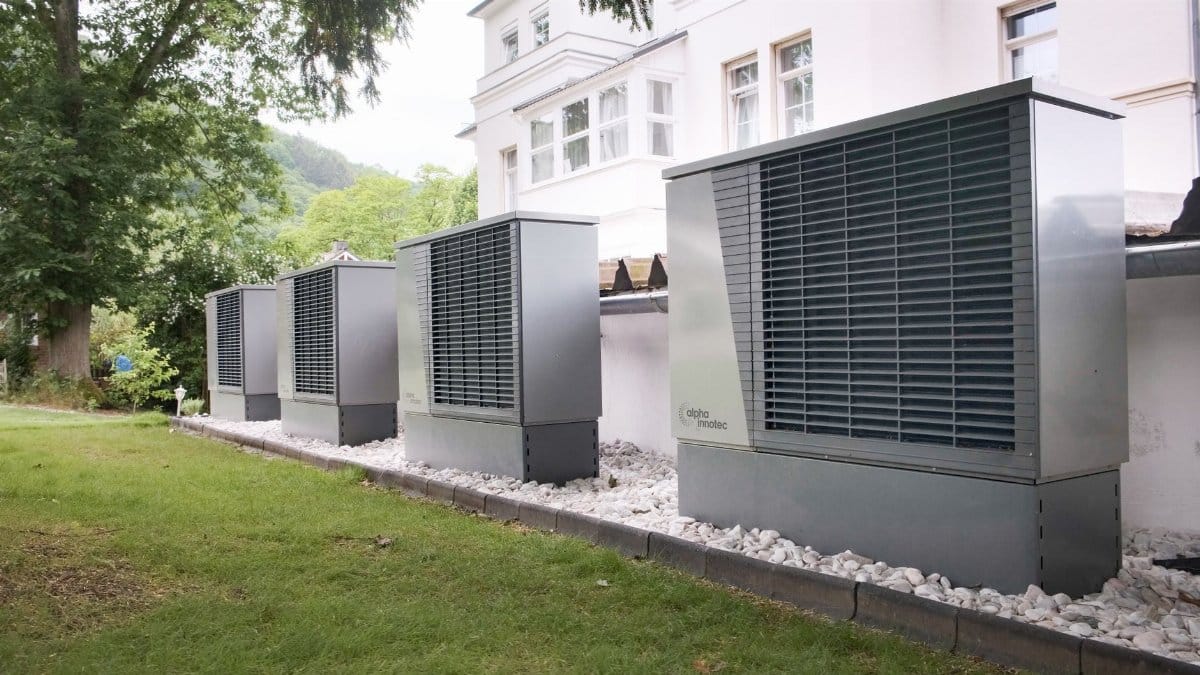
Massachusetts has pushed hard toward cleaner electric heat, and heat pumps are no longer a curiosity in many towns. They work well in a well sealed house and can lower emissions when the grid is relatively clean. They also draw power at rates that remain among the highest in the country. Installers are busy. So are the people who cannot yet afford the equipment, the electrical upgrade, or the time without heat during a renovation. Between the oil tank and the new heat pump sits a crowded middle: pellet stoves, propane, sweaters, lower thermostats, and, increasingly, a woodshed.
Dealers who cannot cut wood fast enough
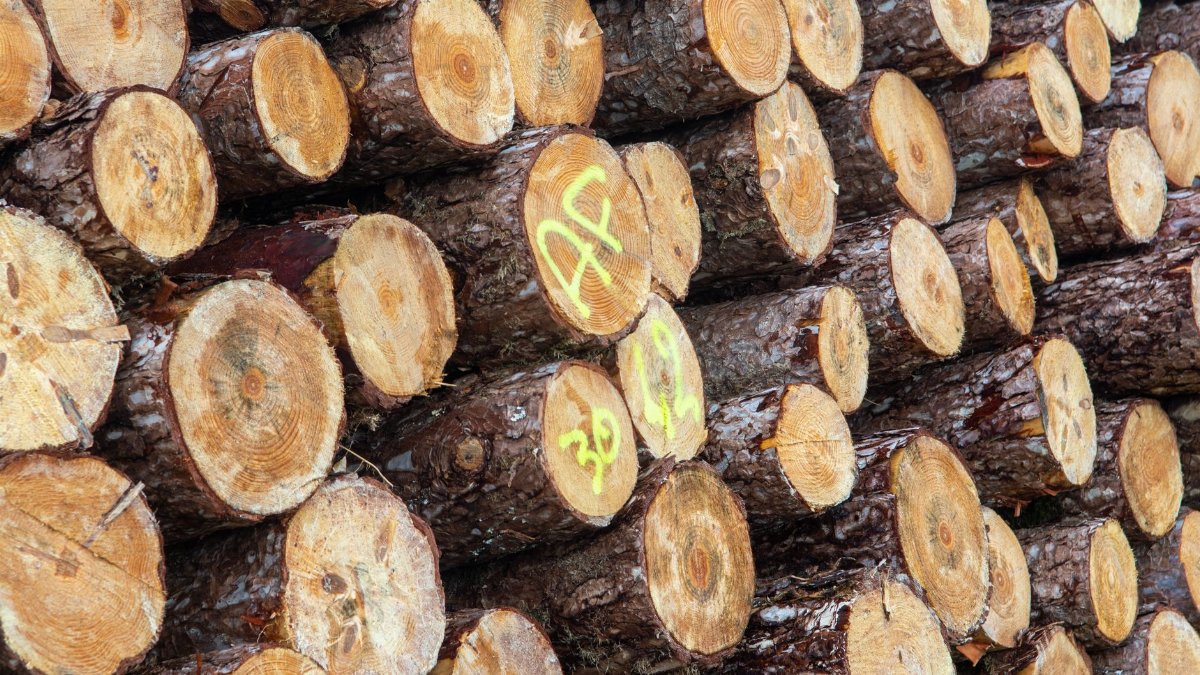
Talk to suppliers from the Berkshires to the North Shore and a pattern appears. Crews are cutting earlier. Kiln space, where it exists, is booked. Wet summers slow seasoning, and green wood is a poor bargain no matter the sticker price. Some yards have waiting lists. Others limit how much one address can reserve so regular customers are not shut out. Delivery trucks cover more miles, and fuel for those trucks is itself part of the price. The romance of the woodlot meets the logistics of a small business trying not to promise what the forest and the calendar cannot deliver.
Towns where the alternative was never alternative
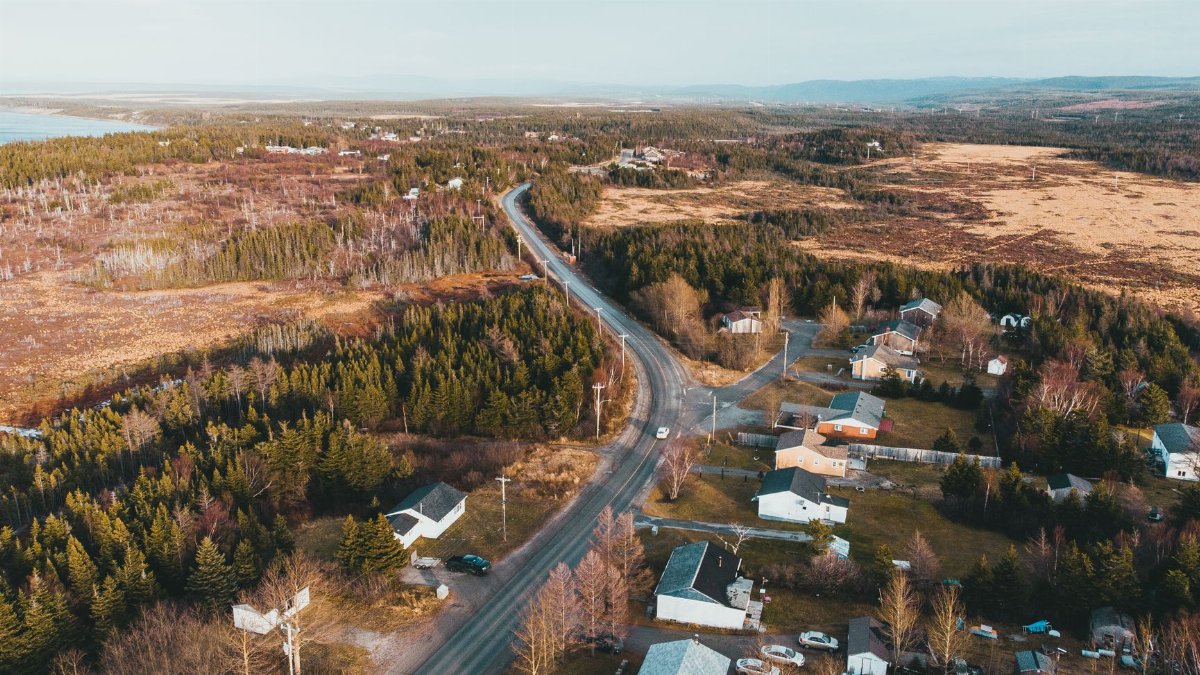
In parts of Franklin, Hampshire, and Berkshire counties, wood heat is not a trend. It is infrastructure. People own splitters, they trade labor with neighbors, they know which lots were cut last year and which should rest. The surge in statewide demand still reaches them, because urban and suburban buyers now compete for the same seasoned hardwood. A teacher in Greenfield and a landlord in Quincy may be calling the same supplier. That collision of markets is one reason energy alternatives Massachusetts households are discussing feel less like lifestyle choices and more like a shared response to the same pressure.
Who gets left with the expensive default

Not everyone can pivot. Renters often cannot install a stove. Older buildings may lack a safe flue. People with asthma may be advised to avoid smoke. A household on a fixed income may not have the cash to buy a season of wood in October, even if that purchase would save money by March. Assistance programs help some families with oil or electric bills, yet the paperwork moves slower than the weather. The result is a split market: those with space, cash, and a chimney gain flexibility, while others remain tied to the fuel they already have, watching the price and hoping for a mild winter.
Forests, moisture, and the limit of a good idea
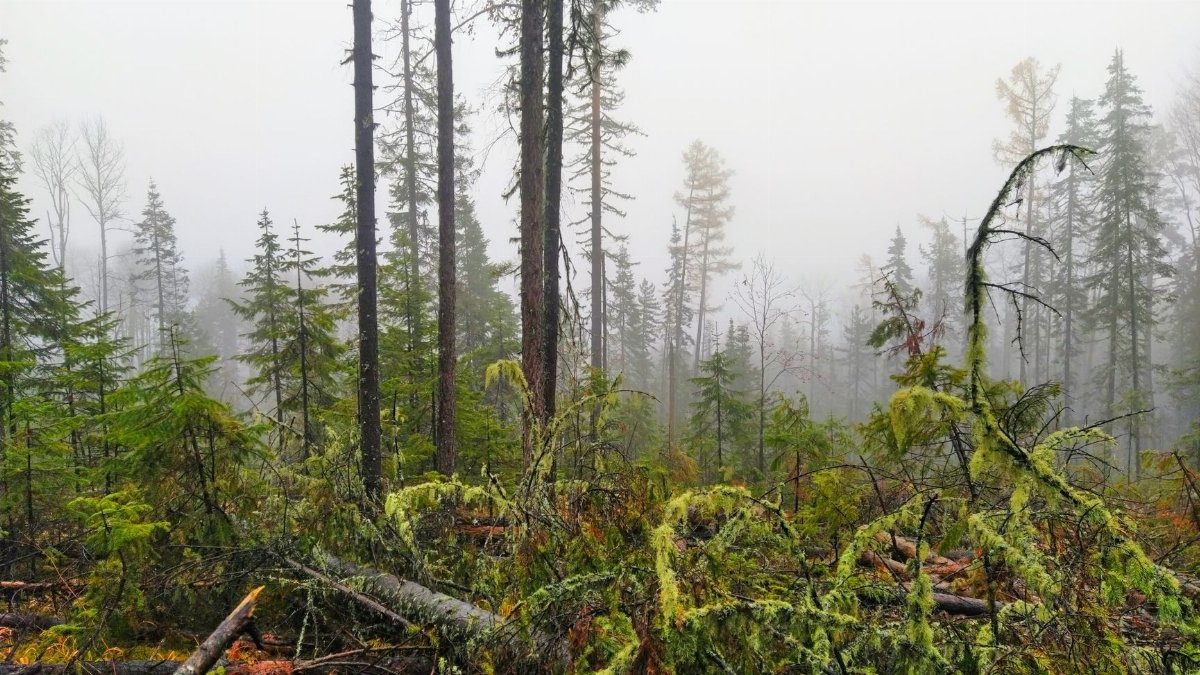
Wood is renewable in a long sense and finite in a short one. A hillside does not restock itself between Columbus Day and Thanksgiving. Responsible cutting, local sourcing, and proper seasoning matter as much as price. Burning wet wood wastes money, coats chimneys with creosote, and pollutes neighborhood air. Environmental agencies have spent years urging cleaner stoves and hotter, more complete burns. The new rush to order cords does not erase those lessons. A cheap load of unseasoned wood can become an expensive mistake, in dollars and in the quality of the air on a still January night.
Policy far from the woodshed
In Boston, energy debates run toward offshore wind, solar, building codes, and the pace of electrification. Those arguments shape the decade. They do not stack the wood for this week. Residents hear both messages at once: plan for a cleaner grid, and also survive the bill that is already due. The tension is not hypocrisy so much as timing. A heat pump rebate can be real and still arrive after the cold. People fill the gap with what they can touch. That is why conversations about energy alternatives Massachusetts policymakers track in reports are also happening, in plainer language, at transfer stations and farm stands.
The ritual that is not only practical

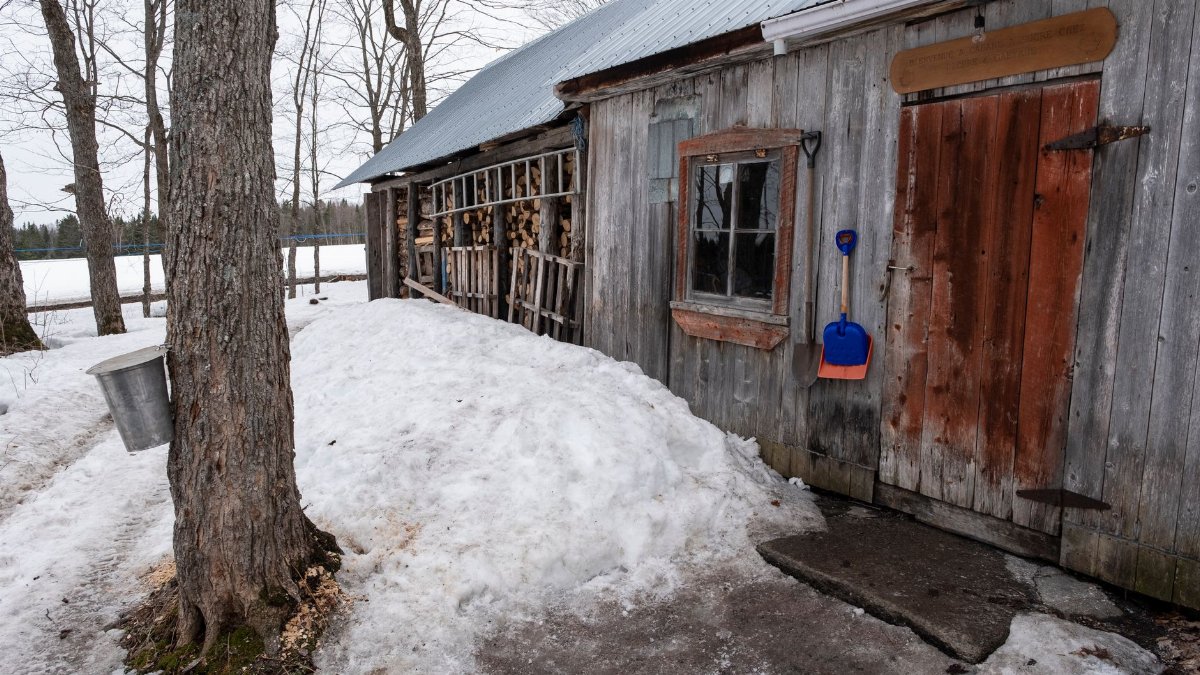
There is a reason the category of seasonal life keeps intersecting with fuel. Stacking wood is repetitive work that marks the turn of the year. People talk about the smell of sap, the sound of a maul, the satisfaction of a tight row against the house. Those pleasures are genuine, and they should not be confused with a solution for everyone. Still, the ritual has returned to households that had let the stove go cold. A cord in the yard is visible preparedness. Unlike a kilowatt hour, it can be walked around, counted, and shared with a neighbor whose delivery was delayed.
Pellets, propane, and the other phone lines
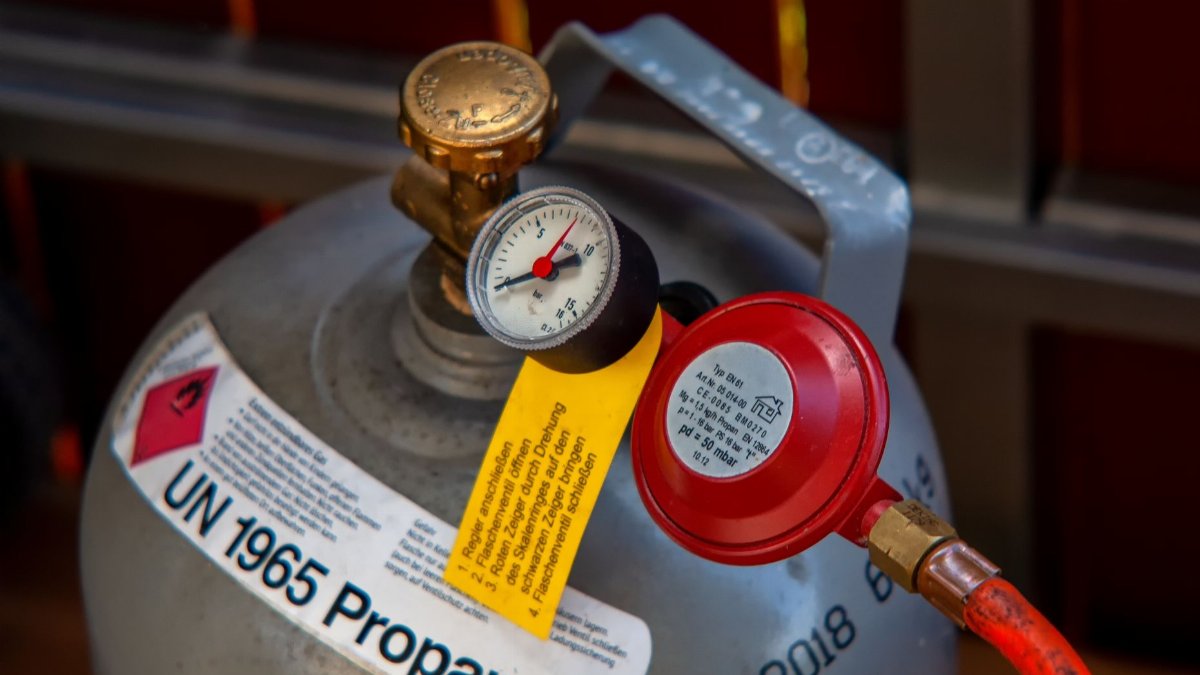
Wood is only one line on the order sheet. Pellet mills report stronger inquiries when oil headlines turn grim. Propane dealers field the same questions about locks on price and delivery windows. Hardware stores sell more stove pipe, carbon monoxide alarms, and moisture meters. The pattern is not a single fad. It is a scatter of small hedges. A family might keep oil as primary heat, run a pellet stove in the room where everyone gathers, and use an electric blanket at night. None of these choices is pure. Together they describe a public trying to regain a measure of control.
What sellers say they are hearing

The language on the order forms is blunt. Customers ask whether prices will rise again before Christmas. They ask if oak is worth the premium over mixed hardwood. They ask about senior discounts and whether a smaller truck can reach a tight driveway in Somerville or Salem. Some mention a parent moving in for the winter and a room that needs to stay warm without heating the whole house. Others mention a home office and the desire not to run the furnace all day for one person at a desk. The cord, in these stories, is less a symbol than a tool sized to a particular room and a particular fear of the next bill.
A winter measured in smaller decisions

No one honest will claim that firewood will remake the energy system of a coastal state with expensive power and a long heating season. The grid, the oil market, and the housing stock will still set the terms for most people. What the surge in orders reveals is a public unwilling to wait passively for those terms to soften. They are buying time, in the most literal sense: hours of flame that might keep a thermostat a few degrees lower. Whether that bet pays depends on the winter, the quality of the wood, and the care taken with the stove.
After the rush, the slower questions

When the yards empty and the trucks make their last runs, the slower questions remain. How many households will still want wood when prices ease, if they ease? How can assistance reach renters who have no yard and no flue? How do towns balance the right to burn with the need for clean air on inversion days? And how should a state that is betting on electrification speak to people whose immediate alternative is a stack of oak? Those questions will outlast the season. For now, the phones at the wood yards keep ringing, and energy alternatives Massachusetts families can actually order this month are being stacked, covered, and waited on, one cord at a time.