

On a week when central Minnesota expected motorcades, tightened streets, and a short burst of national cameras, the civic calendar went quiet instead. JD Vance St. Cloud was supposed to be a Friday stop built around an announcement on fraud, according to reporting that framed the visit as a pointed message in a state already raw from years of scandal and argument. The cancellation arrived without the theater of a rally gone wrong. It arrived as an absence. For a city that measures big visits in hotel bookings, school delays, and pastors rearranging evening meetings, absence is its own kind of news.
What an empty Friday actually signals
Vice President JD Vance had been expected in St. Cloud for a fraud centered announcement, then the trip was called off. That bare sequence is enough to move local plans and national speculation at the same time. A cancellation is not a policy. It does not repeal a statute, indict a defendant, or refund a stolen dollar. It does, however, freeze a message in midair. Supporters hear prudence or a crowded calendar. Critics hear hesitation. People who simply wanted to see the motorcade hear inconvenience.
Readers should be careful about filling that silence with motives the public record has not supplied. Campaigns and White House schedulers cancel stops for weather, security, illness, shifting priorities, and conflicts that never become press releases. Until officials speak plainly, the honest sentence is the short one. The Friday trip did not happen. Everything beyond that is inference, and inference travels faster than correction.
Why this city keeps entering the national frame
St. Cloud sits in a part of Minnesota that national politics treats as a proving ground. It is large enough to host a serious event and small enough that a visiting motorcade rearranges ordinary life. Factories, colleges, clinics, and churches share a compact map. Immigrant communities and long settled families argue, work, and worship within a few miles of one another. When a vice president chooses that map, the choice is never only logistical.
The phrase JD Vance St. Cloud therefore functions as more than a travel note. It names a collision between Washington messaging and a regional city that already carries heavy political weather. Housing costs, hospital staffing, school debates, and trust in public programs are not abstractions here. They show up at the grocery line and at the parish fish fry. A national figure who arrives to talk about fraud steps into a conversation locals have been having, sometimes angrily, for years.
Fraud as a political stage, not only a courtroom
Minnesota has spent recent years living with the aftermath of large public fraud cases, most visibly the prosecutions tied to Feeding Our Future and the broader fight over pandemic era nutrition money. Those cases are legal matters first. Juries, judges, and charging documents do the binding work. They are also political matters, because stolen public funds bruise the idea that government can be a reliable neighbor.
That bruise is why a fraud announcement draws cameras. One side argues that aggressive oversight protects taxpayers and the people those programs were meant to serve. Another side warns that a spotlight on scandal can slide into collective suspicion, especially toward communities already asked to prove their belonging. Both worries can be true in the same week. A canceled visit does not settle the argument. It postpones the moment when a powerful official would have had to choose words in front of people who live with the consequences.
The machinery that never quite turns on

A vice presidential stop is a small city of its own. Advance staff scout rooms. Local police redraw traffic. Hotels hold blocks. Reporters book late flights. Faith leaders and civic groups get calls asking who might stand nearby, who might be left out, and whether a prayer or a pledge belongs on the program. When the stop vanishes, that machinery does not vanish cleanly. Deposits, overtime plans, and careful invitations have to be unwound.
In that unwinding, JD Vance St. Cloud becomes a lesson in how national power feels at street level. The powerful can reschedule. The custodian who came in early cannot easily reschedule the morning. Neither fact makes the cancellation illegitimate. Together they explain why local irritation is not trivial. Dignity in public life includes telling a city, as soon as possible, that the show will not go on.
Trust, stewardship, and the pews
This story sits, perhaps unexpectedly, inside a spiritual climate as much as a partisan one. Across central Minnesota, congregations have spent years talking about stewardship, which is a church word for a civic fear. Who guards the common purse. Who speaks for the vulnerable when programs fail. Who refuses to let anger at thieves become contempt for neighbors.
I have sat in enough Midwestern sanctuaries to know that these conversations rarely match cable headlines. A Lutheran basement and a mosque social hall can hold the same unease. People want wrongdoers punished. They also want their children to grow up without being treated as suspects. When a national visit on fraud is planned and then withdrawn, pastors and imams do not receive a neat sermon text. They receive another week in which public trust feels unfinished. Silence from Washington does not forbid local moral speech. It simply leaves the work where it already lived, in ordinary rooms.
What supporters and skeptics are likely to claim
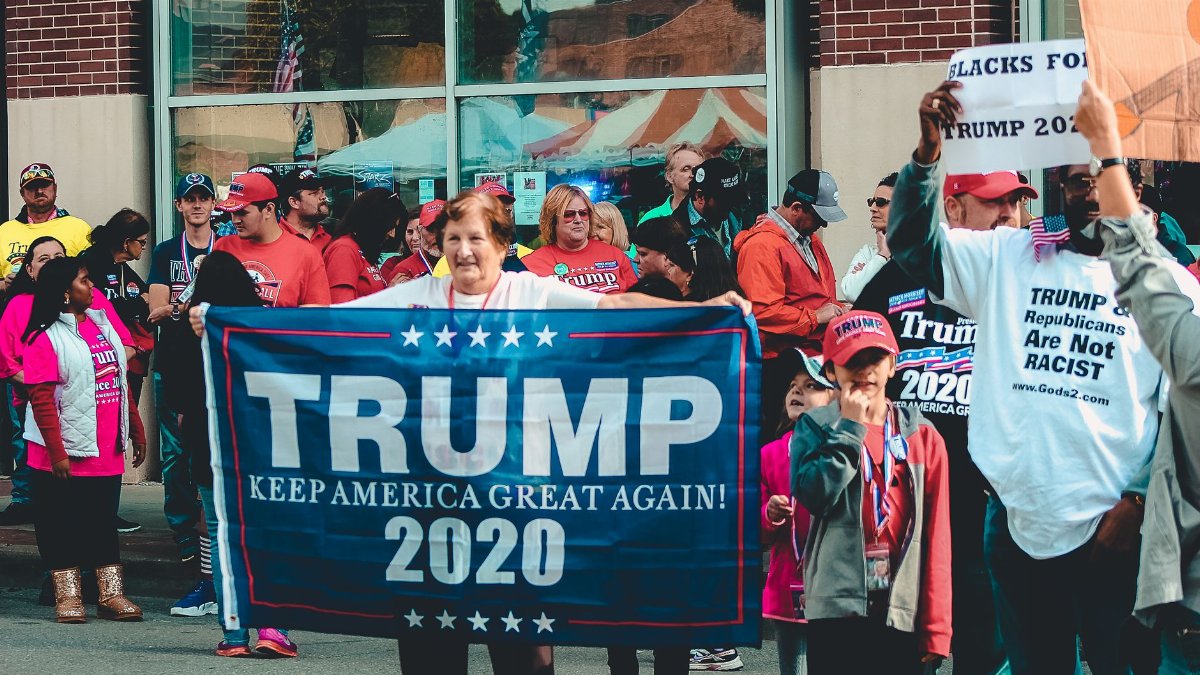
Expect two tidy stories. One will say the cancellation proves that the administration would rather avoid a hard setting than defend a crackdown. The other will say critics are inflating a schedule change into a scandal because they dislike the messenger. Both stories ask the audience to skip the missing facts. A schedule change can be dull. Dull events still shape perception, because politics is often the art of showing up.
The fairer test is what follows. If the fraud message appears later, in a different city or on paper, then Friday in St. Cloud was a venue, not the policy. If the message fades, then the cancellation will look like avoidance no matter what the private reason was. Citizens can wait for that test without pretending they already know the ending.
Minnesota arguments that outlast one motorcade
The state argument underneath the trip is larger than any single Friday. Public programs expanded quickly during the pandemic, oversight lagged in places, and prosecutors later described networks that treated relief money as a private till. Defenders of those programs insist that fraud by some must not erase food, housing help, and child care for many. Critics insist that compassion without controls is an invitation to theft. St. Cloud, with its mix of campuses, factories, and newcomer communities, is a place where both sentences have faces.
National figures enter that argument carrying their own records and their own audiences. JD Vance, as vice president, speaks with the authority of an administration, not as a lone commentator. That authority is why a local stop matters and why its absence matters. People listen differently when the motorcade is real. They also notice when it never arrives.
How to read the next announcement
When the fraud message does land, readers can ask a few plain questions. Which programs are named. Which safeguards are new rather than repeated slogans. Whether enforcement distinguishes accused individuals from entire communities. Whether victims of fraud, including taxpayers and people denied services, are described with the same care as the political target. Those questions do not require a law degree. They require patience and a refusal to let a slogan finish the thought.
They also require memory. A city remembers who came, who canceled, and who explained the change like adults rather than like a brand. JD Vance St. Cloud will be remembered first as a trip that did not occur. Whether it is remembered as a footnote or as a tell depends on the sentences that replace it.
The local week that continues anyway
St. Cloud will have its Friday either way. Classes meet. Shifts change. Food shelves open. Someone argues about a school budget in a room with bad coffee. The spiritual trend worth noticing is not a sudden revival around a politician. It is the older habit of communities trying to keep faith with one another when public institutions feel unsteady. That habit is not sentimental. It is practical. Neighbors still have to decide whom to trust with money, with children, and with the story of what went wrong.
A vice presidential cancellation cannot carry all of that weight, and it should not be asked to. It can remind a broad audience that national gestures land in particular places, among particular people, who are allowed to want both justice and restraint. The cameras may have stayed away. The questions did not.