

In the soft glow of election night lights in Pearland, Texas, a quiet revolution unfolded. Families gathered in living rooms, neighbors stood shoulder to shoulder at watch parties, and the air carried a tangible sense of possibility. When the final tallies were announced, Pearland had chosen a new path forward. The election of Quentin Wiltz mayor marked the first time a Black leader would helm this rapidly growing Houston suburb, backed by a coalition that crossed traditional party lines. What happened in Pearland reflects deeper currents flowing through American communities, where demographic evolution meets longstanding yearnings for representation and renewal.
A Historic Milestone for Pearland

Pearland has long stood as a bedroom community defined by its family friendly neighborhoods and steady growth. Once predominantly white and conservative, the city has transformed over the past two decades. The swearing in of its first Black mayor represents far more than symbolic progress. It demonstrates how suburban landscapes are being redrawn by migration patterns, economic opportunity, and a desire for leadership that mirrors the full community.
Quentin Wiltz mayor assumes office at a pivotal moment. The city population has swelled beyond 120,000 residents, bringing greater diversity in backgrounds, faiths, and political views. Many middle aged residents who have called Pearland home for years spoke of feeling both pride and cautious optimism about what comes next. This victory did not arrive through sudden upheaval but through years of relationship building and steady organizing.
The Man Behind the Milestone

Those who know Quentin Wiltz describe him as a pragmatic leader grounded in service. A longtime community advocate with experience in local business development and youth mentoring programs, he campaigned on practical improvements that would enhance daily life for families. His message resonated because it focused on shared concerns rather than partisan division.
Wiltz grew up understanding the value of hard work and community ties. Supporters highlighted his ability to listen across differences, whether in boardrooms or at neighborhood block parties. His background includes collaborative work with both faith based organizations and civic groups, giving him credibility among varied constituencies. This foundation proved essential in a city where churches often serve as the heartbeat of social connection.
Demographic Changes Fueling Political Evolution
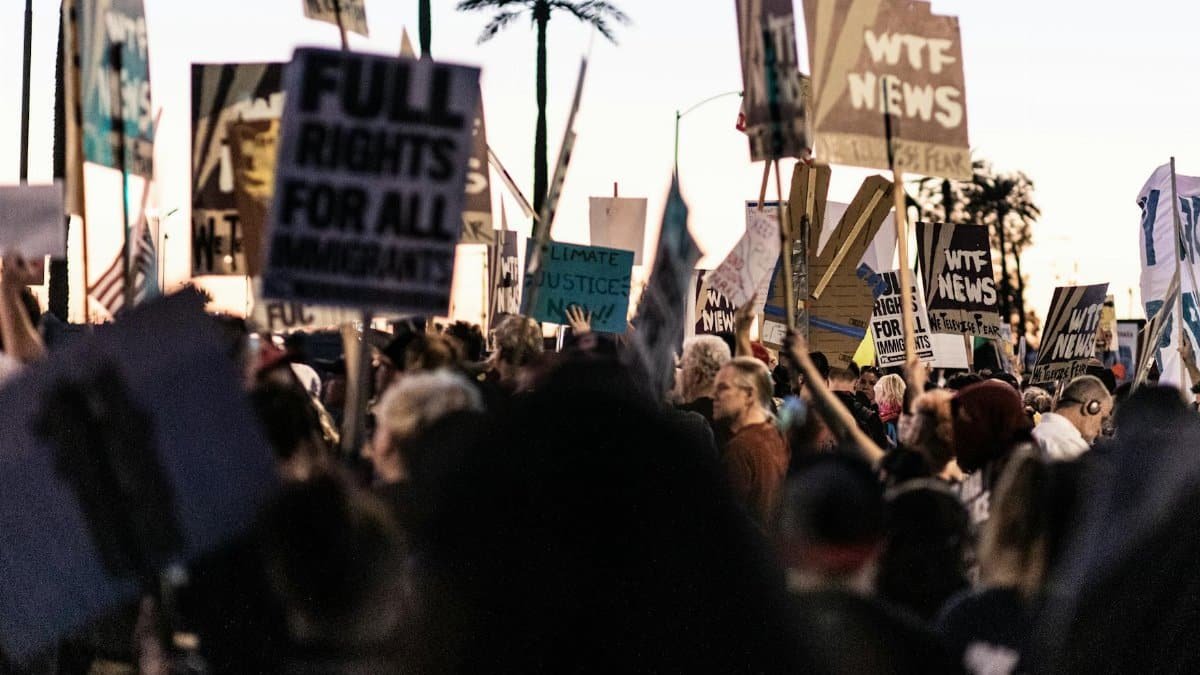
The story of this election cannot be separated from the broader transformation of Houston area suburbs. What was once a largely homogeneous population has become a tapestry of cultures and experiences. New residents from diverse ethnic backgrounds have brought fresh perspectives and expectations for inclusive governance.
Census data and local observations show increasing numbers of Black, Hispanic, and Asian families choosing Pearland for its schools, safety, and proximity to Houston job centers. These shifts gradually altered the political calculus. Younger homeowners and established middle aged residents alike began seeking leaders who would address infrastructure needs, affordable housing, and equitable opportunity. The success of Quentin Wiltz mayor illustrates how these demographic realities translate into electoral change.
The Democrat Backed Campaign Strategy

While Pearland has historically leaned Republican, this race showed that rigid labels are losing their grip. Wiltz secured crucial support from Democratic organizers who recognized the potential for a values driven campaign that transcended national talking points. Door to door conversations, community forums, and targeted outreach to faith communities formed the backbone of the effort.
Rather than nationalize the contest, organizers kept the focus on local priorities such as traffic congestion, park maintenance, and support for small businesses. This approach appealed to independent voters and even some longtime conservatives who prioritized competence over party affiliation. The campaign demonstrated that suburban politics increasingly rewards those who can build broad coalitions based on common sense solutions.
Voices from the Pews: Faith Communities Respond

In a category of news that often explores spiritual dimensions of public life, this election carries particular resonance. Many local pastors and congregants saw in Wiltz a leader whose emphasis on dignity, opportunity, and community care aligned with deeply held moral convictions. Several churches that typically avoid political endorsement nonetheless encouraged members to pray for wise leadership and to vote their conscience.
This spiritual undercurrent reveals an important trend. Across America, faith communities are grappling with how to engage civic life while maintaining their primary focus on spiritual formation. In Pearland, the election became an occasion for reflection on themes of justice, neighborly love, and collective responsibility. Middle aged worshippers in particular expressed hope that new leadership might foster greater unity without compromising core values. The involvement of diverse religious traditions from Protestant congregations to Catholic parishes underscored a maturing civic spirituality that values presence over partisanship.
Navigating a Divided Suburban Landscape
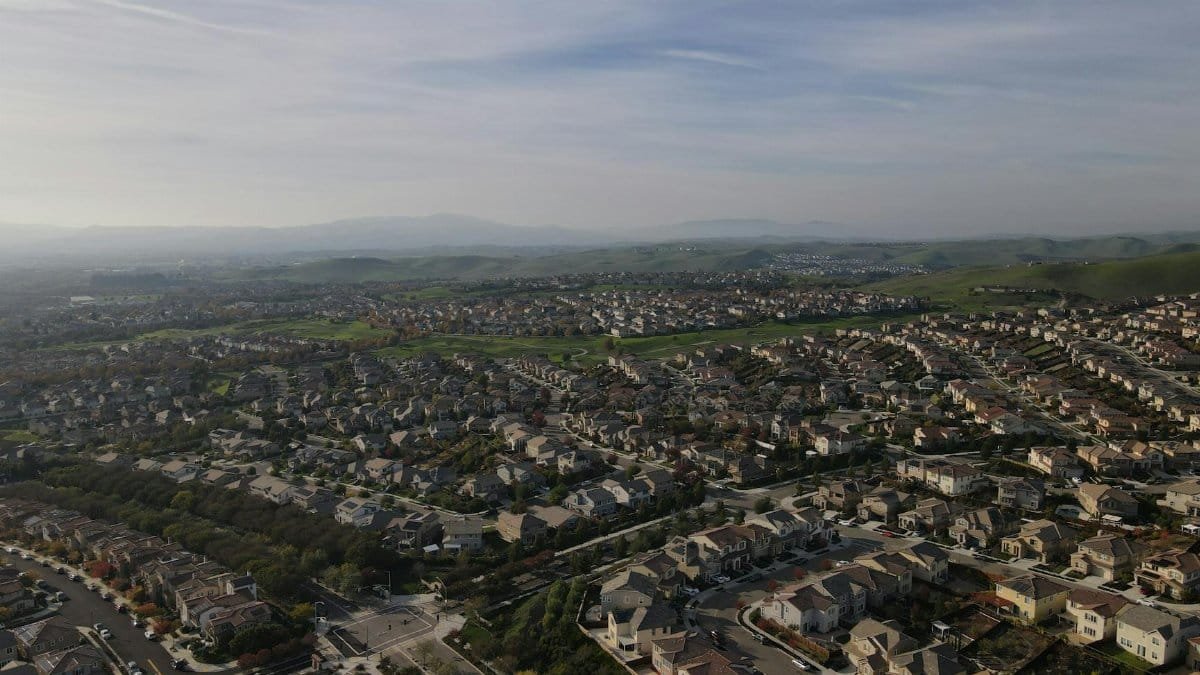
No significant political change occurs without some tension. While celebration filled many neighborhoods, others voiced concerns about what the new leadership might mean for tax policies and development priorities. Quentin Wiltz mayor has acknowledged these anxieties directly, promising to govern as a mayor for all residents regardless of how they voted.
This approach matters in a nation where suburbs often serve as microcosms of larger national divisions. Pearland sits at the intersection of rural rooted traditions and urban influenced growth. The ability of the new administration to bridge these worlds will test the limits of local leadership. Early signals suggest an emphasis on transparency and regular community dialogue designed to reduce suspicion and build trust.
Policy Priorities for the New Administration

Looking ahead, several key issues will define the success of this historic mayoral term. Infrastructure improvements top many lists as rapid growth has strained existing roads and utilities. Education remains paramount for families who moved to Pearland seeking strong schools. Economic development that creates quality jobs while preserving the city character represents another central focus.
Wiltz has spoken about the need for smarter planning that anticipates future needs rather than simply reacting to current pressures. His background in community development offers a foundation for initiatives that could strengthen neighborhood ties and support small business vitality. For middle aged residents balancing careers, aging parents, and children in school, these practical concerns carry significant weight.
National Implications of This Local Story

What happens in Pearland rarely stays isolated. Suburban communities across the Sun Belt are experiencing similar transformations as demographic patterns evolve. This election adds to a growing body of evidence that traditional political maps require updating. Cities once considered reliably Republican strongholds are becoming competitive arenas where local issues drive voter behavior more than national rhetoric.
Political observers note that victories like this one often preview larger shifts. When diverse voices gain representation in local government, it can encourage higher participation rates and more responsive policymaking. The spiritual communities that helped shape this outcome understand that lasting change requires sustained engagement beyond any single election cycle.
Challenges on the Horizon

Despite the historic nature of the victory, significant work lies ahead. Balancing growth with quality of life concerns demands careful judgment. Budget realities, state level policies, and regional cooperation with neighboring municipalities will all influence what the new mayor can realistically accomplish.
Critics have already begun questioning whether a Democrat backed leader can effectively represent a community with deep conservative roots. Wiltz will need to demonstrate that his commitment to Pearland transcends partisan origins. The coming months will reveal whether the broad coalition that secured his election can hold together through the inevitable compromises of governance.
Looking Ahead with Hope and Pragmatism

The citizens of Pearland have placed their trust in new leadership at a time of genuine transition. Quentin Wiltz mayor carries both the weight of history and the hopes of residents seeking a community that works for everyone. His success will depend not on grand gestures but on consistent attention to the details that shape daily life.
For many middle aged Americans watching from similar suburban settings, this story offers both inspiration and caution. It reminds us that meaningful change often happens gradually through persistent effort and relationship building. The spiritual wisdom embedded in many faith traditions teaches that leadership grounded in humility and service can bridge divides that seem insurmountable.
The Broader Trend in American Suburbs

Pearland joins a growing list of communities where traditional political patterns are giving way to more nuanced realities. From Atlanta suburbs to communities outside Phoenix, demographic evolution is creating opportunities for fresh approaches to local governance. These changes reflect a nation in the midst of redefining itself at the neighborhood level.
The spiritual news dimension of this trend deserves attention. As communities diversify, houses of worship often become the places where people from different backgrounds first encounter one another as neighbors rather than statistics. This organic interaction fosters understanding that can eventually influence the ballot box. In that sense, the election of Quentin Wiltz mayor represents not just a political outcome but a spiritual and social milestone worth contemplating.
The coming years will test whether Pearland can translate this historic moment into tangible improvements that strengthen its social fabric. For now, residents seem willing to give their new mayor the opportunity to prove that leadership defined by competence, character, and community focus can help write the next chapter in the city story. In an era of deep national polarization, that willingness itself offers reason for measured hope.