

The call of the wild draws countless visitors each year to the expansive lakes and untouched forests of northern Minnesota. After periods of closure due to wildfires the Boundary Waters reopening allows limited access once more for those seeking daytime adventures amid the natural beauty. Paddlers have awaited this moment with great anticipation as authorities assess conditions across the region. The decision to permit day trips reflects careful evaluation of safety and environmental concerns while fires continue in some zones. This measured step forward highlights the resilience of both the landscape and the people who hold it dear.
Initial Access for Day Trips

Authorities announced on July 27 that select entry points would welcome paddlers for daytime use only. This approach prioritizes caution as crews monitor active fire zones elsewhere in the wilderness. Many visitors described the return as both joyful and sobering given the visible smoke in distant horizons. Local outfitters prepared equipment with renewed energy yet stressed the importance of checking daily updates before setting out. The policy allows exploration of unaffected lakes while overnight stays remain restricted in most sectors.
Impact of Ongoing Wildfires
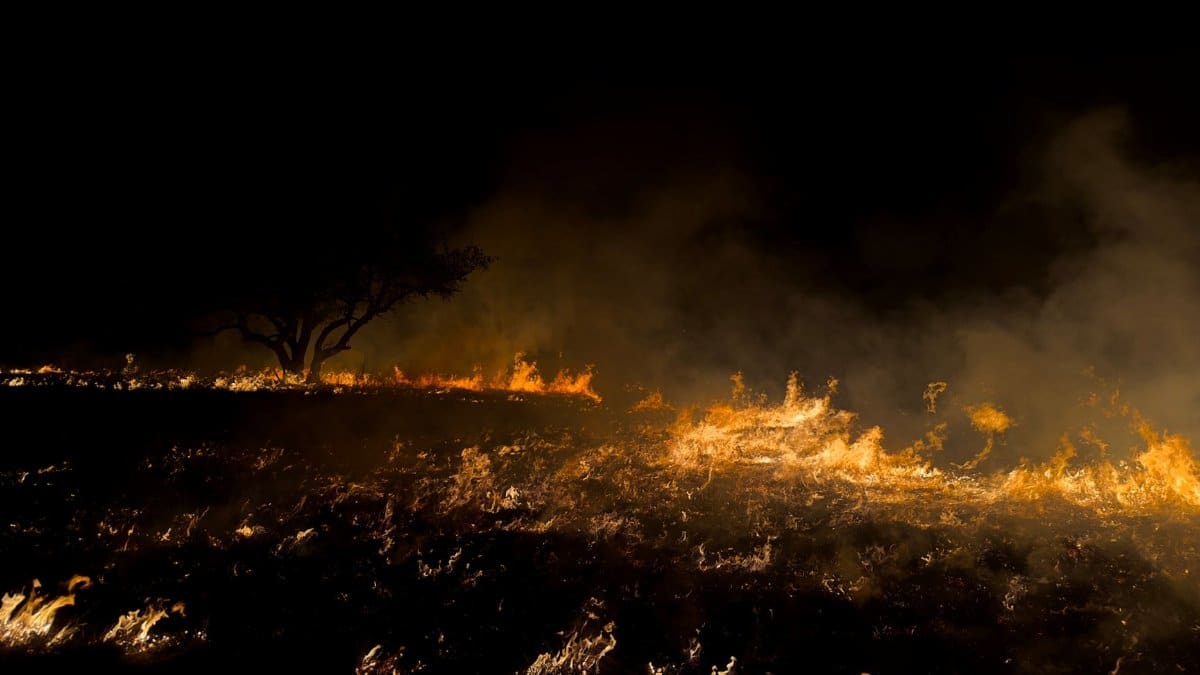
Fires that prompted the original closures still burn in remote sections creating a patchwork of open and closed zones. Officials emphasize that wind patterns can shift rapidly altering air quality and access decisions from one day to the next. Scientists note that such events while disruptive also play a natural role in forest renewal. Community members have organized to support firefighters with supplies and morale boosting gestures during the extended effort.
Visitor Experiences and Reflections

Those who ventured out on the first permitted day reported calm waters and abundant wildlife sightings. One group recounted gliding across a mirror like lake surface under clear skies feeling a renewed sense of peace. Others observed scorched shorelines in the distance serving as reminders of natures power. Guides encouraged participants to travel light and remain flexible should conditions change unexpectedly during their outings.
Environmental Considerations

Restoration teams continue to evaluate soil stability and water quality in the aftermath of the fires. Temporary closures in certain areas help prevent erosion and protect fragile ecosystems from additional stress. Educational briefings at entry stations inform paddlers about low impact practices to minimize their footprint. Long term monitoring will track recovery rates of vegetation and animal populations in the coming seasons.
Economic Effects on Local Communities

Businesses dependent on tourism have welcomed the partial reopening as a vital lifeline during an otherwise challenging summer. Restaurants and lodging providers near the wilderness report increased bookings from day visitors who extend their stays in nearby towns. Outfitters have adjusted rental packages to focus on shorter excursions while awaiting broader access permissions. Regional leaders express hope that steady visitor numbers will sustain jobs and support recovery initiatives.
Safety Measures in Place

Rangers conduct regular patrols and maintain clear communication channels for real time alerts. All users must carry maps and communication devices to navigate the altered landscape safely. Weather briefings highlight risks associated with smoke and changing winds. Emergency response plans remain active with coordination between federal state and local agencies.
Future Plans for Full Access

Officials project that overnight permits could resume in phases once fire containment reaches sufficient levels. Public meetings will gather input from stakeholders on sustainable management strategies moving ahead. Data collected during the current day use period will inform decisions about capacity and resource allocation. Patience remains key as teams balance public enjoyment with protection of the wilderness character.
Connection to Nature and Spirituality

Many who frequent these waters speak of a profound sense of renewal found in the quiet rhythms of paddling and camping. The recent restrictions have underscored how deeply intertwined personal well being can become with access to wild places. Reflections shared in community forums highlight themes of gratitude and stewardship that transcend the immediate challenges. As access expands gradually participants often describe a deeper appreciation for the delicate balance that sustains such environments.