
On a cold Saturday in early December, the sidewalks along Lancaster Avenue fill before the streetlights fully take over. Parents steer strollers toward a green already ringed with speakers. Teenagers linger at the edge of the crowd, half present, half elsewhere. For anyone mapping Main Line holiday events, that first public lighting is less a spectacle than a signal that the season has moved outdoors, into towns that still treat a shared evening as something worth leaving the house for.
The Main Line is not one downtown. It is a string of railroad suburbs west of Philadelphia, each with its own green, its own merchant group, and its own idea of what December should look like. Ardmore, Bryn Mawr, Wayne, and the retail courtyards of Suburban Square sit close enough that a family can cover two evenings without a long drive, and far enough apart that the crowds do not feel identical. What links them is habit. People return to the same corners because the corners have earned the return.
Why these towns still gather in public
Private parties have not disappeared. What has changed, if you listen to shop owners and clergy who plan December, is the appetite for a night that does not require an invitation. A tree lighting asks very little of a stranger: stand, listen, clap when the switch is thrown. In a region where many households already host heavily, the public calendar offers a different kindness. You can arrive late. You can leave when a child gets cold. You can stand next to someone you will not see again until next year and still feel that the town did its job.
That modest contract explains why lists of Main Line holiday events keep growing even as people complain that the season starts too soon. The complaint and the attendance are not contradictions. They are the same neighbors, deciding, weekend by weekend, which obligations feel like gifts.
Ardmore and the early glow

Ardmore often opens the visible season. The business district along Lancaster Avenue has the density for a crowd that feels urban without feeling anonymous. Storefronts stay lit past ordinary closing, and the green becomes a stage for a choir, a short speech, and the moment everyone actually came for. Children count down with more confidence than accuracy. Adults photograph the tree and then, almost apologetically, photograph one another.
Bryn Mawr after the shops go quiet
Bryn Mawr carries a different tempo. The college presence, the older civic buildings, and a main street that can feel hushed on a weeknight give evening events a slightly formal edge, even when the program is simple. A lighting here can feel closer to a campus concert than to a mall promotion. People dress as if they might run into a former professor, which, on the Main Line, they might.
Wayne and a green built for winter
Wayne has leaned, in recent seasons, into the idea of a winter town rather than a single night. Skating, when the weather and the temporary rink cooperate, changes how long people stay. A lighting ends. A rink invites a second hour, then a third, with hot drinks as the real admission fee. Parents rotate shifts on a bench. Teenagers circle with the seriousness of athletes and the laughter of people who will deny it later.
Suburban Square and the Santa visit
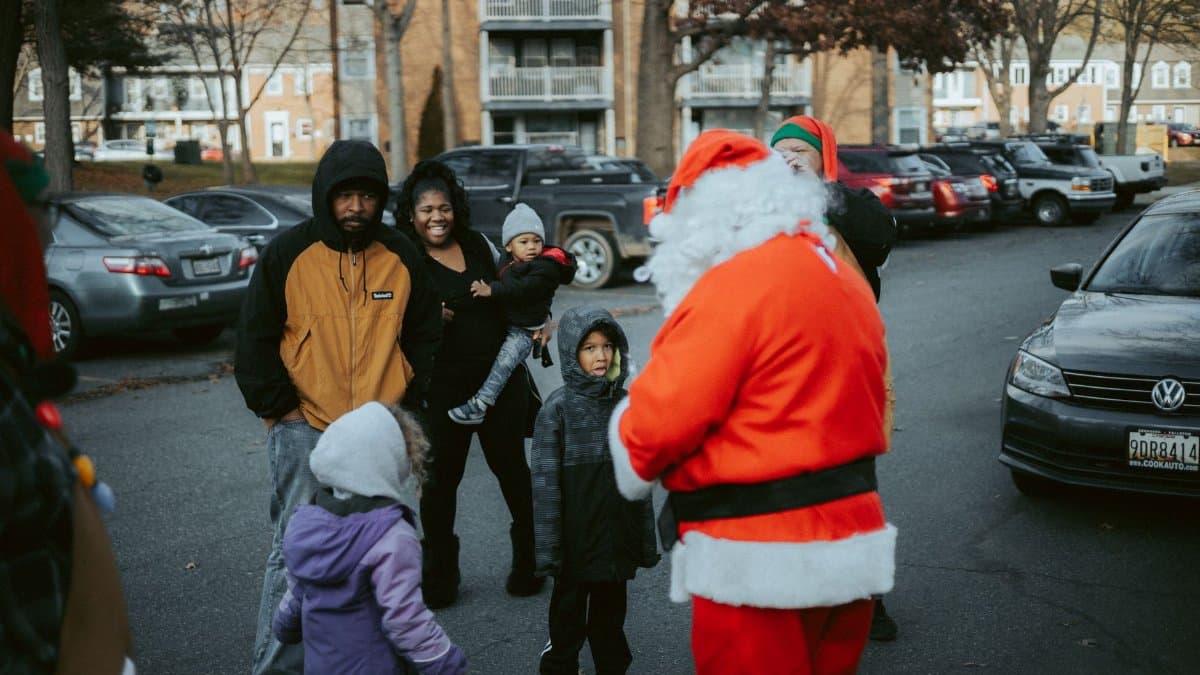
Suburban Square sits in a different category. It is a planned retail courtyard, not a railroad green, and its holiday programming knows its audience. Santa visits, photo lines, and evening lights are designed for families who already came to shop and are willing to add a ritual if the line moves. There is no shame in that. Commerce and ceremony have shared December for a long time. The question is whether the ceremony still has a shape of its own.
On a good evening it does. The square holds sound well. A small ensemble can fill the open air without shouting. Children in the photo line practice what they will say and then forget it when they reach the chair, which is perhaps the most reliable tradition of all.
Choirs, candlelight, and a sacred pause
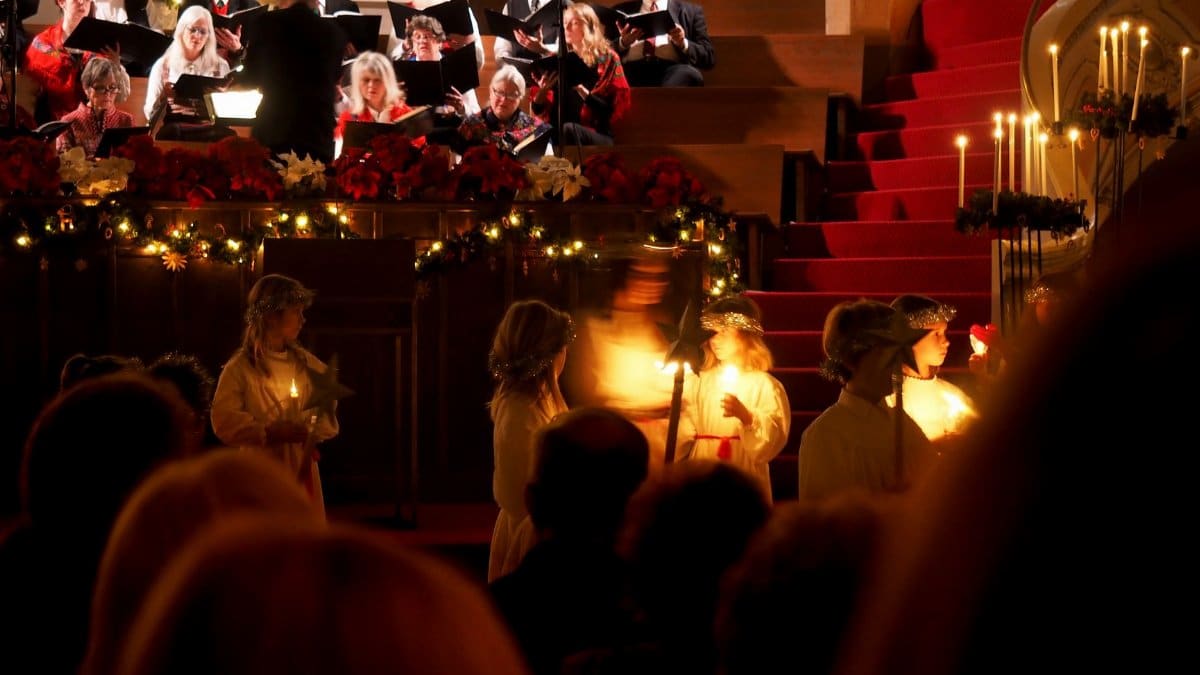
The calendar outsiders sometimes miss sits inside churches, synagogues, and campus chapels. Candlelight services, lessons and carols, and concerts offered free or nearly free still anchor the weeks before Christmas for people who would never call themselves event goers. These nights ask for stillness rather than applause. They also do practical work. In a season of lists, a dark room and a familiar hymn return attention to something slower than a checkout line.
Spiritual practice here is not separate from civic life. The same families who stood on a green on Saturday sit in a pew on Sunday. Clergy often coordinate, informally, with merchant groups so that a concert does not collide with a lighting. The result is a town that feels sequenced rather than jammed.
Markets that still know their vendors
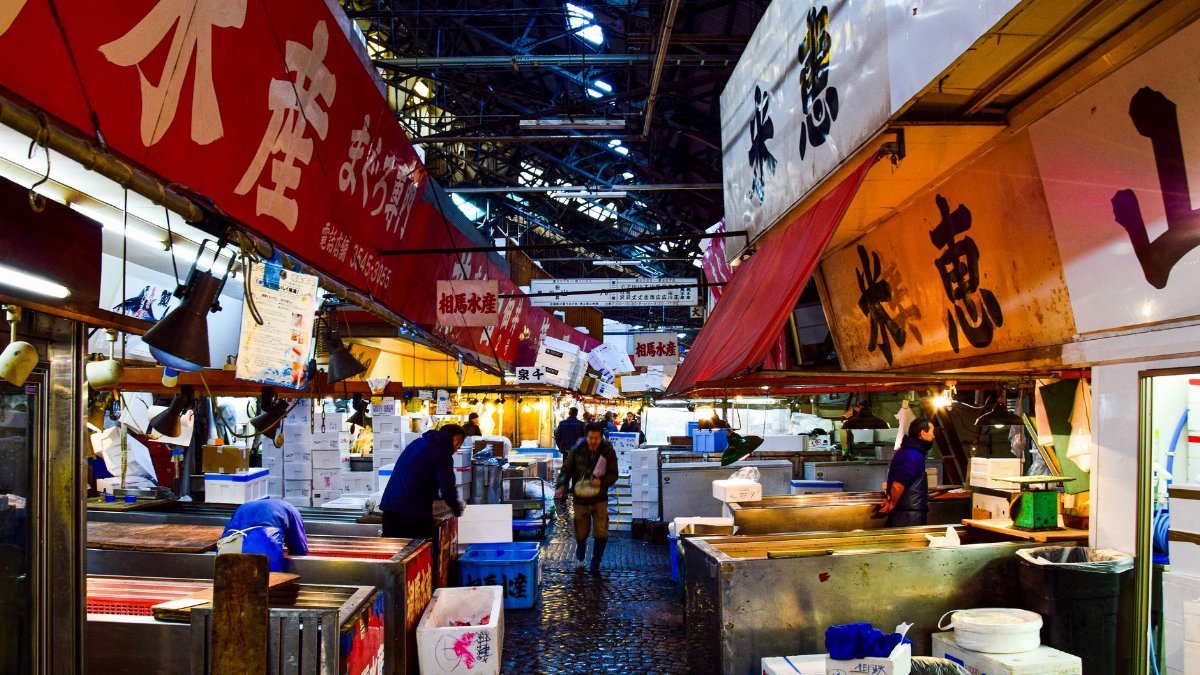
Craft markets and short run sales occupy school gyms, church basements, and the occasional hotel lobby. The best of them are small enough that you can learn a maker’s name. The weaker ones feel like any suburban parking lot with tents. Shoppers on the Main Line have become quicker to tell the difference. They will drive for a market tied to a school or a congregation because the money stays visible. They will skip a generic fair if the drive already includes three other stops.
Music in rooms that hold memory
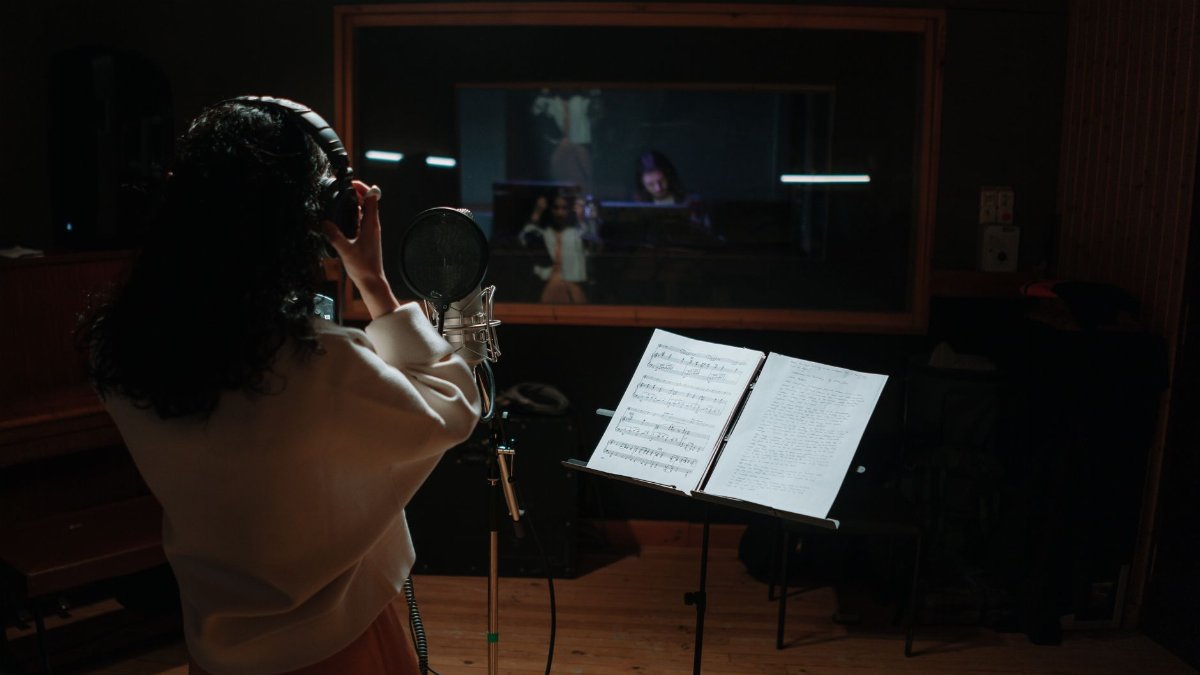
Beyond the outdoor speakers, December belongs to ensembles that rehearse in the same buildings every year. Community choirs, school orchestras, and small jazz groups in restaurants give the month a soundtrack that streaming cannot fake, because you can see who is nervous. A cracked high note in a middle school gym is not a flaw in the season. It is evidence that the season is still being made by people who live here.
Trains, walks, and the choice not to drive
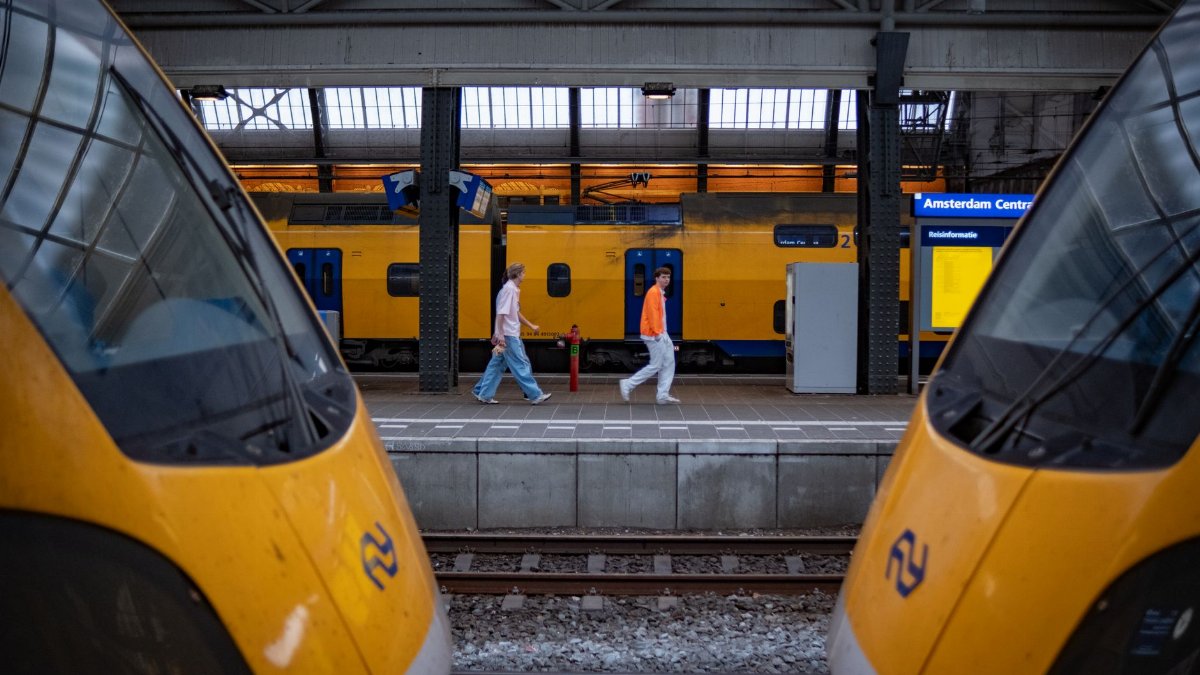
The rail line that named the region is still the most civilized way to sample more than one town. An evening that starts in Ardmore and ends in Wayne is plausible if you trust the schedule and dress for the platform. Walking between a lighting and a dinner, even for ten minutes, changes the night. The cold does editorial work. It cuts the errands you do not need.
What families repeat without announcing it
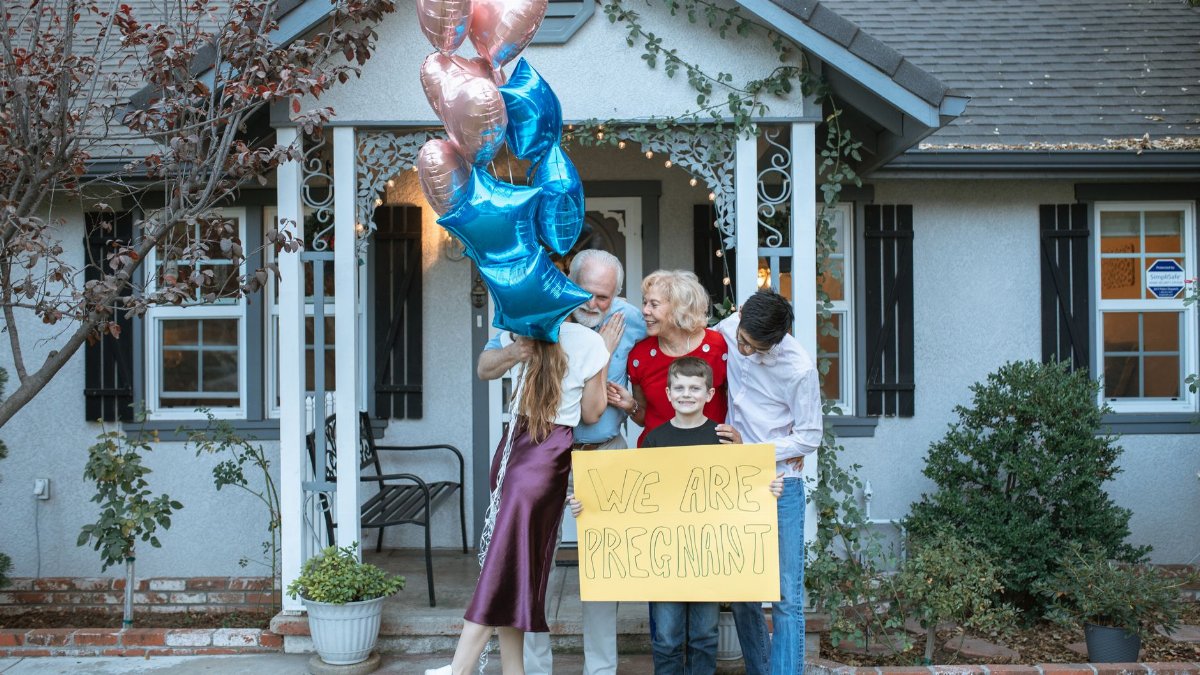
Ask parents which nights they will not skip and the answers are rarely the biggest productions. It is the lighting where a child first understood the countdown. It is the Santa visit that went badly and therefore became the story. It is the church concert where a grandparent still sings the descant. Tradition, in these households, is less a brand than a private archive.
That is why a list of more than twenty five Main Line holiday events can feel both generous and beside the point. The number suggests abundance. The practice is selection.
How to choose a weekend without collecting every flyer
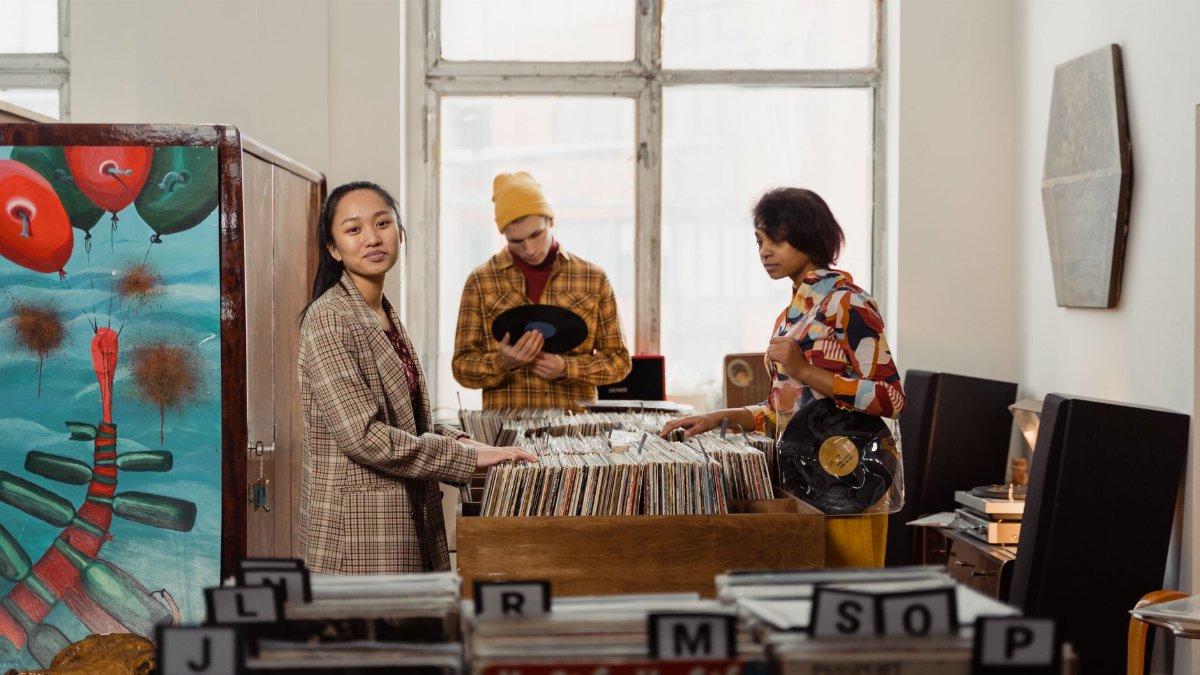
Start with one lighting and one indoor hour. If you have children under ten, put Santa or a short concert on the early side of the evening and leave before the meltdown becomes the memory. If you are going alone or with another adult, take the later music and the walk back to the train. Check township and merchant sites the week of, because weather moves rinks and choirs more often than roundup articles admit.
Then stop adding. The Main Line rewards people who pick a town and stay in it for the night.
What remains after the lights come down
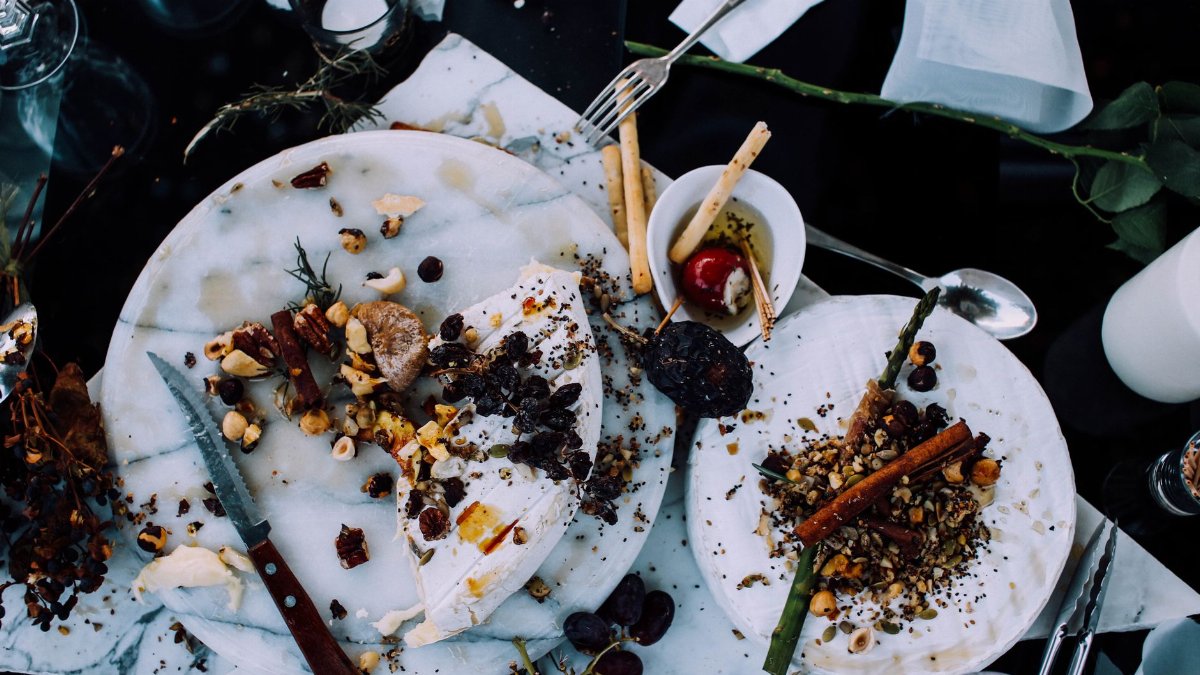
By early January the trees are still up and the urgency is gone. That week, unglamorous as it is, tells you which Main Line holiday events were decorations and which were civic habits. The habits leave traces: a merchant who learned your name, a choir that already posted rehearsal dates for spring, a child who asks, without prompting, whether the rink will return. Those questions are the real measure of a season. Everything else is lights, and lights, however welcome, are the easy part.