
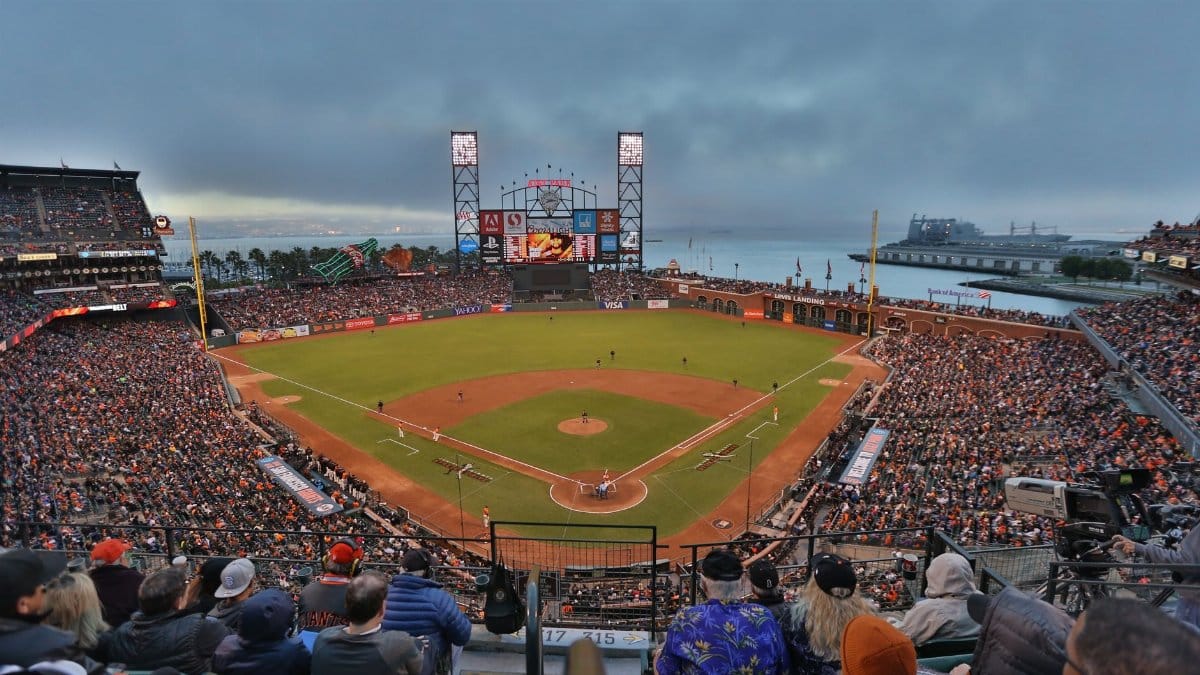
On a clear July afternoon the water beyond the right field arcade turns the color of old glass, and the city that built a ballpark on a pier remembers how a crowd can feel like weather. Major League Baseball has awarded the Giants 2028 All-Star Game to Oracle Park, returning the Midsummer Classic to Third and King streets on July 12, 2028. For San Francisco the date is more than a line on a schedule. It is a civic appointment, a test of whether a waterfront built for baseball can still gather a restless city around one summer night and make the ritual feel shared rather than rented.
A pier that already knows the spotlight
Oracle Park has never been a shy building. It sits on the edge of the bay with the bridges in view and the wind in the scorebook, a place where a routine fly ball can become a negotiation with the air. Fans who have stood in the arcade know the particular hush that arrives when a ball clears the wall and drops toward the water. That theater is part of why the league keeps coming back to certain parks and skipping others. The building photographs well, but it also behaves like a character. Players talk about the corners. Pitchers talk about the marine layer. Visitors talk about the walk from the ferry or the train, the smell of garlic fries, the sudden cold that arrives even in July.
San Francisco has hosted this exhibition before, at Candlestick Park in an earlier era and at this waterfront address in 2007, when the park carried a different corporate name. Memory in baseball is stubborn. People still argue about who should have started, who got snubbed, and whether the home run derby stole the week. Those arguments are the point. An All Star Game is not a championship. It is a pause, a costume party with real arms, and a city audition for the cameras.
What the date actually promises
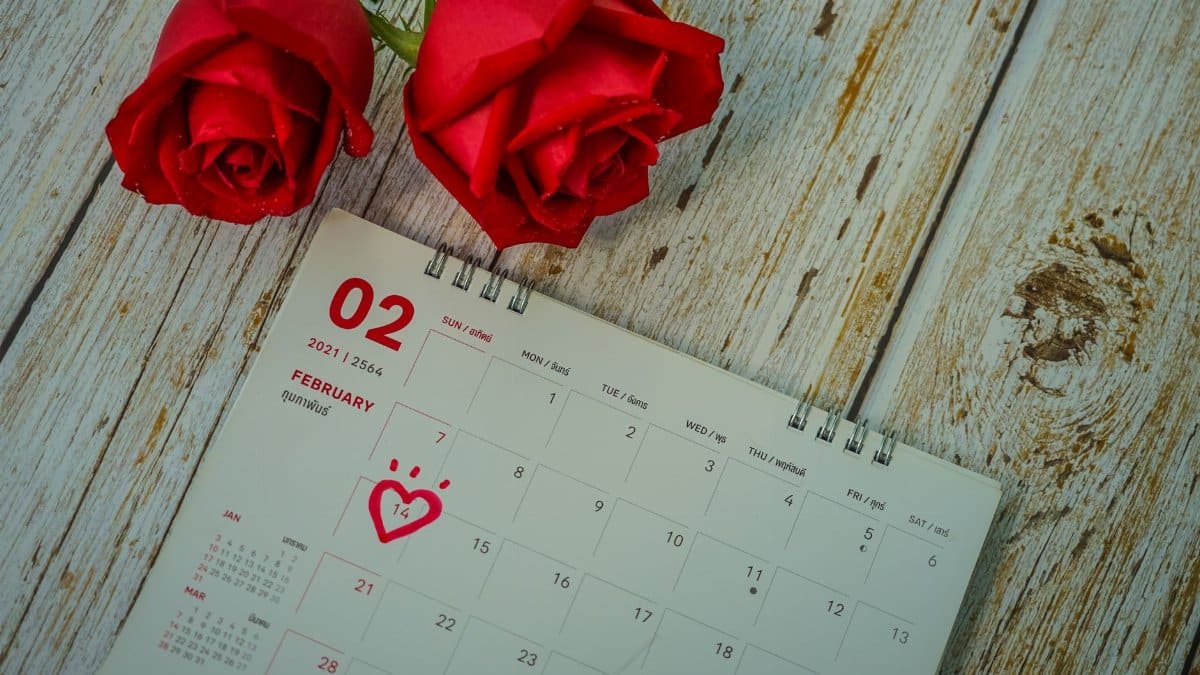
July 12, 2028, is a Wednesday on the calendar of a sport that still treats the middle of summer as sacred. The game itself is one night. The week around it is the real production: workouts, a futures game, a celebrity softball exhibition, press conferences, sponsor dinners, and the long derby that now draws as many eyes as the game. Hotels along the Embarcadero and in the neighborhoods south of Market will treat those days as a season of their own. Restaurants will print special menus. Bars will hang banners they would never hang for a random Tuesday series against a last place club.
The promise is simple and easy to oversell. A city gets a national broadcast, a burst of visitors, and a few days when the sports page and the civic page occupy the same space. Whether that burst leaves anything behind depends less on the first pitch than on who is invited into the week and who is priced out of it before the anthem.
How a mayor becomes part of the story
Mayor Daniel Lurie has been credited with helping land the event, which is the sort of sentence that flatters City Hall and simplifies a negotiation. Leagues do not award showcases out of affection alone. They look at hotels, security, broadcast logistics, corporate partners, and the condition of the building. They look at whether local government will move permits, close streets, and absorb complaints without turning the week into a feud. A mayor who can make those calls, and who wants the photograph, is useful. A mayor who treats the game as proof of a broader recovery is making a larger wager.
That wager deserves a clear eye. San Francisco has spent years arguing with itself about downtown offices, street conditions, housing costs, and the fate of a waterfront that is both playground and workplace. A baseball exhibition will not settle those arguments. It can, for a few days, change the picture the rest of the country sees. Pictures matter in politics. They also fade. The more interesting question is what the city chooses to show when the trucks leave King Street.
The ballpark as a host, not just a backdrop
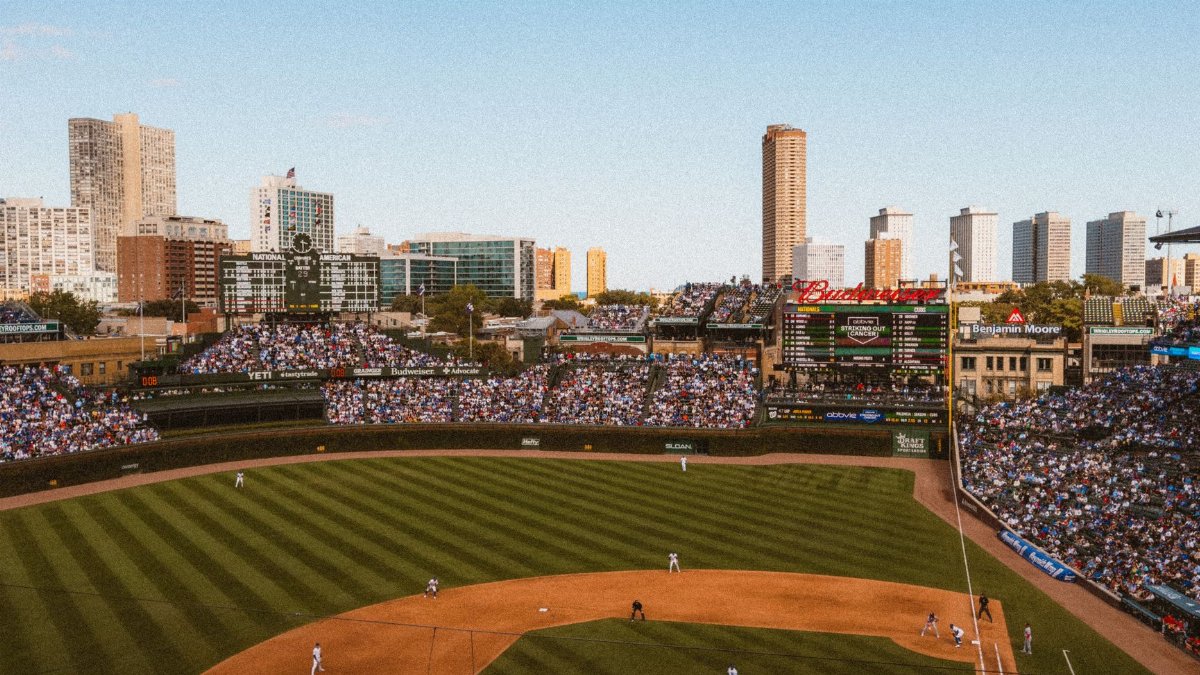
Oracle Park holds a little over forty thousand people, small by the standards of some newer stadiums and large enough that a sellout still feels like a city inside a city. The dimensions are idiosyncratic. Right field is short and the arcade is a hazard. Left field runs deep toward a wall that has swallowed plenty of would be home runs. For an exhibition, those quirks are a gift. National audiences like a park with a personality, and this one has several. The cove, the glove, the scoreboard, the way the light sits on the bay in the late innings: these are not marketing inventions. They are the reason people who do not care about standings still accept an invitation to a game here.
Players notice different things. Clubhouses, food, the quality of the mound, the travel from the hotel to the park. Veterans who have been through several of these weeks tend to judge a host city by whether the schedule feels human. Young players judge it by whether their families can get in and whether the moment feels as large as they imagined when they were kids watching from a couch. Both standards are fair. A great host meets them without turning the players into props.
Who gets a ticket and who watches from outside

Scarcity is the quiet plot of every showcase. Season ticket holders, sponsors, league partners, and visiting executives absorb a large share of the seats before a general fan ever refreshes a browser. That is not a scandal. It is the business. It is also the reason these games can feel distant from the people who keep a franchise alive in April and September. If the Giants 2028 All-Star Game is going to feel like it belongs to San Francisco, some meaningful share of the seats, the watch parties, and the street events has to be priced and placed for people who live here year round, not only for people who fly in for the photograph.
There is a practical version of that idea and a decorative one. The practical version means public events that do not require a credential, school visits that are not only for cameras, and a plan for transit that assumes fans will come by train, ferry, and bus. The decorative version is a slogan on a banner. Fans can tell the difference by Tuesday of All Star week.
King Street and the blocks around it
The ballpark does not float. It sits among warehouses turned offices, residential towers, a basketball arena, and blocks that still shift character from morning to night. Hosting a national event means street closures, security perimeters, and a temporary rewrite of how deliveries, shifts, and commutes work. Neighbors who already live with concert noise and postgame traffic will be asked to live with more of it. Some will welcome the business. Some will leave town. Both reactions are reasonable.
A good plan names the inconveniences early. It says which streets close, which businesses stay reachable, and how residents get through a perimeter without being treated as suspects. It also says what happens to people who sleep outside near the park when a city decides the cameras cannot show that part of the waterfront. That last question is not a side issue. It is the moral test that showcase events in American cities keep failing or, less often, meeting with something sturdier than a temporary sweep.
Money, myths, and the morning after
Economic impact studies attached to big games have a reputation, and they have earned it. The numbers tend to count spending that would have happened anyway, ignore costs borne by the public, and treat every hotel night as new wealth. Visitors do spend money. Restaurants do hire extra hands for a week. Hotels do fill. Those facts are real and smaller than the headlines that precede them. The honest ledger includes police overtime, sanitation, lost productivity from closures, and the public subsidies, if any, buried in the bid.
None of that means the game is a bad idea. It means the city should talk about it as a festival with costs, not as a rescue. Pride is a legitimate return. So is a few days of full dining rooms. So is the chance for kids to see stars in a park they can walk to. Those returns do not require anyone to pretend that a single Wednesday in 2028 repairs a tax base.
Players, selections, and the home crowd problem
Every All Star roster is a small injustice. Someone deserving is left off. Someone popular is added because the ballot rewards fame. When the game is in your park, the injustices feel personal. Giants fans will want their own on the field, in the derby, in the pregame introductions. The front office will want that too, partly from loyalty and partly because a local star in the lineup changes the noise. Baseball has tried various fixes for the selection process. None of them end the arguments, and none of them should. The arguments are how a sport with a hundred and sixty two game season stays awake in July.
There is also the old question of whether the exhibition means anything. Leagues have tied it to World Series home field advantage and then untied it. Players rest, swing for show, and sometimes get hurt, which is the risk nobody in the broadcast booth likes to dwell on. A host city cannot control that tension. It can only build a stage worthy of whatever seriousness the players bring.
Television, tourism, and the picture of the bay
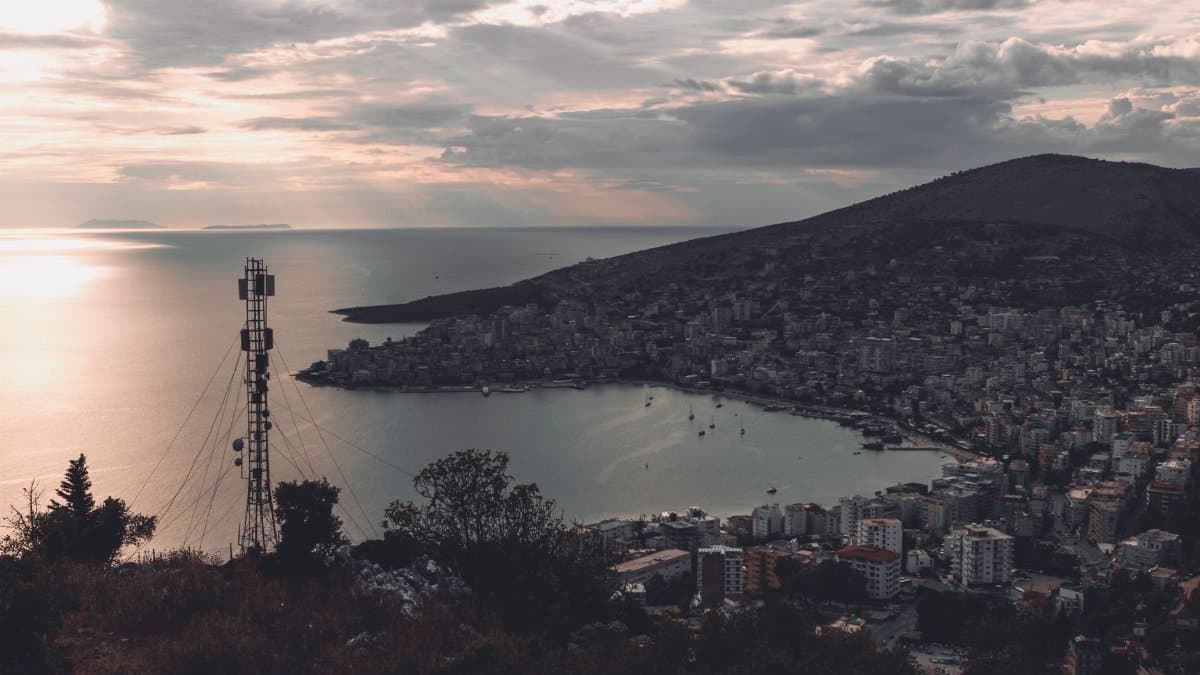
For three hours the country will see San Francisco the way baseball likes to see it: blue water, a packed house, a skyline that behaves. That picture is not false. It is incomplete, which is true of every city on television. The producers will find the bridges. They will find a fan in a vintage cap. They will find a former Giant in the booth who can tell a story without notes. If the city is lucky, they will also find something less packaged, a kid in the stands, a vendor who has worked the aisle for decades, a shot of the cove that does not look like a postcard because the wind is up and the caps are flying.
Tourism officials will measure the week in room nights and social impressions. Residents will measure it in whether they could cross the Embarcadero, whether the trains ran, and whether the morning after looked like a place that had thrown a party or a place that had been used as a set. Both measurements belong in the story.
A civic ritual with a spiritual undertow
Call it fandom or call it a secular liturgy. People stand, sing, and watch a small group of athletes perform a task that has no practical use and somehow organizes a summer. In a city that argues constantly about what it owes its residents, that shared attention is not trivial. It does not replace housing, wages, or safety. It does remind people that public joy is a kind of infrastructure, easy to mock and hard to build. The Giants 2028 All-Star Game will test whether San Francisco still knows how to host that joy without sanding off the parts of the city that do not fit a broadcast frame.
There is a reason these nights linger. A parent takes a child. A group of friends spends too much on bad seats and does not regret it. A player who grew up watching the derby stands in the batter’s box and hears his name from a crowd that is not his home crowd and, for one swing, might as well be. Those moments are small against the scale of a city’s problems. They are also the reason people keep building parks on expensive land and filling them.
What fans can do with the years in between
The game is not next month. It sits a few seasons out, which is a gift if anyone chooses to use it. Ticket policies can be published early. Community events can be designed before the sponsor calendar hardens. Transit agencies can rehearse the loads. The club can decide, in public, how many local heroes it will fight to include and how it will treat the fans who cannot afford the official package. Waiting until the spring of 2028 to discover these questions is how host cities end up looking surprised by their own events.
In the meantime the ordinary season still matters more. A franchise earns the right to throw a party by being present in the years when no one from the league office is visiting. Pennant races, losing streaks, prospect debates, and quiet weeknight crowds are the real life of the park. The showcase borrows that life. It does not create it.
The night itself, if the city gets the week right
Picture the last light on the bay, the flags stiff in the wind, the introductions rolling, and a crowd that includes both the credentialed and the devoted. If the Giants 2028 All-Star Game is only a televised product, it will still be handsome. Oracle Park makes almost anything look intentional. If it is also a week in which the blocks around King Street remain a neighborhood, in which kids from the city can see the field, and in which the costs are stated without costume, then the night earns the language people will want to use afterward. Not a comeback. Not a miracle. A well hosted game in a park that already knew how to hold one.
Baseball is good at anniversaries and bad at pretending they solve anything. San Francisco can take the compliment the league has offered, put the date on the wall, and refuse the myth that a single exhibition is a verdict on the city. The verdict, if there is one, will be smaller and better: whether, on July 12, 2028, the people who live here recognize themselves in the stands and on the streets outside, and whether the morning after still feels like home.