
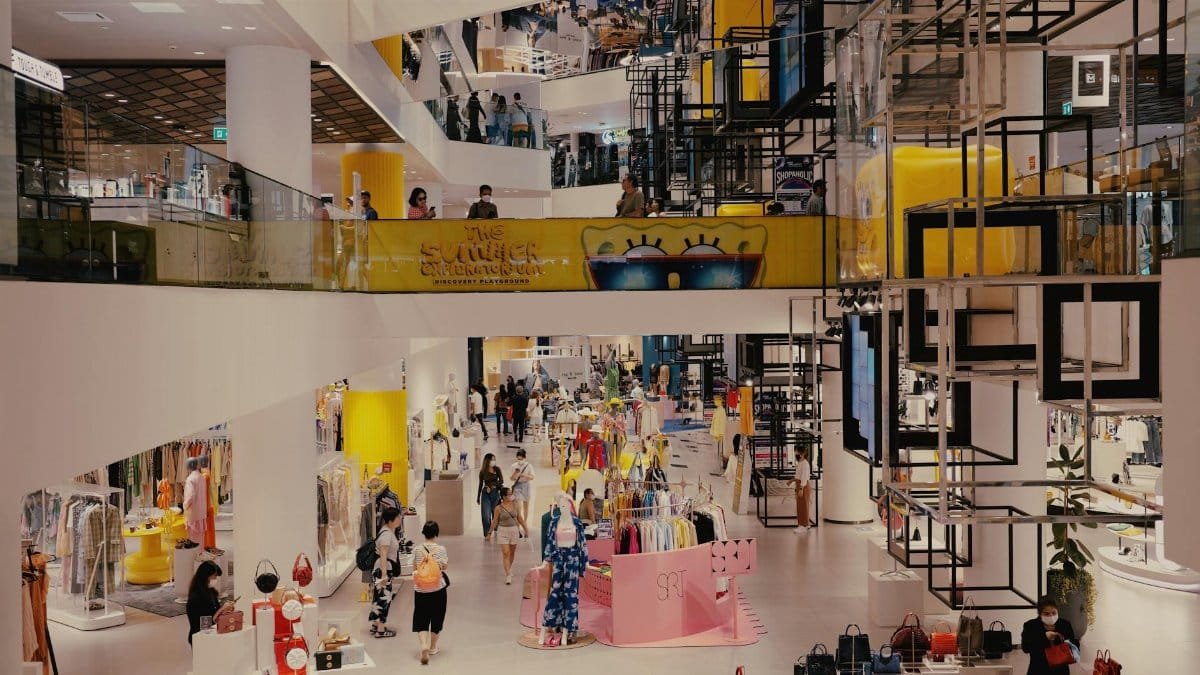
On a crisp weekend afternoon groups of friends linger at outdoor tables while parents push strollers along tree lined paths and couples pause to listen to a guitarist playing near a fountain. These scenes once rare at Long Island retail centers now unfold regularly as properties trade inward facing corridors for open sky and landscaping. The changes mark a deliberate evolution in the LI mall industry as owners strive to keep their properties vital amid shifting habits and economic strain.
Consumers especially younger ones now expect more than stores under one roof. They seek places that feel alive with fresh air natural light and reasons to stay beyond a quick purchase. Developers have responded by carving out plazas adding seating and programming events that turn parking lots into destinations. What emerges is less a mall in the old sense and more a carefully designed town square where commerce meets community.
Traditional Enclosed Centers Lose Their Pull

For decades Long Island malls served as climate controlled hubs where teenagers met after school and families escaped bad weather. Those same properties now grapple with empty storefronts and reduced foot traffic. Online commerce pulled away routine purchases while big box stores and lifestyle centers siphoned special occasion visits. The pandemic accelerated trends already underway forcing operators to reconsider every square foot of their holdings.
Many middle aged residents remember when these enclosed malls functioned as de facto community centers. The loss of that role has left both emotional and economic gaps. Property managers now speak openly about the need to create environments that draw people for reasons beyond shopping alone.
Open Air Designs Answer a Deep Human Need
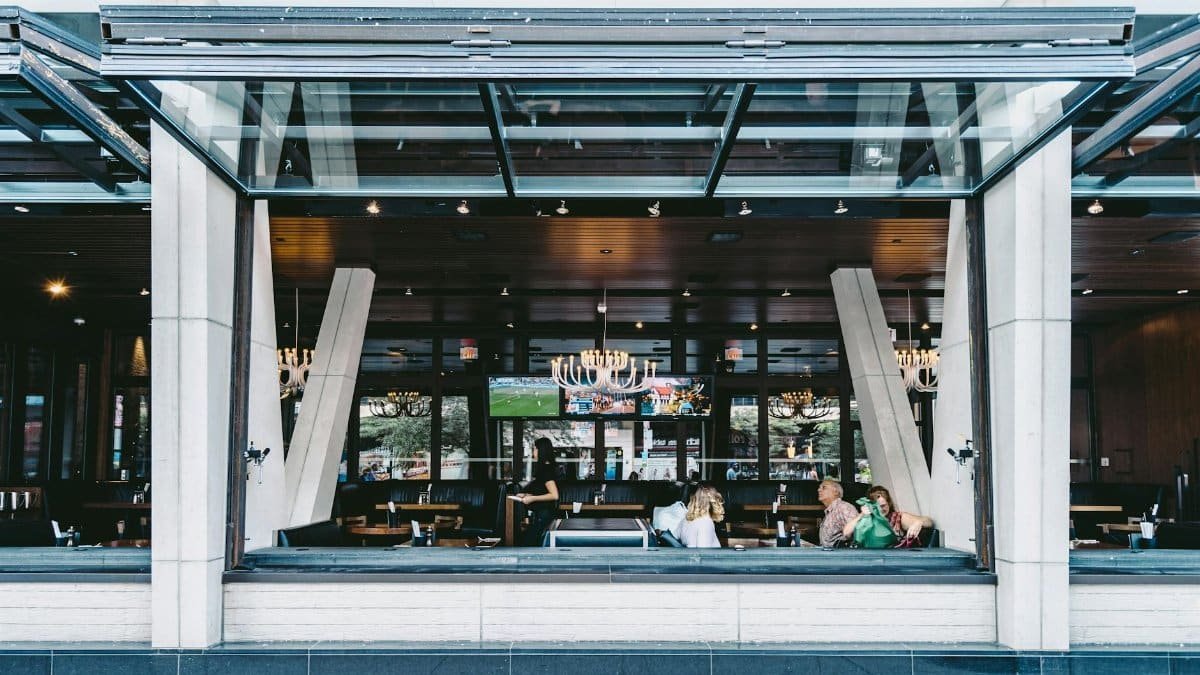
Developers have turned to open air formats because they align with how people actually want to gather. Exposure to daylight and gentle breezes improves mood and encourages longer visits. What feels like a simple design choice reflects a larger appetite for spaces that nourish both body and spirit. In an increasingly digital world physical places that invite presence take on renewed meaning.
Landscaped walkways water features and flexible event spaces transform former asphalt seas into areas where neighbors linger. These elements echo historic town commons where commerce and connection naturally intertwined. The LI mall industry has begun to rediscover that older model updating it for contemporary tastes.
Long Island Properties Rewrite Their Blueprints

At several prominent locations crews have demolished sections of old structures to create outdoor plazas. Roosevelt Field added landscaped courtyards and enhanced pedestrian flow. Walt Whitman Shops expanded its exterior dining and event programming. Even smaller centers have introduced pop up markets and seasonal festivals that activate their grounds year round.
These modifications require substantial investment yet owners view them as essential to remaining competitive. Rather than compete solely on retail square footage they now market ambience and experience. The strategy appears to be working as properties that embrace open air concepts report stronger leasing activity and higher dwell times.
Gen Z Shoppers Set New Expectations

Young adults who form the next wave of consumers show clear preferences for authenticity and social connection. They favor venues that allow them to create content share moments and feel part of something larger. Open air settings with interesting architecture and natural elements photograph well and foster the kind of communal energy this cohort craves.
Mall operators study these patterns closely. They incorporate phone charging stations ample seating and spaces suitable for everything from yoga classes to acoustic performances. The goal is to become a third place neither home nor work where relationships can form and spirits can be lifted through simple shared presence.
Lessons From the Pandemic Years
The months of restricted movement highlighted how much people missed casual public interaction. Once indoor malls reopened many visitors expressed fatigue with artificial air and windowless hallways. Outdoor retail offered reassurance during uncertain times and that memory lingers. Shoppers continue to favor formats that feel safer healthier and more connected to the natural world.
This shift carries spiritual undertones. In fast paced lives marked by screens and isolation thoughtfully designed open spaces provide room to breathe and reconnect with both self and others. The LI mall industry has unwittingly stepped into a role once filled by parks and public squares offering modern interpretations of ancient gathering places.
Economic Pressures Shape Every Decision

Property taxes high operating costs and changing consumer spending have left traditional mall owners with few easy choices. Converting sections to open air reduces energy expenses associated with heating and cooling vast interiors. It also allows for more creative tenancy mixes including restaurants experiential retailers and service businesses that generate stronger foot traffic.
Developers report that well executed outdoor areas command higher rents and attract tenants who might otherwise avoid enclosed malls. The financial math has become clear. Adaptation is no longer optional but a requirement for long term survival. Those who move quickly gain advantage while those who hesitate risk obsolescence.
Creating Spaces That Feed The Spirit
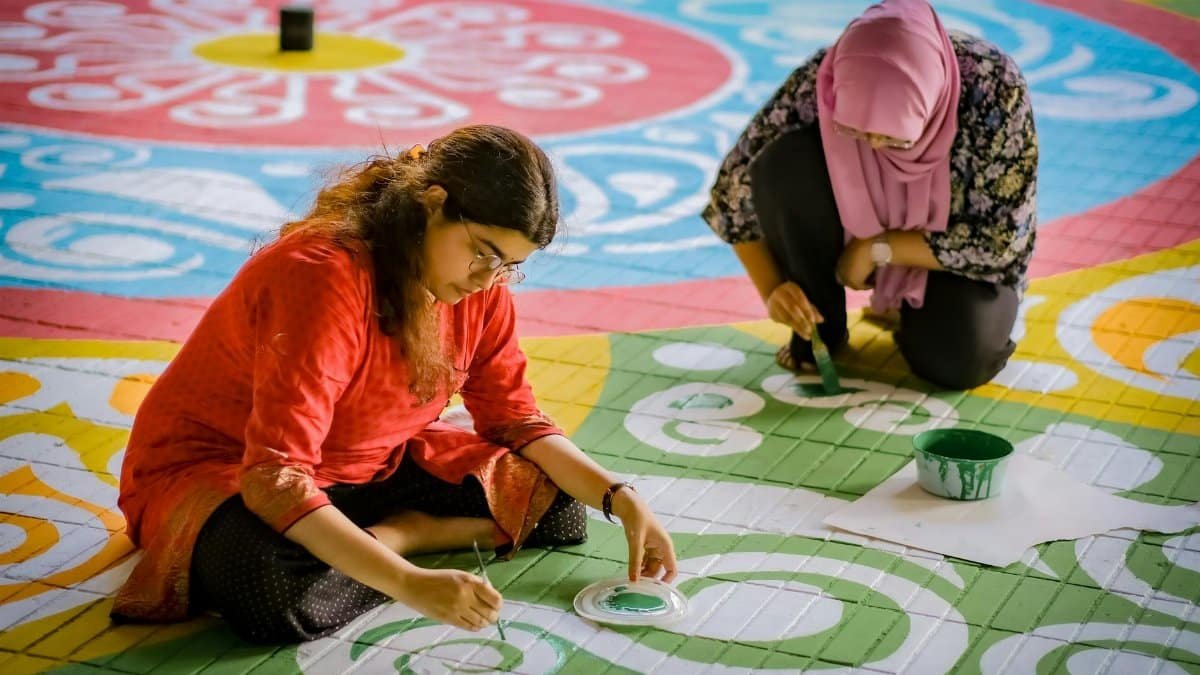
Beyond retail metrics a quieter transformation is occurring. Open air centers increasingly incorporate elements that encourage reflection and connection. Some host meditation sessions or community discussions. Others simply provide benches positioned beneath trees where visitors can sit without feeling pressured to buy.
In a culture that often equates worth with productivity these pauses matter. They restore a sense of belonging that many middle aged residents recall from their own youth yet in updated form. The best new designs balance commerce with contemplation recognizing that people seek meaning as much as merchandise.
Challenges That Remain
Not every property can make the transition easily. Aging infrastructure poor locations and restrictive zoning present real obstacles. Weather dependence also introduces new variables though designers have added covered areas and year round programming to mitigate concerns.
Questions persist about whether these changes will truly sustain the industry or merely delay deeper structural problems. Affordable housing needs and transportation access will influence which centers thrive. Success will ultimately depend on creating genuine value for surrounding communities rather than simply updating facades.
Looking Ahead With Cautious Optimism

The LI mall industry stands at a crossroads. Those embracing open air formats appear better positioned to weather coming decades. By focusing on human needs for connection nature and shared experience they tap into something more enduring than retail trends alone.
The most successful properties will feel less like shopping centers and more like vital community hearts. In blending commerce with spaces for reflection and relationship they may help restore some of what modern life has eroded. For Long Island residents who have watched these malls evolve across decades that possibility carries special resonance.
As more centers complete their transformations the landscape itself changes. What emerges is a network of places designed not only to sell goods but to nourish the human spirit. In that quiet evolution lies the best hope for their continued relevance.