
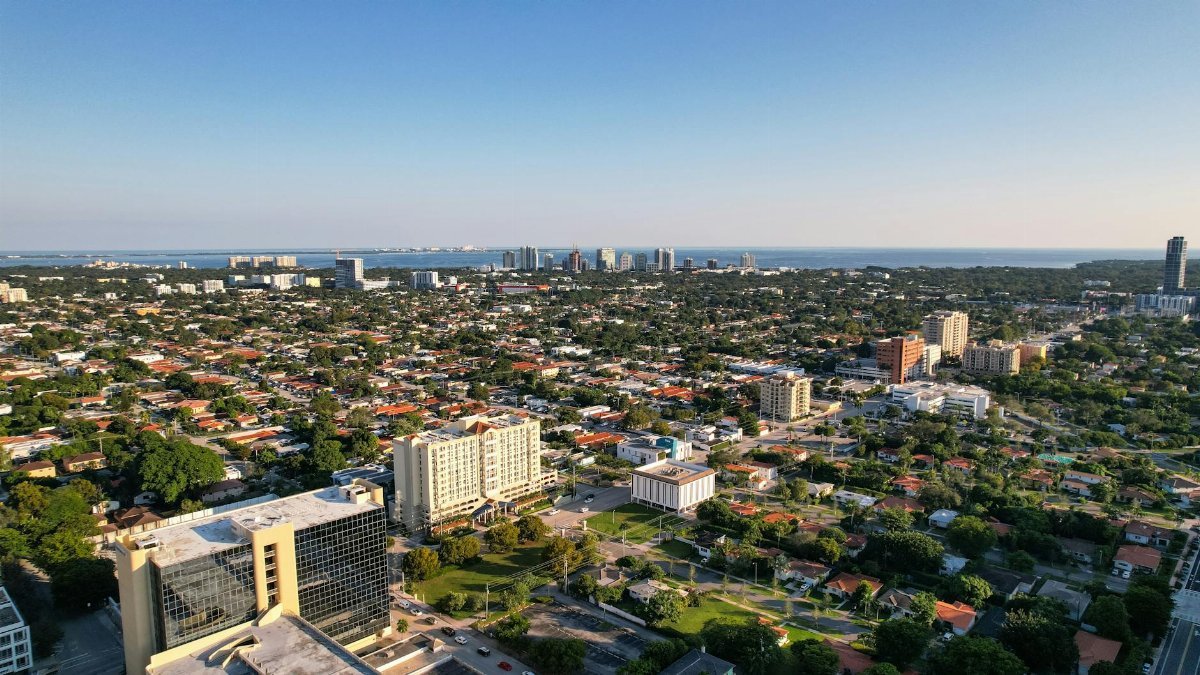
Imagine pulling into a familiar station off Biscayne Boulevard as the morning light filters through the palms. The total on the pump settles at a figure many South Florida drivers have not seen in months. Gas prices Miami have now fallen below four dollars a gallon offering a measure of relief just as the peak summer travel season begins. This shift arrives after years of unpredictable swings that tested household budgets and forced many to reconsider weekend trips or daily routes across the city. For middle aged Floridians balancing work commutes family obligations and occasional escapes to the Keys the change feels tangible. It frees up funds that might otherwise vanish into the tank and allows a bit more flexibility in planning ahead.
Statewide averages in Florida have followed a similar path though variations exist from one county to the next. The timing could hardly be better with Memorial Day signaling the start of heavy road travel. Analysts note that global supply stability and moderated demand have played key roles. While no one expects fuel to remain cheap indefinitely the current dip provides breathing room and a chance to reassess how these costs shape everyday decisions.
The Drop Below Four Dollars

Throughout much of last year the average price in Miami lingered above four dollars and often approached five during peak periods. That reality weighed heavily on family finances and business operations alike. Now many stations across the metro area display prices between three dollars and seventy nine cents and three dollars and ninety five cents per gallon. The Miami Herald recently detailed this turnaround noting that several factors aligned to push costs lower at a critical moment.
Drivers filling standard tanks are seeing savings of eight to twelve dollars compared with the same time last year. For those who commute from Broward County or head south to Homestead on a regular basis the difference accumulates quickly. This development stands out because it bucks the usual pattern of rising costs ahead of summer when demand traditionally climbs. Instead supplies have remained robust enough to keep downward pressure on prices.
What Caused The Price Decline
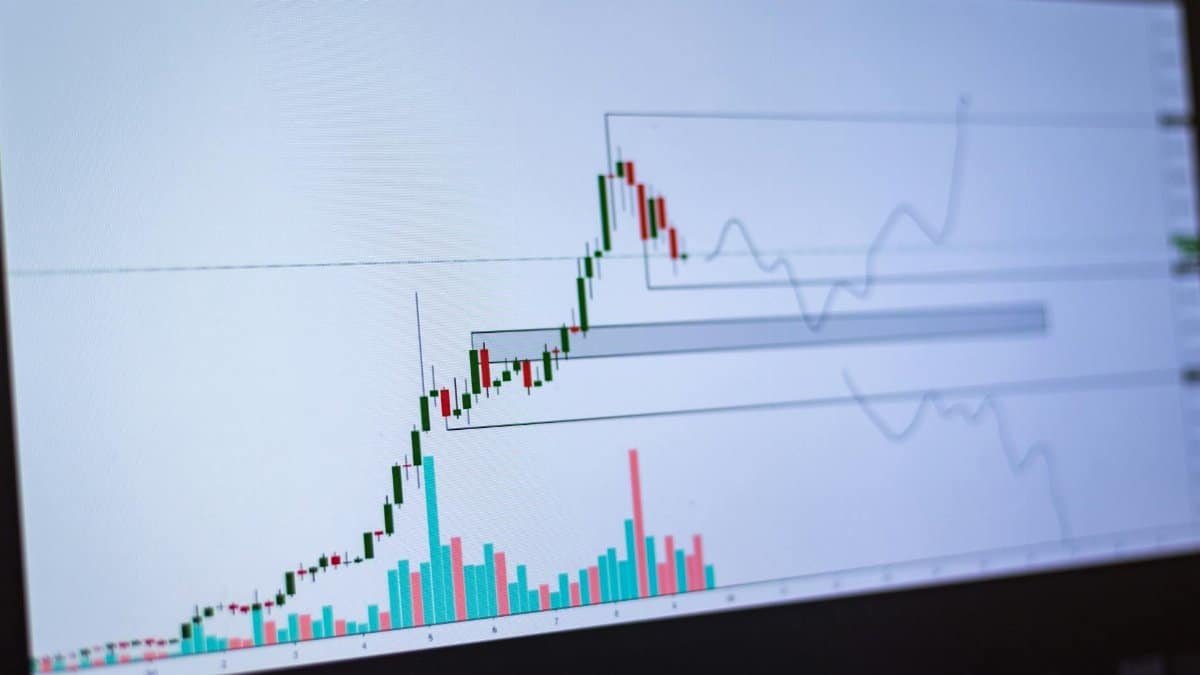
Several converging elements explain the current situation. Crude oil markets have stabilized after earlier volatility tied to international events. Refineries along the Gulf Coast are operating at strong capacity producing ample gasoline for the Southeast. At the same time mild winter weather reduced heating fuel consumption leaving more resources available for transportation needs.
Federal policies aimed at releasing strategic reserves in prior years also helped build a buffer. Locally Florida lawmakers have resisted adding extra taxes on fuel choosing instead to focus on infrastructure improvements funded through other means. The result is a market that currently favors consumers though experts caution that any major disruption overseas could quickly alter the equation.
Variations Across The State

Miami drivers are not alone in noticing the change yet prices differ by location. In the Tampa Bay area averages sit slightly lower while Orlando reports figures closer to four dollars in tourist heavy zones. Northern Florida communities near Jacksonville sometimes pay three dollars and sixty cents reflecting proximity to major distribution terminals.
Rural counties in the Panhandle continue to show the widest gaps with some stations charging notably less than those in dense urban cores. These differences remind residents that location convenience and local competition all influence what appears on the sign out front. Motorists who travel the state regularly have learned to track these patterns using simple apps that display real time information.
Effects On Morning Commutes

For many professionals in their forties and fifties the daily drive represents a substantial monthly expense. Teachers nurses and sales representatives who log consistent miles now spend less on fuel than they budgeted for at the start of the year. That extra money often redirects toward groceries school activities or home maintenance projects deferred during tighter times.
Traffic along Interstate 95 and the Dolphin Expressway remains heavy but the psychological burden of watching the numbers climb at every fill up has eased. Some drivers report adjusting their routines slightly perhaps combining errands or choosing routes with fewer stops. The cumulative effect across thousands of households creates a small but meaningful lift in local economic activity.
Relief For Household Budgets

Families across Miami Dade and Broward counties have absorbed repeated price shocks since the pandemic years. Groceries utilities and insurance premiums all rose alongside fuel making balanced budgets difficult. The recent decline in gas prices Miami arrives as a counterbalance that many welcome with quiet appreciation rather than fanfare.
A typical household that fills two vehicles weekly could save more than forty dollars each month. Over the course of summer that total grows enough to cover a weekend getaway or bolster savings accounts. For those living on fixed incomes including retirees the difference helps stretch Social Security checks further. The psychological impact matters too since constant financial pressure can wear on relationships and overall sense of stability.
Planning Summer Getaways

With lower fuel costs more Florida residents are mapping out road trips that were postponed in recent seasons. Destinations such as Sanibel Island St Augustine or the theme parks near Orlando become more attainable when the largest variable expense shrinks. Rental car companies and hotels report early signs of increased bookings from drivers within the state.
This uptick supports tourism dependent businesses still recovering from earlier disruptions. Restaurants along the Turnpike and in small coastal towns anticipate busier weekends. The trend also encourages families to prioritize shared experiences over purely local entertainment options. In a region defined by its connection to the water and open roads affordable fuel helps restore some of that natural rhythm.
Insights From Industry Analysts

Energy experts monitoring Southeast markets suggest the current window of lower prices may extend through early July though they stop short of long term guarantees. Seasonal demand usually peaks in midsummer when families vacation and students roam freely. Should hurricane activity remain quiet and global supplies steady the odds favor continued moderation.
One widely respected forecasting group tied to university research notes that Florida benefits from its position as both a consumer and distribution hub. Refineries in nearby states ship substantial volumes through Port Everglades keeping inventories replenished. Still any escalation in tensions in oil producing regions would likely transmit quickly to local pumps.
Strategies For Lower Fuel Spending
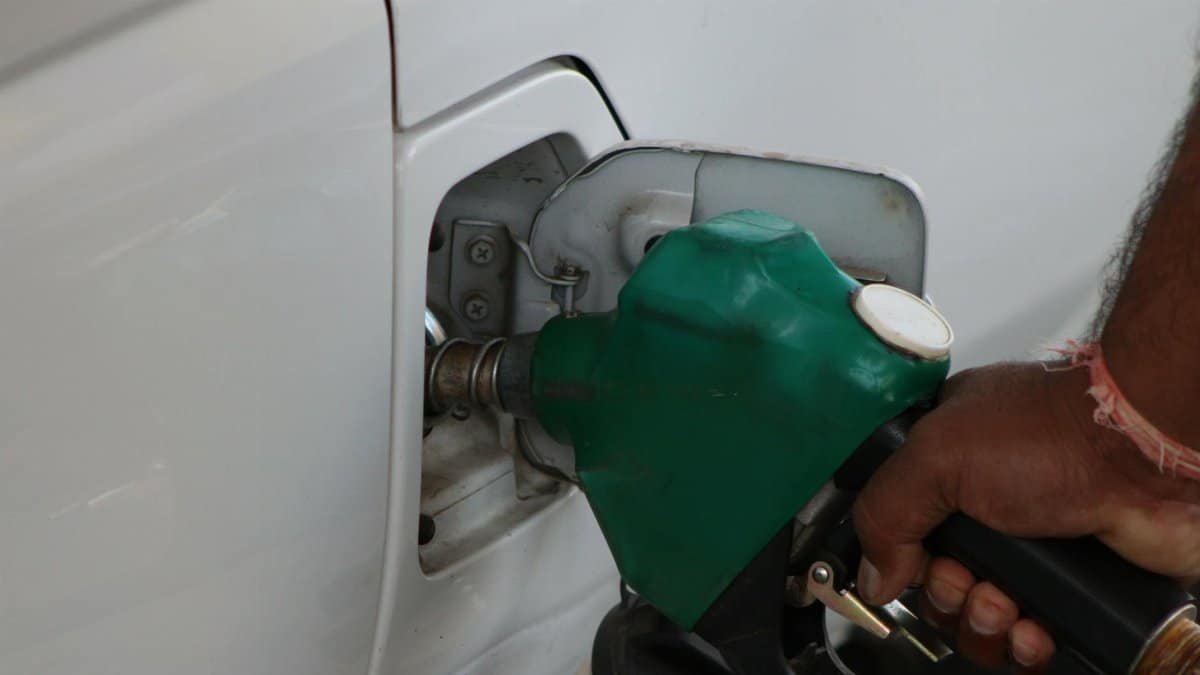
Even with improving prices careful habits remain useful. Maintaining proper tire pressure improves mileage by up to three percent according to federal transportation data. Combining errands into single outings reduces unnecessary miles. Many drivers now consult free online tools that map the cheapest stations along their regular paths.
Choosing mid grade gasoline when the owners manual permits it can also trim costs without sacrificing performance in most modern vehicles. Local governments have expanded public transit options in recent years giving commuters alternatives during peak price periods. Those small adjustments when practiced consistently create meaningful differences over months and years.
Global Influences On Local Pumps
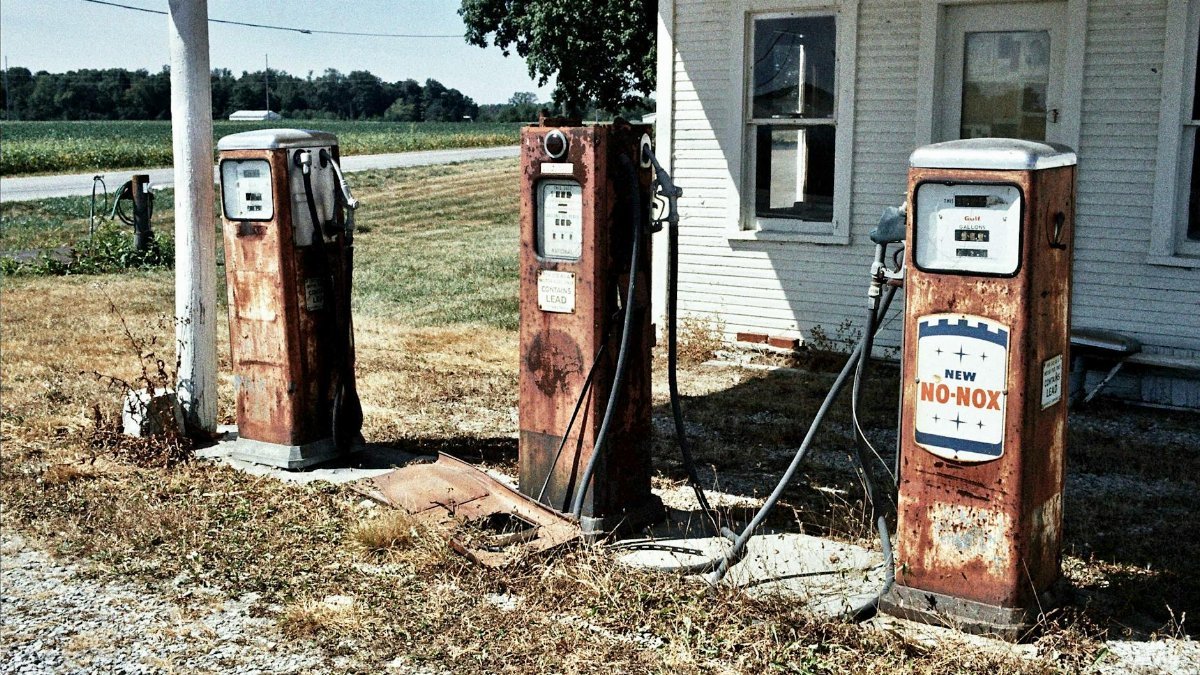
Fuel prices in Miami ultimately reflect decisions made thousands of miles away. Production levels set by major oil exporters ripple through every American market. Shipping costs weather events and currency fluctuations all play supporting roles. Floridians have grown accustomed to this interconnected reality yet the human scale impact still surprises when prices swing dramatically.
The current moderation offers a reminder that global events do not always push costs higher. Strategic planning by domestic energy firms and measured responses from policymakers can create pockets of relief. For a state with more than twenty million residents and millions of annual visitors these moments of lower gas prices Miami carry broad implications that touch nearly every segment of daily life.
A Welcome Change For Florida Seniors

Retirees who depend on regular drives to medical appointments or community centers feel the benefit perhaps most acutely. Many live on incomes that leave little margin for unexpected increases at the pump. The present situation allows them to maintain independence without constant recalibration of their monthly ledgers.
Some senior centers report increased participation in group outings now that transportation costs have eased. Others note members resuming visits to distant relatives across the peninsula. These connections matter deeply in a state known for its large retirement population. The relief extends beyond dollars and cents touching quality of life in ways that resist easy measurement.
While the broader trend remains subject to sudden change the present moment offers Florida drivers reason for measured optimism. Lower prices will not solve every economic challenge yet they provide tangible support at a time when many households need it. As summer unfolds and roads fill with travelers the numbers on gas station signs will continue to tell part of a larger story about resilience flexibility and the constant interplay between global forces and local lives.