
The last weekend of September left Philadelphia looking rinsed and unfinished. Gutters ran tea colored water. Park benches held a film of damp that no one bothered to wipe. People who had planned orchard trips and block parties spent the hours inside, watching the same low ceiling of cloud. In kitchens and group chats the shorthand was simple: Philly gloomy September rain. It named both the weather and the mood. By the time the month ended, the city had logged 6.61 inches of rain and cloud cover above 70 percent, a stretch gray enough to feel historic even before the comparisons were finished.
What the month actually measured
Rain totals tell only part of a month. Philadelphia has seen wetter Septembers, and it has seen sudden tropical soakers that drop an inch in an afternoon and then vanish. What distinguished this one was the company the rain kept. Cloud cover above 70 percent meant the sun was a rumor for long stretches. Pavement did not flash dry between showers. The air stayed mild enough that windows could stay cracked, yet the light never accumulated into the golden hour people expect once Labor Day has passed.
Readers who track the climate record will want a ranking, and they are right to ask. A gloomy month is not the same thing as a record wet month. Archives weigh inches, hours of sun, and the count of days with measurable rain. Local coverage as October began treated the pairing of 6.61 inches and near constant cloud as the notable fact, a combination that wore on people more than a single dramatic storm would have. The Philadelphia Inquirer laid out that accounting in its weather report. The feeling matched the figures. The sky declined to change the subject.
Streets that never quite dried

Walk any rowhouse block after a week of this and the details repeat. Moss darkens in the mortar. Metal railings leave a smell on the palm. The corner store keeps a towel by the door that never stays dry. Delivery drivers wipe tablets on their sleeves. None of this is catastrophe. It is friction, and friction over thirty days changes how a neighborhood feels about itself.
Parents stopped promising the park after school. Dog walkers shortened the loop and came home with towels ready. In South Philadelphia and in Germantown the complaint was identical, which is rare enough to notice. The city is full of microclimates and strong opinions. For once the sky imposed a common text. People called it Philly gloomy September rain because the longer explanations felt fussy. Four words did the work.
The commute as a small daily argument
Regional rail cars smelled of wet wool by 8 a.m. Umbrellas collided in the vestibule and left puddles that swayed with the train. Riders who usually read looked out at nothing in particular, because nothing in particular was available: a gray river, a gray lot, a gray overpass. The Broad Street Line offered the opposite view, a tunnel that at least did not pretend to be a season.
Remote work, still a habit for many offices, absorbed some of the misery and created another kind. People who stayed home reported that the day had no edges. Without a walk to the station or a change in the light, lunch and late afternoon rhymed. Managers noticed slower mornings. Nobody needed a survey to explain it. A month of low light is a tax on attention, paid in small increments, hard to itemize and easy to feel.
Gardens and the late crop
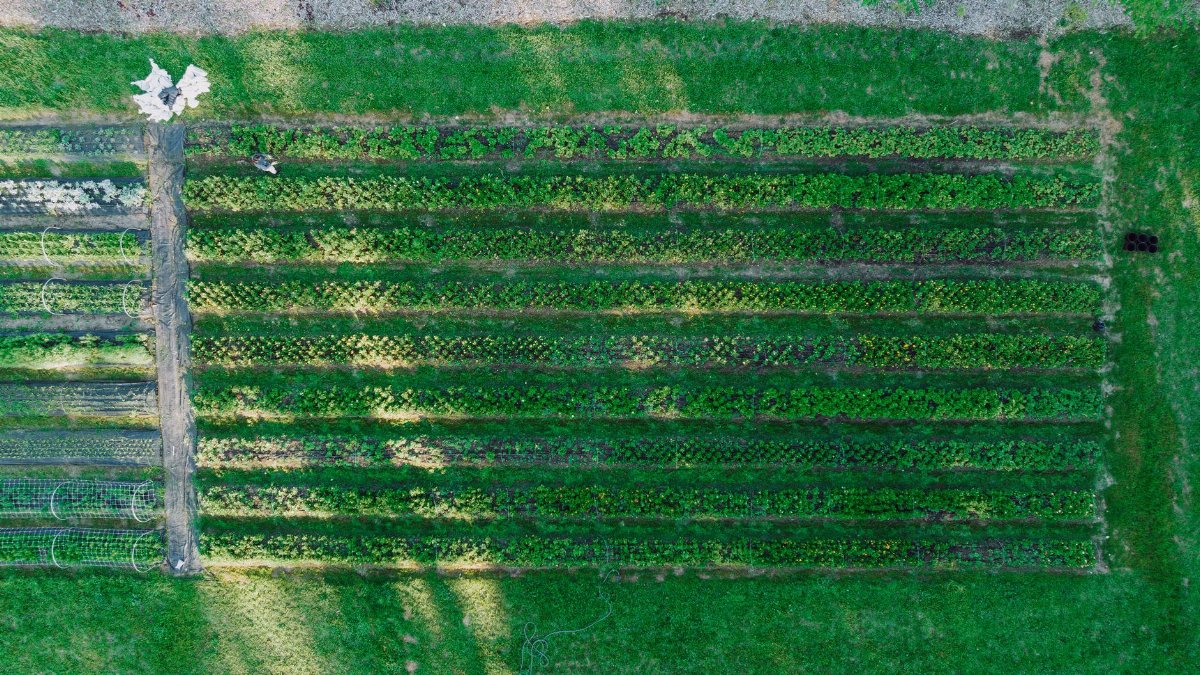
Gardeners had a split verdict. Tomatoes split. Basil sulked and then bolted in a brief warm spell that still felt sunless. Squash kept producing as if the rain were a compliment. Community plots in Fairmount and along the Delaware turned to mud at the paths, which meant harvesting became a boot problem before it was a cooking problem.
The deeper issue was timing. September is when many Philadelphia gardeners count on a dry finish, a chance to pull spent vines and plant garlic before the ground stiffens. Constant moisture delayed that ritual. Fungus found the leaves. People who treat the garden as a calendar felt the month steal a chapter. A season is a promise. When the promise blurs, even a backyard feels less legible.
Work, school, and the indoor drift
Schools opened into the gray and stayed there. Recess moved inside more often than teachers like to admit. Gym floors took the overflow. Children who need the yard to spend their energy spent it in hallways instead, and the hallways showed it. Coaches redrew practice plans. A soccer family in any neighborhood could tell you the difference between a rainy Saturday and a month in which Saturday never quite arrives.
Offices adjusted in quieter ways. The bright lobby plant looked theatrical against the window. People ate lunch at desks not from virtue but from inertia. I heard the same half joke twice in one week, from people who do not know each other: the month had no Wednesdays, only a long Tuesday. Humor like that is data. It says the calendar lost its texture. Philly gloomy September rain was no longer only a description of water. It was a description of time.
Rooms with lamps
Congregations noticed the month in the way congregations notice most things: through bodies in rooms. Weeknight meetings filled a little more easily. People lingered after services because the alternative was a wet sidewalk and an early dark. Clergy in several traditions described a hunger for rooms with lamps, not as a conversion story, just as a practical mercy.
This is not to claim that bad weather produces faith. It does not. Plenty of believers stayed home and watched the service on a phone, and plenty of people with no congregation at all felt the same pull toward soup, company, and a window that faced another window. What the gray offered was a prompt. In a culture that treats sunshine as a moral good, a sunless month asks a ruder question: what do you do with a day that will not flatter you? Some answered with prayer. Some answered with a longer dinner. The answers were less important than the fact that the question stayed open for weeks.
The postponed Saturday
Youth sports absorbed the disappointment in public. Fields closed. Tournaments slid to October. A child does not experience a climate statistic. A child experiences a cleat bag that stays by the door and a parent saying maybe next week, again. Libraries and rec centers became the substitute civic square. Story hours ran long. The staff, used to September lulls, found themselves hosting the neighborhood.
Parents tried not to narrate the gloom too heavily, and then narrated it anyway. Kids repeat what they hear. By the third week some of them were using the adult phrase with comic gravity, announcing Philly gloomy September rain as if it were a holiday with bad catering. The joke helped. It also showed how completely the weather had entered the family vocabulary.
Moisture from farther south
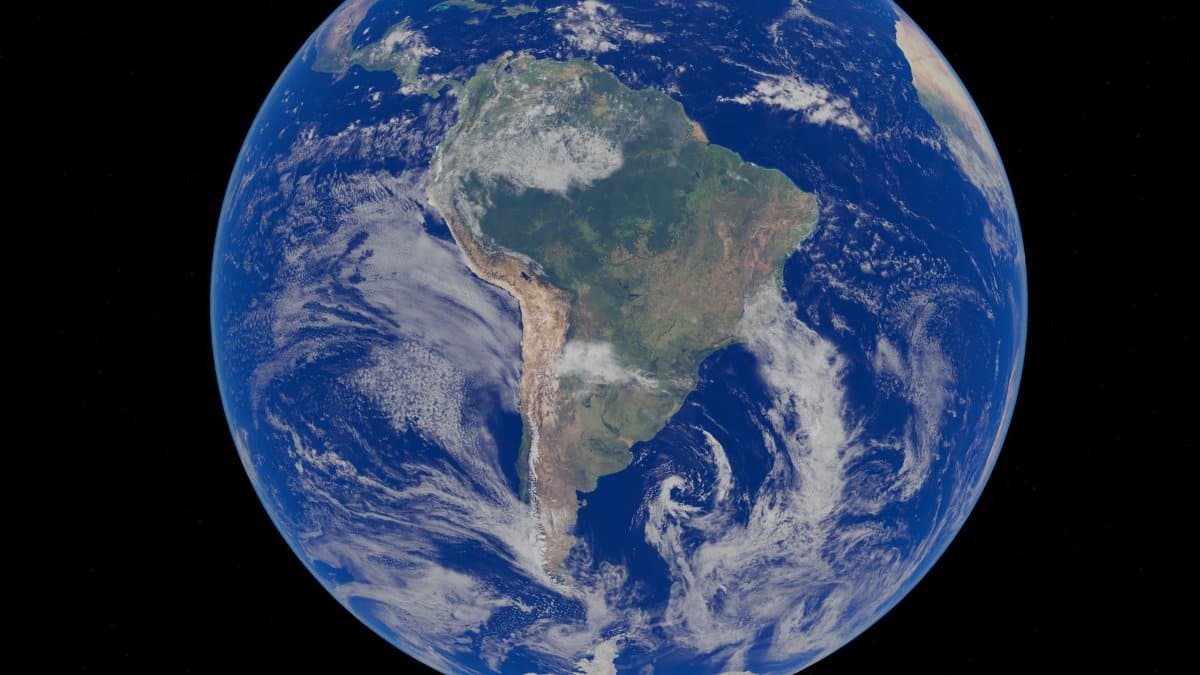
Not all of the water began over Pennsylvania. September is hurricane season, and the city often catches the tired edge of storms that hit elsewhere first. Tropical moisture, pulled north and wrung out over the Middle Atlantic, joined ordinary frontal rain. The product was a relay of wet systems rather than one named disaster in the streets.
People remember landfall and names. They less often remember the week after, when the danger has moved on and the sky stays busy. Coverage in The Philadelphia Inquirer set the hurricane thread beside the cloud and rain totals. That is the honest scale. A gloomy month can be built from pieces that, alone, would not have led the evening news.
After the month lets go
October does not owe the city an apology, and weather does not settle debts. Still, the end of a month like this has a social sound. People make plans with a caution that is almost superstitious. They check the forecast and then, if a dry window appears, they use it as if it might be revoked. The first true clearing will empty apartments onto stoops. Someone will grill early. Someone else will stand in a park and say the light looks unfamiliar, which means they missed it.
A spiritual lesson sits nearby, modest enough to trust. Attention is seasonal. A long gray stretch trains the eye toward small mercies: dry shoes, a table by a window, a friend who texts the obvious. Philly gloomy September rain will fade as a phrase once the sun returns and ordinary complaints resume. What it marked was a civic pause. The city kept its appointments in the damp and waited, without much drama, for the sky to become interesting again.