
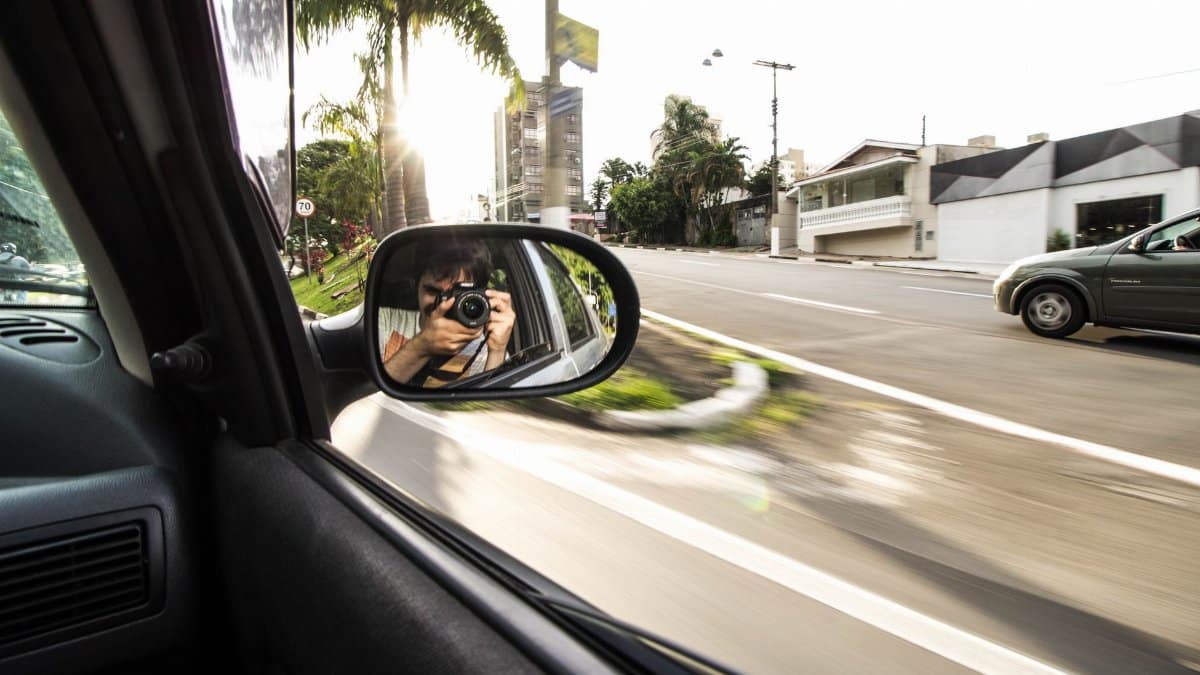
In the heart of Oakland a quiet transformation unfolded along busy corridors once plagued by reckless driving. City officials turned to technology in the form of Oakland speed cameras to enforce limits where traditional patrols fell short. Early readings showed drivers easing off the gas in surprising numbers. This shift raises questions about how automated enforcement reshapes daily commutes and neighborhood safety without relying on constant police presence.
Origins of the camera program in Oakland

City leaders approved the automated system after years of rising collision reports at key intersections. Engineers placed units at spots with documented high crash rates. The setup focused on collecting speed data alongside issuing citations. Officials emphasized the goal of changing habits rather than generating revenue.
Early data on speed reductions
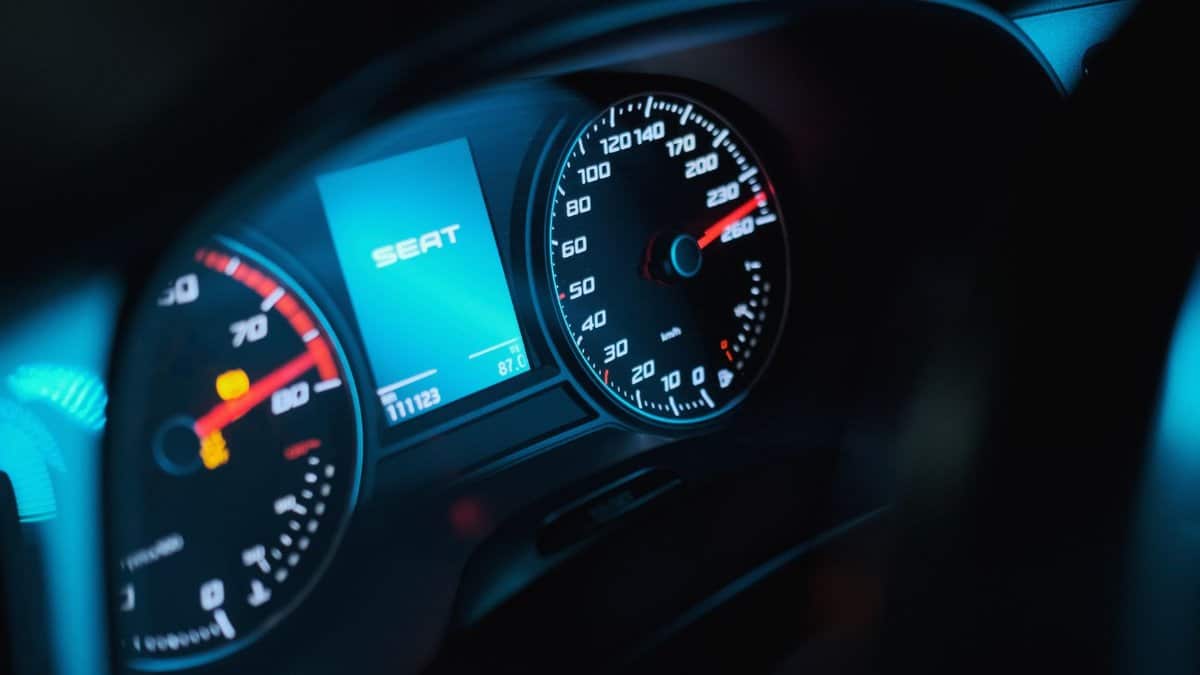
Records from the first months revealed a steep drop in vehicles exceeding limits. At several monitored locations the share of speeding cars fell sharply. Analysts compared readings before and after activation. The pattern held across different times of day and weather conditions.
How neighborhoods responded to the change
Residents near camera sites noticed fewer near misses at crosswalks. Parents reported greater confidence when children walked to school. Local businesses saw steady foot traffic without the roar of engines accelerating past storefronts. Some voiced support while others questioned privacy aspects of constant recording.
Driver adaptation and habits over time
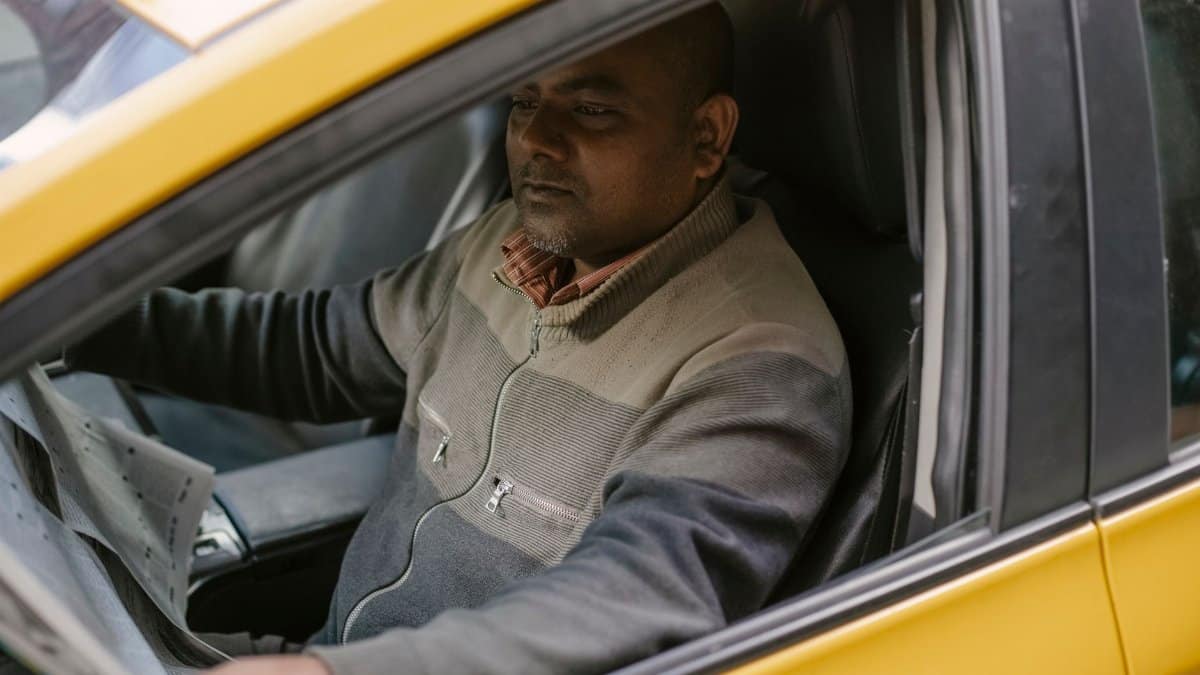
Many motorists adjusted routes or simply slowed down once word spread about the cameras. Surveys indicated greater awareness of posted limits. Repeat offenders appeared less frequently in the data. Over months the effect seemed to extend beyond the immediate camera zones as drivers carried new caution elsewhere.
Comparison with enforcement in other cities
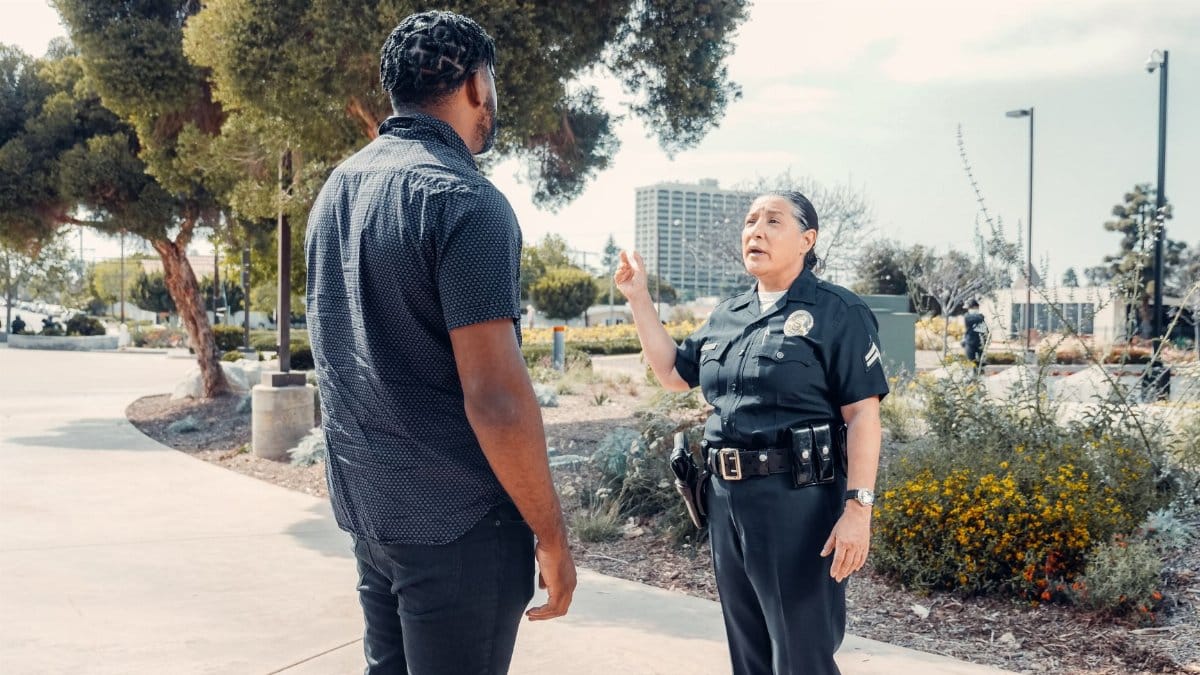
Similar programs in places like New York and Chicago produced comparable drops in violations. Oakland officials studied those models before launching. Differences emerged in fine structures and public communication efforts. Local results aligned closely with national trends yet reflected unique traffic patterns in the East Bay.
Effects on overall road safety metrics
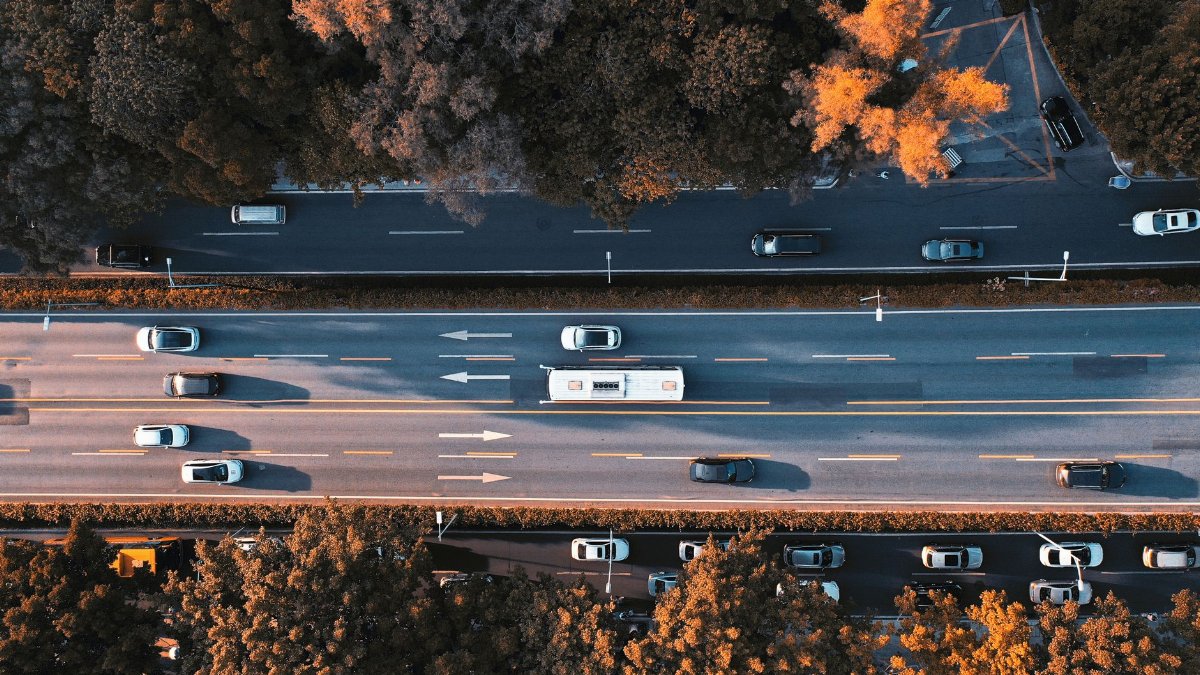
Crash statistics showed fewer injury incidents at equipped intersections. Emergency responders handled reduced calls for serious collisions. Insurance claims data echoed the trend with lower reported damage events. The cameras appeared to complement other safety measures such as improved signage and road markings.
Technical details behind the camera operation

Each unit uses radar to measure velocity and captures images only when thresholds are crossed. Software processes plates and matches them to registered owners. Appeals processes allow drivers to contest tickets with evidence. Maintenance crews perform regular checks to ensure accuracy amid varying light and traffic volumes.
Public debates and policy adjustments

Council meetings featured discussions on equity in ticketing and ways to support low income drivers facing fines. Some proposed grace periods or warning phases for new locations. Advocates pushed for expanded coverage while skeptics called for more human oversight. The dialogue continues as data accumulates.
Future expansion plans for automated tools
Planners eye additional sites based on ongoing collision mapping. Integration with traffic signal timing offers further potential gains. Partnerships with state agencies could standardize rules across the region. Long range goals include linking cameras to broader smart city initiatives.
Broader lessons for urban traffic management
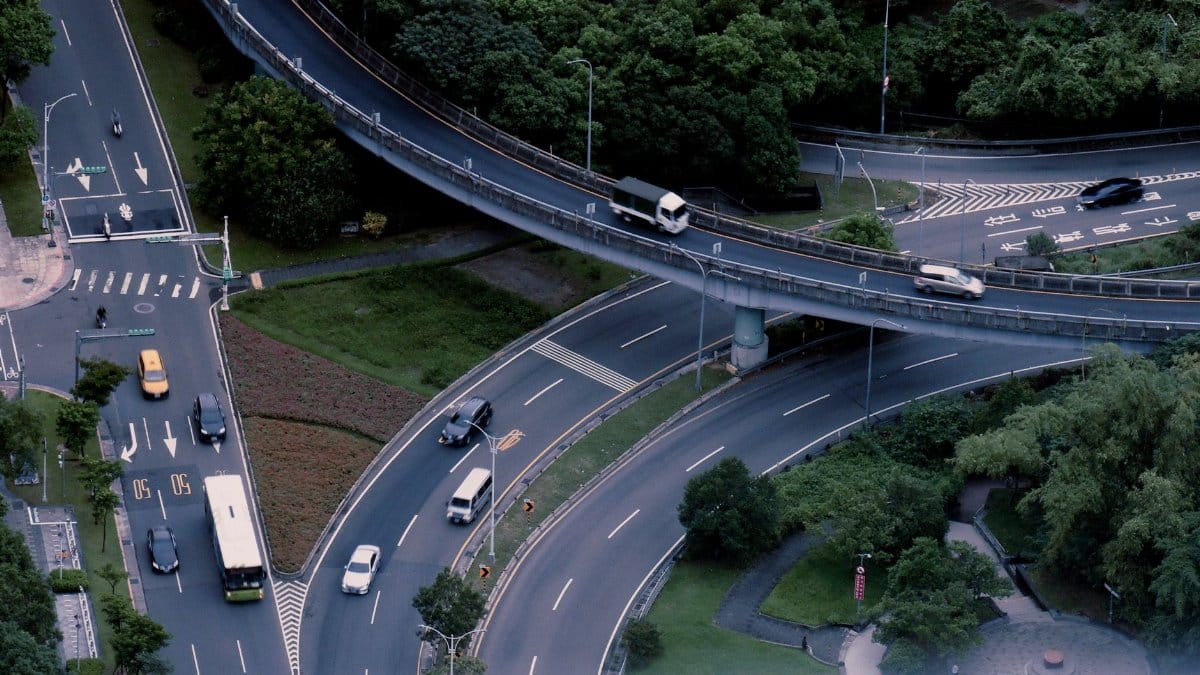
The Oakland experience suggests technology can influence behavior at scale when paired with clear communication. Other municipalities watch closely for transferable insights. Success hinges on balancing enforcement with community trust. Continued monitoring will determine if gains persist or fade as novelty wears off.