

In a crowded auditorium in Fort Lauderdale the tension rose quickly as Representative Debbie Wasserman Schultz took the stage alongside her challengers for a primary contest that drew intense local interest. The Wasserman Schultz Primary Debate Broward became a focal point for voters weighing experience against calls for fresh leadership in a district long shaped by shifting demographics and economic pressures. Observers noted pointed exchanges on issues ranging from housing costs to federal funding priorities as the candidates sought to distinguish their visions before an audience of engaged residents.
Setting the Stage for a Heated Exchange

The event unfolded in a venue chosen for its central location allowing easy access for Broward County residents from various neighborhoods. Moderators guided the discussion through timed responses that kept the focus on policy differences rather than personal attacks at first. Yet as the evening progressed the tone sharpened when questions turned to past legislative records and future commitments.
Challenges to Incumbent Record Surface Early

Opponents pressed Wasserman Schultz on her tenure in Congress highlighting votes on trade agreements and infrastructure bills. They argued those choices sometimes favored broader national interests over immediate local needs such as port expansion and flood control projects. The incumbent responded by pointing to secured federal resources that supported regional transportation upgrades and community health initiatives.
Voter Priorities Emerge Through Audience Questions
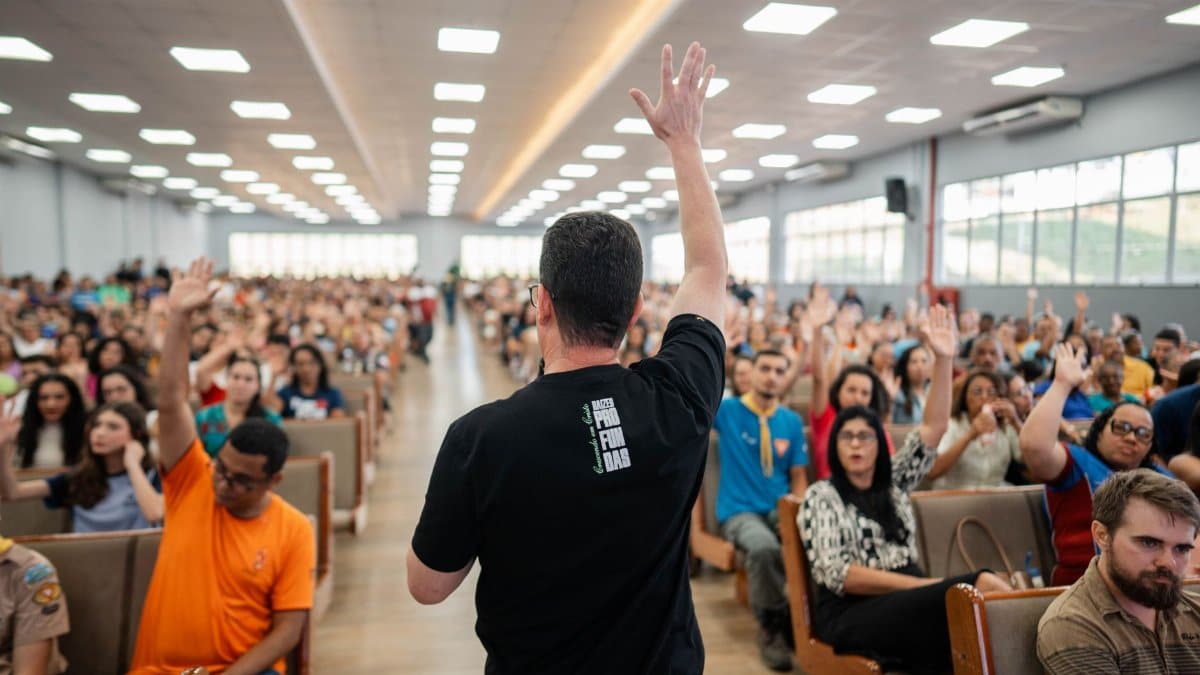
Submitted queries from attendees revealed deep concerns about rising insurance premiums and limited affordable housing options. Candidates offered contrasting approaches with some favoring expanded state level incentives while others advocated federal partnerships. This segment underscored how national debates on climate resilience intersect with everyday realities in coastal communities.
Opponent Strategies Focus on Generational Shift

Several challengers positioned themselves as representatives of younger demographics and diverse professional backgrounds. They emphasized grassroots organizing and digital outreach to reach voters less engaged by traditional campaign methods. Such tactics aimed to build momentum ahead of the upcoming primary ballot deadline.
Impact on Broader Florida Democratic Dynamics

The debate carried implications beyond the district lines as party leaders watched for signs of vulnerability in a seat held for multiple terms. Analysts suggested outcomes here could influence recruitment and resource allocation in neighboring areas where similar primary contests loom. Unity messaging followed the event though underlying divisions remained evident.
Media Coverage Shapes Public Perception

Local outlets provided live streams and post event analysis that reached viewers across South Florida. Commentary focused on rhetorical effectiveness and factual accuracy rather than dramatic moments alone. This measured approach helped frame the Wasserman Schultz Primary Debate Broward as a substantive policy discussion within a competitive race.
Historical Context of Representation in the Area

Broward County has seen evolving representation patterns tied to population growth and redistricting cycles. Past elections featured contests that highlighted immigration policy and economic development as recurring themes. Current candidates drew on that legacy while adapting messages to address contemporary challenges such as supply chain disruptions and workforce training gaps.
Looking Ahead to Election Outcomes

With early voting approaching the debate served as a key benchmark for campaign momentum. Volunteers reported increased contact requests in the days following the forum indicating heightened voter curiosity. Final results will reveal whether established name recognition prevails or if calls for change resonate more strongly among participants in the Wasserman Schultz Primary Debate Broward.