

In recent weeks a political spot targeting Michigan candidate Abdul El Sayed has ignited debate across the state by suggesting he has shown little regard for women in his public life. The Michigan Senate Race Ad Controversy has placed fresh attention on how campaigns craft messages around personal character during tight contests. Observers note that the ad draws from selective clips and omits broader context about the candidate record on health care access and family policy. Many viewers found the presentation jarring because it arrives at a moment when voters already feel saturated by attack messaging from both parties. The piece continues to circulate online and on local broadcast outlets even as fact check organizations begin to examine its central assertions.
Background on the Senate Contest

The race for the open Senate seat in Michigan features several contenders seeking to shape the direction of federal policy on manufacturing jobs and Great Lakes protection. El Sayed a physician by training has emphasized preventive care and equity in medical services throughout his campaign stops. His opponents have sought to portray him as out of step with traditional values in parts of the state that value steady employment over rapid social change.
Claims Made in the Advertisement

The spot opens with images of public forums where El Sayed appears alongside female colleagues and then overlays text questioning his tone during those exchanges. Viewers are left to infer disrespect from brief pauses or hand gestures taken out of sequence. Campaign officials behind the ad argue these moments reveal a pattern yet provide little additional documentation to support that interpretation.
Reactions from Women in Public Life
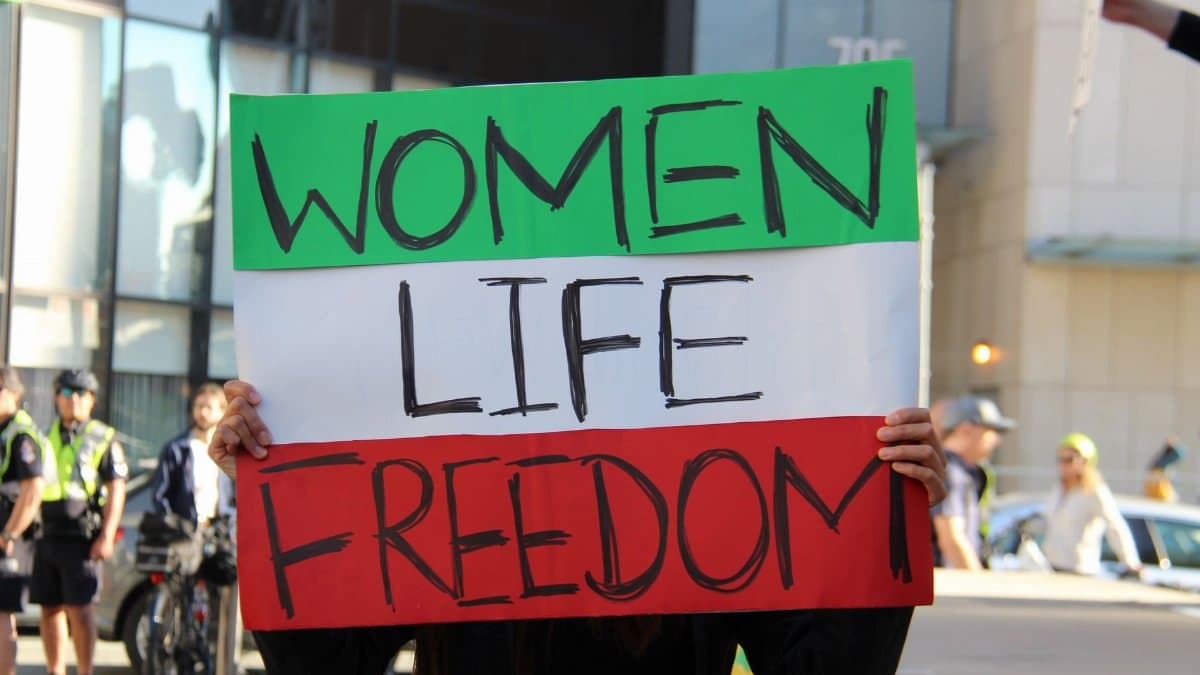
Several female elected officials who have worked with El Sayed on joint legislation described the ad as misleading and dismissive of their own professional experiences. They pointed to joint press events where policy details rather than personal conduct dominated the discussion. One state representative noted that the candidate has consistently supported measures expanding paid leave for caregivers regardless of gender.
Media Coverage and Online Spread

Local television stations aired the advertisement during evening news blocks reaching households across the lower peninsula. Social media accounts amplified short excerpts which quickly generated comment threads both supportive and critical. Newsrooms assigned reporters to trace the original footage and compare it against the edited version shown to voters.
Fact Checking Efforts Underway

Independent reviewers have begun collecting transcripts and video archives to assess whether the ad accurately represents statements made by El Sayed over the past three years. Early indications suggest some quotations were shortened in ways that alter their intended meaning. Links to these ongoing reviews appear on the websites of established news organizations covering the Michigan Senate Race Ad Controversy.
Broader Patterns in Campaign Messaging

Political consultants note that attacks focused on personal demeanor have grown more common in recent cycles as voter attention spans shorten. Teams craft short segments designed to trigger emotional responses before viewers reach for the remote. This approach raises questions about how much context can reasonably fit into a thirty second slot.
Impact on Voter Perceptions

Early polling conducted after the ad began running shows modest movement among undecided women in suburban counties. Some respondents said the spot prompted them to seek more information about the candidate background while others dismissed it as typical election season noise. The Michigan Senate Race Ad Controversy appears to have sharpened interest in primary source material rather than settled opinions outright.
Responses from the El Sayed Campaign

Spokespeople for the candidate released statements urging voters to watch full recordings of the events featured in the ad. They also highlighted endorsements from women who serve on hospital boards and community organizations where El Sayed has volunteered. The campaign continues to release policy papers on maternal health that it says demonstrate sustained attention to issues affecting women.
Legal and Ethical Considerations

Election law experts observe that political advertisements enjoy wide latitude under current standards for protected speech. Still advocacy groups continue to press broadcasters to add disclaimers when content appears heavily edited. The Michigan Senate Race Ad Controversy may prompt renewed discussion about voluntary guidelines that stations could adopt ahead of future contests.
Looking Ahead to Election Day

As ballots are prepared and early voting sites open the advertisement remains one element among many shaping the final weeks of the campaign. Candidates on all sides continue to refine their closing arguments around economic security and public health. Observers expect additional spots from multiple campaigns before voters render their decision at the polls.