
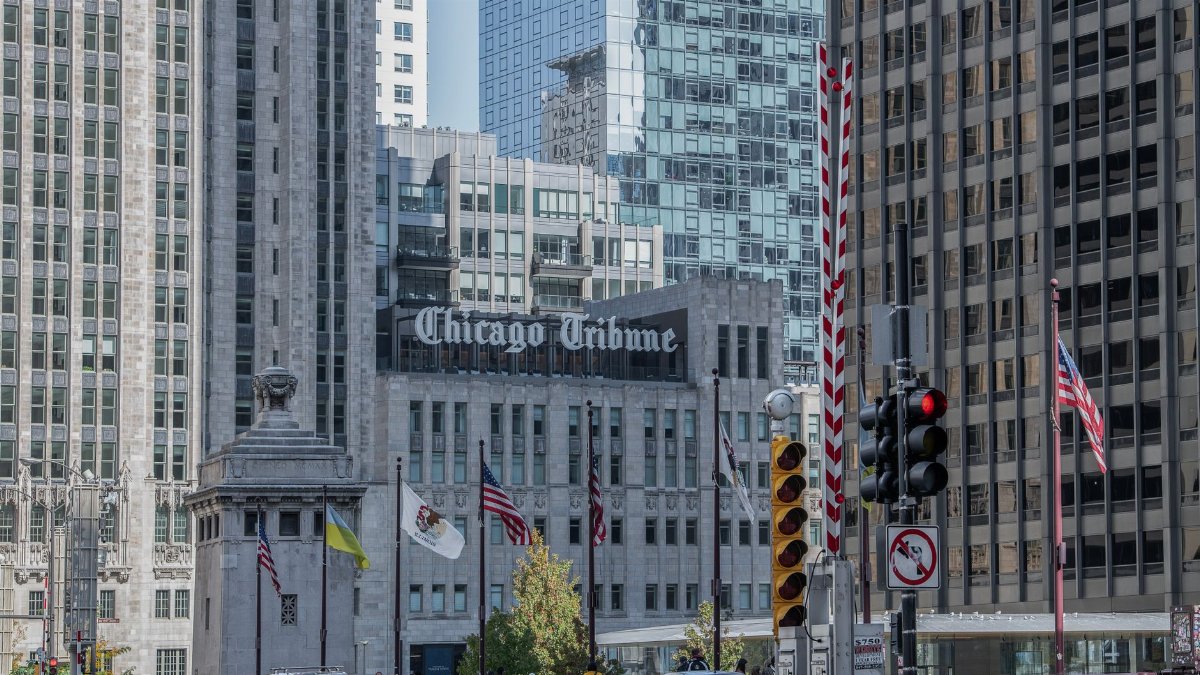
In the charged atmosphere of a Chicago rehearsal hall actors and directors pore over scripts that bring to life the fierce debates and quiet reflections of a groundbreaking political figure. The production unfolds against backdrops of city hall chambers and neighborhood rallies capturing the spirit of a time when leadership meant confronting deep divisions. This approach allows theatergoers to experience history through personal stories rather than distant headlines. The Harold Washington Play emerges as a timely reminder of how one mans vision reshaped urban governance and inspired future generations of public servants.
Roots of a Theatrical Vision

The Lookingglass Theatre has long specialized in works that blend local lore with broader social themes. For this project the company drew from extensive archival materials including speeches and personal letters to construct a narrative that feels both intimate and epic. Writers spent months sifting through records to ensure accuracy while allowing dramatic license where it served the emotional core of the story.
Chicago Political Landscape in Focus
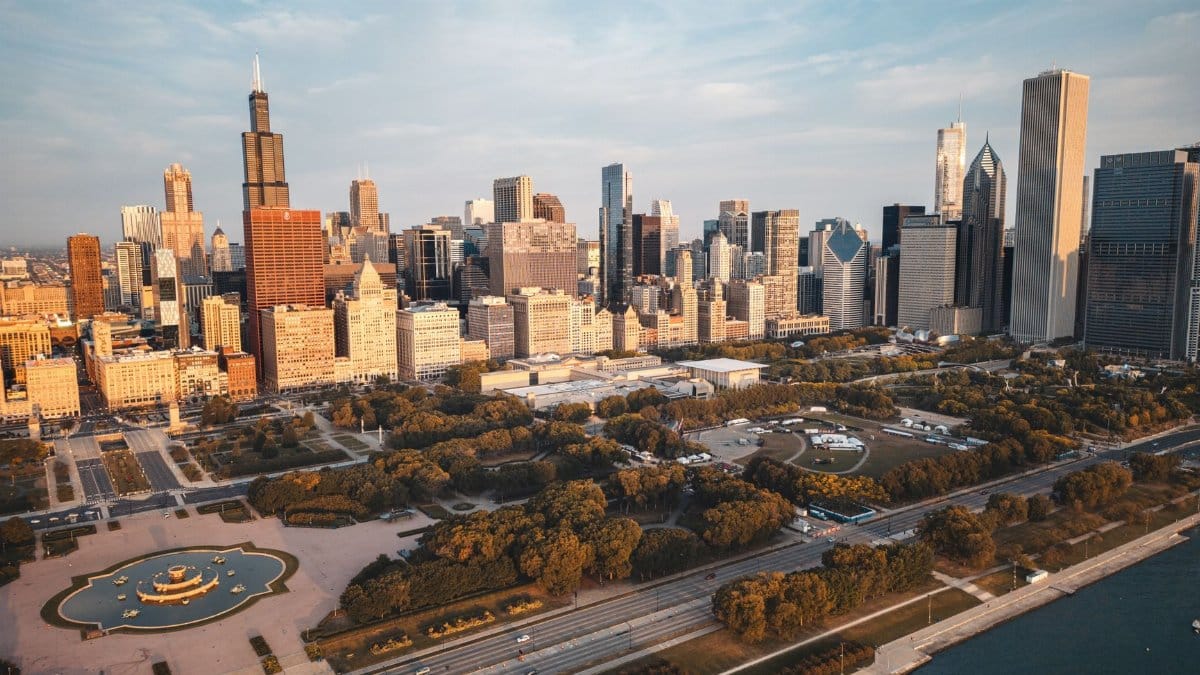
During the middle 1980s the city faced economic pressures and racial tensions that tested its resilience. The production highlights how these forces shaped daily decisions in city government and how community voices pushed for change. Scenes depict council meetings filled with passionate exchanges that mirror real events from that period.
Character Portrayals and Casting Choices
Lead actors underwent rigorous preparation including interviews with former aides and residents who lived through the era. Their performances aim to convey not just public personas but private doubts and convictions. Supporting roles feature a mix of seasoned stage veterans and emerging talents from Chicago theater circles.
Staging Techniques That Evoke an Era

Designers recreated the look of period offices and street scenes using minimal props to keep attention on the dialogue. Lighting shifts signal transitions between public addresses and behind the scenes negotiations. Sound elements incorporate radio broadcasts and crowd murmurs to immerse viewers in the moment.
Impact on Local Audiences
Early previews suggest the show resonates strongly with longtime residents who recall the events firsthand. Younger viewers report gaining fresh perspectives on civic engagement and the challenges of leadership. Post show discussions have already sparked conversations about current city issues.
Connections to Broader Historical Narratives
The Harold Washington Play fits into a wider trend of biographical theater that examines American mayors and their influence. Comparisons arise naturally with productions about figures from other major cities yet this work stays rooted in Chicago specific details. It avoids sweeping generalizations in favor of precise moments that defined one administration.
Challenges in Adapting Real Events

Balancing factual fidelity with dramatic tension required careful negotiation among the creative team. Certain sensitive episodes demanded sensitivity to avoid sensationalism while still honoring the complexity of political life. The result is a script that invites reflection rather than simple judgment.
Future of Historical Theater in the City
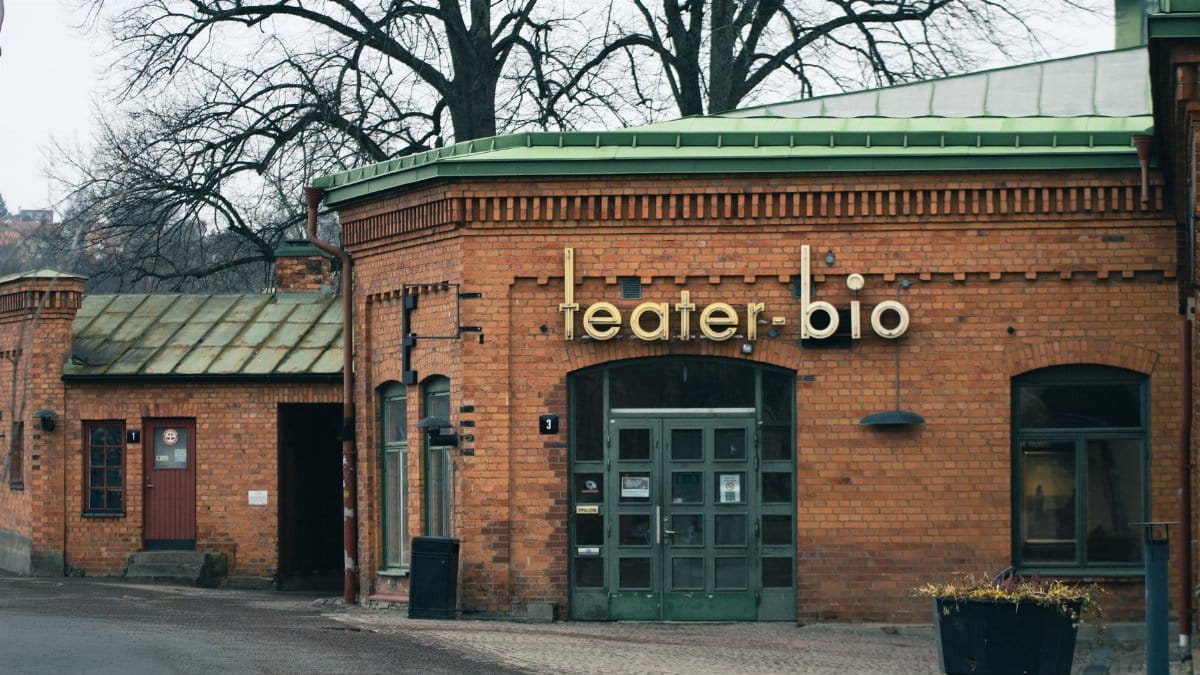
With this production the Lookingglass Theatre sets a standard for future explorations of municipal history. Other companies may follow suit by mining similar archives for stories that deserve wider attention. The Harold Washington Play demonstrates how stage works can complement books and documentaries in preserving collective memory.
Reflections on Leadership Lessons
Audiences leave the theater considering themes of compromise and conviction that remain relevant today. The play does not offer easy answers but presents a portrait of a leader navigating impossible choices. Such portrayals encourage viewers to apply those insights to contemporary debates.