
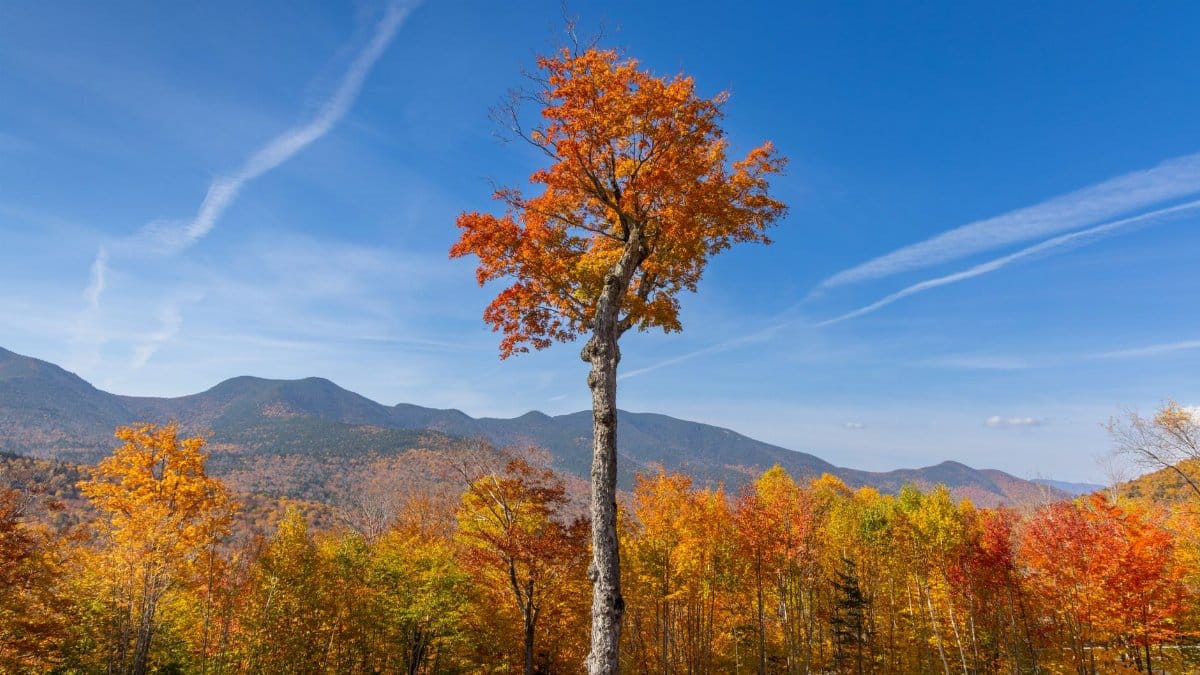
As autumn draws near, the hills and valleys of the region prepare for their annual shift into brilliant shades of red, orange and gold. After two years marked by less impressive displays, weather patterns now point toward richer tones spreading across the landscape. This development has sparked fresh interest among those who plan trips specifically to witness the transformation. New England fall foliage has long held a special place in seasonal traditions, offering a reliable source of natural beauty that many look forward to each year.
Weather Patterns Behind the Outlook
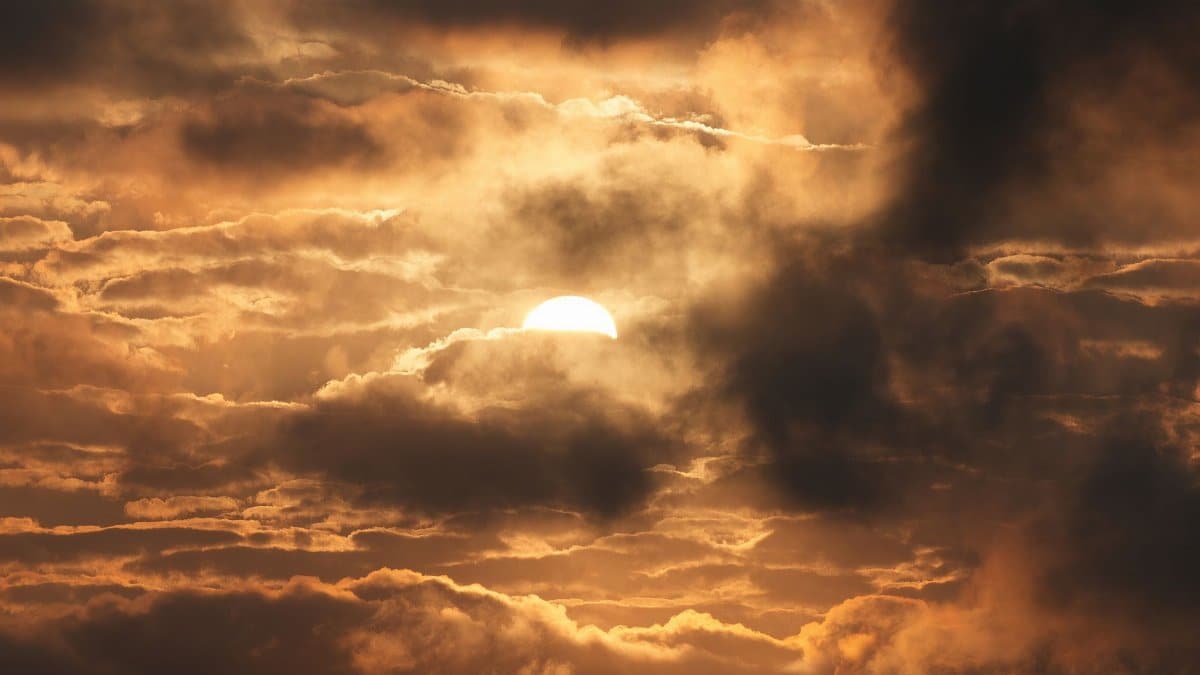
Forecasters have tracked cooler nights combined with adequate moisture levels throughout late summer. These conditions support stronger pigment production in the leaves. Maple and oak trees stand to benefit most, producing deeper hues than in recent seasons. Observers note that early signs already appear in higher elevations where nights have cooled faster.
Regional Variations in Color Intensity

Northern areas including parts of Vermont and New Hampshire typically lead the progression each year. This season the pattern should extend more fully southward. Areas around Boston may see improved vibrancy by middle October. Travelers often follow the wave as it moves from mountains toward coastal zones.
Impact on Local Communities

Towns that rely on seasonal visitors expect increased activity at inns, restaurants and roadside stands. Past muted seasons reduced foot traffic, yet this forecast has already lifted booking numbers. Local businesses prepare extra staff and supplies to handle larger groups drawn by the promise of stronger colors.
Historical Context for Autumn Displays
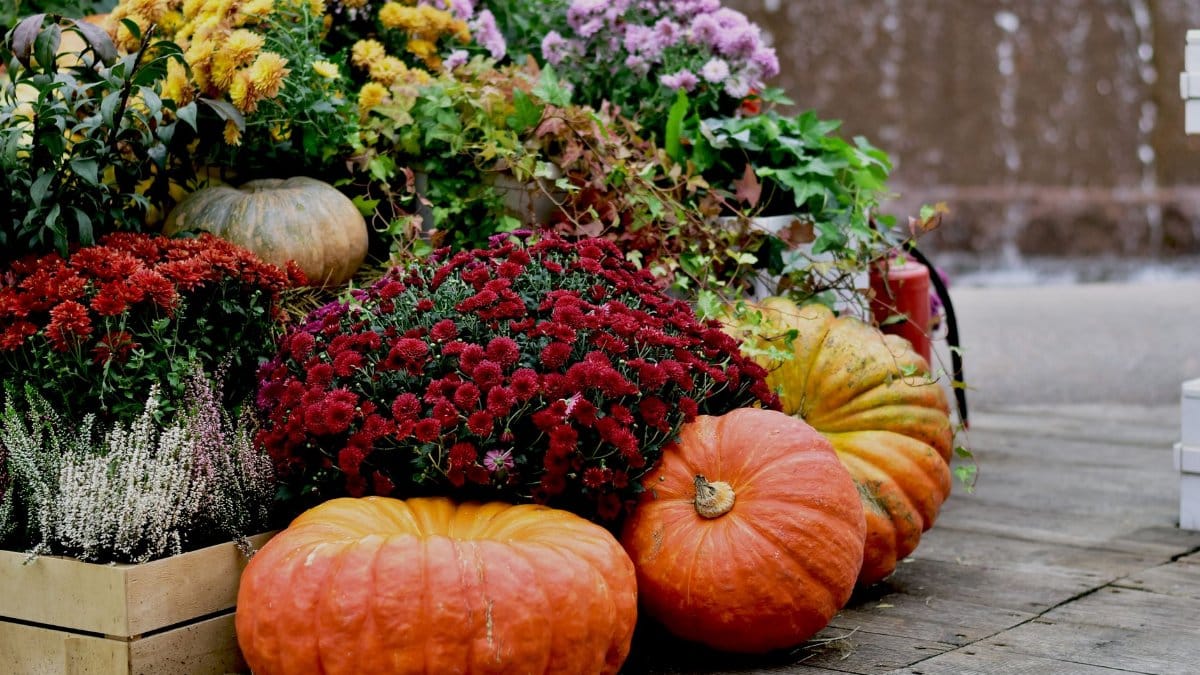
Records show that foliage quality has varied with climate shifts over decades. Stronger seasons often follow summers without extreme heat or drought. This year aligns with those favorable patterns, suggesting a return to more memorable shows that older residents recall from earlier times.
Spiritual Dimensions of Seasonal Change
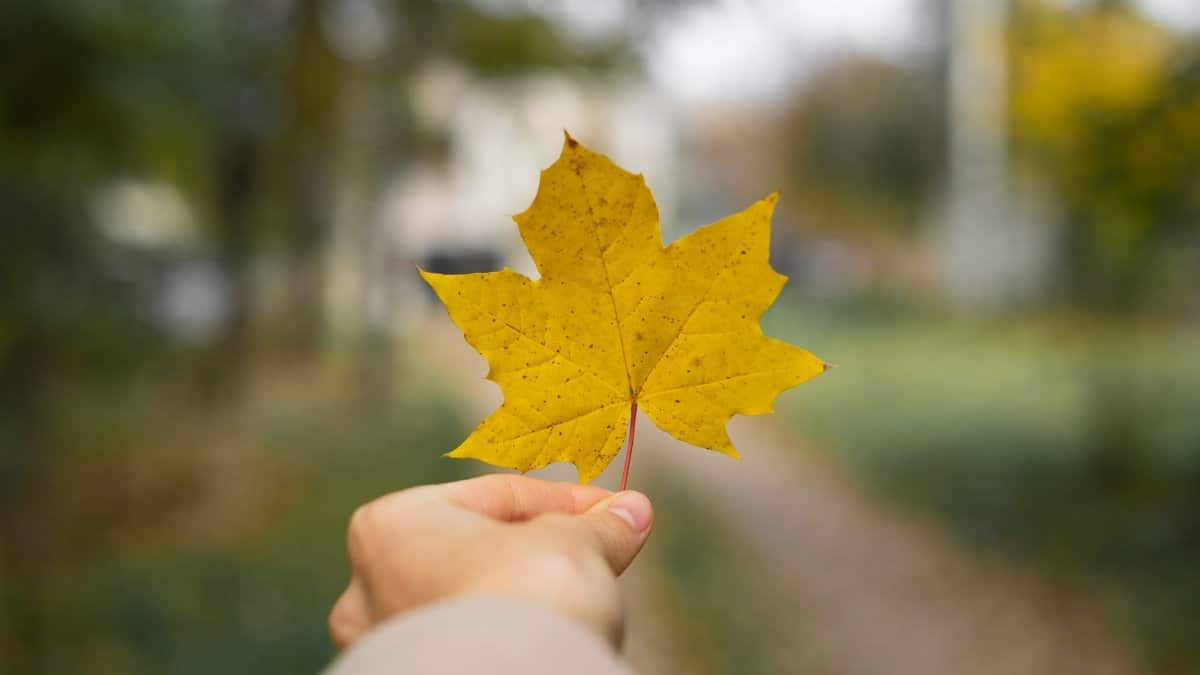
Many find quiet reflection in the turning leaves, viewing the cycle as a reminder of renewal and passage. Nature walks during peak color offer moments of calm away from daily routines. The visual richness can inspire gratitude and a deeper connection to the natural world.
Practical Tips for Observers

Early morning or late afternoon light enhances the colors for photographs and viewing. Popular routes see heavy traffic on weekends, so midweek travel helps avoid crowds. Checking local reports allows visitors to time arrivals with peak periods in each area.
Future Seasons and Climate Influences

Longer term trends suggest continued variability, yet this year offers a positive example of favorable conditions. Continued monitoring of temperature and rainfall will help refine predictions. Communities continue to adapt while preserving the traditions tied to the foliage season.