
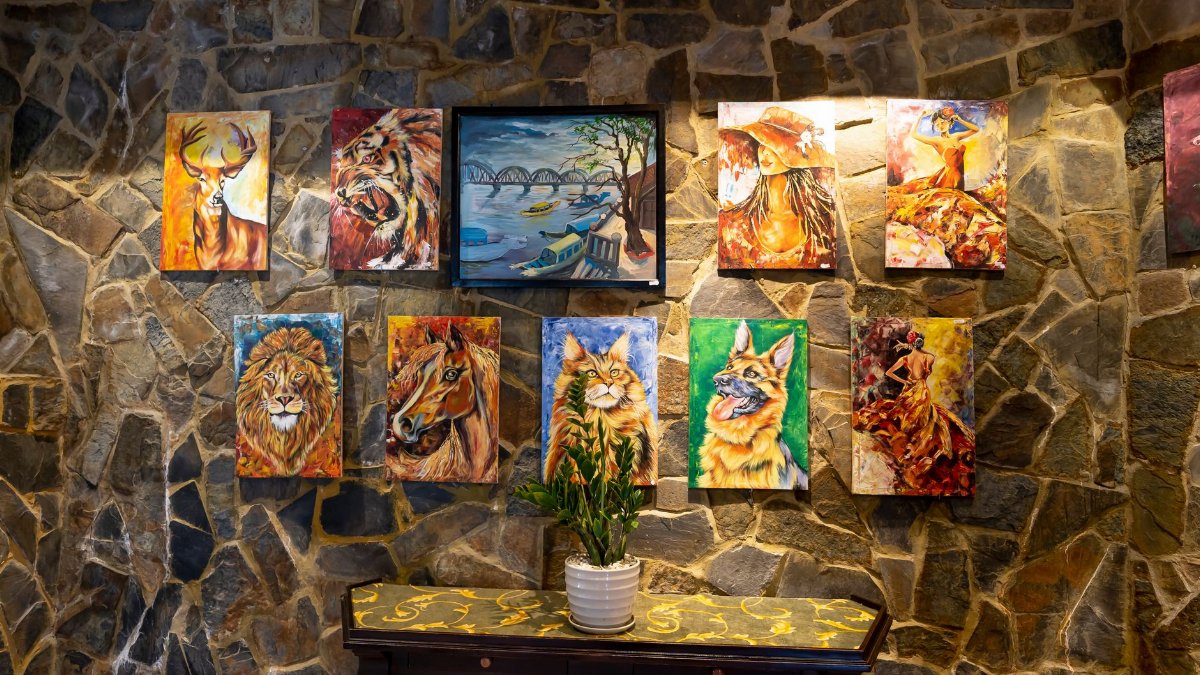
In the bustling galleries of a Dallas museum visitors recently gathered to view an unexpected artistic offering from a former president whose time in office remains etched in public consciousness. The exhibition features a series of canvases created by George W Bush that draw directly from the chaos and aftermath of the September eleven attacks. These Bush 9/11 paintings stand out for their quiet intensity and unexpected vulnerability as they capture moments of confusion resolve and quiet endurance. The show arrives precisely at the twenty five year mark and invites viewers to consider how personal expression can intersect with collective trauma without resorting to spectacle or overt narrative.
The Dallas Exhibition Setting
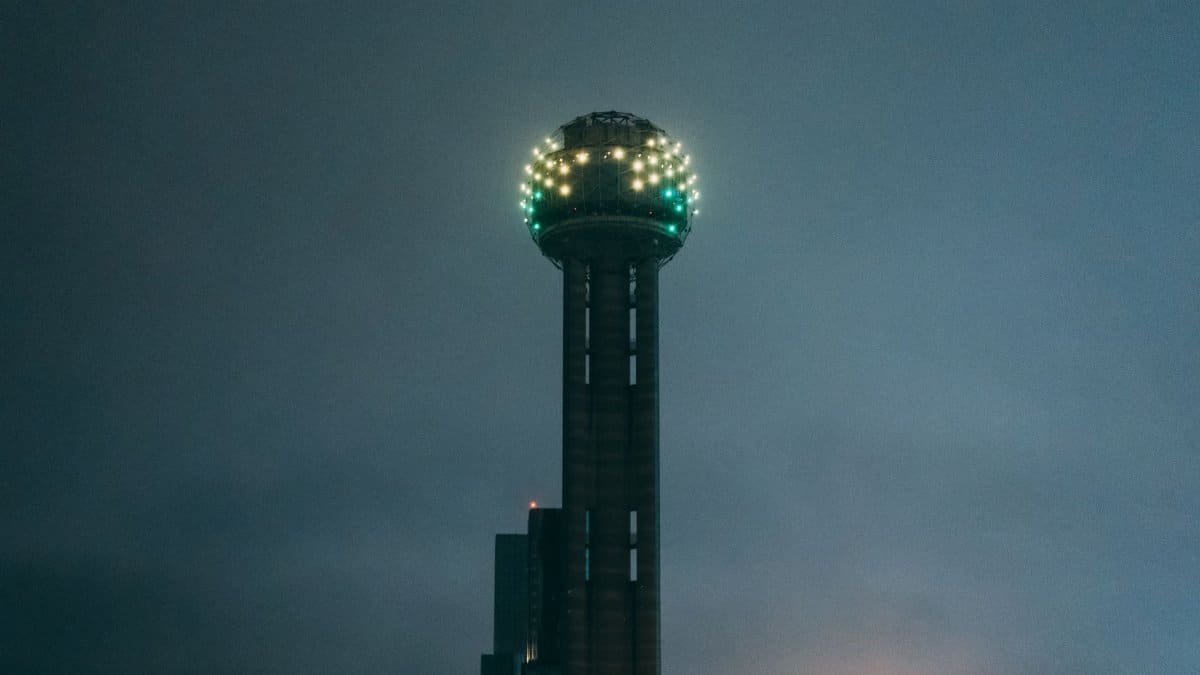
The venue itself occupies a renovated industrial space in the downtown district where natural light filters through high windows onto muted tones of gray and ochre. Curators arranged the works in a chronological sequence that mirrors the progression of events on that morning. Each room guides guests through initial sketches of smoke filled skies toward later pieces focused on rescue efforts and community gatherings. Attendance has exceeded expectations with many middle aged professionals stopping by during lunch breaks or after work to spend time with the images.
Origins of the Creative Process

Bush began experimenting with painting several years after leaving the White House as a way to process memories that words alone could not contain. He worked in a modest studio setup using photographs and news clippings as reference points yet he allowed imagination to fill gaps where official records fell short. The resulting Bush 9/11 paintings avoid graphic detail in favor of atmospheric suggestion leaving space for individual interpretation.
Artistic Techniques Employed
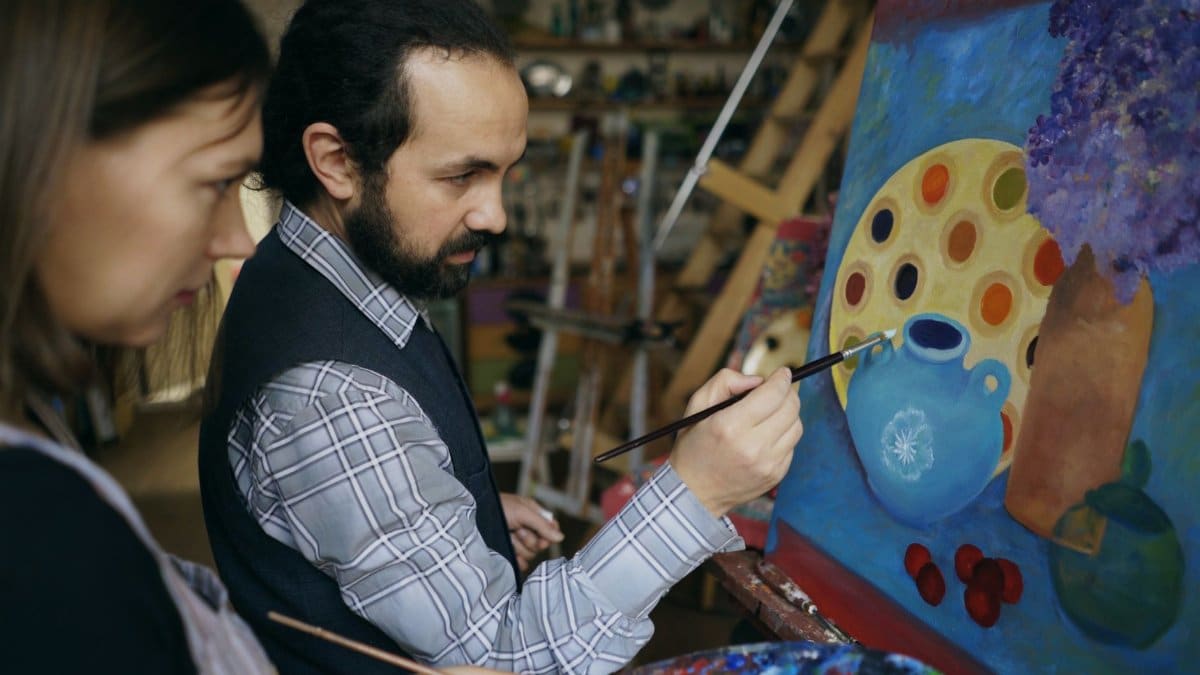
Layers of translucent oil create depth while restrained brushwork keeps the focus on form rather than flourish. Bush favored a limited palette that evokes the overcast conditions of the day and the somber mood that followed. Subtle shifts in texture distinguish foreground figures from distant structures giving the scenes a sense of lived distance rather than immediate reportage.
Public Response and Discussion
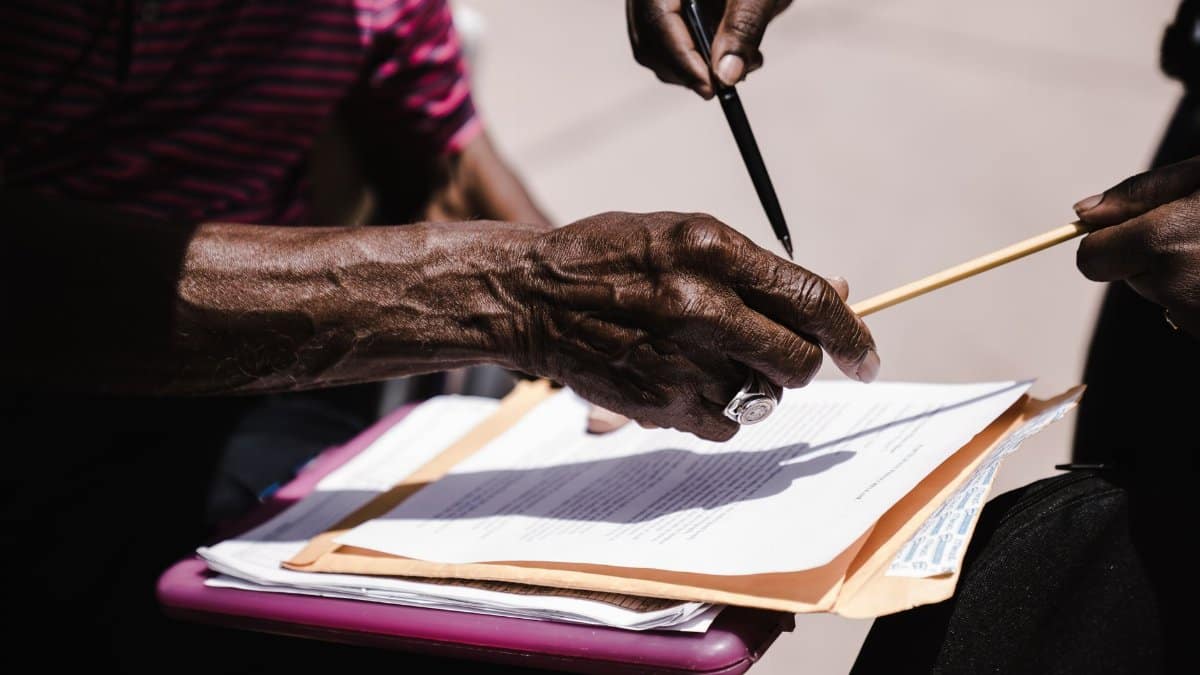
Early visitors describe the works as understated yet moving with some noting how the absence of faces in certain compositions heightens the universal quality of the scenes. Others appreciate the restraint that prevents sensationalism. Local discussion groups have formed around the exhibition prompting conversations about leadership during crisis and the passage of time since the attacks.
Place Within Broader Cultural Memory
These pieces join a wider body of artistic responses that have emerged over the decades yet they carry the distinctive weight of originating from someone who held national responsibility at the time. The Bush 9/11 paintings therefore occupy a unique position between private reflection and public record encouraging viewers to weigh how official decisions intersect with personal reckoning.
Challenges of Representing Collective Loss

Depicting events of such scale through paint presents inherent difficulties because no single image can encompass the full range of experiences. Bush addressed this by concentrating on isolated moments such as a lone figure scanning the horizon or a group standing in shared silence. This approach sidesteps the risk of reducing tragedy to mere spectacle and instead fosters contemplation.
Future Display Plans and Legacy

Museum officials have indicated the exhibition will travel to additional cities after its Dallas run concludes allowing wider access. Scholars of contemporary American art have begun to examine how these works fit into the evolving narrative of presidential legacies. The Bush 9/11 paintings may ultimately serve as one more lens through which later generations understand both the events of September eleven and the impulse toward creative expression in their wake.