
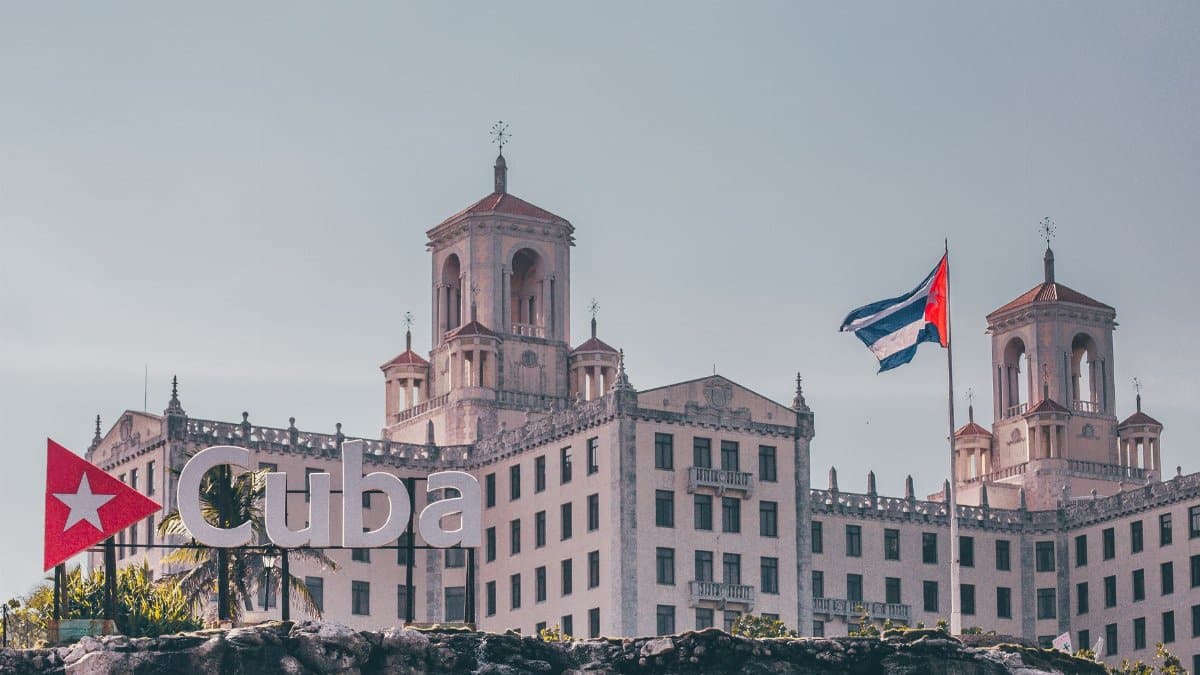
In recent years the Caribbean nation has navigated persistent economic pressures that have prompted incremental openings for entrepreneurs. A fresh decree now extends ownership rights to Cubans who reside overseas, marking another layer in the gradual expansion of Cuba private businesses. Observers note that the policy arrives at a moment when remittances and foreign ties could inject fresh capital into an economy long shaped by state dominance. The change builds on earlier measures from 2021 yet broadens eligibility beyond residents alone. Families split by migration may now channel resources directly into local ventures, a development that carries both promise and questions about oversight. Early reactions from economists and community leaders suggest the step could reshape how capital flows across borders while testing the limits of regulatory capacity on the ground.
Details Behind the Ownership Expansion

The decree spells out eligibility for citizens living abroad who wish to register and operate companies inside Cuba. Officials have indicated that applicants must meet standard licensing requirements already applied to island residents. This framework aims to maintain parity between domestic and external owners while preventing unchecked foreign influence. Legal analysts point out that the rules still bar certain strategic sectors from private hands, preserving state control over energy and major infrastructure.
Historical Context of Private Sector Growth

Cuba has experimented with limited private activity since the 1990s yet kept tight reins until the past decade. The 2021 reforms created thousands of small enterprises that now supply goods and services once provided solely by the government. Current data show these operations employ a rising share of the workforce and contribute noticeably to tax revenue. The newest measure extends that trajectory by inviting capital from the diaspora, a population estimated in the millions.
Potential Effects on Local Employment

New ownership from abroad could translate into additional hiring as returning capital funds expansion plans. Existing operators may gain partners who bring market knowledge acquired overseas. At the same time, local workers will need training to meet standards set by owners accustomed to different business cultures. Government statements emphasize that labor protections remain in place regardless of ownership source.
Challenges in Regulatory Oversight

Authorities face the task of monitoring compliance across greater distances. Banking channels must adapt to handle investments from multiple countries without running afoul of international sanctions. Some analysts worry that uneven enforcement could allow informal practices to persist. Training programs for inspectors have already been discussed in official circles.
Reactions from the Cuban Diaspora
Community organizations in Florida and Spain have offered cautious support, viewing the decree as recognition of long standing ties. Others express skepticism about whether property rights will be fully respected in practice. Town hall meetings held in Miami drew hundreds of attendees eager to explore investment options. Personal stories shared at these gatherings often highlight relatives on the island who could benefit from joint ventures.
Comparisons with Other Caribbean Economies

Neighboring countries have long permitted diaspora investment in tourism and agriculture. Jamaica and the Dominican Republic offer models where returning nationals operate hotels and farms under clear tax regimes. Cuba may draw lessons from those experiences while adapting them to its unique political setting. Trade data from the region indicate that such inflows can stabilize foreign exchange reserves during downturns.
Future Outlook for Broader Reforms

The policy may serve as a test case for further liberalization measures. Lawmakers have signaled openness to adjusting tax rates and import rules if the initial wave of registrations proves successful. International observers will track registration numbers closely over the coming year. Success could encourage additional steps toward a mixed economy while setbacks might reinforce existing caution.