
On a quiet stretch of Islamorada, a cottage can look like any other pause between the highway and the water. Palms shift. A porch holds the afternoon light. Then a passerby slows, not for the view alone, but because the place is already known from a screen. The report that this Mile Marker 87 property has gone under contract has given the Bloodline house Keys sale a life beyond fan forums and local gossip, turning a private listing into a small public event.
A porch the camera already knew
The cottage entered a wider imagination as the home of Kevin and Belle Rayburn in the Netflix series Bloodline. For three seasons the show treated the Upper Keys as more than scenery. Family loyalty curdled. Old injuries resurfaced at dinners, on docks, and in rooms that felt ordinary until they did not. Viewers who never set foot in Monroe County could still describe the mood of that house: sunlit, slightly worn, and never entirely at rest.
That is the strange gift and burden of a filmed address. The lumber and the lot remain real. The story laid over them does not leave when the crew does. A buyer walking the property now is also walking through a memory that belongs to millions of other people, even if those people only rented the memory for an evening.
What the listing put on the table
According to reporting in the Miami Herald, the cottage was listed at 2.25 million dollars before it went under contract. The figure is precise enough to anchor a conversation and incomplete enough to invite speculation. A list price is an opening statement, not a verdict. It says what a seller hoped the market would bear. It does not say what a buyer finally offered, what a lender will accept, or which repairs a inspection may still demand.
In a place where water, wind, and insurance shape every serious offer, that gap matters. The Bloodline house Keys sale sits inside a larger Keys arithmetic that locals already know by heart: scarcity of land, the cost of building to modern standards, and the premium attached to a view that cannot be manufactured inland. Fame is only one line in that sum.
Under contract is not the same as sold
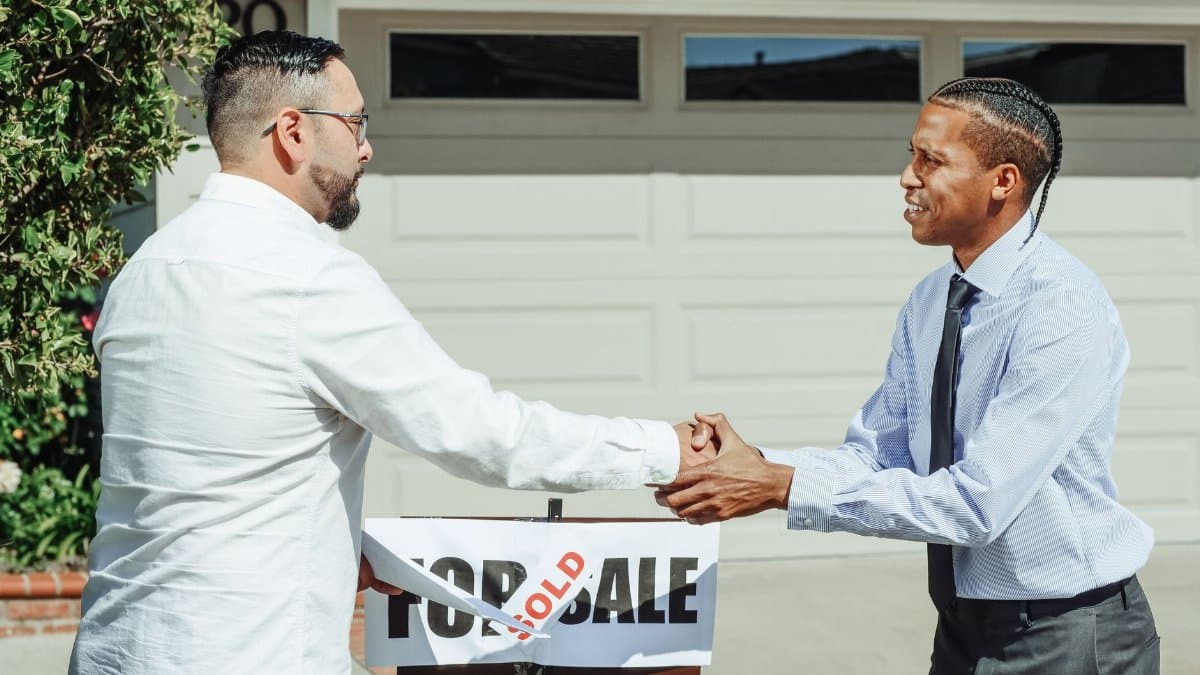
The phrase sounds final to people who do not buy houses for a living. It is not. Under contract means the parties have an agreement and a path toward closing. Contingencies can still unwind the deal. Financing can stall. A title question can surface. A storm calendar can change a buyer’s nerve. Until a deed records, the cottage remains a story in motion.
Journalists learn to treat this stage with care. Neighbors want a name. Fans want confirmation that the porch will stay recognizable. Neither wish creates a public right to the file. The humane reading is simpler. Someone with the means and the appetite has decided the house is worth pursuing, and the seller has decided that pursuit is serious enough to pause other offers.
Why this fiction stuck to this coast
Bloodline premiered in 2015 and ran through 2017, with Kyle Chandler, Ben Mendelsohn, Linda Cardellini, and Sissy Spacek among the faces that carried the Rayburn clan. The series was praised and argued over in equal measure. Some viewers found the pace glacial. Others recognized the humidity of a family that cannot stop rehearsing its own legend. What almost no one disputed was the sense of place. The Keys were not a postcard dropped behind the actors. They were a pressure system.
Kevin and Belle’s cottage worked because it felt habitable. It was not a villain’s lair or a glass palace. It was the sort of house a person might actually keep: close to the water, modest in the way expensive modesty often is, and full of the ordinary objects that make a drama feel overheard rather than staged. That realism is why the address still pulls people years after the final episode.
Fame as a kind of weather
I have stood outside other houses that television made briefly holy, and the feeling is always slightly embarrassing. You are looking at someone’s roof as if it owed you a revelation. The Bloodline house Keys sale concentrates that awkwardness. A production can lease a location, dress it, and leave. The owner who comes later inherits the glances, the slowed cars, and the photos taken from the public edge of the road.
Some buyers want that aura. They like the dinner story. They like saying the room where a scene unfolded is now the room where they read the paper. Others want the opposite: the bones of the house without the pilgrimage. A contract does not reveal which kind of buyer this is. It only reveals that the aura had a price someone was willing to approach.
Islamorada between myth and weekday
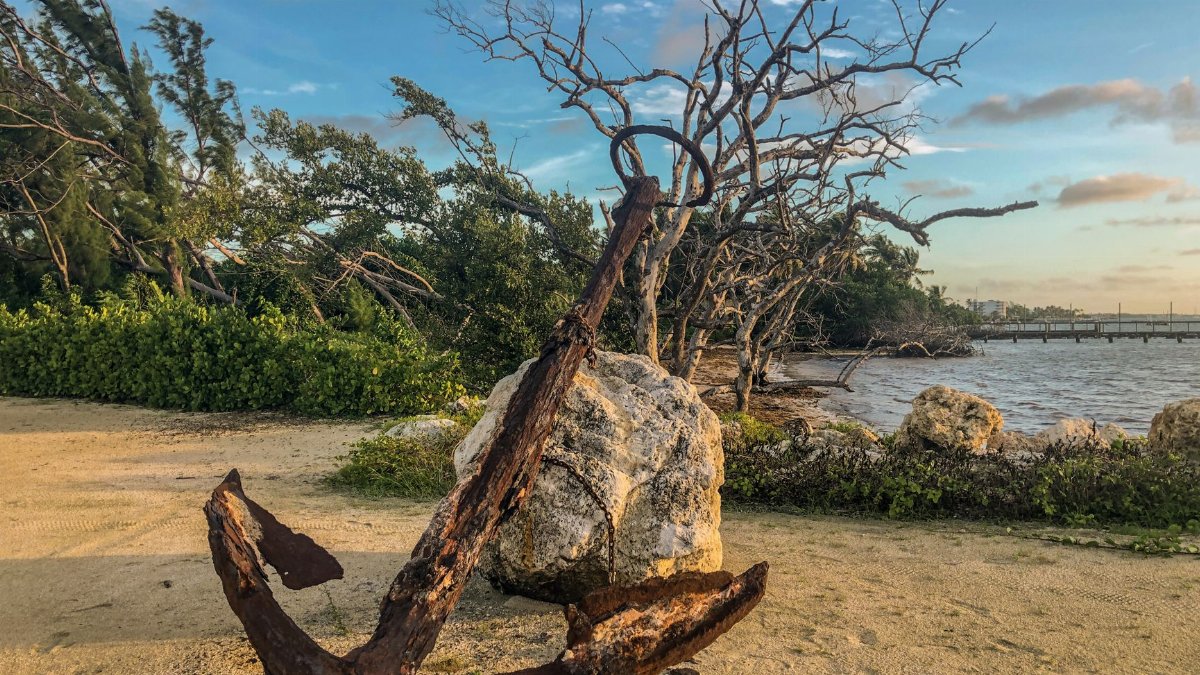
Islamorada sells a particular promise. Sportfishing, coral light, a highway that is also a main street, and a pace that visitors mistake for ease. Residents know the other ledger. Workers commute long distances. Storm season rewrites plans. A cottage that looks simple in a still photograph may carry a history of retrofits, elevation questions, and insurance conversations that never make the listing photos.
The show understood some of that double life. Its characters moved through bars, marinas, and family businesses that depend on visitors and resent being reduced to them. The cottage, used as Kevin and Belle Rayburn’s home, sat inside that tension. It was domestic, and it was also a set piece in a tourist economy that turns private corners into attractions whether the owners consent or not.
What fans think they are buying

There is a pilgrim impulse in popular culture now, and it is not only religious. People travel to see the diner, the alley, the cabin. They want the physical proof that a story happened somewhere, even when they know the story was invented. The Bloodline house Keys sale feeds that impulse without quite satisfying it. A buyer can purchase the cottage. No one can purchase the series, the performances, or the version of the Keys that editors assembled from many locations and many days of weather.
That distinction is worth keeping. Treating the house as a relic flattens the labor of cast and crew, and it flattens the neighbors who lived beside a production and then lived beside the aftermath. A respectful visitor looks, does not trespass, and remembers that a famous exterior is still a home.
The market listening in
Real estate people will read this contract for signals that have little to do with television. Did the asking price hold? How long did the listing sit? Were there price changes before the agreement? Those details, if they emerge at closing or in later public records, will matter more to comparable sales than any episode guide. A celebrity address can shorten the time a listing needs to find attention. It cannot suspend the questions a careful buyer asks about structure, flood exposure, and the cost of keeping a coastal house honest.
For the wider Keys market, one cottage does not set a trend. It can still illustrate a mood. Desirable waterfront living, even in a modest footprint, remains scarce. Outsiders with cash continue to test what local wages cannot. When a property already carries a national nickname, the test gets louder. The Bloodline house Keys sale is a single transaction inside that longer pressure.
Memory, ownership, and the right to be ordinary

There is a spiritual hunger, if that word can be used without costume, in the wish to stand where a story felt true. People want ground that remembers. The trouble is that ground remembers storms, owners, and ordinary Tuesdays more faithfully than it remembers a script. The cottage will not preserve the Rayburn arguments. It will preserve whatever the next household brings into it: meals, arguments of a different temperature, silence after guests leave.
That is the decent ending available to a famous house. It returns to use. The camera does not get a vote. If the new owners keep the porch and the sightlines, fans driving Mile Marker 87 may still feel a jolt of recognition. If they change the face of the place, the jolt fades, and the series remains what it always was: a work of fiction that borrowed a real coast and gave it back altered in the mind.
What the public still does not know

A contract hides as much as it reveals. The buyer’s name may stay quiet. The final number may differ from 2.25 million. Closing may slip. None of that uncertainty reduces the cultural fact already in motion. A location people associated with Kevin and Belle Rayburn is changing hands, or is at least far enough along that a newspaper could say so.
Until the deed is done, the fairest sentence is the cautious one. The cottage is under contract. The legend is not included in the fixtures. Anyone tempted to treat the sale as the last chapter of the show is watching the wrong story. The show ended years ago. The house, like the Keys around it, keeps having weekdays.
A landmark that was never only a landmark

Local landmarks earn their status in uneven ways. Some are named, protected, and interpreted. Others become landmarks because a camera lingered and a large audience decided the linger mattered. The Islamorada cottage belongs to the second group. Its claim is not architectural manifesto. Its claim is recognition. You know it, or you do not, and if you know it you know it from a family that never lived there.
That irony should temper the coverage, including this kind of coverage. The Bloodline house Keys sale deserves a clear record: where the cottage sits, what it was listed for, which characters the production placed inside it, and what under contract does and does not mean. It does not deserve a myth that swallows the neighbors, the seller, or the buyer. Television already did the myth. The closing, if it comes, will be paperwork, keys, and the private decision to turn a familiar image back into a residence.
After the agreement, the ordinary work
Should the deal hold, the interesting part will be quiet. Inspections. Insurance. The slow transfer of responsibility for a building that has carried more narrative weight than its walls required. New owners will learn which doors stick and which sunset the listing photos flattered. They will also learn, if they did not already, how it feels when a stranger points from a passing car.
The series asked whether a family can outrun the story it tells about itself. A house cannot answer that. It can only shelter the next attempt at an ordinary life, which is a more ambitious project than any reunion special. For now the public chapter is short. A cottage in Islamorada went under contract. The rest belongs to the people who will live with the view after the rest of us have driven on.