
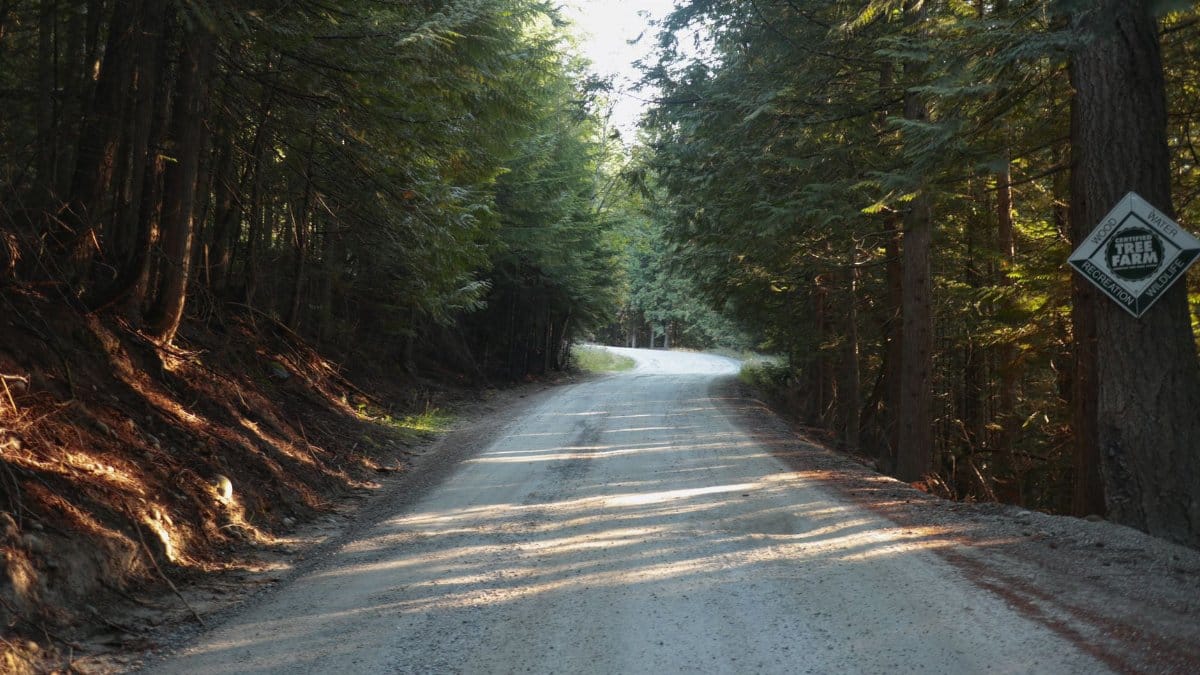
In the quiet valleys of the North Cascades a small community continues to adapt after repeated flooding events reshaped daily life and travel options. Residents and officials alike now focus on the Stehekin road update as federal agencies outline next steps for restoring vital connections. The area long relied on a single access route that wound along Lake Chelan and through rugged terrain. When waters rose and sections washed away many wondered how recovery would unfold. Recent correspondence between local leaders and park managers offers fresh details on planned work and possible timelines. This exchange highlights both the practical needs of those who call the valley home and the broader questions of balancing preservation with access in sensitive landscapes.
Community Context and Daily Realities

Life in this isolated spot revolves around limited infrastructure. Families depend on ferries boats and the remaining road segments for supplies medical care and contact with the outside world. Disruptions create ripple effects that touch everything from school schedules to business operations. Locals describe a strong sense of resilience yet also express concern over prolonged uncertainty. The latest Stehekin road update from the National Park Service aims to address some of these immediate pressures while acknowledging environmental constraints.
Details of the Recent Exchange

Chelan County leaders sent a formal request seeking clarity on repair priorities and funding sources. Park service staff responded with an outline of assessments already underway. Their reply emphasizes coordination with multiple agencies and a commitment to engineering solutions that minimize further disturbance to the surrounding wilderness. Readers interested in the full exchange can review public records posted on county websites.
Environmental Considerations at Play

Any reconstruction effort must account for the dynamic river systems and steep slopes that define the region. Engineers study erosion patterns and wildlife corridors before proposing alignments. The goal remains to protect both human access and the ecological integrity that draws visitors each year. Discussions in the Stehekin road update process include input from biologists and hydrologists.
Funding Mechanisms and Federal Involvement

Federal emergency funds have been allocated following earlier damage declarations. Additional support may come through transportation programs managed at the national level. Officials stress that allocations depend on completed environmental reviews and final design approvals. Transparency in how these resources are spent forms a key part of ongoing public communications.
Alternative Access Options Explored

While road repairs proceed some residents advocate for expanded ferry service or even aerial options during peak disruption periods. These alternatives could provide redundancy when weather or seasonal conditions limit ground travel. Planners weigh costs against reliability and environmental impact in each case.
Visitor Experience and Tourism Effects

The valley attracts those seeking solitude and natural beauty. Prolonged road limitations alter arrival patterns and the types of trips people plan. Business owners monitor the Stehekin road update closely because seasonal income supports many households. Clear information helps both tourists and operators adjust expectations.
Historical Precedents for Repairs

Past flooding events prompted similar rounds of reconstruction and debate. Lessons from those episodes inform current proposals. Records show repeated efforts to stabilize the corridor yet nature often requires adaptive approaches rather than permanent fixes.
Looking Ahead to Long Term Stability

The current response from park managers signals a measured pace focused on thorough evaluation. Community members await concrete schedules and cost estimates. Continued dialogue between local voices and federal representatives will shape how the Stehekin road update translates into visible improvements on the ground.