

The announcement was brief, and that brevity is part of the story. Dallas Police Chief Daniel Comeaux has confirmed that top spokesperson Allison Hudson is under investigation by the department public integrity unit. For a city accustomed to hearing Hudson explain arrests, pursuits, and policy shifts, the Allison Hudson investigation reverses the usual order of things. The messenger is now the subject. Residents do not yet have a public account of the conduct under review, the timeline, or whether the matter is administrative, criminal, or both. What they do have is a confirmation from the chief, and a reminder that credibility in policing often depends on the person assigned to speak.
What the chief has put on the record

Comeaux confirmation is narrow, and narrow statements deserve narrow reading. He has said that a senior communications official is under review by a unit built to examine integrity questions inside the department. He has not, in the public account available to residents, described a charge, a finding, or a suspension. That distinction matters. An investigation is a process, not a verdict. Treating confirmation as proof would flatten a safeguard that exists precisely because facts take time to test.
Still, the choice to confirm rather than deflect is itself a fact. Police departments sometimes answer personnel questions with a single word, ongoing, and leave reporters to infer the rest. Here the chief attached a name, a role, and a unit. For people who follow Dallas public safety, that is more than rumor. It is an official marker that the Allison Hudson investigation is real enough to acknowledge.
Why the spokesperson job carries unusual weight
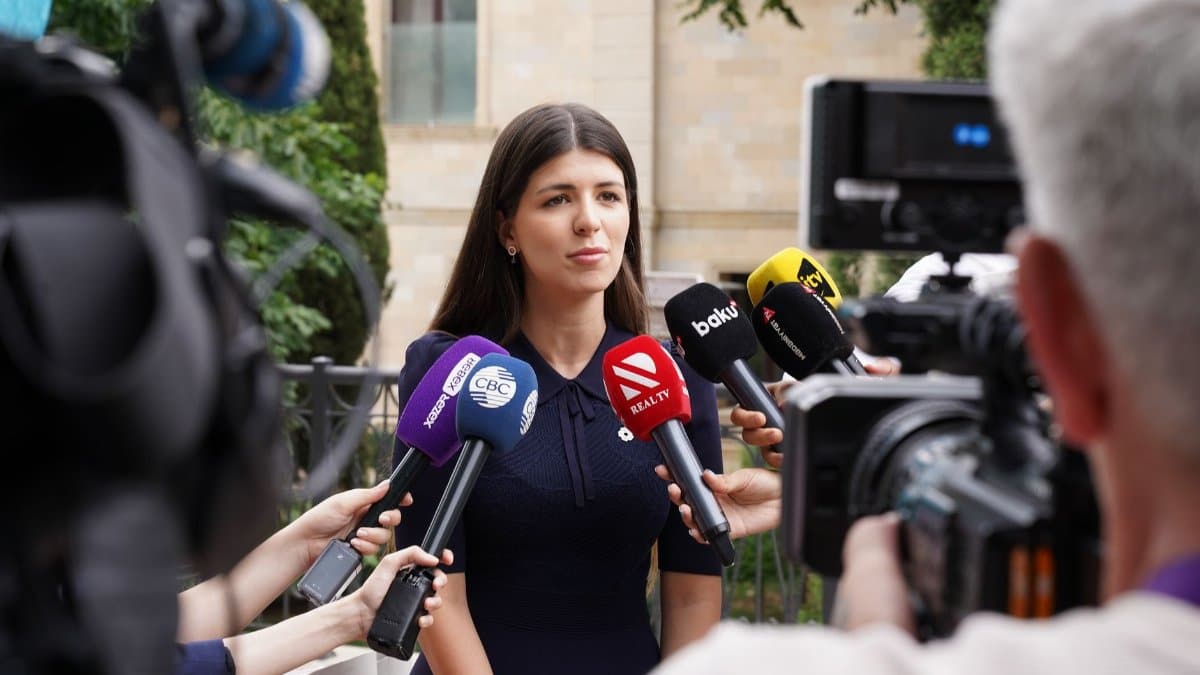
A police spokesperson does not make arrests or write use of force policy, yet the job shapes what the public believes those acts mean. The person at the microphone translates internal language into civic language. A pursuit becomes a narrative. A delay becomes an explanation. A mistake, if acknowledged, becomes a test of whether the institution can describe itself without spin.
Hudson has occupied that hinge between the department and the city. When such a figure is under review, the issue is not only personal conduct. It is whether the voice residents have trusted to sort fact from fog can still perform that sorting while her own conduct is in question. Departments often reassign briefing duties during inquiries for that reason. Continuity of information and fairness to the employee pull in different directions, and both pulls are legitimate.
What a public integrity unit is built to do

Public integrity units, in Dallas and in peer cities, exist to look inward. They review allegations that sworn or civilian employees misused authority, violated policy, or crossed a legal line while wearing the credibility of the badge, even if the employee never wore a uniform. The work can include interviews, records requests, and coordination with prosecutors when criminal exposure is possible. It can also end in a finding that policy was not broken.
Residents should not assume that referral to such a unit means the most serious outcome is likely. Many inquiries close with training, a written reprimand, or no action at all. Some become criminal cases. The unit name signals subject matter, not severity. Until investigators describe the allegation, outside observers are guessing, and guessing is a poor substitute for evidence.
An inquiry is not a finding
American employment law and basic fairness both resist the leap from opened file to closed judgment. Police employees, like other public workers, are entitled to notice of allegations and a chance to respond, within rules that also protect complainants and witnesses. Publishing partial facts can prejudice that process. Withholding all facts can look like protection of insiders. The tension is structural. It does not dissolve because the employee happens to be skilled at press conferences.
That is why careful coverage keeps verbs in the present and conditional. Hudson is under investigation. She has not, on the public record described here, been found to have committed misconduct. Readers who want certainty will not get it from a confirmation alone. Readers who want honesty should prefer that incomplete picture to a invented one.
How quiet periods get filled

When official detail is thin, unofficial detail rushes in. Social media threads, anonymous tips, and half remembered briefing room stories begin to stand in for documents. Some of that talk may later prove accurate. Much of it will not. The cost falls unevenly. The employee absorbs suspicion that may be undeserved. The department absorbs doubt that may be earned by silence even if the underlying allegation is minor.
I have watched this pattern in other cities, and it rarely rewards the audience. People remember the first vivid claim longer than the later correction. A department that wants trust during the Allison Hudson investigation will eventually need a plainer account than a one sentence confirmation, timed so that it does not wreck the inquiry and does not leave the city to invent the plot.
The communications desk while the inquiry runs

Day to day briefing work does not pause because one leader is under review. Shootings, missing persons, traffic deaths, and storm response still require timely words. Whoever steps to the podium inherits both the backlog and the skepticism. Reporters will ask whether answers are delayed because facts are incomplete or because the front office is distracted. Residents will ask whether crime updates are being softened while leadership manages an internal story.
Those questions are fair even if the answers are mundane. A functioning press office separates operational updates from personnel matters. It says what it knows about a street incident and declines, with a reason, to discuss an open inquiry. The decline is more credible when it is consistent, not selective, and when it comes with a promise of a later public summary once rules allow.
What residents can reasonably ask

Accountability is not the same as instant disclosure. A reasonable set of questions looks like this. What policy or law is at issue? Is Hudson on duty, reassigned, or on leave? Is the review administrative only, or has a criminal referral been made? Who outside the communications chain is supervising the inquiry so that colleagues are not grading a peer? When will the department say whether the allegation was sustained?
None of those questions requires leaking witness names or investigative tactics. They require a calendar and a chain of command. Cities that answer them, even with partial replies, tend to spend less time later repairing rumors. Cities that treat every personnel matter as permanently secret teach the public to assume the worst, which is its own form of institutional damage.
Oversight beyond the chief statement

A chief confirmation is a start, not a system. Dallas, like other large cities, layers internal affairs, public integrity review, civilian oversight structures, and in some cases independent prosecutors. The point of the layers is to keep a single office from investigating itself without a witness. Whether those layers are working in this case is not something outsiders can certify from a headline. It is something they can watch for: documented scope, conflicts screened, and a result that is explained in ordinary language.
Civilian employees in communications are sometimes treated as peripheral to oversight debates that focus on street enforcement. That is a mistake. The person who frames a fatal encounter for the evening news exercises power. Reviewing that power, when allegations arise, belongs in the same accountability conversation as reviewing a use of force, even if the tools and the risks differ.
Reputation, presumption, and the public square
Hudson professional reputation was built in public. That cuts both ways. A record of clear briefings can make an allegation feel especially jarring, because it contradicts the persona residents know. The same record can also make unfair suspicion spread faster, because her name is already familiar. Neither reaction is evidence. Familiarity is not exoneration, and surprise is not guilt.
Colleagues and reporters who have relied on her statements face a quieter test. Past briefings do not become false because a later inquiry exists. Nor should they be treated as automatically unimpeachable. The sound approach is case by case. If a prior statement is implicated by the current review, the department should correct the record. If it is not, the city should not rewrite history to fit a mood.
What other cities have learned the hard way

Large departments have stumbled when they hid spokesperson misconduct until a lawsuit or a leak forced the story, and they have stumbled when they tried a senior aide in the press before investigators finished interviews. The failures look different and teach a similar lesson. Process that is invisible breeds conspiracy. Process that is theatrical breeds injustice. The middle path is dull on purpose: defined allegation, protected rights, independent enough reviewers, and a public closeout that matches the evidence.
Dallas does not need to import another city scandal to grasp that lesson. It needs to apply it to the file it has already acknowledged. The Allison Hudson investigation will be judged less by the drama of the opening confirmation than by whether the ending is specific, sourced, and free of special treatment.
The limits of what can be said now

Any honest account at this stage has to mark its own edges. The public confirmation establishes that an inquiry exists and that the public integrity unit is involved. It does not establish what Hudson is alleged to have done, whether she disputes it, how long the review has been open, or what discipline if any is on the table. Filling those blanks with speculation would be a disservice dressed up as insight.
Journalists can still do useful work without those blanks. They can press for the questions listed above. They can track whether crime briefings remain timely. They can compare this handling with how the department has treated lower profile employees accused of similar, still unspecified, categories of misconduct once categories are known. Comparison is a check on favoritism. It requires facts the city has not yet supplied.
A standard worth keeping when the story is internal

Public safety reporting often trains its attention outward, toward victims, suspects, and street outcomes. An internal review of a top spokesperson asks the same craft to turn around. The standard should not soften because the subject is familiar to the press corps, and it should not harden into presumption because the subject speaks for police. Name the confirmation. Name the unit. Refuse to invent the charge. Stay with the file until it closes.
That posture is slower than the feed, and it is the one that ages well. Dallas residents are entitled to know whether the person who explained the department met the standards she described for others. They are also entitled to a process that does not sacrifice an employee to appetite. The Allison Hudson investigation, as confirmed by Chief Daniel Comeaux, is the test in front of the city. The result, whenever it is ready to be stated plainly, will say as much about the institution as it says about one spokesperson.