
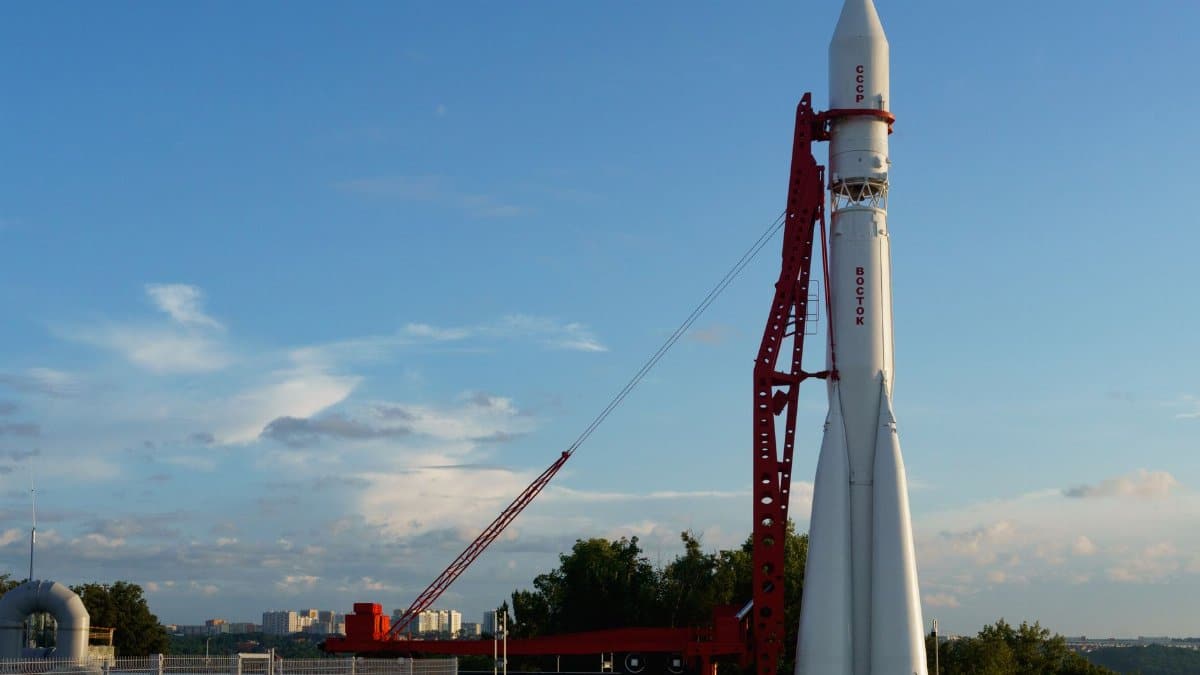
The vastness of the cosmos has long stirred questions about humanitys place within it. As preparations advance for a major new observatory, attention turns to how this instrument will expand our view of distant galaxies and hidden phenomena. The Roman Space Telescope stands at the center of these efforts, promising data that could reshape conversations about cosmic origins and structure.
Background on the Upcoming Mission

NASA has coordinated with commercial partners to ready the observatory for liftoff from Florida facilities. Engineers have completed final checks on the spacecraft bus and its primary camera system. The project draws from lessons learned in earlier missions, refining methods for stable pointing and data transmission over great distances.
Key Technological Features

The observatory carries a wide field instrument designed to capture large sky areas in single exposures. This capability allows surveys that cover thousands of square degrees efficiently. Supporting systems include advanced detectors cooled to reduce noise and optics that maintain sharp focus across the field of view.
Scientific Goals and Targets

Researchers plan to map the distribution of dark matter through weak gravitational lensing measurements. Additional programs will track exoplanets via microlensing events and monitor transient events such as supernovae. These observations aim to constrain models of cosmic expansion and galaxy evolution over time.
Development Timeline and Milestones
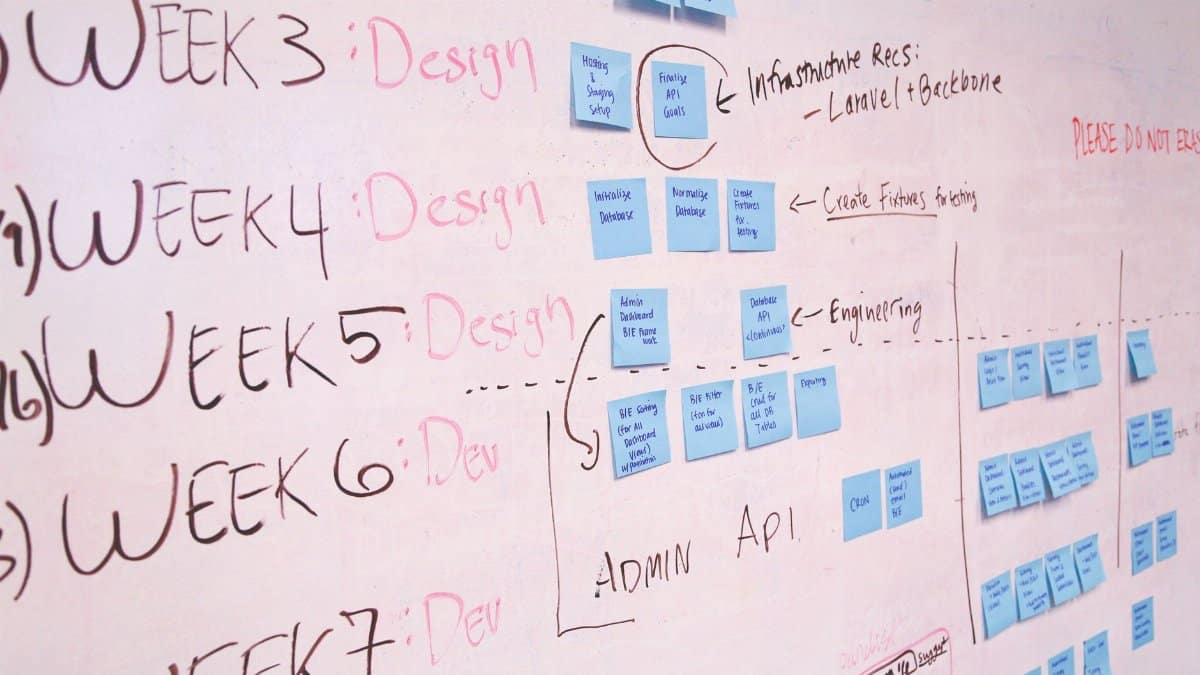
Work on the project began more than a decade ago with concept studies followed by hardware fabrication phases. Integration and testing occurred at several NASA centers before shipment to the launch site. Each stage incorporated reviews to verify performance against requirements.
Partnerships and Contributions

Multiple institutions supplied components and analysis tools for the mission. Universities contribute to data pipelines while industry teams built the propulsion and communication modules. International agencies provide supporting observations from ground based facilities to complement space data.
Anticipated Data Volume and Access

Mission planners expect the observatory to generate large archives of images and spectra over its primary five year survey period. Public release policies will make processed products available through established astronomical archives. Teams are developing tools to help researchers query and visualize the results.
Broader Questions of Cosmic Wonder
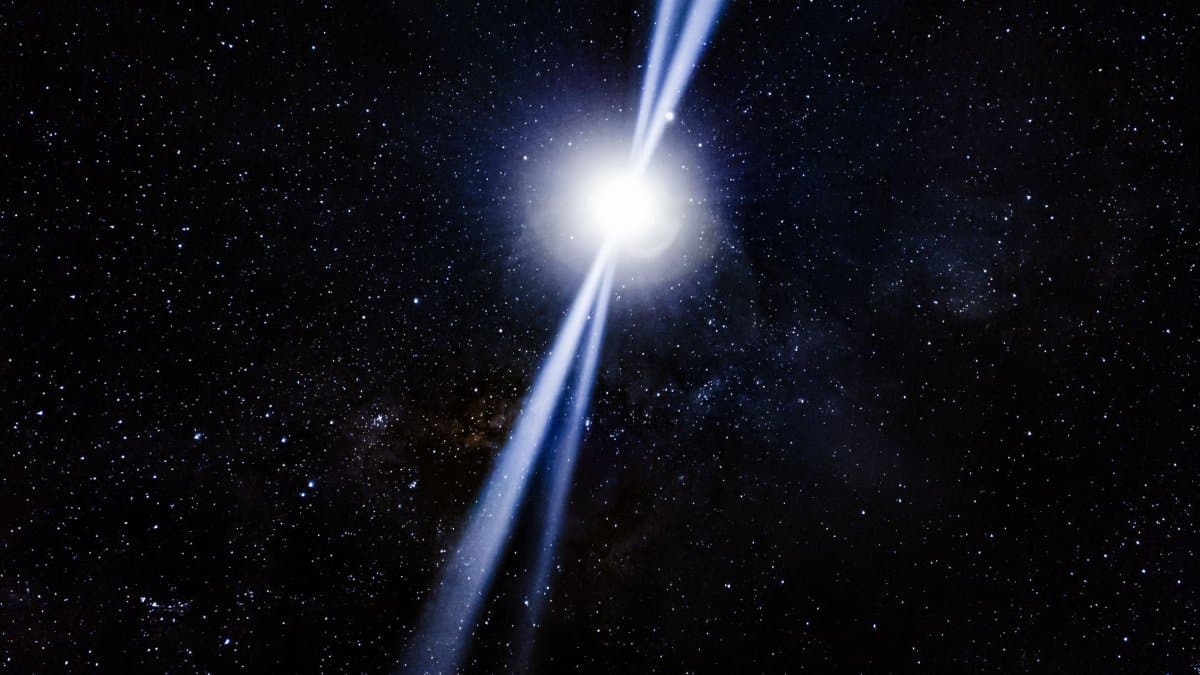
Observations from such facilities often prompt reflection on the scale and beauty of the universe. Findings about galaxy formation or planetary systems invite consideration of larger patterns that connect human curiosity to the physical world. This aspect resonates in discussions that blend empirical results with personal senses of meaning.
Looking Ahead After Launch
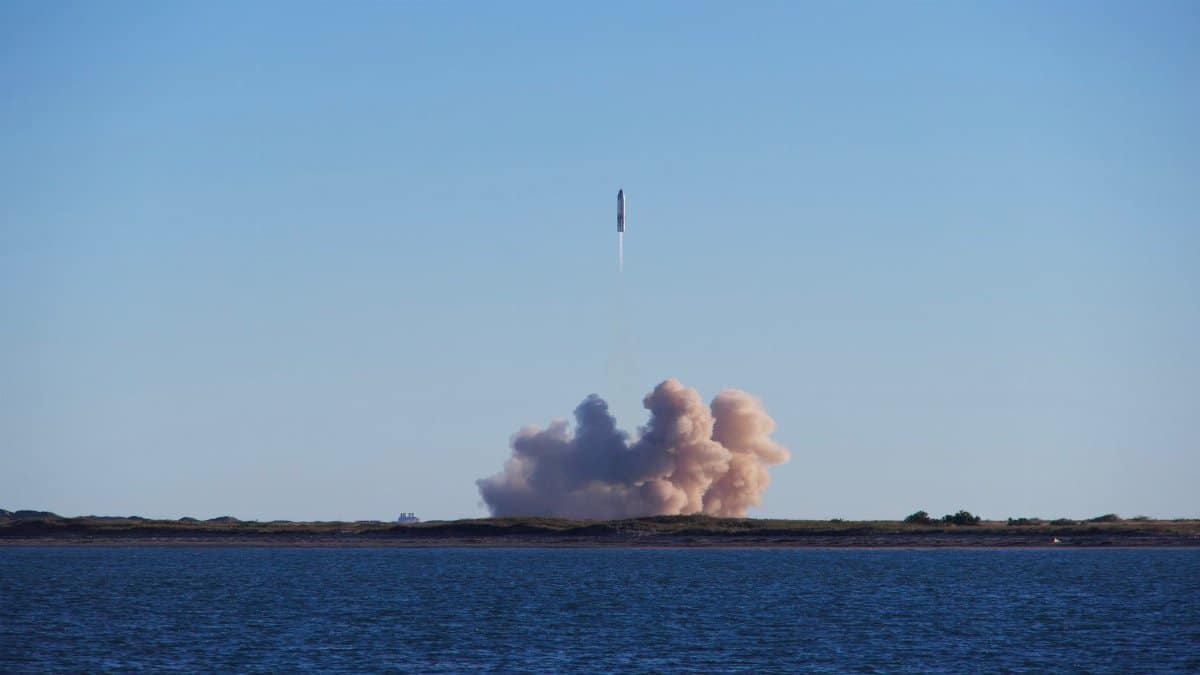
Once operational the telescope will join other assets in orbit to provide complementary views of the sky. Early data releases should begin within months of commissioning. Long term plans include extended operations if the hardware remains healthy and funding continues.