
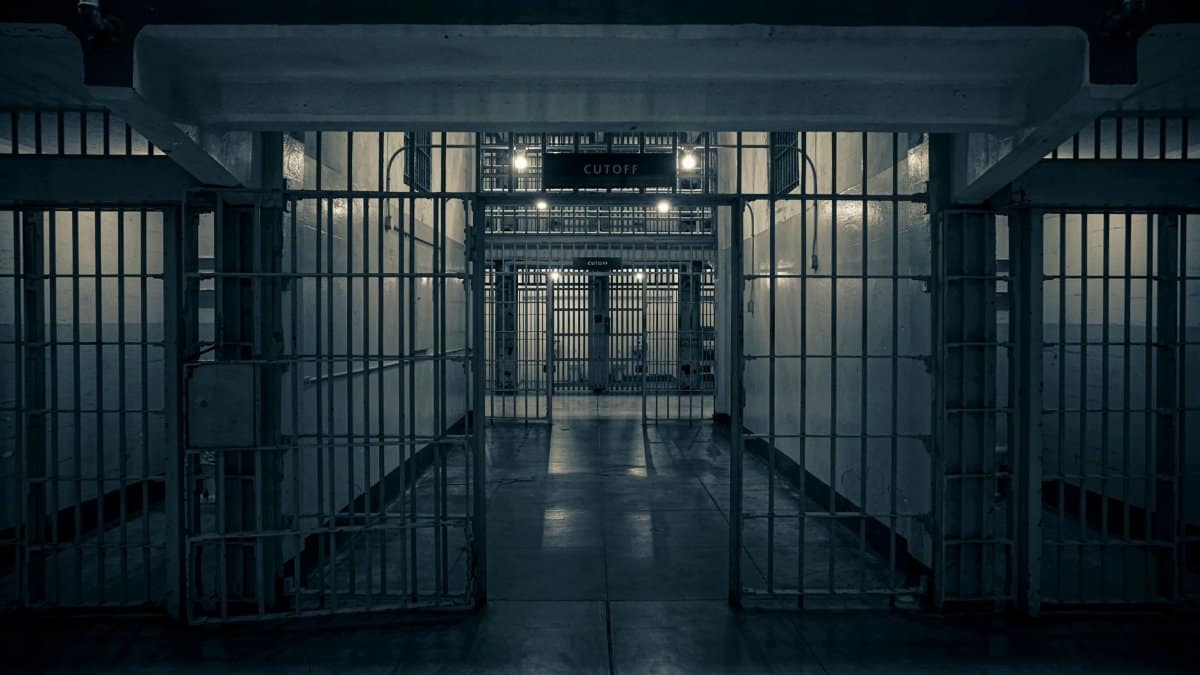
Across the landscape of Minnesota local jails have become part of a larger federal system for holding individuals awaiting immigration proceedings. This development has brought significant funds to several counties through what are known as ICE detention payments. These payments have exceeded twenty one million dollars in total since the beginning of 2025 providing a financial boost to facilities that often operate on tight budgets. County officials describe the revenue as a welcome addition during times of rising operational costs yet the arrangement also raises questions about the role of local institutions in national enforcement efforts.
Revenue Streams for County Facilities

Several Minnesota counties have reported steady income from agreements with federal authorities. The funds support staffing supplies and maintenance at jails that might otherwise face shortfalls. Officials in rural areas note that such payments help sustain public safety services without immediate tax increases.
Changes in Jail Operations

Facilities accepting federal detainees have adjusted daily routines to meet additional standards. This includes expanded medical screenings and coordination with outside agencies. Staff members receive training focused on the specific needs of a diverse population held for varying lengths of time.
Community Reactions in Affected Towns

Residents in counties receiving these funds express mixed views. Some welcome the economic activity tied to larger jail populations while others voice concerns about the broader social implications. Town hall meetings have featured discussions on transparency and the long term effects on local identity.
Legal Framework Behind the Agreements

Federal contracts outline specific rates and conditions for housing detainees. County boards review and approve participation after evaluating capacity and compliance requirements. These arrangements fall under established immigration statutes that allow states and localities to enter into such partnerships.
Economic Benefits and Drawbacks

While the payments provide direct support analysts point to indirect costs such as increased demand for legal aid and social services. Some counties have used portions of the revenue for infrastructure upgrades yet critics argue the overall economic picture requires closer examination over multiple years.
Role of State Oversight
Minnesota state agencies monitor compliance with both federal and state regulations. Reports submitted periodically detail the number of detainees and associated expenditures. This oversight aims to balance local autonomy with accountability to taxpayers.
Future Outlook for Similar Arrangements

As federal immigration policies evolve county participation may shift. Lawmakers at both levels continue to debate the appropriate scope of local involvement. Observers expect ongoing review of payment structures and operational guidelines in the months ahead.