
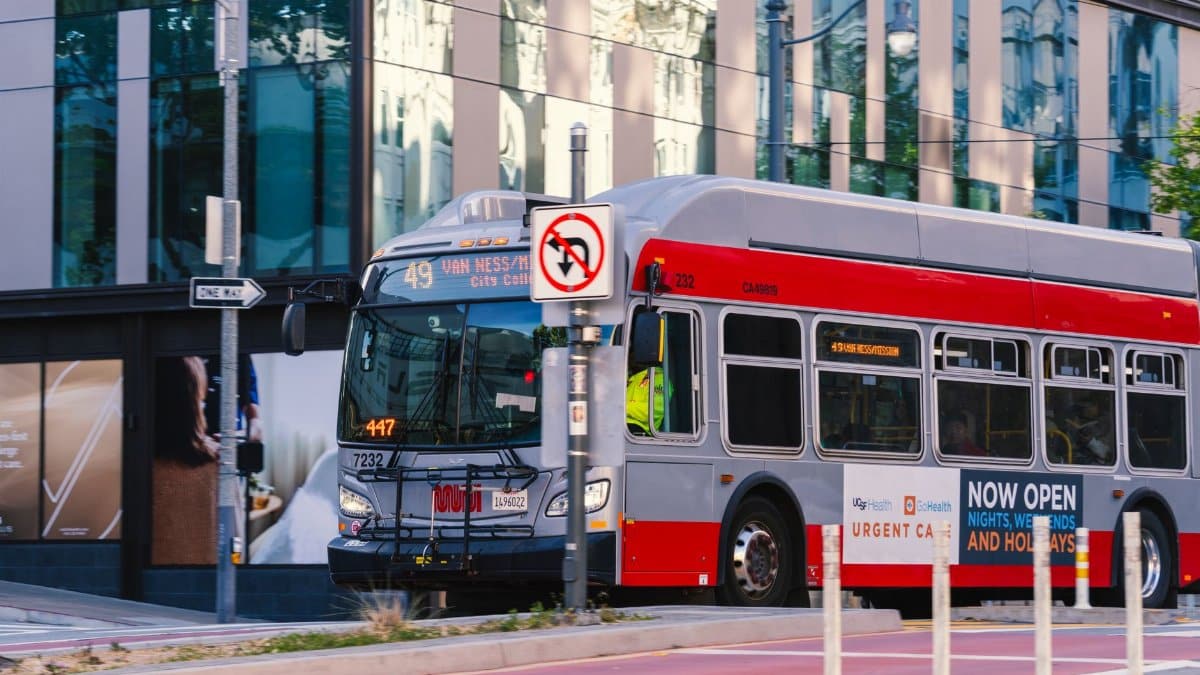
In the winding avenues of San Francisco where cable cars once defined movement, a fresh concern has surfaced over transit reliability. Officials moved swiftly to address the Muni Small Bus Brake Issue after inspections revealed cracks in brake mechanisms on vehicles navigating steep grades. This step arrives as passenger counts reach new highs, underscoring the pressure on aging equipment and the need for vigilance in urban mobility systems.
Details Behind the Fleet Withdrawal

Transportation leaders confirmed that all small buses in the affected group were removed from routes following routine checks. The vehicles, designed for narrower streets and frequent stops, showed signs of wear in key safety parts. Riders on several lines faced detours as larger coaches took over service.
Impact on Daily Commuters Across the City

Many residents who rely on these routes reported longer waits and crowded conditions during peak hours. Service adjustments covered popular corridors near downtown and residential hills. Transit staff worked to communicate changes through apps and station announcements.
Technical Findings from Recent Inspections
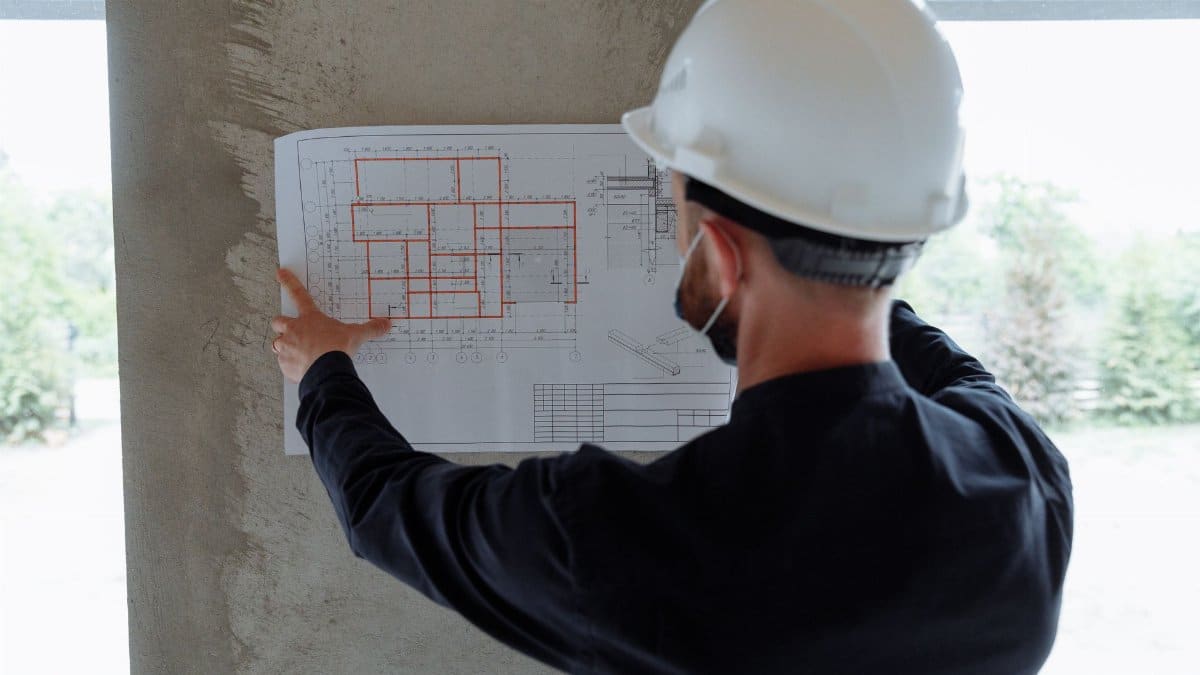
Engineers identified stress fractures in brake assemblies linked to repeated use on inclines. Tests indicated that continued operation could lead to reduced stopping power over time. The agency shared preliminary reports with oversight boards for further review.
Broader Context of Transit Safety Measures
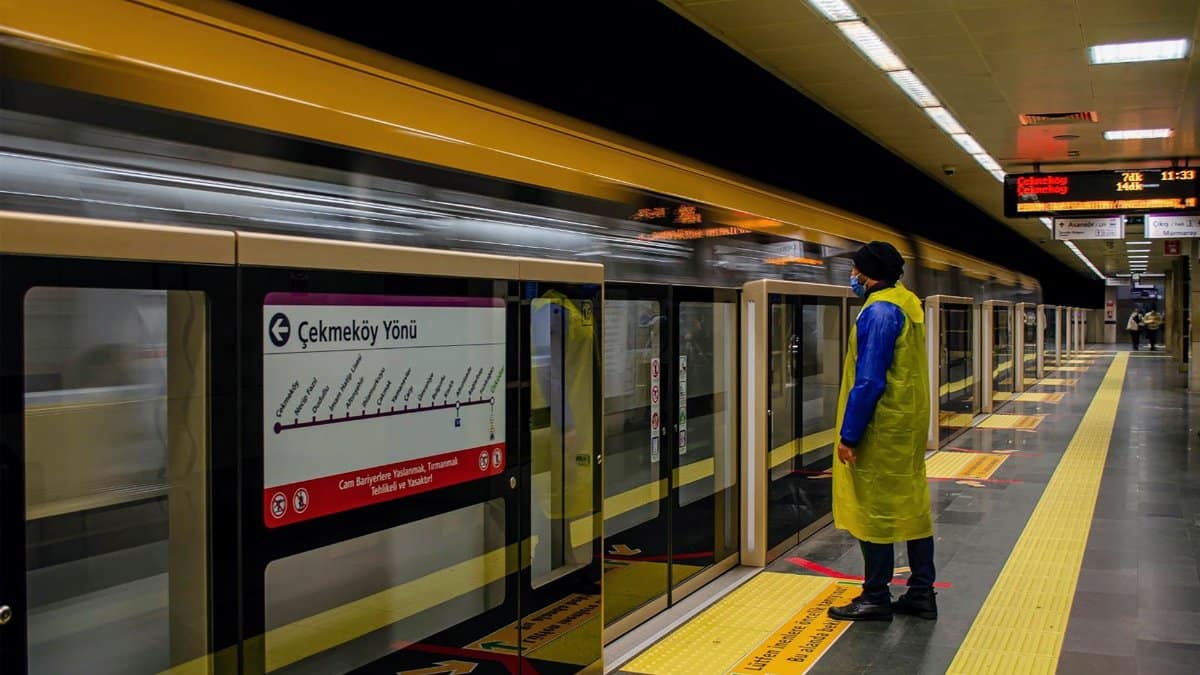
San Francisco has invested in upgrades to its public system in recent years. Yet challenges persist with older rolling stock exposed to demanding terrain. Experts note that similar issues have prompted reviews in other hilly metropolitan areas.
Responses from Local Officials and Advocates

City supervisors called for accelerated replacement schedules and increased funding. Advocacy groups emphasized the importance of reliable options for those without personal vehicles. Hearings are scheduled to examine maintenance practices.
Effects on Overall Ridership Trends
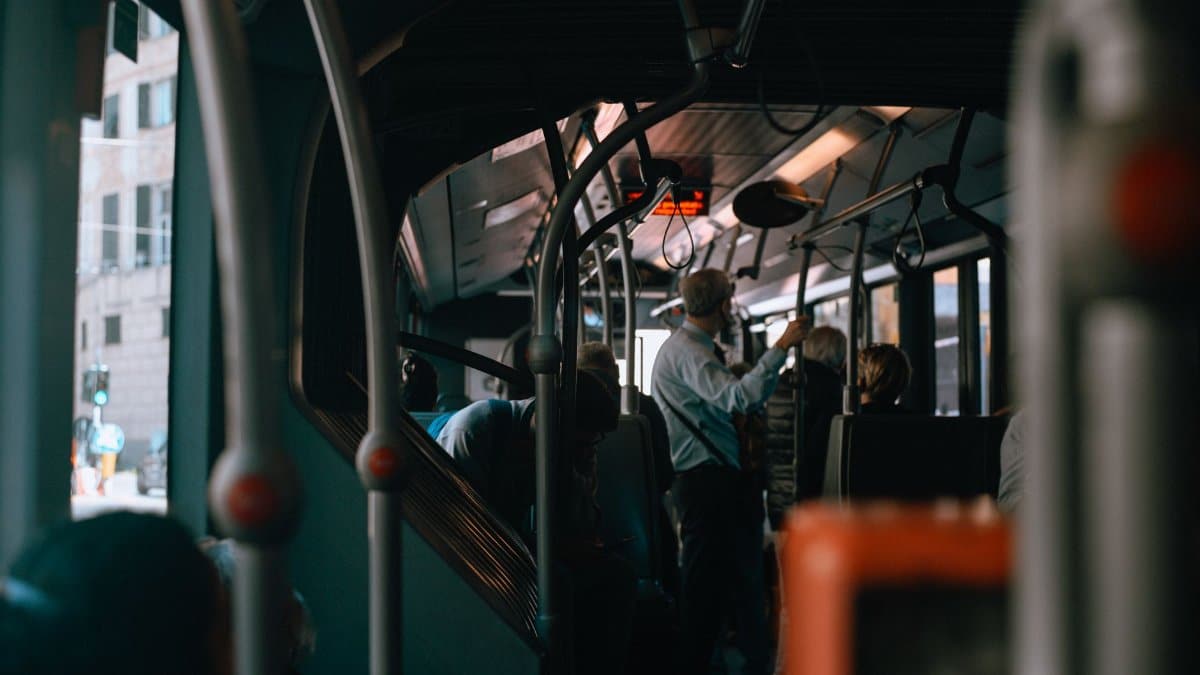
Usage has climbed steadily since pandemic restrictions eased. The current suspension adds strain at a moment when more people turn to buses and trains to avoid traffic. Data shows record boardings on several corridors this quarter.
Plans for Fleet Replacement and Upgrades
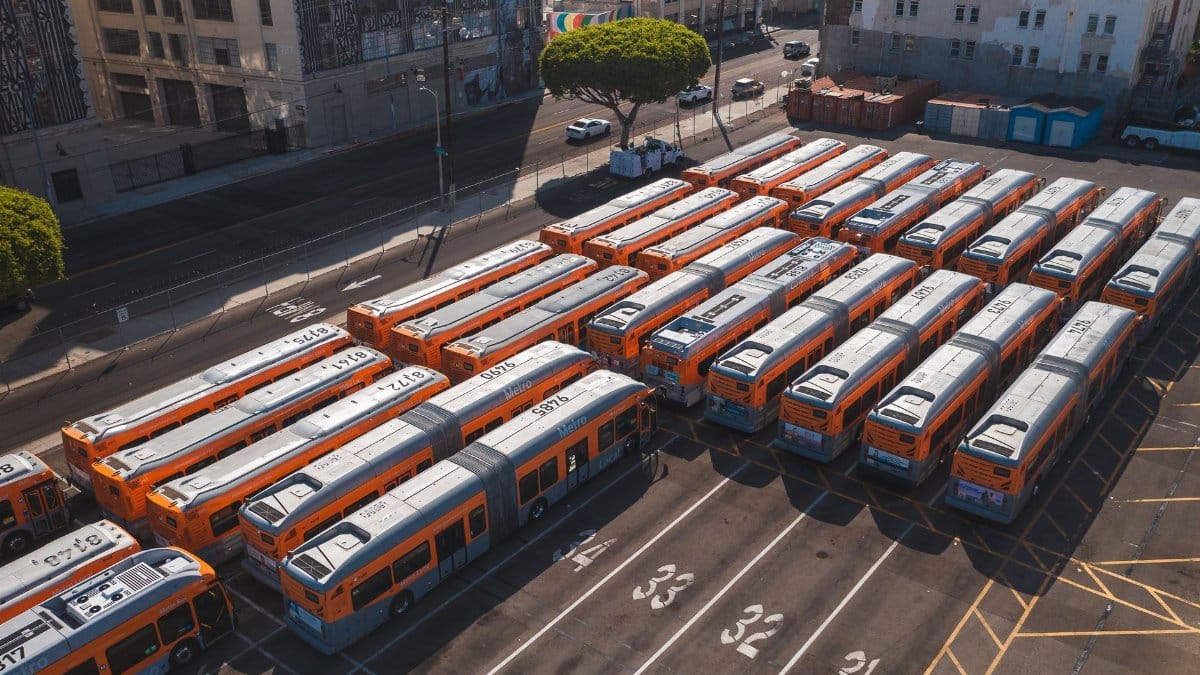
Procurement teams are evaluating bids for new models equipped with enhanced durability features. Timelines aim to restore full capacity within months while prioritizing safety certifications. Partnerships with manufacturers could speed delivery.
Lessons for Other Urban Transit Networks
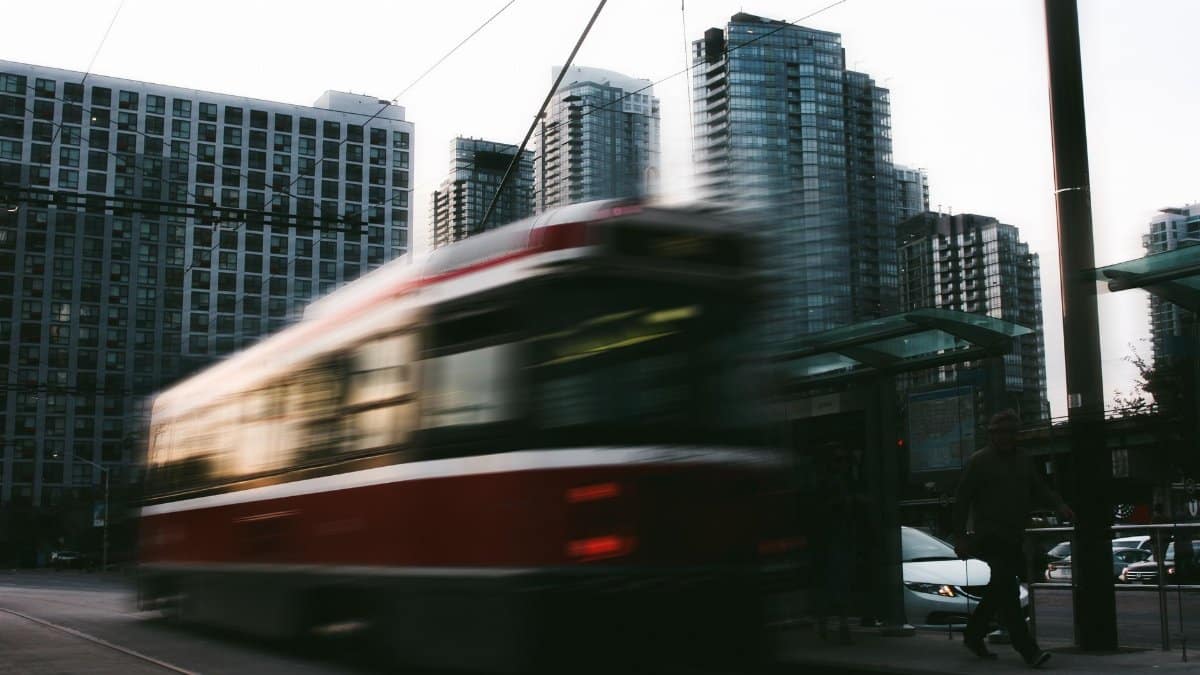
Agencies nationwide monitor developments here for potential parallels. Proactive checks on specialized vehicles may become standard in regions with challenging topography. Collaboration among cities could improve parts sourcing and diagnostic methods.