
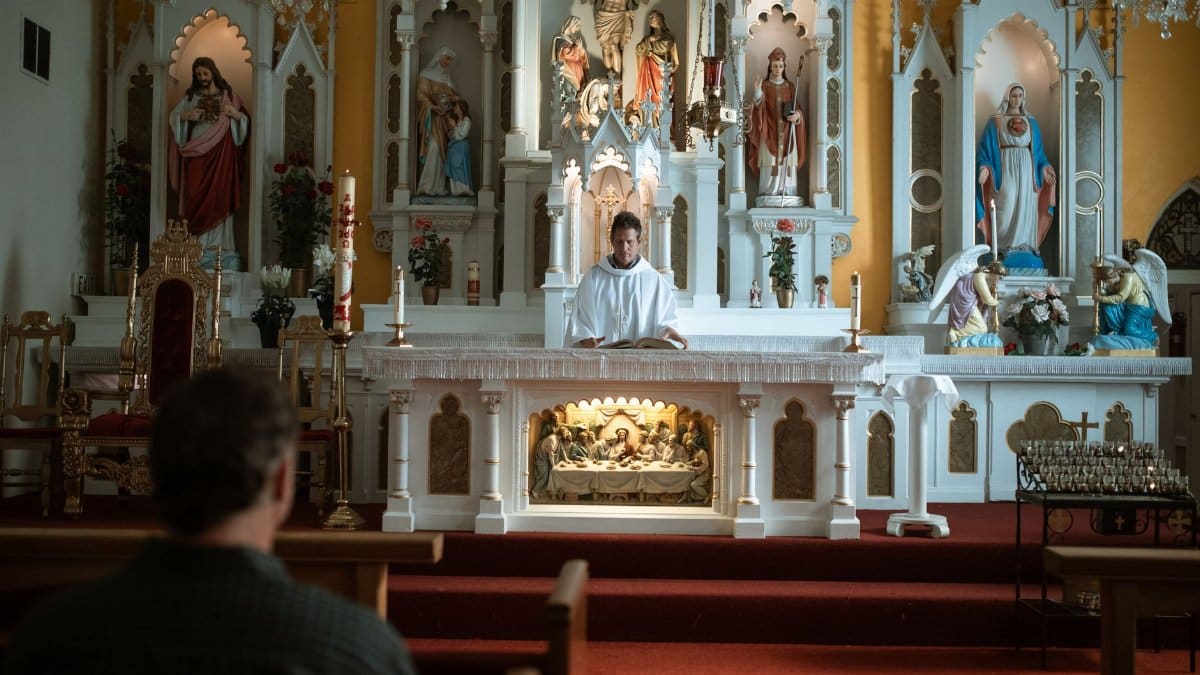
In the quiet reaches of southern Illinois a solitary church rises above the flood prone fields and recalls an era when a bustling river town served as the seat of state government. Few places preserve such a direct link to the states founding moments yet the story of Kaskaskia Illinois History Church shows how faith and memory can sustain what time and nature have nearly erased.
From Territorial Outpost to State Capital
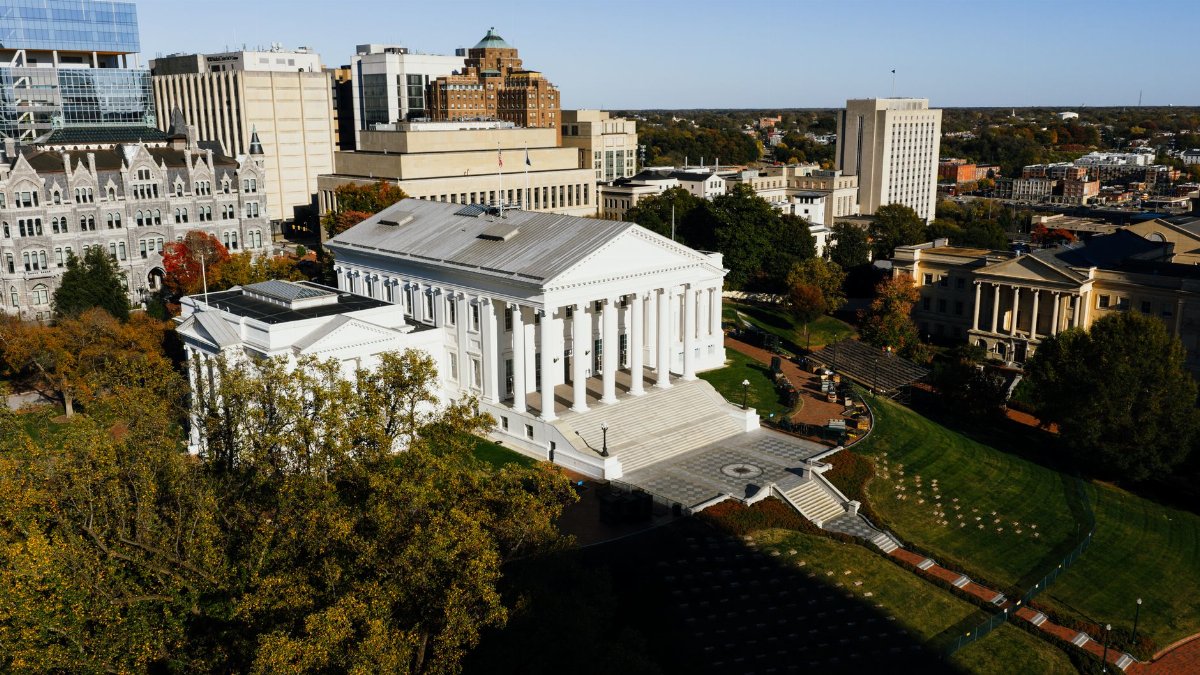
Kaskaskia began as a French trading post in the seventeen hundreds and grew into a key Mississippi River hub. By the time Illinois achieved statehood in eighteen eighteen the settlement already functioned as the territorial capital and continued in that role for the new state. Legislators met in modest buildings while merchants and farmers built homes and churches along streets that followed the rivers bends.
The Church as Witness to Early Governance
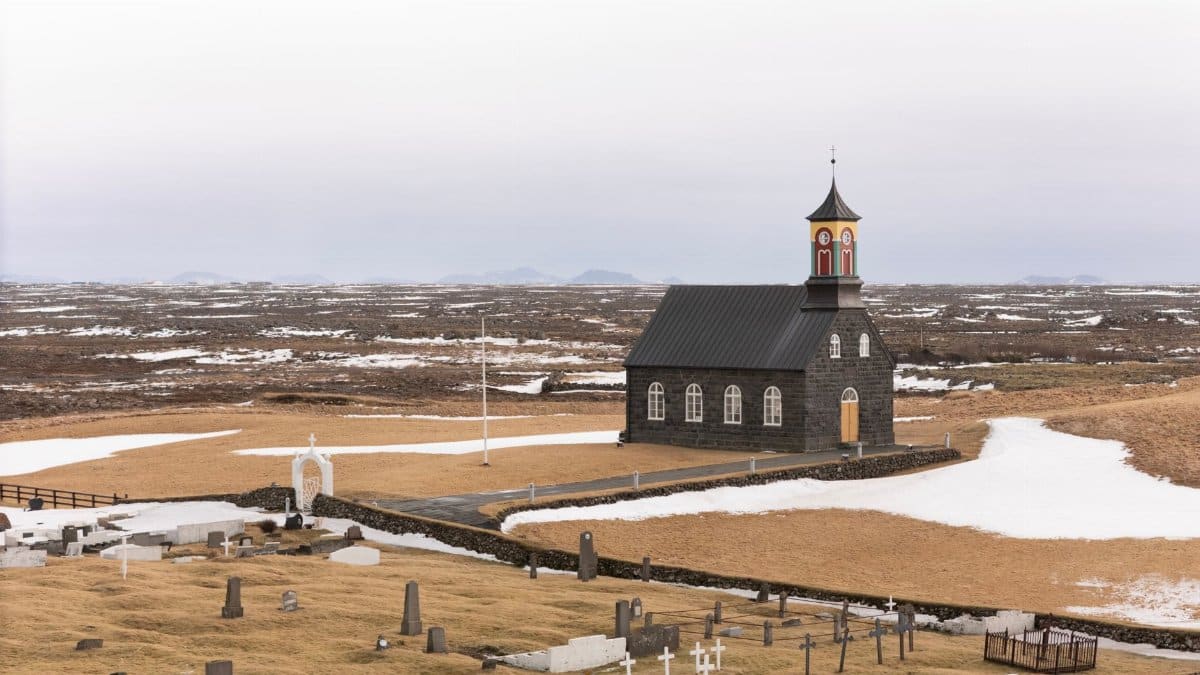
The structure now known through Kaskaskia Illinois History Church hosted community meetings that shaped early laws and public life. Its simple frame and modest steeple stood amid a town that counted several thousand residents at its peak. Records show that religious services and civic gatherings often shared the same space reflecting the close ties between faith and frontier administration.
Floods That Reshaped the Landscape
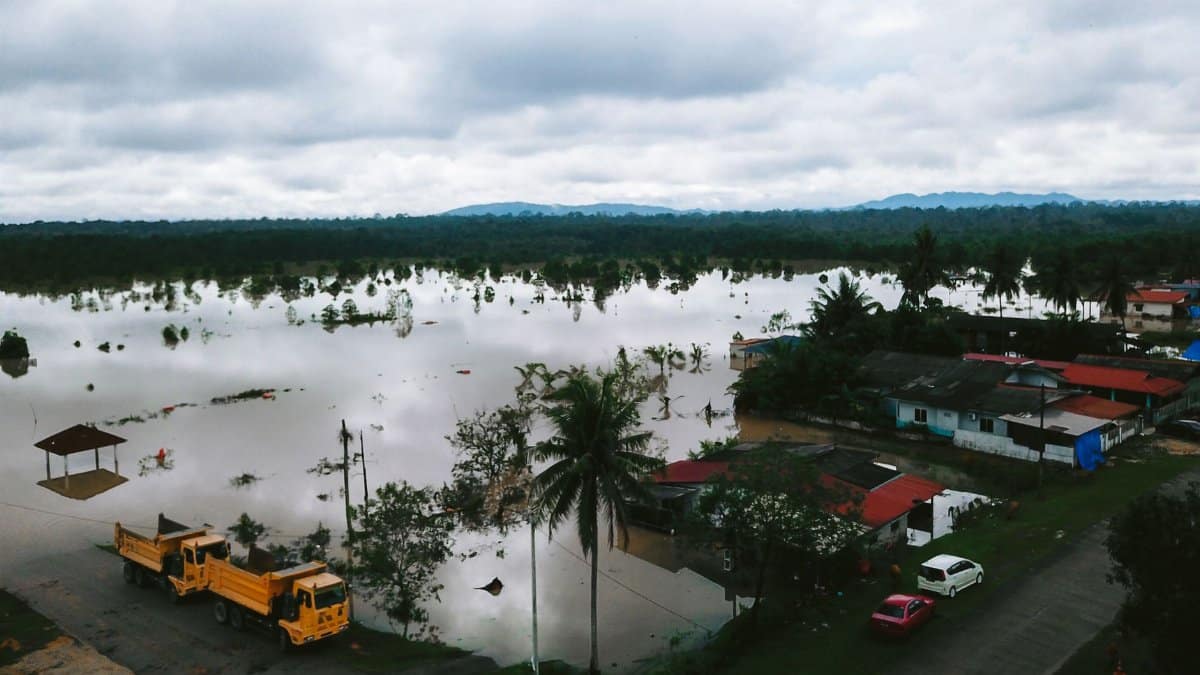
Repeated Mississippi River floods gradually reduced the original town site to a fraction of its former size. Entire neighborhoods disappeared beneath shifting channels leaving only scattered homes and the church on higher ground. Residents relocated across the river yet many continued to return for worship and annual reunions that reinforced their shared past.
Preservation Efforts by a Dedicated Few
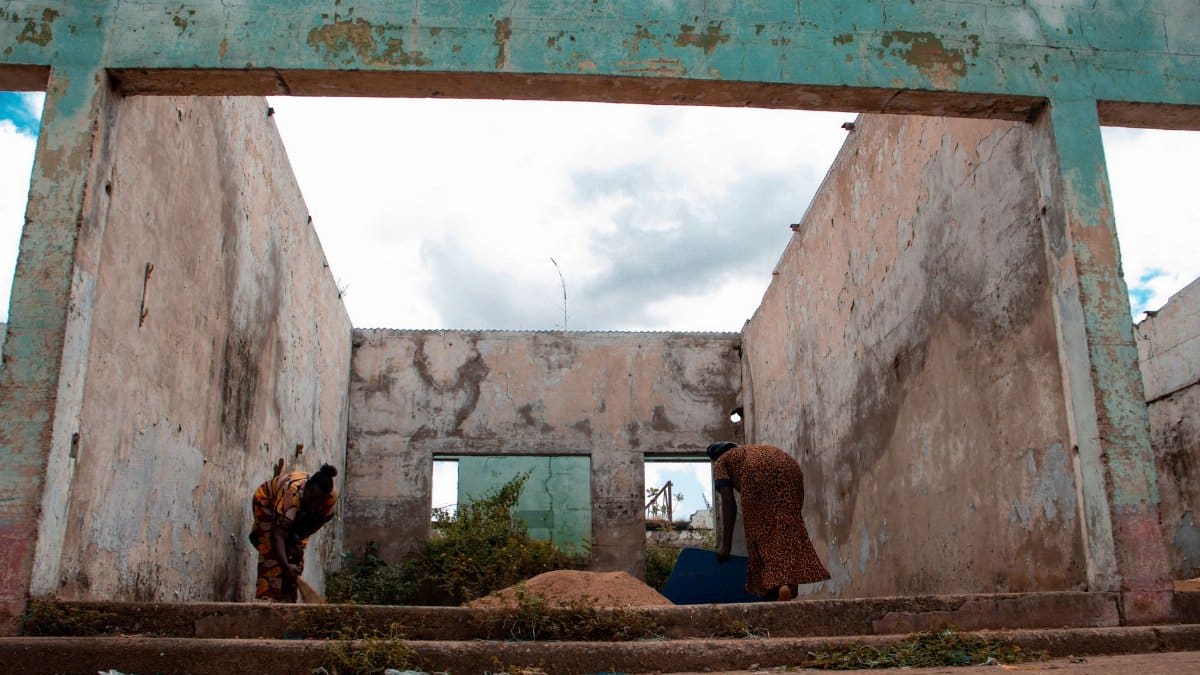
A small congregation assumed responsibility for the building after the last major flood in nineteen ninety three. They raised funds for roof repairs and foundation stabilization while documenting every artifact that remained from the capital era. Their work turned the site into a living archive rather than a static monument.
Annual Gatherings That Renew Old Ties
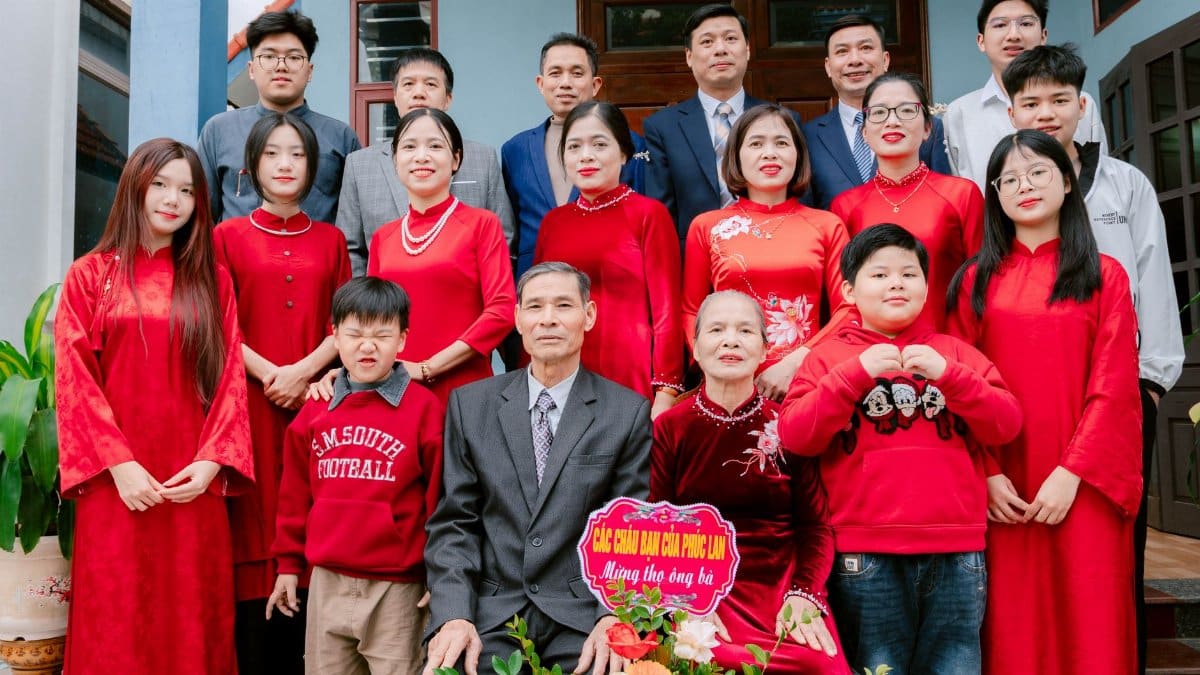
Each summer former residents and descendants travel long distances to attend services and share stories. These events keep alive oral histories that textbooks overlook and allow younger generations to understand how one rural church connects them to state beginnings. Attendance has remained steady even as surrounding farmland changes ownership.
Challenges of Maintaining an Isolated Landmark

Funding for upkeep comes mainly from private donations and occasional state grants. The congregation must balance modern safety codes with the desire to retain original materials such as hand hewn beams and nineteenth century glass. Volunteers handle most maintenance tasks learning carpentry and masonry skills along the way.
Spiritual Continuity Across Centuries
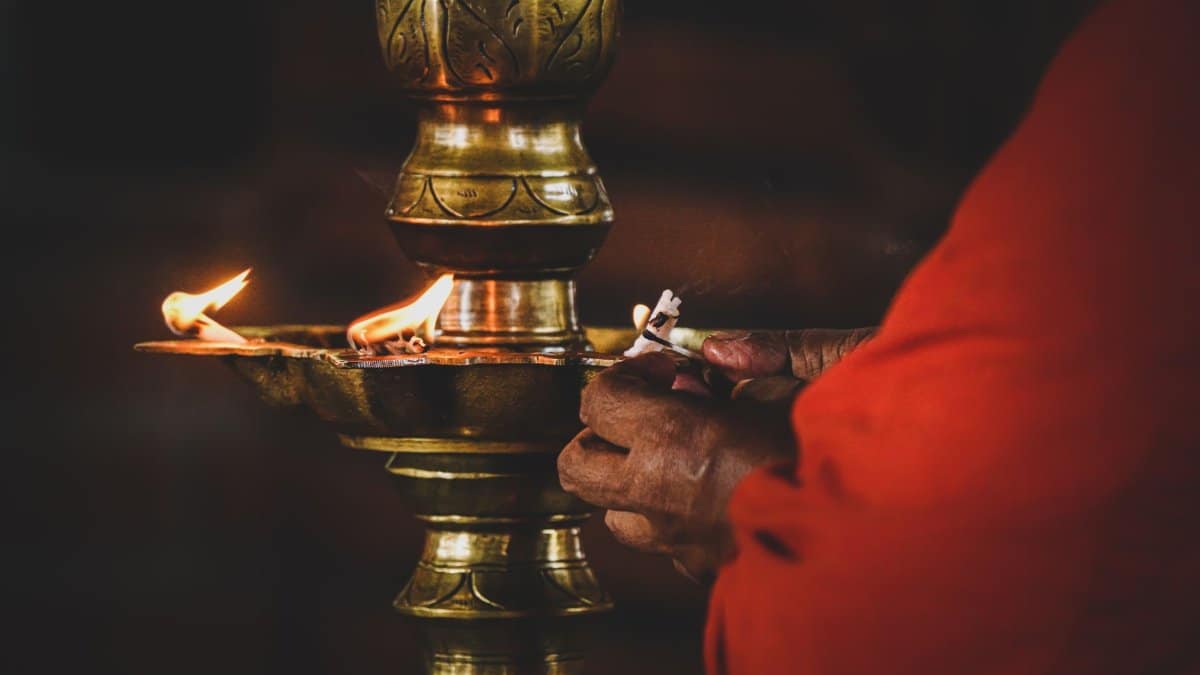
Sunday worship continues in the same sanctuary used by the first state officials. Hymns and sermons echo against walls that once framed debates over statehood and slavery. This continuity offers worshippers a tangible sense of belonging to a longer narrative than their own lifetimes.
Regional Tourism and Educational Visits
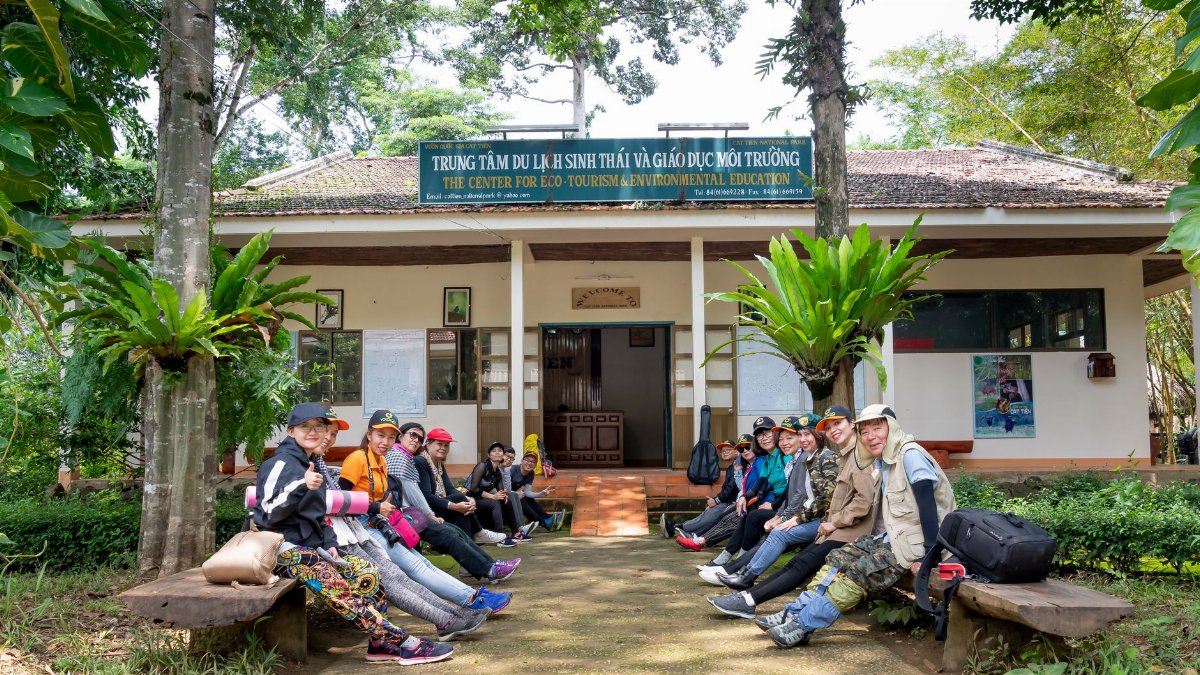
History students and heritage travelers now make the church a destination stop. Guided tours highlight architectural details and explain how river commerce supported the early economy. Local schools schedule field trips that pair the visit with lessons on Illinois government origins.
Future Outlook for the Site and Its Stewards
The congregation explores options such as a small museum wing and digital archives to broaden access. Partnerships with historical societies aim to secure long term resources without altering the quiet character that defines the place. Their goal remains simple to keep the doors open for prayer and remembrance.
Lessons from One Churchs Endurance

Kaskaskia Illinois History Church stands as proof that historic preservation often rests on personal commitment rather than large institutions. Its survival invites reflection on what other fragments of American beginnings might still be saved by similar groups of faithful caretakers.