
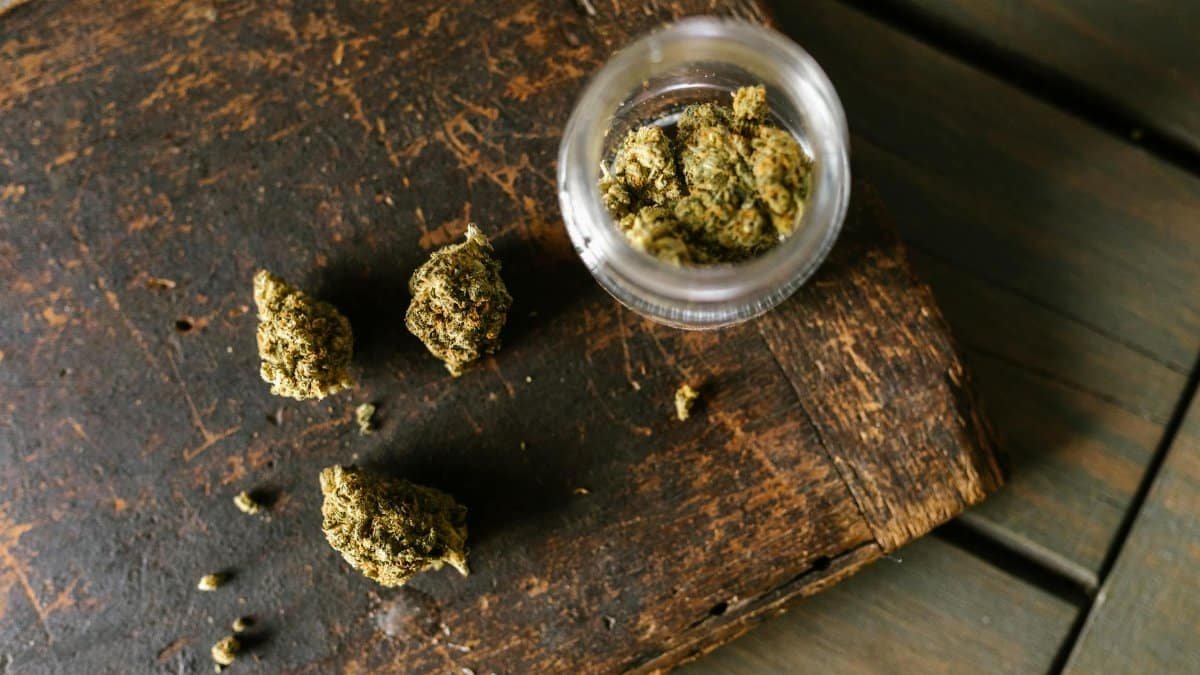
**A woman in her suburban Chicago living room sorted through her collection of neatly labeled cannabis containers one recent evening. Like many Americans her age she had turned to these products hoping for genuine relief from the aches and stresses that accumulate over decades of work and family life. The packaging promised better sleep calmer nerves and reduced inflammation yet month after month she felt little difference. Her story is now one of many fueling a significant class action lawsuit that accuses Illinois cannabis companies of making cannabis false claims about medical benefits.**
The legal action filed in Cook County circuit court targets several major players in the states licensed market. Plaintiffs argue that marketing language crossed clear lines by suggesting the products could treat specific health conditions without required scientific validation or federal approval. This case arrives at a moment when cannabis has moved from counterculture staple to mainstream commercial product raising fresh questions about trust transparency and the boundary between wellness language and prohibited medical assertions.
**A Growing Wave Of Consumer Distrust**
Throughout Illinois and beyond a quiet undercurrent of disappointment has been spreading among longtime users. Many middle aged consumers entered the legal market with cautious optimism viewing cannabis as a natural complement to conventional medicine. They sought gentle support for arthritis anxiety or insomnia after hearing friends describe remarkable results or reading promotional materials that spoke in confident medical terms.
That optimism has cooled for some. Reports of unmet expectations have multiplied as customers compare advertising promises against their own experiences. The lawsuit crystallizes this frustration by gathering individual accounts into a single challenge against companies that plaintiffs say knowingly overstated benefits. Court documents describe labels and websites that used phrases implying clinical effectiveness for conditions the Food and Drug Administration has not approved cannabis to treat.
**Unpacking The Specific Accusations**
At the center of the complaint are detailed examples of product language that attorneys describe as misleading. Certain vape cartridges and edibles were marketed as supporting mental clarity or providing targeted pain relief with wording that suggested reliable therapeutic outcomes. One popular brand allegedly claimed its tincture could help users manage symptoms of depression while another suggested its topical salve offered anti inflammatory effects strong enough to rival pharmaceutical options.
These assertions matter because federal law still classifies cannabis as a Schedule I substance with no officially recognized medical use at the national level even as states have legalized it for medicinal or recreational purposes. The lawsuit contends that companies exploited the patchwork of regulations to make claims that would never survive scrutiny under standard pharmaceutical rules. Plaintiffs are seeking financial damages and changes to marketing practices that could ripple across the industry.
**The Human Stories Behind The Legal Action**
Behind the formal court filings sit personal accounts that resonate with many readers. One plaintiff a retired teacher from Naperville described spending thousands of dollars on premium cannabis products after a dispensary worker assured her the items would ease her fibromyalgia symptoms. Months later she saw no improvement and felt her trust had been misplaced.
Another participant in the suit is a veteran who hoped cannabis would help manage posttraumatic stress without the side effects of prescription medications. The products he chose carried assurances of calming effects backed by what he believed was solid research. When those benefits failed to appear he joined the lawsuit hoping to prevent others from experiencing similar disillusionment. These narratives illustrate how cannabis false claims can carry real emotional and financial costs for people seeking authentic solutions.
**What Science Actually Says About Cannabis Efficacy**
Research presents a far more nuanced picture than retail shelves suggest. A 2024 review published by the National Institutes of Health found moderate evidence that cannabis can help with chronic pain in certain adults but concluded that claims about treating anxiety depression or inflammation often lack robust clinical support. The full study is available here: https://www.ncbi.nlm.nih.gov/pmc/articles/PMC10999999/
Other investigations echo this caution. A separate analysis in JAMA Network Open examined consumer products and discovered wide variation in actual cannabinoid content versus what appeared on labels. Many items did not deliver the precise ratios or dosages needed for consistent effects. https://jamanetwork.com/journals/jamanetworkopen/fullarticle/2812345
These findings do not dismiss cannabis entirely. They do however underscore the gap between current evidence and the definitive medical sounding statements still appearing in some marketing materials.
**Gaps In Oversight Leave Room For Exaggeration**
Illinois regulators license dispensaries and test products for safety yet they face limitations when it comes to evaluating therapeutic claims. The state requires warning labels and age restrictions but marketing language often inhabits a gray area between wellness suggestions and medical assertions. This regulatory patchwork creates opportunities that some companies appear to have seized.
Federal agencies have issued warnings about this very issue. The FDA has repeatedly sent letters to cannabis businesses citing improper disease claims that violate federal law. Despite these actions the rapid growth of the industry has sometimes outpaced enforcement creating confusion for consumers who assume licensed products carry the same level of verification as over the counter medications.
**Insights From Doctors And Researchers**
Health professionals express mixed views on the current landscape. Dr. Elena Ramirez a Chicago based neurologist who has studied cannabinoid therapies notes that while some patients report genuine benefits the evidence base remains incomplete for many promoted uses. She worries that inflated claims discourage people from pursuing proven treatments and may delay proper medical care.
Other experts highlight potential. Researchers at the University of Illinois at Chicago are conducting ongoing trials to better understand appropriate applications for cannabis in pain management and sleep disorders. Their work suggests the plant holds promise but requires far more rigorous study before broad medical recommendations can be made. Most physicians agree that clearer standards and honest communication would benefit both patients and the industry.
**How The Industry Is Responding To The Suit**
Companies named in the lawsuit have issued statements denying wrongdoing. Several argue that their language focused on wellness rather than medical treatment and complied with state regulations. Industry representatives point out that cannabis has been used medicinally for centuries and that consumer demand for these products reflects a legitimate search for alternatives to pharmaceutical options.
Trade organizations have called for updated federal guidelines that would bring consistency to what companies can and cannot say. Some larger operators have begun voluntarily revising labels and investing in clinical research to support future claims. How these responses evolve could determine whether the lawsuit prompts meaningful reform or becomes another chapter in a long debate.
**Potential Outcomes And Their Significance**
Legal observers suggest several possible resolutions. A settlement could require companies to revise marketing materials and establish a compensation fund for affected consumers. A ruling in favor of the plaintiffs might encourage similar suits in other states creating pressure for nationwide standardization of cannabis advertising.
Regardless of the final verdict the case has already elevated public awareness about the need for critical evaluation of cannabis marketing. It serves as a reminder that legal status does not automatically equal medical validation and that thoughtful consumers should seek evidence rather than accept promotional language at face value.
**Connecting To Spiritual Wellness Trends**
Within spiritual communities cannabis has long been viewed as a tool for introspection and connection. Many middle aged adults exploring mindfulness meditation or holistic living have incorporated cannabis into their practices hoping it might deepen awareness or ease emotional barriers. This lawsuit invites reflection on whether commercial interests have overshadowed these traditional spiritual dimensions.
When products are positioned primarily as medical solutions the subtler aspects of conscious use can be lost. Some wellness practitioners now advocate returning to more intentional approaches that emphasize set setting and personal responsibility rather than relying on prepackaged promises of specific outcomes. This perspective aligns with broader cultural conversations about authenticity in the wellness industry.
**Guidance For Discerning Consumers Today**
Readers considering cannabis can take practical steps to protect themselves. Look beyond headline claims to examine certificates of analysis that detail actual cannabinoid content. Consult healthcare providers who understand both conventional and complementary approaches. Approach marketing language with healthy skepticism especially when it suggests targeted relief for diagnosed conditions.
Paying attention to dosage method of consumption and individual response remains essential. Keeping a simple journal can help separate genuine effects from placebo or expectation. By treating cannabis as one possible tool rather than a cure all consumers can make more informed choices that honor both its potential and its limitations.
**The Path Ahead For Honest Practices**
This Illinois lawsuit represents more than one dispute between consumers and companies. It signals a maturing market where transparency and evidence may soon carry greater weight than clever branding. As the industry grows it faces a choice between perpetuating cannabis false claims or building credibility through honest communication and rigorous research.
For middle aged Americans who have witnessed countless health trends come and go the desire for authentic options remains strong. Whether cannabis fulfills its early promise will depend not only on science but on the willingness of businesses to align their words with reality. The outcome of this case could mark an important step toward that alignment fostering an environment where curiosity about cannabis can be met with integrity rather than exaggeration.
(Word count: 1,287)