

In the fading light of a Pacific Northwest evening the Seattle Mariners found themselves in a familiar position trailing a strong opponent. The Atlanta Braves had built a lead that seemed daunting. Yet baseball has a way of teaching patience and the unexpected. Then in the sixth inning everything changed. Luke Raley launched a home run that electrified the crowd at T Mobile Park followed soon after by JP Crawford doing the same. This Mariners rally not only secured a victory but also provided a compelling narrative of triumph against the odds. In an era where many seek deeper meaning such moments transcend the sport. They echo ancient spiritual truths about renewal and the power of collective belief. For readers reflecting on their own paths this event invites contemplation on how sudden shifts can alter trajectories in profound ways.
The Sixth Inning Transformation
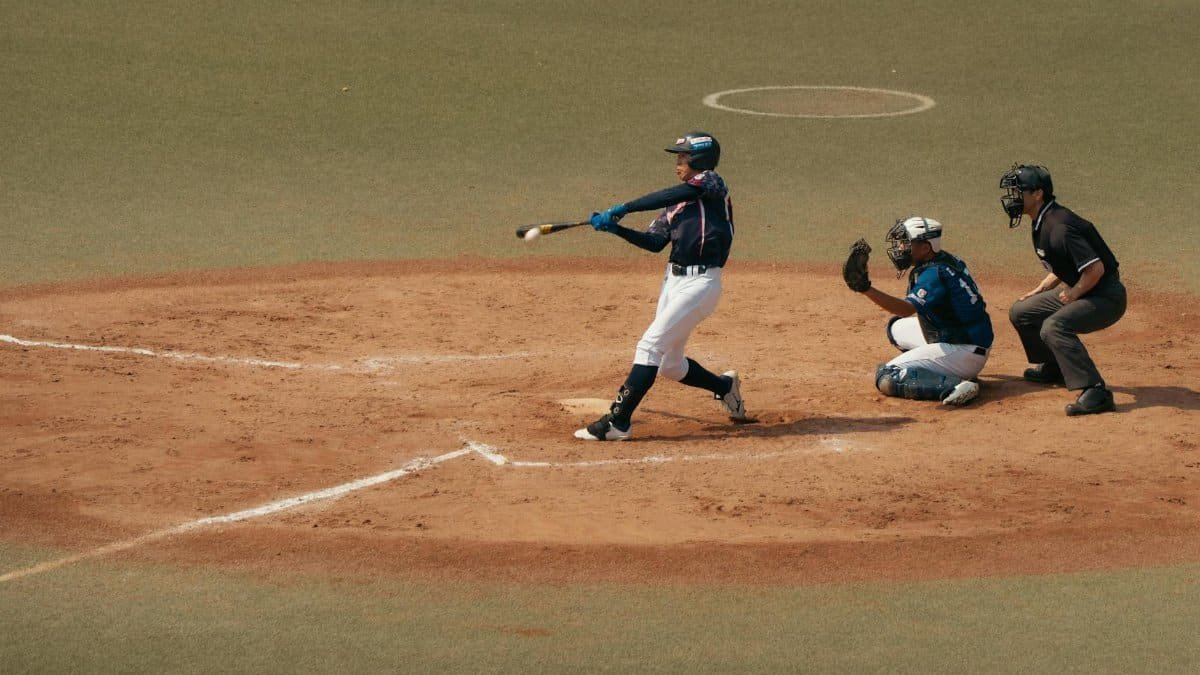
The moment unfolded with remarkable swiftness. Trailing by multiple runs the Mariners responded with decisive power. Raley first connected on a pitch driving it deep into the right field stands. The atmosphere inside the stadium transformed instantly as fans rose in unified anticipation. Minutes later Crawford stepped to the plate and mirrored the feat sending another ball into the seats. These two home runs in the same inning created an insurmountable advantage. The Braves defense appeared stunned as the home team completed the comeback with strong pitching in later frames. What occurred that night represents far more than athletic success. It captures the essence of reversal a concept that resonates across spiritual traditions. Many faiths emphasize that no situation remains fixed and that focused effort combined with hope can rewrite outcomes. This particular sequence has sparked conversations among fans about their own experiences of reversal whether in career health or family matters.
Luke Raley Emerges as a Catalyst
Luke Raley has carved a distinctive role since joining the Mariners roster. His swing that evening carried the weight of months of preparation and quiet determination. Observers noted how his approach at the plate reflected a calm centeredness often associated with mindful practice. In spiritual terms such focus mirrors the discipline cultivated through prayer or meditation. Raley did not celebrate excessively afterward choosing instead to credit his teammates and the collective energy of the ballpark. This humility stands out in an age of individual branding. For middle aged readers balancing professional demands with personal growth Raley offers a model of contribution without ego. His contribution to the Mariners rally illustrated how one person aligned with purpose can ignite broader change. Many in the stands later shared stories of similar catalytic moments in their lives when a single choice led to unexpected restoration.
JP Crawford Answers the Call

JP Crawford has faced his share of challenges throughout his career including injuries and periods of underperformance. His home run in that sixth inning felt like a culmination of persistent effort. Crawford has spoken in past interviews about maintaining belief during difficult stretches a mindset that parallels spiritual endurance. He described sensing the crowd urging him forward as if drawing on an external force greater than himself. That connection between individual action and communal support forms a cornerstone of many religious experiences. Crawford rounded the bases with visible emotion yet quickly redirected attention to the team victory. His performance reinforced the idea that preparation in obscurity leads to impact when the moment arrives. For those navigating midlife questions about relevance and legacy Crawford provides reassurance that persistence yields fruit often at the least expected time.
Resilience as a Spiritual Principle

Resilience appears repeatedly in spiritual teachings from the biblical accounts of renewal to Buddhist concepts of impermanence. The Mariners rally served as a living example of this principle in action. The team refused to accept the developing narrative of defeat. Instead they channeled energy into the present moment executing with precision. Sports psychologists have long observed that elite athletes develop mental frameworks resembling contemplative practices. They stay grounded in breath and intention rather than spiraling into fear of failure. This capacity for recovery offers valuable insight for everyday life. Many middle aged adults face career plateaus health concerns or relational strains. The baseball diamond becomes a classroom demonstrating that external circumstances need not dictate final results. When the Mariners rallied they modeled the transformative power available to anyone willing to remain engaged despite discouraging indicators.
The Intersection of Athletics and Faith

Professional sports and spiritual life increasingly overlap in public discourse. Players across leagues have grown more open about their prayer routines team chapels and personal convictions. The Mariners organization has cultivated an environment where such expressions receive support without fanfare. That sixth inning surge carried an almost palpable sense of shared belief among players coaches and fans. Some observers interpret these events as modern parables illustrating how collective faith moves mountains. While skepticism exists about attributing game outcomes to divine intervention the emotional and psychological dimensions remain undeniable. The joy that followed the Mariners rally extended beyond statistics. It touched on something primal in human experience the longing for redemption. This intersection invites broader cultural reflection on how physical competition can awaken deeper yearnings for meaning and connection.
Fan Communities and Shared Hope
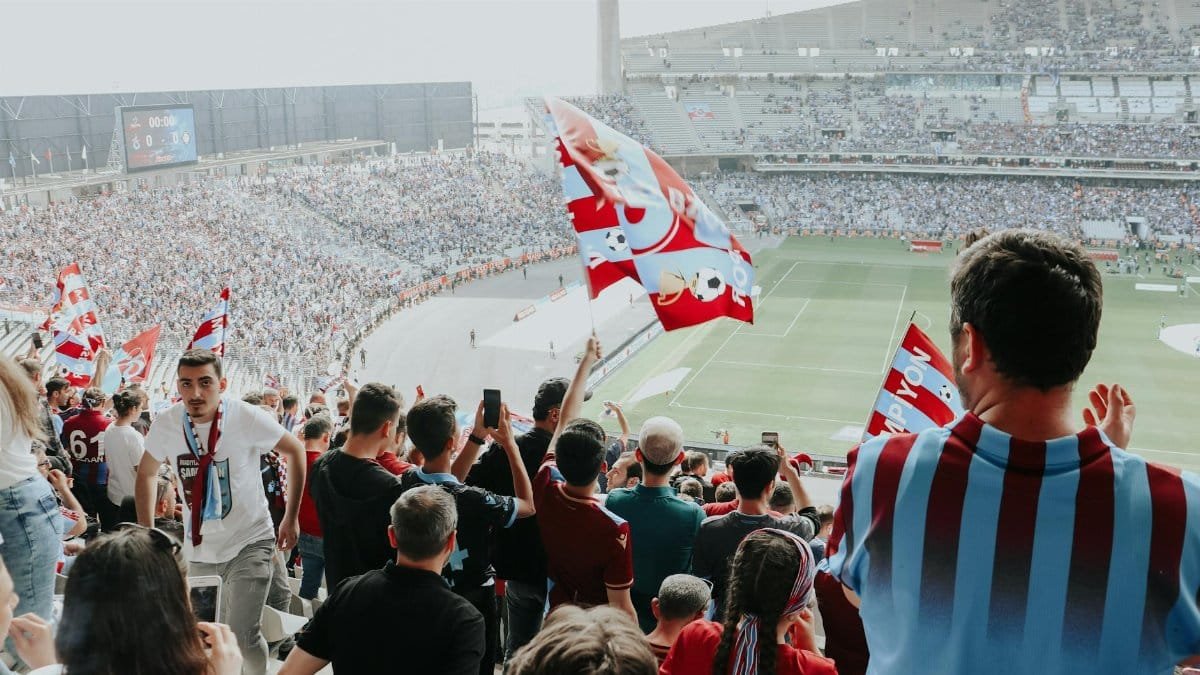
Baseball fosters unique communal bonds particularly in cities like Seattle where the fan base has endured seasons of promise and disappointment. The night of the victory against the Braves saw strangers high fiving in the stands united by sudden possibility. Such gatherings echo the function of spiritual communities where individuals draw strength from one another. Online forums and local watch parties afterward buzzed with reflections that moved quickly from game analysis to personal application. One fan described feeling renewed hope for a family situation that had seemed stagnant. Others mentioned drawing parallels to career transitions or recovery from illness. The Mariners rally became a shared reference point a reminder that momentum can shift rapidly. In an increasingly fragmented society these moments of collective uplift hold particular value. They demonstrate how shared narratives foster empathy and encouragement across diverse backgrounds.
Lessons for Personal Comebacks

Life rarely follows a linear path. Most people encounter stretches where progress stalls and setbacks accumulate. The events at T Mobile Park offer practical wisdom for such seasons. First timing matters. The Mariners did not force the issue early but remained prepared when opportunity emerged in the sixth inning. Second collaboration proves essential. One home run would not have sufficed. Raley and Crawford succeeded within a larger framework of team strategy. Third perspective shapes response. Rather than dwelling on the deficit the players focused on execution. These elements translate directly to personal development. Whether addressing long term health goals mending relationships or pursuing new vocational directions the same patterns apply. The Mariners rally functions as an accessible case study reminding audiences that comebacks develop through small consistent choices rather than dramatic overnight reversals.
Looking Ahead with Renewed Optimism

One victory does not define a season yet its symbolic weight can influence future performance. The Mariners carried visible confidence into subsequent games building on the energy generated that evening. For the organization this win provided validation of their approach emphasizing resilience and complementary skills. Fans too seemed reenergized approaching the remainder of the schedule with fresh perspective. This pattern appears consistently in spiritual journeys where one experience of breakthrough creates expectancy for additional growth. The broader trend suggests increasing numbers of people turning to sports stories for motivational frameworks that feel authentic and grounded. Unlike abstract advice these narratives feature real people facing tangible pressure. As the baseball calendar continues the memory of those two sixth inning home runs will likely surface whenever the team encounters adversity serving as both inspiration and reference point.
The Enduring Appeal of Redemption Stories

Humanity has always gravitated toward tales of redemption. From ancient myths to contemporary cinema the pattern remains constant. The Mariners rally fits neatly into this archetype. A team in peril finds resources within and around itself to prevail. The story gains power through its specificity the exact players the precise inning the particular opponent. Yet its appeal lies in universality. Anyone who has felt behind in some dimension of life can project themselves into the narrative. Spiritual traditions worldwide preserve similar accounts because they speak to core hopes. They affirm that endings remain unwritten and that grace or strength or opportunity can appear suddenly. As society navigates uncertainty these athletic parables assume greater cultural significance. They provide accessible entry points to conversations about perseverance belief and the possibility of meaningful change. In that sense the events in Seattle transcend box scores touching on fundamental aspects of human experience that connect generations and backgrounds.