
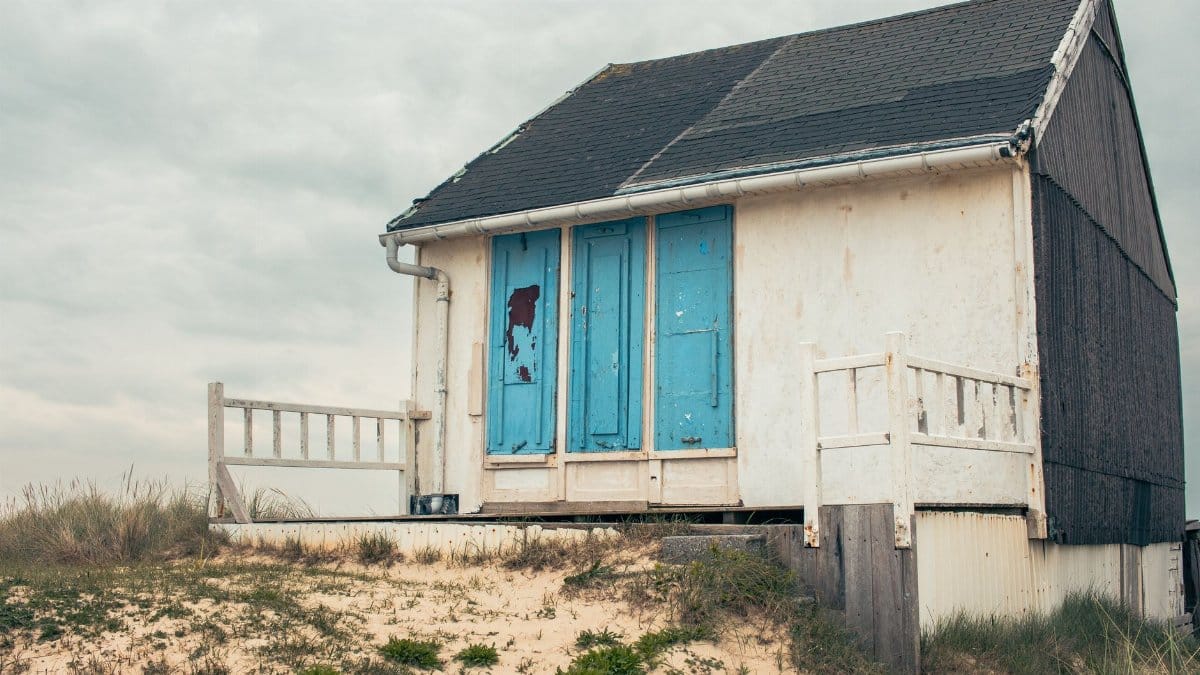
The wind comes off the Atlantic in a long unbroken sheet, lifting sand against gray boards that sit on the dune more by patience than by engineering. Janet Armstrong knows the leaks, the swollen door, the weeks when the path disappears. Her family has cared for the Armstrong Shack since 1948, a run of attention that now reaches 78 years. In November the National Park Service opened bidding on the structure, and the woman who learned its weather as a child must compete for the right to go on. A Cape Cod dune shack is easy to romanticize from a parking lot and hard to keep standing once the season turns. The lease that felt, inside the family, like a duty has become an application.
A notice after a lifetime of repairs

For most of those 78 years the arrangement was understood more than it was advertised. Families in the dunes patched roofs, hauled water, and stayed through autumn storms because someone had to, and because the alternative was a building surrendered to sand. The Cape Cod National Seashore, created in 1961, placed that informal world inside a federal preserve. Occupancy did not vanish overnight. It tightened, permit by permit, into a system the park could defend in public. The new solicitation is the latest turn of that screw. It asks applicants to make a case, in writing, for stewardship of a historic structure on land that belongs to everyone.
What a bid can and cannot see

A competitive process has a logic that is easy to respect and difficult to inhabit. Public land should not pass quietly from parent to child as if the map were a will. The park has a duty to be fair, to document who uses a scarce historic resource, and to show that the shacks will not collapse from neglect. Calling the building a Cape Cod dune shack in a government notice does not capture the years lived inside it. A form can ask about maintenance plans and historic sensitivity. It cannot easily weigh a memory of which window fails first in a wet easterly, or the habit of walking the ridge after a blow to see what the dune has taken. Janet Armstrong will compete inside that mismatch. Her advantage, if she has one, is not rhetoric. It is repetition.
Before the seashore had a name

1948 is not a romantic date so much as a practical one. The war was over. The Outer Cape was still a working edge of the map, with fishing towns, summer houses, and a scatter of shelters in the sand. People used those shelters to paint, to write, and to get away from rooms that felt too full. They also used them because a shack, however plain, made the beach livable for more than an afternoon. When Congress created the seashore thirteen years later, it did not invent the dune landscape. It inherited a peopled one. The Armstrong history sits in that inheritance. The family did not arrive as a program. It arrived as a habit, and the habit outlasted the rules that first ignored it.
Famous names and ordinary labor

Visitors often arrive with a short list of names. Eugene O’Neill lived for a time in a former life saving station among these hills and wrote with the ocean in his ear. The poet Harry Kemp made the dunes a public personality as much as a private retreat. That lore matters. It helps explain why the district earned a place on the National Register of Historic Places, and why a shack is not treated as disposable beach clutter. It can also obscure the less quotable residents, families who never published a line and still kept a building from falling in. Fame drew attention to the ridge. Caretaking kept the ridge from becoming only a story about fame.
Solitude with a maintenance list

There is a spiritual hunger along this coast that does not always announce itself in religious language. People drive toward the end of the Cape because the horizon is large and the appointments are few. A Cape Cod dune shack answers that hunger with a room, a stove, and a view that does not perform. The quiet can feel like prayer even when no one is praying. It can also feel like work. Solitude here is not a purchased escape. It is hauling, sweeping sand out of the bed, and watching weather until the decision to leave is no longer theoretical. If there is a trend worth naming, it is this. More people want retreat, and fewer of them have inherited a place where retreat and responsibility are the same task. The fashion for stillness meets a landscape that has always charged rent in labor.
Fairness and the knowledge that does not scan

Critics of family tenure are not heartless. A preserve that quietly renews the same names can look like a club. Supporters of those families answer that continuity is a kind of conservation. The person who has watched a wall move a little each year may see damage that a newcomer will notice only after the repair is expensive. Both claims can be true. The park has tried, over decades, to hold them together: historic protection, some public benefit, and room for people who treat the shacks as more than a weekend trophy. Competition is one tool for that balance. It is not a neutral tool. It rewards applicants who can describe care in the language of proposals, and it startles people who thought the care itself was enough of an argument.
What the sand requires

The practical burden is not mystical. Wind drives sand under doors. Moisture finds nails. Wood that looks sound in June can be soft by September. Many shacks in the district were never meant to meet modern expectations of comfort, and the park’s interest in their survival is partly an interest in their plainness. Turning them into convenient cottages would erase the character the historic listing protects. So the work is conservative in the literal sense. Keep the profile. Keep the footprint. Keep the building from becoming a pile of lumber in a hollow. Families who have done that work for generations understand the constraint as a moral one as well as a technical one. You do not improve the shack into something else. You keep it itself.
A Cape Cod dune shack and the idea of belonging
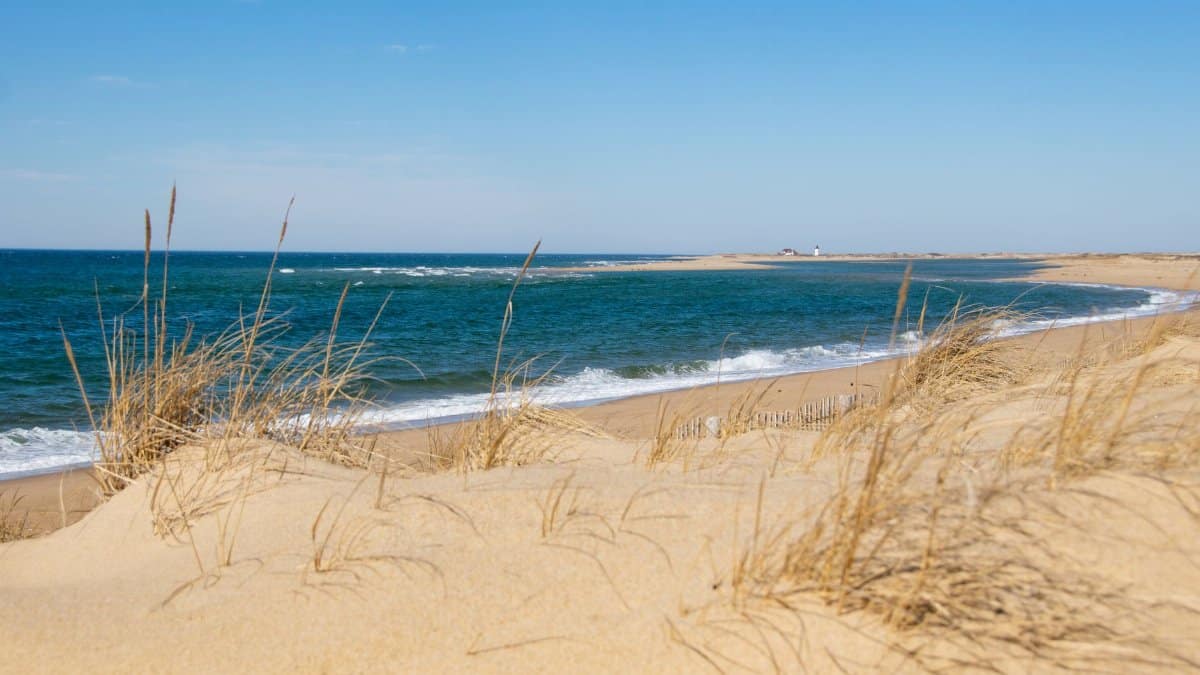
Belonging is a slippery word on federal land. No family owns the Armstrong Shack in the way a house on a town street is owned. The public owns the ground, the view, and the right to decide the next occupant. What a family can claim is the practice: the trips, the repairs, the stories told on the ride down from ordinary life. That practice can be honored without being mistaken for title. It can also be dismissed too quickly, as if feeling had no information in it. Janet Armstrong’s decision to compete is a refusal of both errors. She is not asking the park to skip the process. She is asking to be read as a steward, not as an inconvenience left over from 1948.
The season will not pause

While the paperwork moves, the dune does not. Autumn storms do not wait to learn who won. If the shack needs a shutter secured or a drift of sand cleared, someone still has to do it, and for now that someone is the family that has always done it. There is a dignity in that, and also a risk. Caretaking during a competition can look, to a suspicious reader, like campaigning with a hammer. It can look, to the person holding the hammer, like the only decent option. The Cape Cod dune shack will still be there in the morning, leased or not, famous or not, loved or merely administered. The question is whether the next signature on the lease understands the difference between occupying a symbol and keeping a building alive.